Habeas Corpus Filming Locations
Netflix’s Habeas Corpus rarely treats São Paulo as anonymous background. The Brazilian legal drama follows Inez Franco, played by Marjorie Estiano, a respected law professor and former criminal defense attorney who forms a group of students to revisit a disputed conviction. Any Gabrielly co-stars as Marina, a student whose interest in Inez and the case…

Netflix’s Habeas Corpus rarely treats São Paulo as anonymous background. The Brazilian legal drama follows Inez Franco, played by Marjorie Estiano, a respected law professor and former criminal defense attorney who forms a group of students to revisit a disputed conviction. Any Gabrielly co-stars as Marina, a student whose interest in Inez and the case has a much more personal dimension than it first appears. With much of the story unfolding in classrooms, courtrooms, offices and homes connected to São Paulo’s legal establishment, director Luiz Villaça had good reason to keep the production rooted in the city itself. The result uses several genuine São Paulo institutions rather than relying entirely on studio-built substitutes.
Related: Survivor 51 Filming Locations
Where Was Habeas Corpus Filmed?
Habeas Corpus was filmed extensively in São Paulo, Brazil, with the production moving through real universities, cultural institutions, residential properties and businesses around the city. Netflix has confirmed several of these locations directly, including the University of São Paulo’s historic Law School at Largo São Francisco, Sala São Paulo and a house in Butantã designed by celebrated Brazilian architect Paulo Mendes da Rocha. A real restaurant in Bom Retiro was also adapted for the story.
The size of the shoot was substantial for a legal drama. Netflix says the production turned 401 script pages into 527 scenes filmed across 102 shooting days and 72 sets, with 1,871 background performers participating. The episodes were also photographed in chronological order, which meant some recurring locations had to be dressed, cleared and rebuilt several times while maintaining visual continuity.
USP Law School at Largo São Francisco
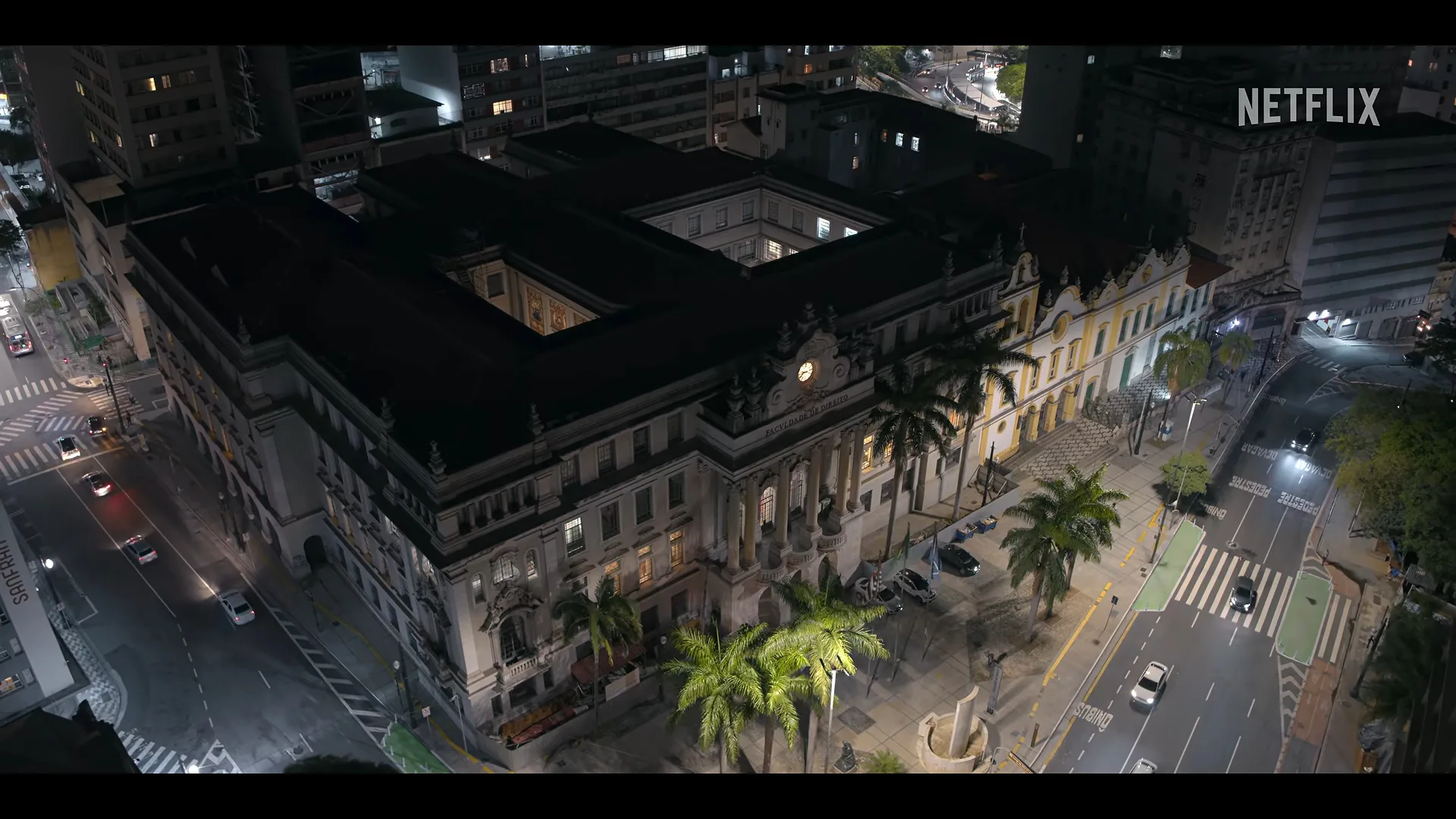
One of Habeas Corpus’ most significant real locations is the Faculdade de Direito da Universidade de São Paulo, located at Largo São Francisco in central São Paulo. Netflix confirms that the historic law school hosted both academic and legal scenes, making it an especially appropriate setting for a series built around Inez’s transition from courtroom lawyer to university professor.
The building is not simply a convenient university exterior. USP’s Law School dates back to 1827 and remains at Largo São Francisco, making it one of Brazil’s most historically important legal institutions. The production therefore gains something difficult to reproduce on a soundstage: architecture with an actual connection to the country’s legal history.
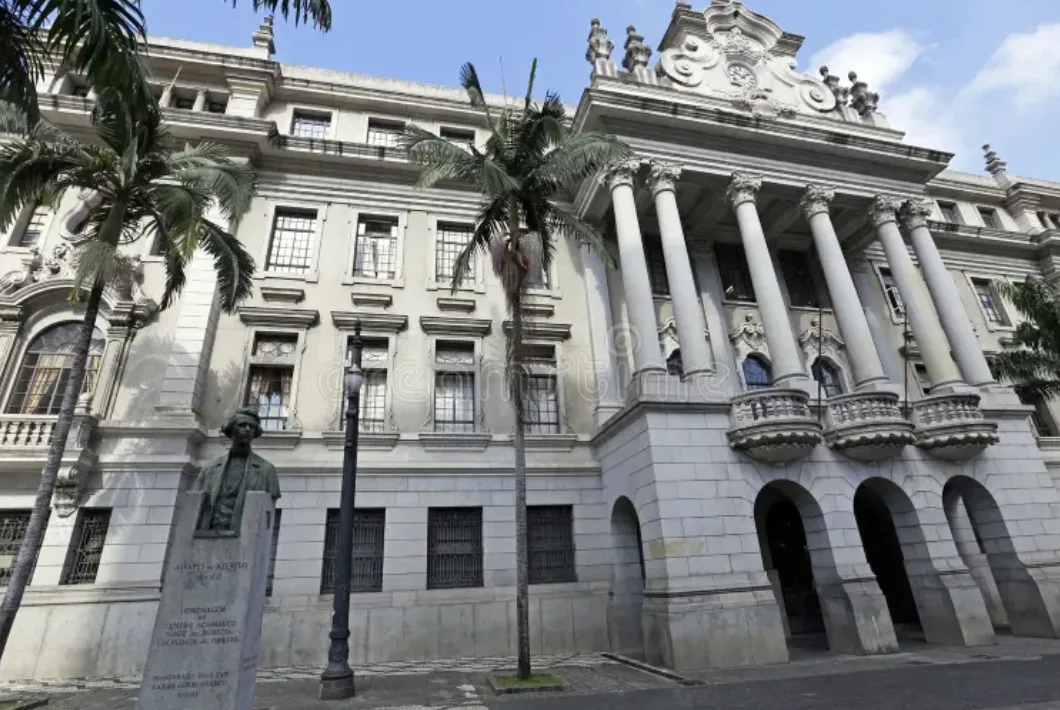
Filming there also came with restrictions. Netflix says the production could not freely modify protected architectural elements, so the art department brought in removable courtroom furnishings and other pieces without permanently changing the building. Most of the filming at Largo São Francisco took place during the university vacation period and largely at night, when fewer people were moving through the property.
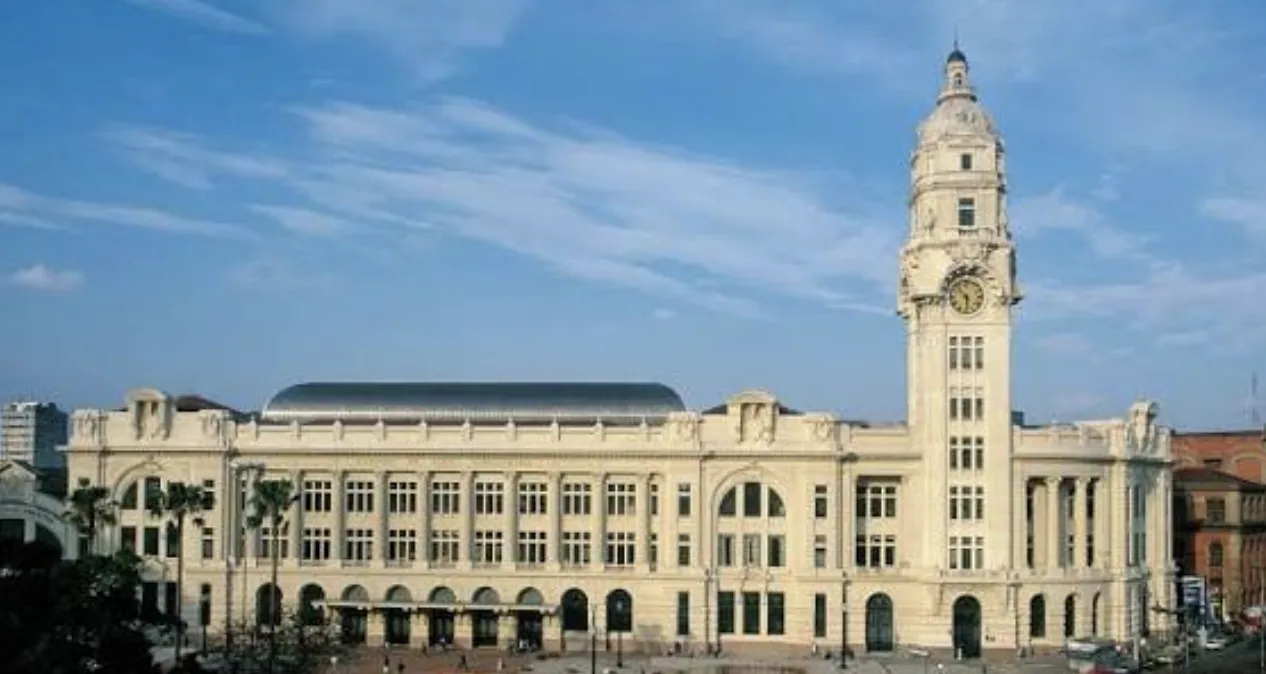
Sala São Paulo Also Appears in the Series
Sala São Paulo was another confirmed filming location. Netflix identifies the landmark cultural venue among the real São Paulo spaces used by the production, although it does not provide a complete scene-by-scene breakdown of everything filmed there. That makes it safer to identify Sala São Paulo as a confirmed location rather than attach a particular courtroom or office sequence to it without additional production documentation.
Its inclusion illustrates the production’s broader approach to São Paulo. Habeas Corpus does not confine itself to one university campus and a collection of interior sets. Instead, the filmmakers move through recognizable city architecture, allowing the legal and academic worlds surrounding Inez to feel embedded in the real metropolis.
A Paulo Mendes da Rocha House Became Murilo’s Home
The residential side of the series also uses notable Brazilian architecture. Netflix confirms that a house designed by architect Paulo Mendes da Rocha in the Butantã area was transformed into the home of Murilo and Bianca, played by Renata Gaspar. The production has not publicly identified the property by a precise address in its behind-the-scenes material, so it is better to preserve the privacy of the location rather than guess which Mendes da Rocha residence was used.
The choice is revealing from a production-design perspective. Murilo belongs to a very different professional and social environment from the students investigating Jonathan’s case, and using a distinctive architect-designed property immediately gives his domestic world a specific character. It allows the location itself to communicate status and personality without requiring lengthy explanation.
Kim’s Family Restaurant Is a Real Bom Retiro Business
Another real-world location appears in Bom Retiro, one of São Paulo’s most culturally diverse neighborhoods. According to Netflix, the restaurant belonging to Kim’s family in the series is an actual functioning restaurant in the neighborhood. The art department made only relatively small modifications for filming rather than constructing the entire business from scratch.
Netflix has not identified the restaurant by name in its official location feature, so attaching an unverified business to the production would go beyond what the source establishes. What is confirmed is that the filmmakers wanted Kim’s background to feel connected to an authentic São Paulo setting, and Bom Retiro supplied a real commercial space rather than a studio approximation.
Habeas Corpus Used São Paulo’s Real Architecture Carefully
One of the more interesting behind-the-scenes details is how much of the production had to adapt itself to the locations rather than reshape those locations around the series. Several of the buildings used for filming carry heritage protections, limiting what the art department could physically alter. Sets and legal furnishings therefore had to be introduced temporarily and removed without interfering with the original architecture.
That requirement actually suits Habeas Corpus. The series is concerned with institutions that have existed far longer than its individual characters, particularly universities and the legal system. Shooting inside historic São Paulo spaces gives those institutions a physical weight that would be difficult to imitate with generic courtroom corridors and university facades.
São Paulo Is Part of the Series’ Identity
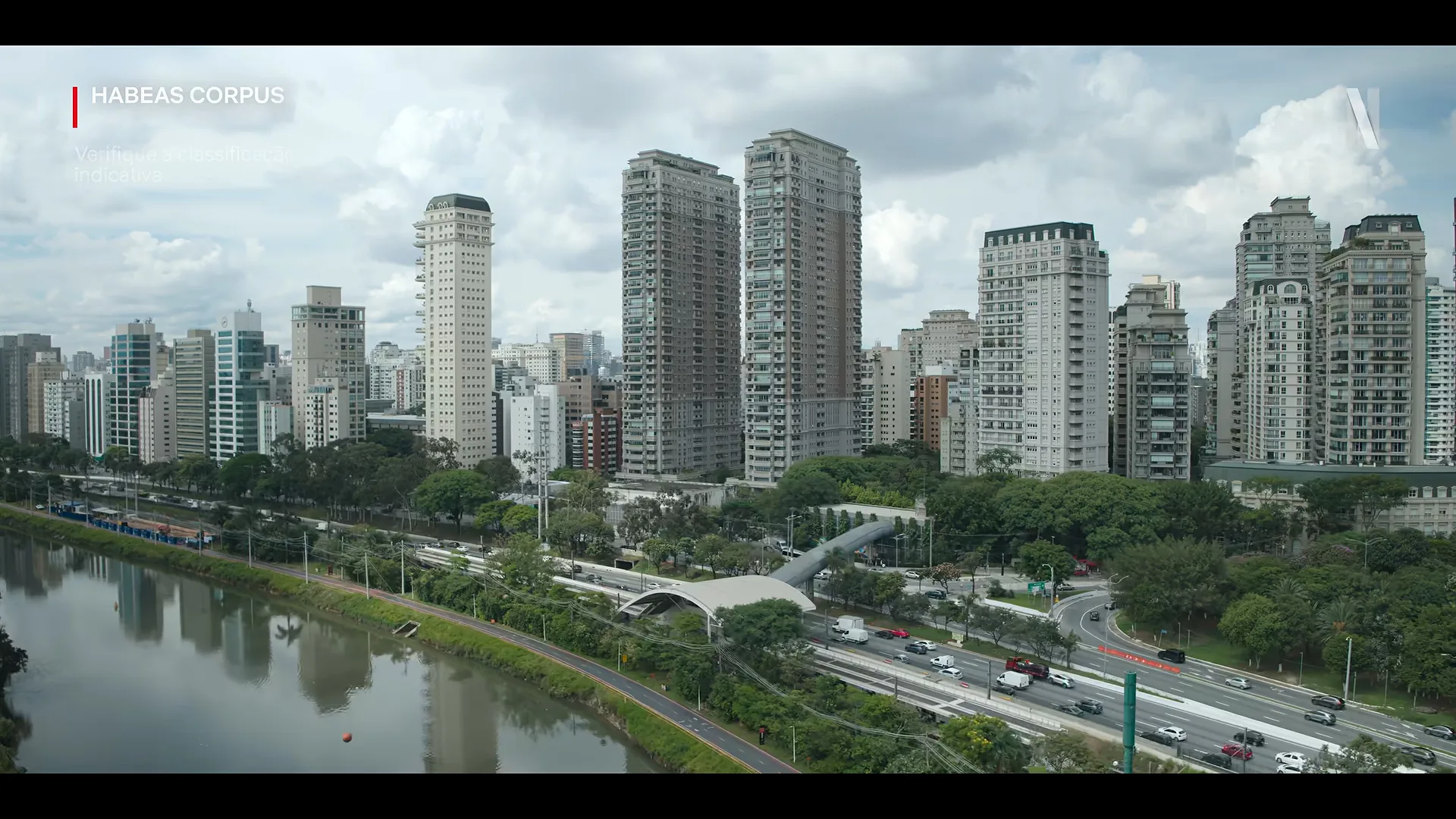
Habeas Corpus could have been produced as a relatively contained courtroom drama, but the scale of its location work suggests the filmmakers wanted a broader portrait of Inez’s city. The USP Law School represents the academic and legal establishment, Sala São Paulo brings another piece of the city’s historic architecture into the frame, Butantã provides a very different residential environment, and Bom Retiro adds a more intimate neighborhood setting. Together, those places prevent the series from feeling visually confined even when much of its drama revolves around documents, testimony and conversations.
That is also why São Paulo matters beyond simple production convenience. Netflix describes Habeas Corpus as its first Brazilian legal drama, and filming inside recognizable Brazilian institutions helps distinguish it from imported courtroom formulas. The legal questions may drive the story, but the locations make clear that this is a specifically São Paulo version of that genre.