Survivor 51 Filming Locations
Survivor 51 begins a new chapter for the CBS competition after the milestone celebration of Season 50, but one important part of the series has remained remarkably consistent. Jeff Probst welcomes 21 first-time players into what the show is calling its “Open Era,” where twists and advantages from Survivor’s long history can return with far…
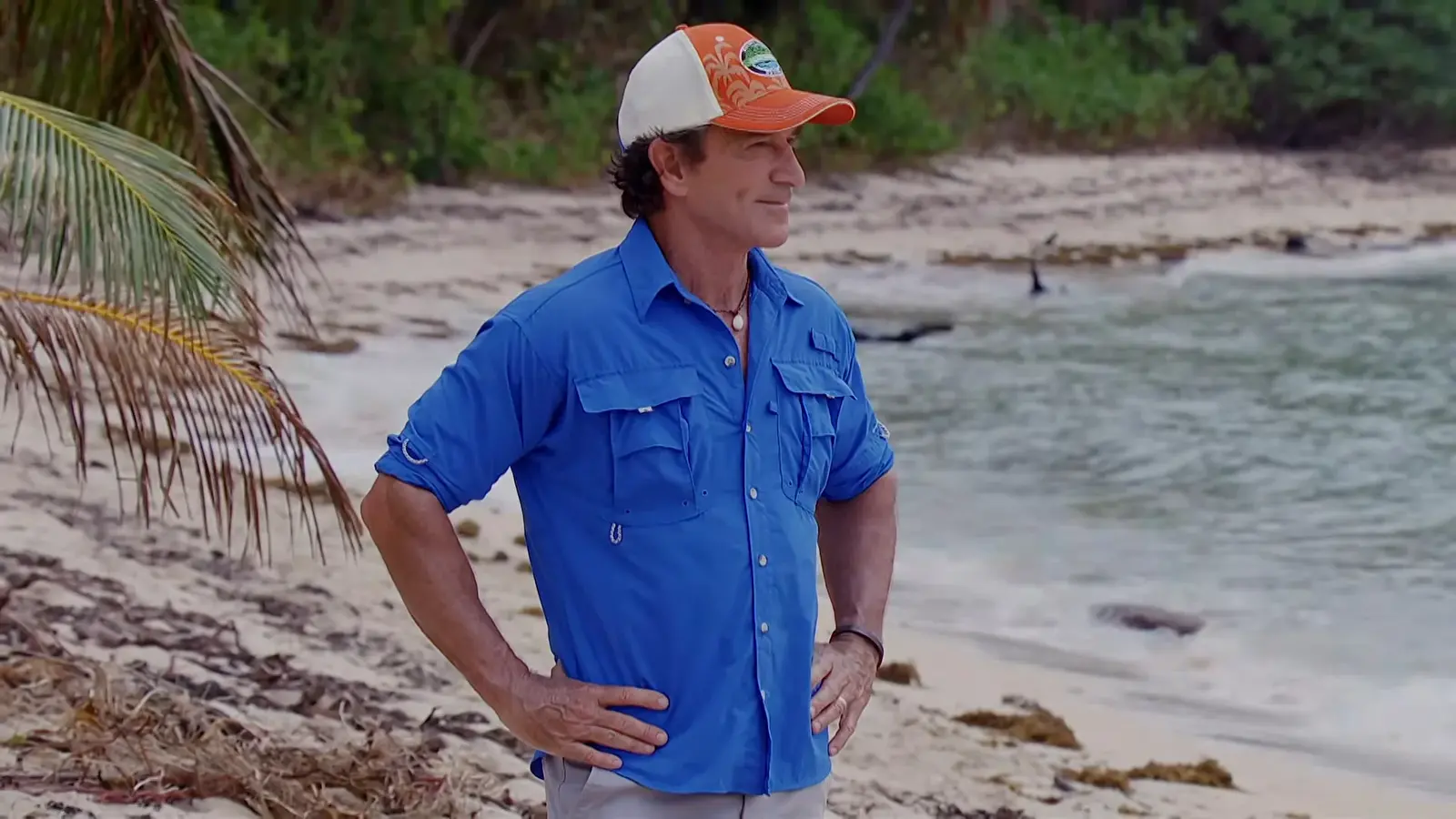
Survivor 51 begins a new chapter for the CBS competition after the milestone celebration of Season 50, but one important part of the series has remained remarkably consistent. Jeff Probst welcomes 21 first-time players into what the show is calling its “Open Era,” where twists and advantages from Survivor’s long history can return with far less predictability. Visually, however, the season still has the familiar combination of white-sand beaches, dense tropical vegetation and bright blue Pacific water that has defined the modern version of the show. Those surroundings are not a purpose-built tropical set. Survivor 51 returned to the real Fijian island group that has served as the production’s permanent home for a decade.
Also Read: The Love Hypothesis Filming Locations
Where Was Survivor 51 Filmed?
Survivor 51 was filmed in the Mamanuca Islands of Fiji, the volcanic island chain off the western side of Fiji’s main island, Viti Levu. Paramount+ specifically identifies the Mamanucas as the filming location for Season 51, while CBS describes the new castaways as being stranded on the beaches of Fiji. The show has used this region continuously since Survivor: Millennials vs. Gen X, which became Season 33 in 2016.
That makes Season 51 the nineteenth consecutive Survivor season produced from the Mamanuca base rather than another entry in the franchise’s original globe-trotting era. Earlier seasons moved between locations including Borneo, Australia, Africa, Panama, Samoa, Nicaragua and Cambodia, with even an earlier Fiji season using a completely different part of the country. The current Survivor production has effectively built a permanent television infrastructure around the Mamanucas while continuing to rotate beaches and challenge areas enough to keep individual seasons visually distinct.
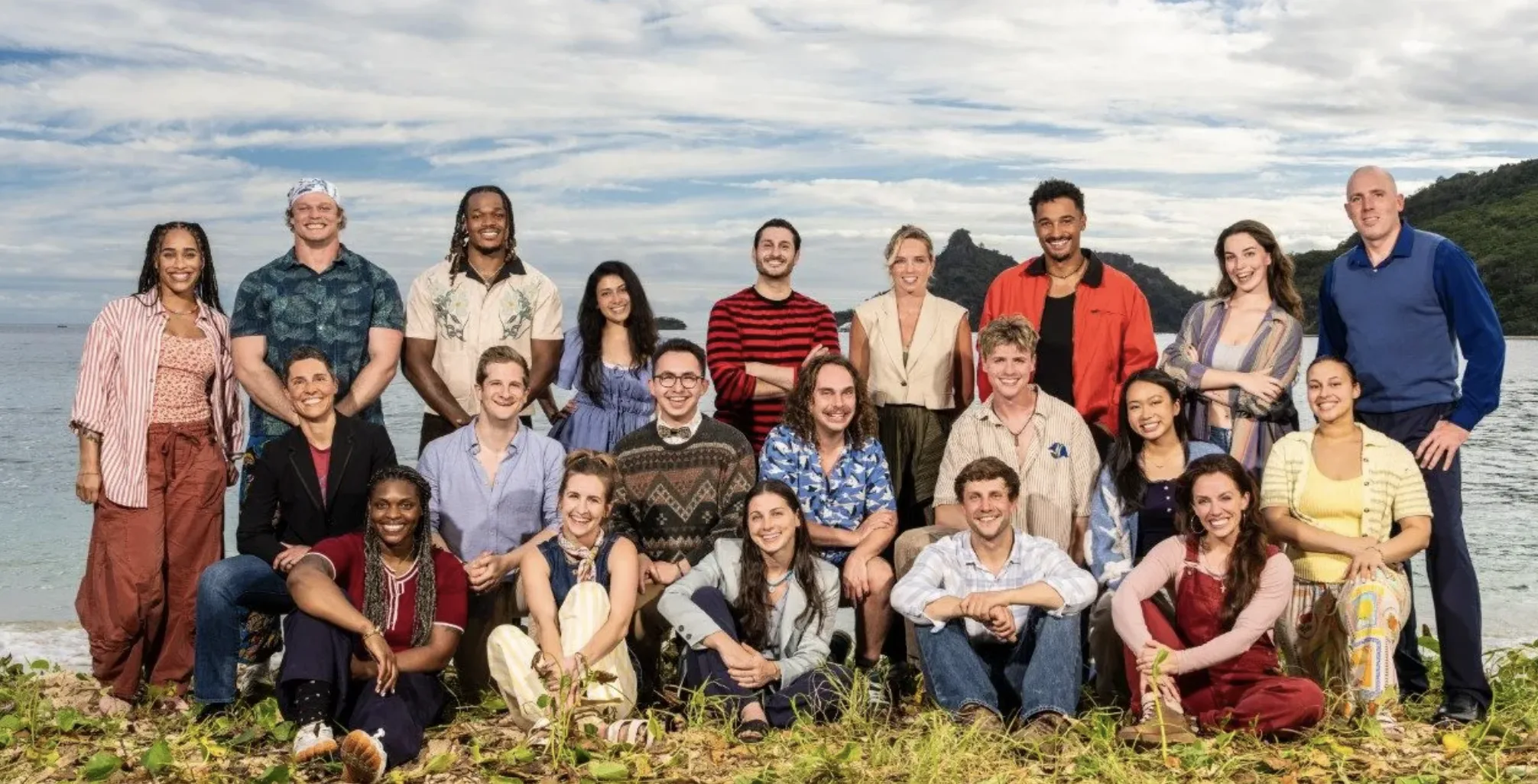
Which Fiji Islands Were Used for the 2026 Survivor Production?
Fiji’s own maritime authorities provide unusually specific information about the areas used during the 2026 production period. The Maritime Safety Authority of Fiji established temporary filming exclusion zones around Monu Riki, Monu, Tavua, Yadua, Yanuya and Mana islands from April 15 through July 3, 2026. Boats were instructed to remain at least one nautical mile away from the designated shores while the American Survivor production was operating there.
There is an important distinction when applying that list specifically to Survivor 51. Survivor normally produces two seasons back to back during its annual Fiji production window, so the maritime notice covers the broader 2026 Survivor shoot rather than assigning every island to one particular Season 51 tribe or challenge. It nevertheless gives the clearest official record of the geographic area occupied by production while Season 51 was being made. Individual camp assignments are not normally published by CBS, which is why identifying every beach solely from official sources is difficult.
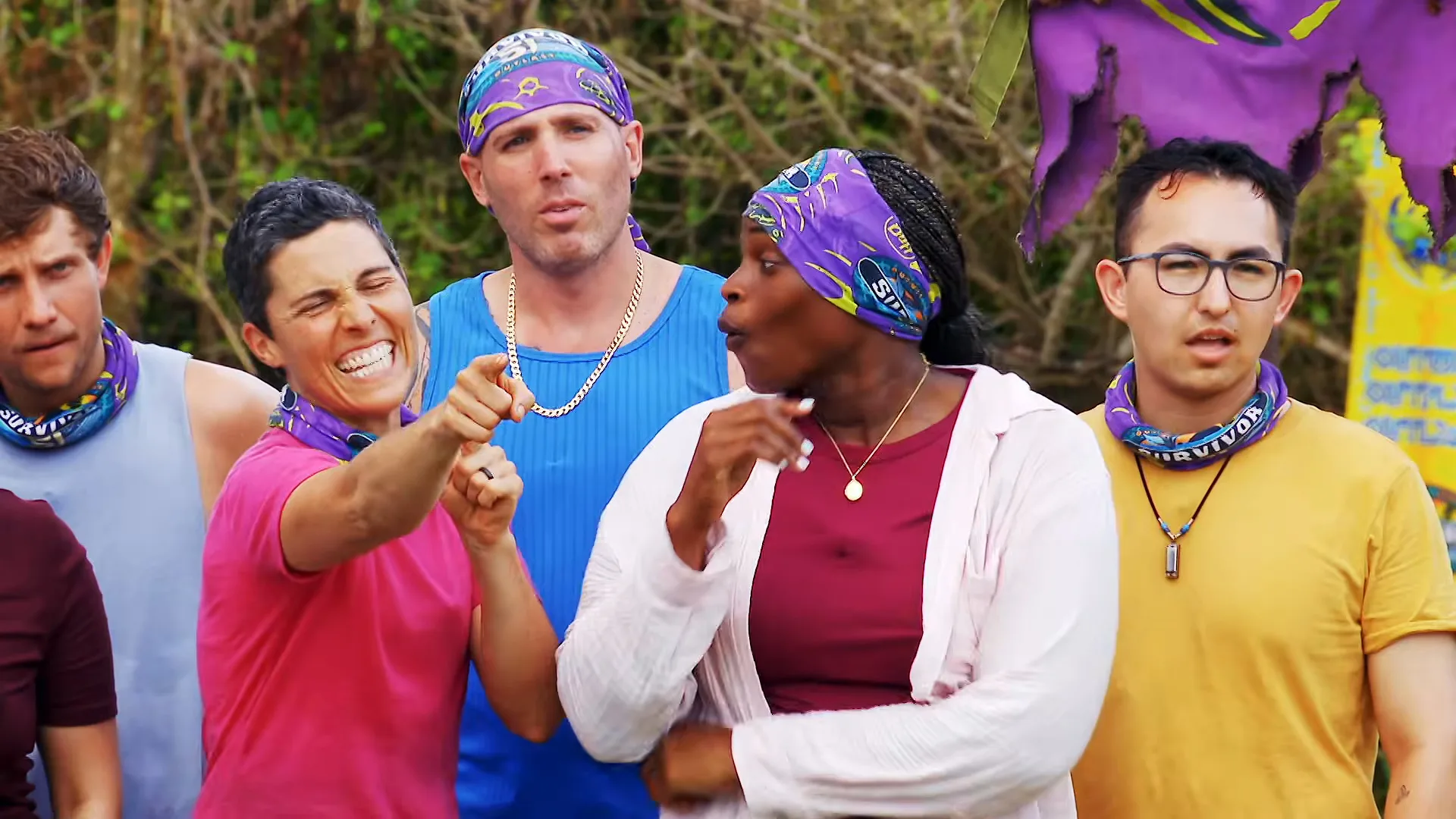
Mana Island Is the Center of Survivor’s Fiji Operation
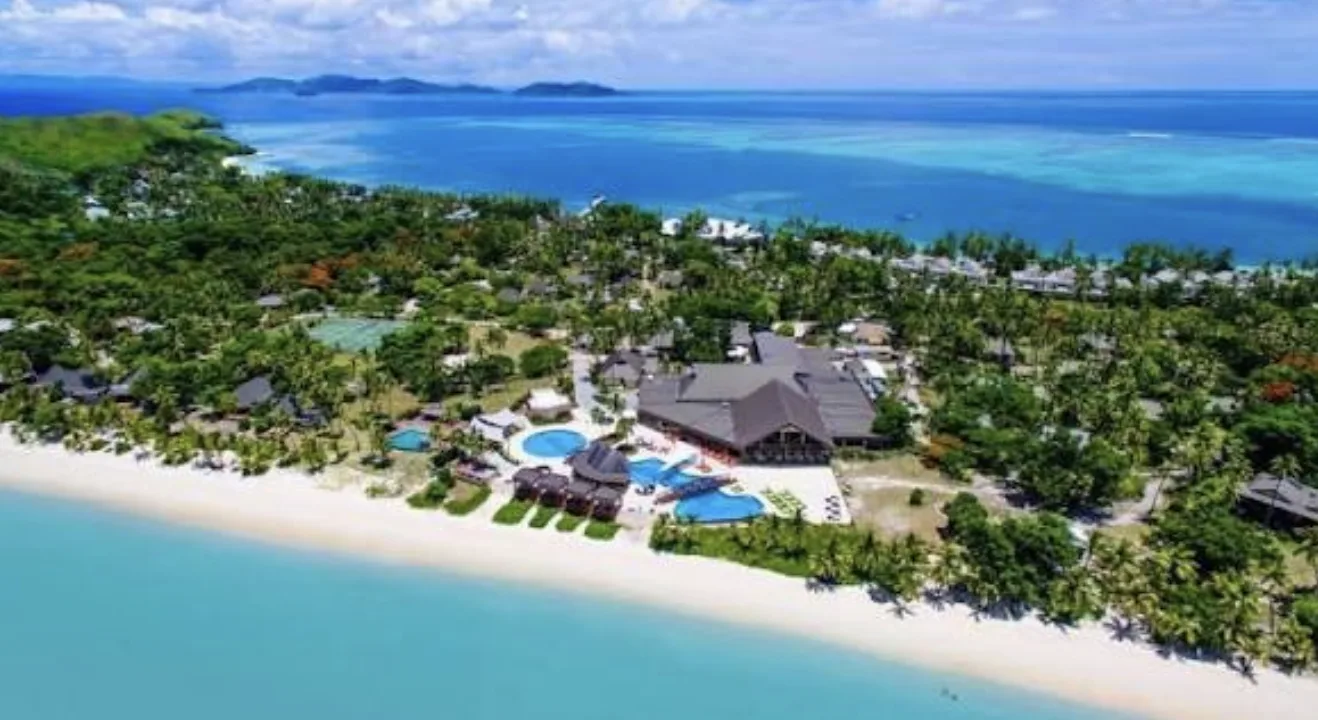
Mana Island is particularly important behind the scenes. Reporting from the production of Survivor 50 described the show’s main basecamp as being on Mana, where Probst and other producers work while contestants are spread across surrounding islands. Members of Survivor’s Dream Team, who test challenges and assist multiple production departments, also live on Mana during the months-long production schedule.
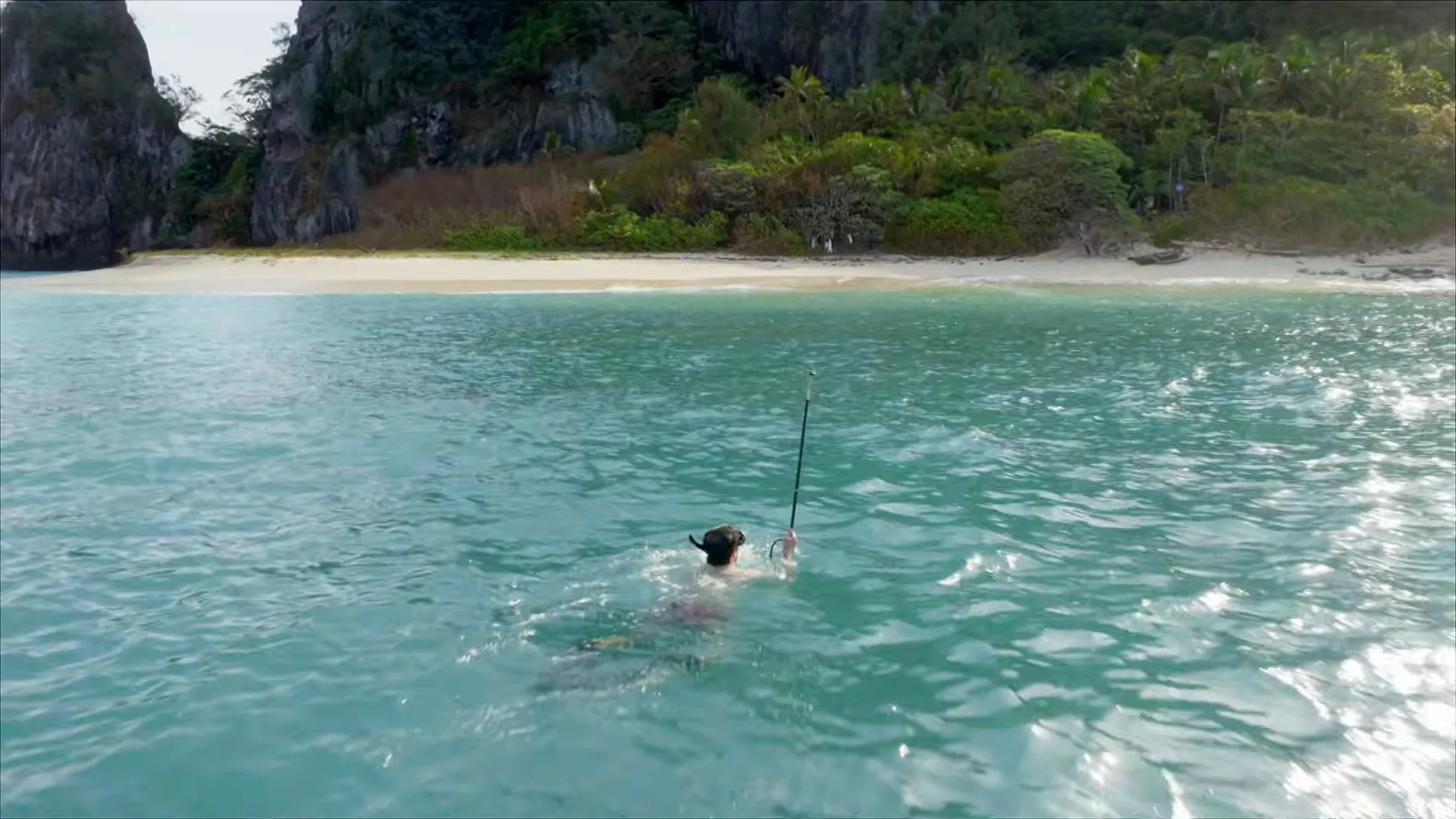
The island has enough space for far more than one recognizable Survivor location. Challenge areas, production facilities and logistical operations can coexist around Mana while boats move contestants and crew through the surrounding island group. That helps explain how the series can repeatedly return to the same part of Fiji without making every challenge look as though it takes place on the same beach. Mana was again included in Fiji’s official filming restrictions for the 2026 Survivor production.
Monuriki, Tavua and Monu Appear Across the Survivor Landscape
The smaller islands surrounding Mana provide the kind of isolated beaches viewers normally associate with the contestants’ camps. Monuriki, sometimes written as Monu Riki in official Fijian notices, is perhaps the most internationally recognizable of them because it was also used for the Tom Hanks film Cast Away. For Survivor, the island provides steep green hills, rocky shoreline and narrow beaches that look considerably more remote on television than the production base a boat ride away.
Tavua and Monu are also recurring pieces of Survivor’s Mamanuca geography, and both were again covered by the 2026 filming restrictions. Location analysis of Season 51 footage has connected different shores of Tavua with tribe camps and identified Monu among the season’s early game locations, although those scene-specific assignments come from matching the television footage with island geography rather than from CBS publishing an official campsite map. The reliable point is that all three islands were within the restricted Survivor production zone during the 2026 shoot.
Yadua and Yanuya Expanded the 2026 Filming Area
The 2026 maritime notice also names Yadua Island and the western side of Yanuya Island. Yanuya is inhabited and sits within the wider Mamanuca region, while the production can use nearby beaches and waters without having to make them look like established communities on television. Yadua similarly adds another stretch of isolated coastline to a production that needs multiple locations for arrivals, challenges and other game sequences.
Their inclusion also shows why calling Survivor’s location simply “Mana Island” is incomplete. Mana functions as an important operational center, but the television show is spread across a network of islands, beaches and offshore spaces. Production can therefore separate contestant camps from challenge locations and crew operations while still keeping everything within manageable boating distance.
Why Does Survivor Keep Returning to Fiji?
Survivor’s decision to remain in Fiji is now driven as much by production logistics as by scenery. Probst explained in 2026 that staying in the Mamanucas is “not really a creative choice,” pointing instead to the infrastructure and relationships the show has built with Fiji’s government and local landowners. Moving a production of Survivor’s size would mean recreating years of logistical planning somewhere else, including challenge construction, boats, accommodation, medical support, crew facilities and agreements for access to privately controlled land.
That permanence would have been unusual during Survivor’s first two decades, when a new season was often marketed partly around a new destination. Fiji has gradually changed the philosophy. Instead of making the country itself the seasonal gimmick, production changes the players, twists, challenges and game mechanics while treating the Mamanucas as a giant outdoor studio whose individual beaches can continually be repurposed.
Survivor 51 Uses Real Islands, Not a Closed Television Set
The finished episodes can make the players appear completely cut off from civilization, but Survivor 51 is produced inside a carefully organized network of real islands. Contestants live on relatively isolated beaches while an enormous crew, challenge operation and production infrastructure work beyond the camera’s frame. Fiji’s official exclusion zones help maintain that separation by keeping unauthorized marine traffic away from active locations during filming.
That contrast has become one of the cleverest aspects of modern Survivor. Viewers see a few castaways living with very little on a remote beach, while just beyond their immediate world is one of reality television’s most sophisticated production operations. Season 51 may introduce the Open Era to the game itself, but geographically it remains firmly rooted in the Mamanuca Islands that have become as recognizable to Survivor audiences as the torches and Tribal Council.