Is Inez Franco From Habeas Corpus a Real Person? The True Story Behind the Lawyer
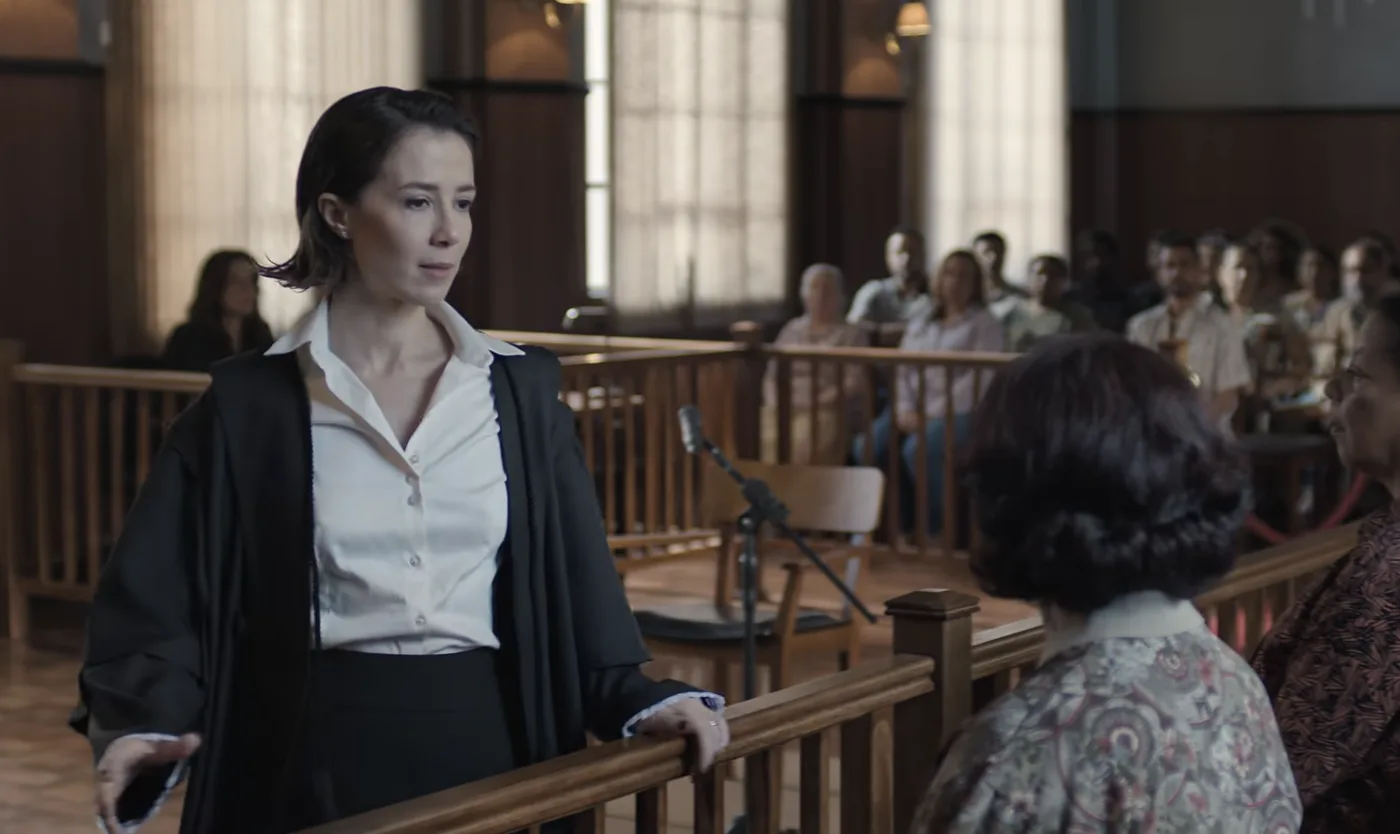
Marjorie Estiano leads Netflix’s Habeas Corpus as Inez Franco, a respected law professor whose career has been shaped by both professional success and uncomfortable questions about the justice system. After stepping away from criminal defense work, Inez becomes involved in reviewing questionable convictions with a group of students, forcing her to reconsider cases, choices and…

Marjorie Estiano leads Netflix’s Habeas Corpus as Inez Franco, a respected law professor whose career has been shaped by both professional success and uncomfortable questions about the justice system. After stepping away from criminal defense work, Inez becomes involved in reviewing questionable convictions with a group of students, forcing her to reconsider cases, choices and assumptions from her own past. Her realistic legal work and connection to wrongful-conviction cases naturally raise one question for viewers: is Inez Franco based on a real Brazilian lawyer?
Inez Franco is not a real person. Netflix describes Habeas Corpus as a fictional legal drama, and Inez was created for the series rather than adapted directly from the life of one attorney. However, the character was developed in a world heavily informed by real Brazilian lawyers and the work of Innocence Project Brasil, which gives Inez’s professional life a strong connection to reality.
Also Read: Habeas Corpus Season 1 Ending Explained: Is Jonathan Freed and Who Is Marina Really?
Is Inez Franco Based on a Real Lawyer?
There is no evidence that Inez Franco is a fictionalized version of one specific lawyer. Netflix has not identified a real-life “Inez Franco,” nor has the production said that Marjorie Estiano’s character is meant to reproduce the biography of an individual attorney. Her personal history, family relationships and earlier career mistakes belong to the fictional story.
What is real is the type of legal work she performs. Inez becomes involved in examining convictions where serious questions remain about whether the person sent to prison was actually responsible. That work closely resembles the mission of Innocence Project Brasil, which investigates possible miscarriages of justice and seeks new legal review when evidence supports a claim of innocence.
The distinction is important. Inez represents lawyers who work in this area, but viewers should not treat events from her past as facts about any real attorney connected to Innocence Project Brasil.
Did Flavia Rahal Inspire Inez?
Flavia Rahal is probably the most important real lawyer connected to the origins of Habeas Corpus, but Netflix does not say that Inez is specifically based on her. Rahal is one of the founders of Innocence Project Brasil, and series creator Luiz Villaca has explained that conversations with her helped inspire the project. Hearing about real wrongful-conviction cases gave him the foundation for a drama about lawyers reexamining cases the justice system had already considered closed.
Rahal and other legal professionals also helped the production understand how this kind of work operates in reality. Netflix says lawyers including Rahal, Dora Cavalcanti and Rafael Tucherman spoke with the cast about criminal review, legal ethics and the motivations of attorneys working on possible wrongful convictions. Their experiences helped shape the professional environment surrounding Inez rather than supplying one biography for the character.
That makes Rahal an important real-world influence on the series without making her “the real Inez.” The fictional lawyer combines ideas drawn from research, legal practice and the themes the writers wanted to explore.
Why Does Inez Leave Criminal Law?
Inez’s past is central to understanding who she is when Habeas Corpus begins. She was once a highly ambitious criminal lawyer who became successful inside a competitive legal system, but that career also left her questioning some of the methods and assumptions she had accepted along the way. Eventually, she moves into teaching, where she can discuss justice more theoretically without confronting the courtroom environment that had become emotionally difficult for her.
The series gradually forces her back into practice. Once she begins examining a questionable conviction with her students, Inez can no longer remain comfortably separated from the consequences of legal decisions. Her return to court becomes as much about confronting herself as helping someone else.

That personal conflict is fictional, but it gives the character a useful perspective. Inez understands both the power of the justice system and how easily professional ambition can make lawyers stop questioning whether a technically successful case was actually just.
Why Does Inez Start the Review Group?
Inez’s student group allows Habeas Corpus to place legal education and real casework beside each other. Instead of limiting her classes to textbooks and theoretical arguments, she introduces students to the process of examining an old conviction in detail. They have to question witness accounts, investigative decisions and evidence that earlier lawyers and courts had already accepted.
There is a real-world parallel behind this idea. Innocence Project Brasil has worked with law students through clinical legal education, allowing students to gain experience reviewing actual cases. The series dramatizes that concept through Inez and her students while adding fictional relationships and conflicts around their investigation.
For Inez, the group also marks a change in how she sees her role as a lawyer. She is no longer interested only in winning arguments. She wants her students to understand that legal work can require questioning conclusions that powerful institutions would rather leave untouched.
What Does Inez Represent in Habeas Corpus?
Inez represents the possibility that someone inside the justice system can change after recognizing its failures. She is not written as a perfect crusading lawyer who has always known the right thing to do. Part of her character comes from understanding that she once participated in the same professional culture she later begins questioning.
That makes her different from a traditional legal-drama hero who enters every courtroom certain of her moral position. Inez has to confront mistakes, ambition and the consequences of decisions she once considered professionally successful. Her authority comes partly from experience, but so does her guilt.
By the end of Season 1, Inez has returned more fully to legal practice and is prepared to continue examining questionable convictions. Her story suggests that accountability is not simply about identifying what other people did wrong. It also requires being willing to reconsider your own past.

Is Inez Franco’s Story True?
The most accurate answer is that Inez Franco is fictional, but the work surrounding her is rooted in reality. Netflix created the character for Habeas Corpus, while research into Innocence Project Brasil and conversations with real attorneys gave the series its legal foundation.
Marjorie Estiano is therefore not portraying one particular Brazilian lawyer. She is playing a fictional attorney designed to explore questions real wrongful-conviction lawyers encounter, including professional responsibility, institutional resistance and what happens when new evidence challenges an old judgment.
That real-world foundation is why Inez can feel like someone taken from an actual legal case even though she is not. Her biography belongs to Habeas Corpus, but the legal problems she confronts extend far beyond the series.