Is Go Team! Based on a True Story? Is Tío Mochales a Real Company?
There is something uncomfortably believable about the way Go Team! turns a cheerful corporate retreat into a fight over who gets to keep earning a salary. Employees who were happily posing as a team begin spying, flattering, betraying and competing once they discover that Tío Mochales is preparing for a restructuring with major layoffs. Netflix…

There is something uncomfortably believable about the way Go Team! turns a cheerful corporate retreat into a fight over who gets to keep earning a salary. Employees who were happily posing as a team begin spying, flattering, betraying and competing once they discover that Tío Mochales is preparing for a restructuring with major layoffs. Netflix presents the movie as a dark comedy about decaying offices, ruthless management and workers exhausted by the language and rituals of modern corporate culture. The details feel familiar enough that the fictional cheese business can easily resemble a company someone has actually worked for, but that resemblance is part of the satire rather than evidence that the film is dramatizing one particular workplace scandal.
Related: Go Team! Filming Locations: Is Vilches del Morrazo a Real Place?
Is Go Team! Based on a True Story?
No specific true story has been identified as the basis for Go Team!. Netflix presents the film as an original scripted comedy created by Adolfo Valor and Cristóbal Garrido, directed by Diego Núñez Irigoyen and produced by Zeta Studios. Official material does not name a real company, documented mass-layoff incident or actual team-building retreat that inspired the plot. Instead, the filmmakers use a fictional business crisis to satirize recognizable problems involving job insecurity, productivity culture and the way companies sometimes disguise unpleasant decisions behind motivational language.
That distinction is important because the movie intentionally makes its workplace anxiety feel authentic. The threat is not an extravagant conspiracy but something ordinary employees immediately understand: a company is struggling, management wants cuts and everyone suddenly worries that a coworker could become competition. The comedy exaggerates how the characters respond, but the basic fear is grounded in everyday working life. Go Team! is therefore fictional in story while remaining deliberately realistic in subject.
Is Tío Mochales a Real Cheese Company?
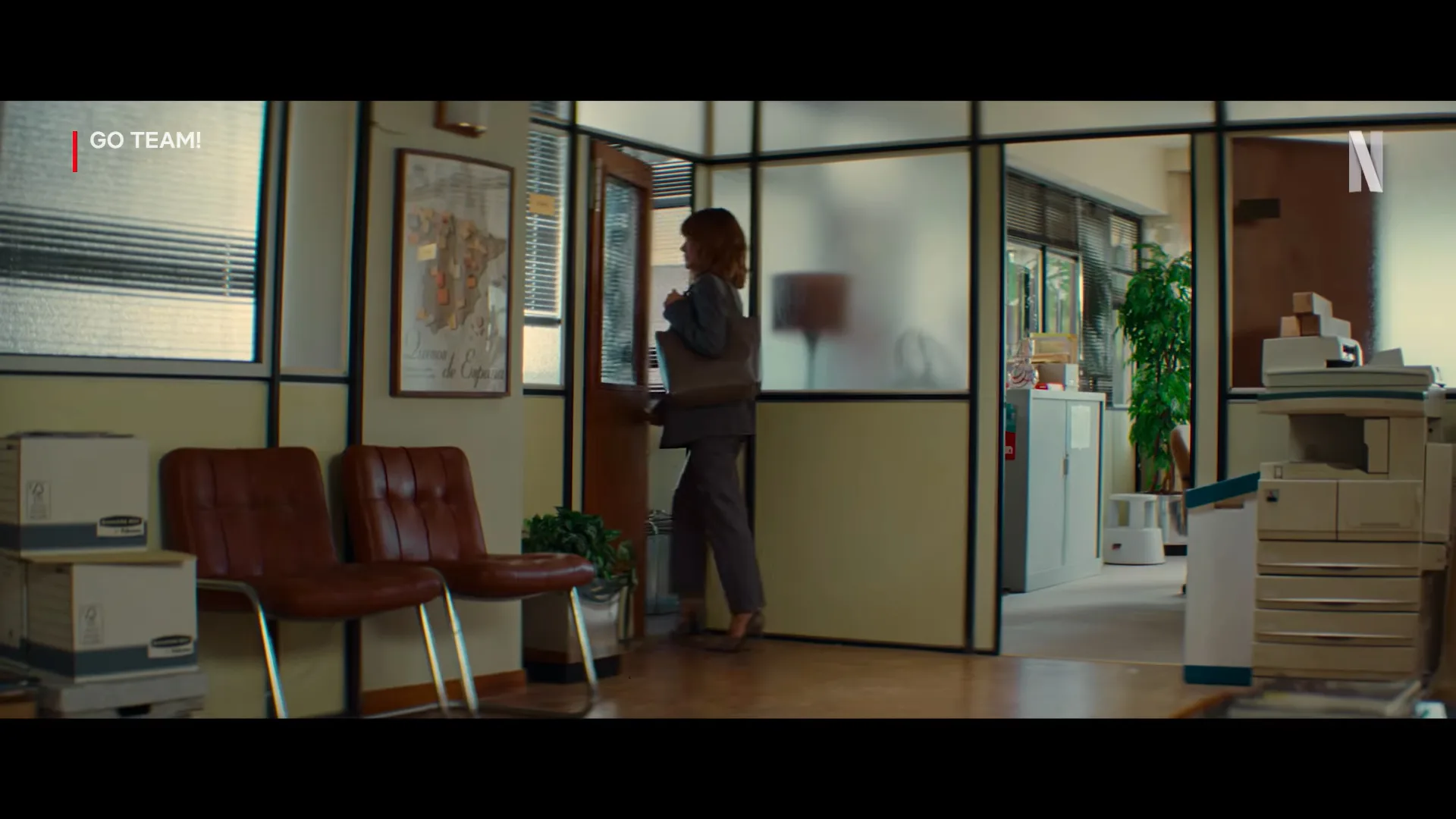
Tío Mochales is a fictional company created for the movie. Contemporary coverage explicitly describes it as the fictional cheese business at the center of Go Team!, while Netflix’s own material treats the company as part of the movie’s invented story rather than an existing Spanish brand. Within the film, Tío Mochales was once the undisputed leader of the Spanish cheese market but has declined badly enough that management is now trying to preserve appearances while preparing major changes. The rural retreat is sold as a return to the company’s traditional roots even though the real purpose becomes tied to the coming restructuring.
The name is also part of the film’s comic tone. Tío Mochales sounds like the kind of old-fashioned family food brand that could plausibly have existed for generations, complete with a founder whose image remains attached to the company long after the business has changed. Zeta Studios even promoted the movie by welcoming audiences to Tío Mochales as though it were a real corporate world. That faux authenticity helps the satire because the company feels familiar without directly representing a real cheese manufacturer.
Why Does the Story Feel So Real?
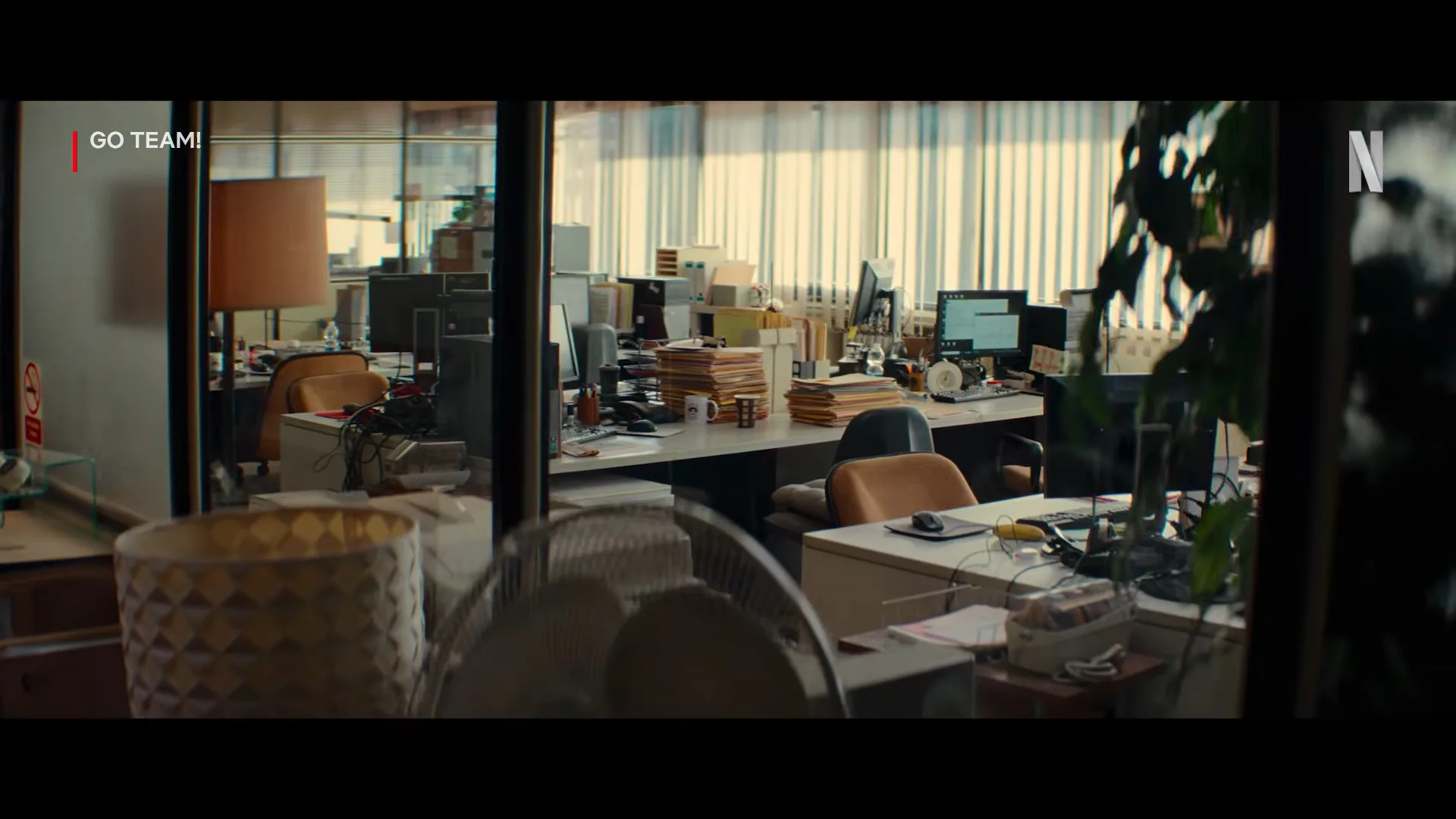
The cast has repeatedly connected the film’s absurd behavior with genuine workplace pressures. Alexandra Jiménez, who plays Olga, told LOS40 that people can react in surprising ways when their circumstances become extreme and their jobs are at risk, while Raúl Tejón compared the situation to discovering what people are really like during a divorce or inheritance dispute. Pedro Casablanc pointed out another theme behind the movie: managers gain power partly when workers are encouraged to turn against one another instead of looking upward at the system creating the competition. Those comments make clear that the satire is supposed to feel recognizable even if the characters and company are fictional.
The same applies to the film’s ridiculous team-building exercises. The employees are made to cycle, kayak, chase cheese and participate in activities that are supposedly designed to create unity, yet the threat of layoffs turns every challenge into another method of ranking people. The contradiction is the joke: management talks about becoming a family while simultaneously forcing coworkers to prove why someone else deserves to lose a job. The situations are heightened for comedy, but the underlying corporate logic is intentionally familiar.
Olga’s Maternity Story Draws From a Real Workplace Problem
Olga’s return from maternity leave gives the film one of its most grounded storylines. She comes back worried that the company has learned to function without her, while her temporary replacement has become popular and successfully closed an important business deal. The fear that motherhood has weakened her professional position drives some of Olga’s insecurity during the retreat. Netflix’s subtitle material shows how quickly coworkers welcome her back while simultaneously praising the man who replaced her, establishing the pressure almost immediately.
Alexandra Jiménez has spoken directly about the real issue behind that storyline. In an interview about the film, she argued that returning parents often face systems that do not properly accommodate the combination of work and family, forcing people to hide the practical difficulties of childcare so they are not professionally penalized. Vogue’s cast interview similarly highlights Olga’s fear that maternity leave has made her easier to sideline. The specific events are fictional, but the anxiety the film gives Olga is clearly rooted in a broader real-world problem.
Related: Go Team! Ending Explained: Who Gets Fired and What Happens to Tío Mochales?
Is the Team-Building Retreat Based on a Real Event?
There is no evidence that the retreat itself recreates one documented corporate event. The filmmakers instead take recognizable team-building language and push it into increasingly absurd territory, using the retreat as a controlled environment where everyone’s professional insecurities can collide. Netflix’s synopsis openly describes the movie as a dark comedy about workers who have had enough of modern team-building trends. The cast has also joked about how humiliating and pointless some of the activities become once adults are forced to perform them while worrying about their jobs.
That is why Go Team! works without needing a real Tío Mochales. The company, retreat and specific employees are fictional, but the emotions driving them are recognizable: fear of redundancy, resentment toward replacements, pressure to appear enthusiastic and the suspicion that corporate language can hide decisions already made somewhere above them. The film exaggerates those anxieties until people are literally racing one another for survival. Its story is invented, but the workplace it mocks is intentionally much harder to dismiss as fantasy.