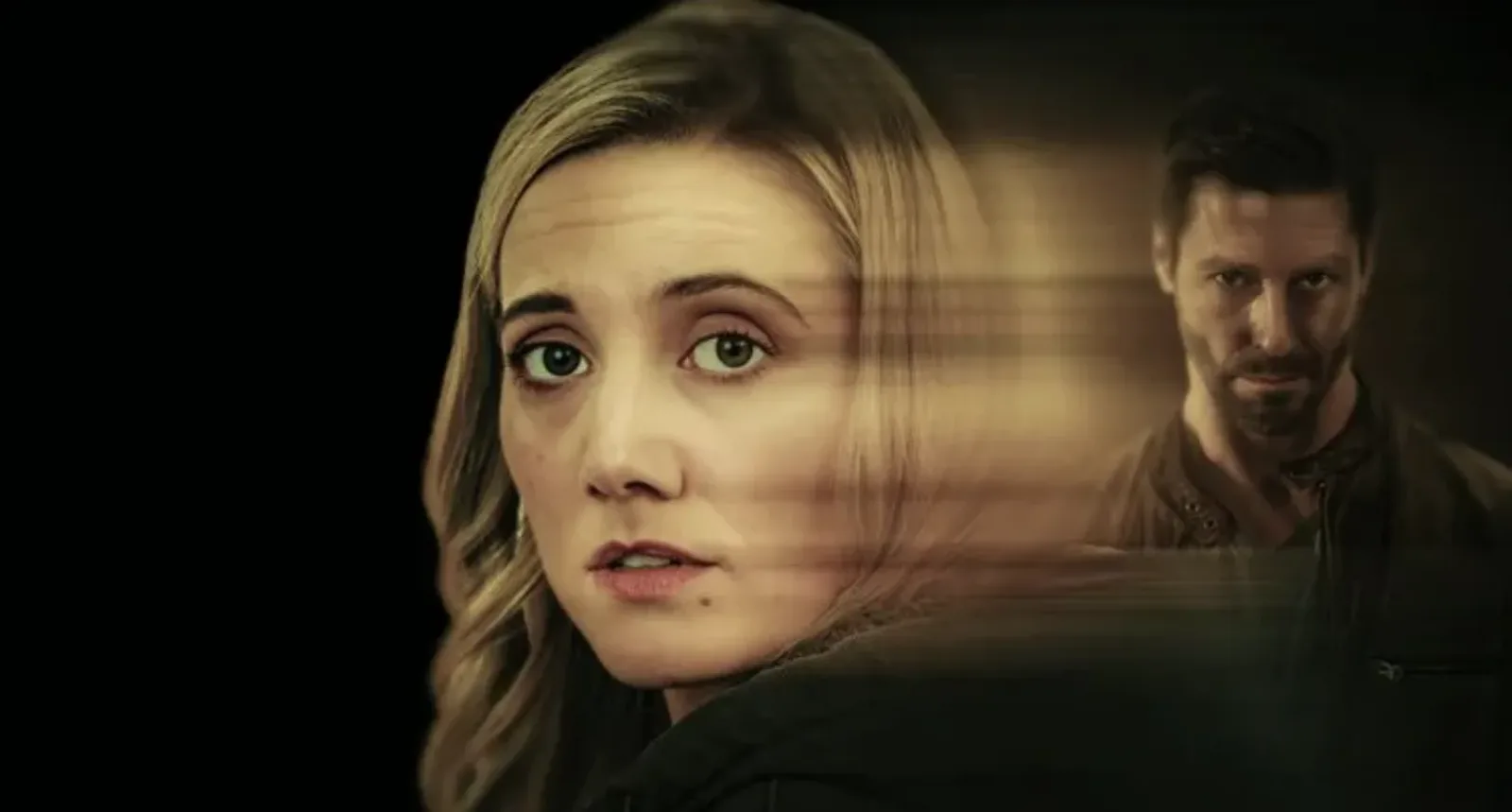
Is Facing El Chapo Based on a True Story? What Really Happened in 2016
The premise of Facing El Chapo sounds almost too convenient for a thriller: two officers nearing the end of an ordinary shift stop a stolen car and unexpectedly find one of the most wanted men in the world inside. But the central event really happened. Facing El Chapo is based on the real January 8,…
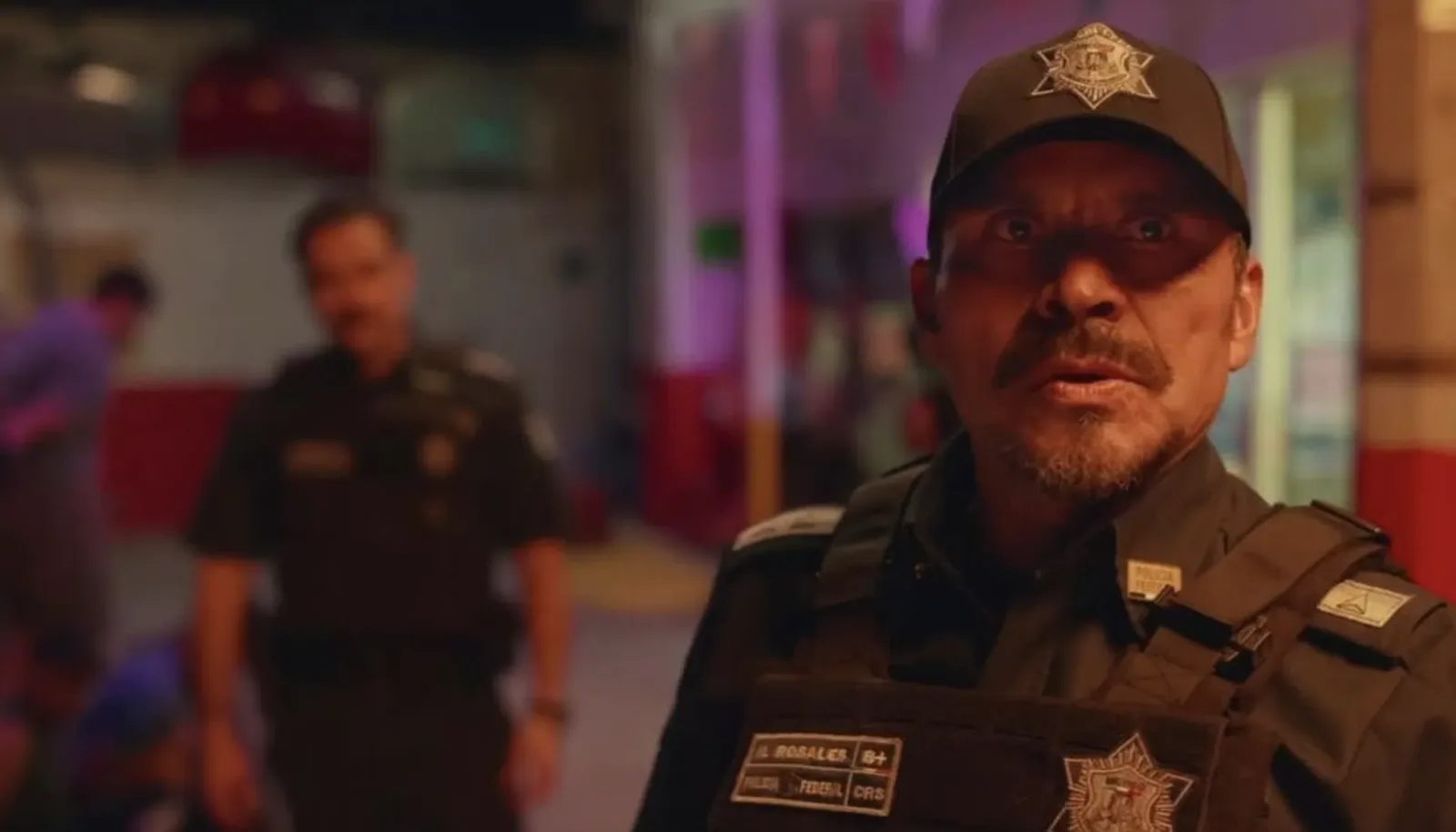
The premise of Facing El Chapo sounds almost too convenient for a thriller: two officers nearing the end of an ordinary shift stop a stolen car and unexpectedly find one of the most wanted men in the world inside. But the central event really happened.
Facing El Chapo is based on the real January 8, 2016 recapture of Joaquin “El Chapo” Guzman in Los Mochis, Sinaloa. Real federal police officers intercepted Guzman and his associate after they escaped a Mexican Navy operation, took them into custody and temporarily hid them at a motel while waiting for reinforcements.
The movie changes names, builds fictionalized personal lives and dramatizes conversations, but director Chava Cartas has been unusually clear that three major pieces of the story come directly from history.
Spoiler Alert
The Real Operation That Led to El Chapo’s Capture
The story begins months before the movie’s central traffic stop.
Guzman escaped Mexico’s Altiplano prison in July 2015 using an elaborate tunnel built beneath his cell. His disappearance triggered another massive search. By early January 2016, authorities had tracked him to Los Mochis.
On January 8, Mexican Marines launched an operation against the property where Guzman was believed to be hiding. The raid became a violent confrontation, but once again Guzman found another way out.
He escaped through tunnels and entered the drainage system with Jorge Ivan Gastelum, better known as “El Cholo Ivan.”
They eventually emerged into the city dirty and wet and attempted to continue their escape by stealing vehicles. That is where the unlikely part of the story begins.
Did Two Police Officers Really Catch El Chapo by Accident?
Essentially, yes. Guzman and El Cholo stole vehicles while fleeing. One of the stolen cars was a red Ford Focus, and information about the theft reached law enforcement. Two federal officers encountered the vehicle while patrolling the area.
They were not the men who had spent months secretly tracking Guzman. They were responding to the immediate information in front of them.
When they stopped the vehicle, they realized the people inside were far more important than ordinary car thieves. That extraordinary encounter is the backbone of Facing El Chapo.
The film calls the officers Arturo Carmona and Hector Rosales, played by Alfonso Herrera and Noe Hernandez. However, those should not be treated as the publicly confirmed identities of the real officers.
Their actual names have remained protected for security reasons. El Financiero reports that Carmona and Rosales are the names used by the Netflix drama to represent the anonymous officers.
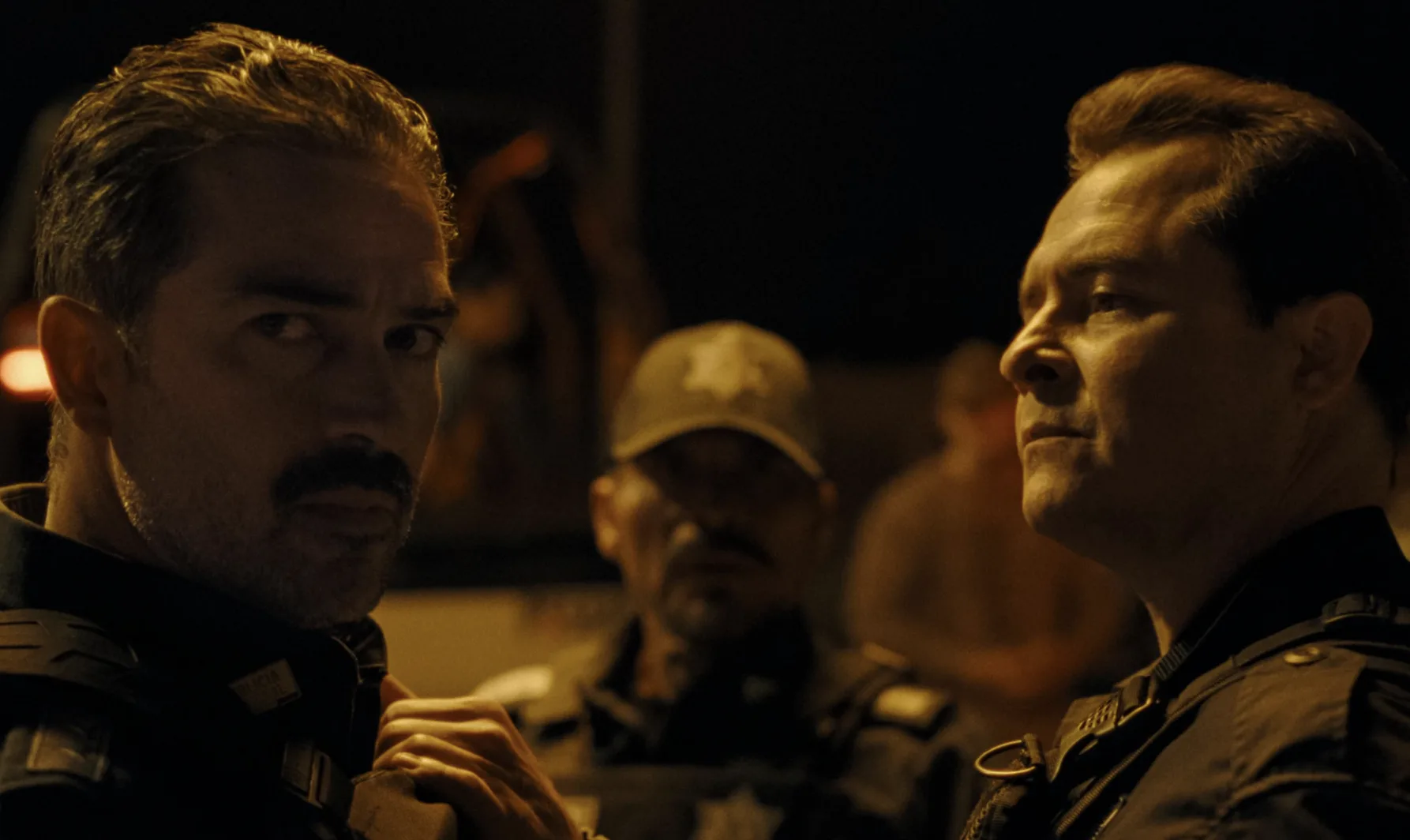
Are Arturo Carmona and Hector Rosales Real People?
They are fictionalized versions of real officers, rather than characters whose complete names and personal histories can be independently verified. That distinction is important.
Screenwriter Bernardo Esquinca explained that the filmmakers never met the real officers because the men remain hidden for security reasons. According to EFE’s interview with the filmmakers, the real officers exist, but much of what viewers see about their private personalities had to be constructed dramatically because little public information is available about them. So the arrest is real. The officers are real. The exact Carmona and Rosales character biographies are not necessarily literal history.
That includes elements such as their family relationships, conversations, distrust of one another and some of the emotional conflicts surrounding the arrest.
Did They Really Take El Chapo to a Motel?
Yes, and this is perhaps the detail viewers will be most surprised to learn is true. fter capturing Guzman, the officers could not simply remain on the highway indefinitely.
Nicolas Gonzalez Perrin, then a senior federal police official in Sinaloa, later said the first instruction was to move Guzman toward a military battalion. Reports then emerged that armed convoys were moving with the intention of rescuing him. Authorities instead directed the officers toward a safer location.
That location was Hotel & Suites Doux, a roadside motel outside Los Mochis. Guzman was held there while additional forces organized the secure handover.
Photographs taken during that period show him sitting handcuffed on a motel bed, covered in dirt from his escape through the drainage system. The scene might look like an absurd invention designed to give the film a claustrophobic final act. It isn’t.
Related: Facing El Chapo Filming Locations
Did El Chapo Really Try to Bribe the Officers?
Accounts of the arrest say he did. A later Federal Police recollection attributed to an officer identified for security purposes as “Tiburon” described Guzman offering enormous wealth in exchange for being allowed to leave. The account included offers of businesses and a figure as high as $50 million.
Other modern reporting surrounding the film has cited different amounts. Alfonso Herrera, while discussing the movie, referred to his character facing an offer of 15 million pesos.
Because those figures differ, it would be misleading to claim every amount heard in the movie is a perfectly documented transcript of the real conversation.
The broader event, however, is well established: Guzman attempted to bargain for his freedom, and the officers did not release him.
How Much of Facing El Chapo Is Fictional?
Cartas himself provides the best framework. He has said that Facing El Chapo is not a documentary. The goal was to preserve the essential real events while using fiction to turn limited historical information into a feature-length thriller.
He identified three pillars that the film was determined to retain: the Navy’s Operation Black Swan, the police encounter with Guzman, and the transfer to the hotel while officers waited for authorities. Around those events, the screenplay has more freedom.
The relationship between the two officers is dramatized. Private discussions are reconstructed. Their personalities and domestic lives help give the audience emotional stakes that historical records cannot fully provide.
This is why the best description is “inspired by true events,” which is also how Netflix officially markets the movie.
The Movie Is Based on Two Journalistic Accounts
Another reason Facing El Chapo has a stronger factual foundation than a completely invented cartel thriller is its source material.
The film draws from reporting by Mexican journalist Hector de Mauleon, particularly two 2016 chronicles published by El Universal: “Como atrapamos al Chapo” and “Veinte minutos a solas con El Chapo.”
Those pieces shifted attention away from Guzman’s mythology and toward the officers who suddenly found themselves responsible for keeping him detained. Cartas carries the same idea into the film.
Rather than telling viewers how El Chapo built the Sinaloa Cartel or revisiting his entire criminal career, the movie asks a much smaller and more uncomfortable question: what would an ordinary person do if an extraordinarily powerful criminal offered enough money to change his life and enough danger to end it?
The real officers answered that question on January 8, 2016. They kept him in custody.
Related: Facing El Chapo Ending Explained: What Happens to El Chapo and the Two Officers?
What Happened to El Chapo After the Real Capture?
The arrest portrayed in Facing El Chapo became Guzman’s final recapture. He was later extradited to the United States in January 2017 to face federal charges.
For the two officers, however, public information is deliberately scarce. Their identities were protected, and even the filmmakers were unable to interview them directly.
That makes the premise of Facing El Chapo both factual and partially unknowable. We know the astonishing thing they did. The movie imagines what it may have felt like to do it.