Is Emilia Sauri a Real Person? Is Netflix’s Lovesick Based on a True Story?
Netflix’s Lovesick places Emilia Sauri in such a carefully recreated version of revolutionary-era Mexico that it is easy to assume she was a forgotten pioneering doctor. Emilia Sauri, however, was not a real person, and Lovesick is not based on her biography. She is the fictional protagonist of Ángeles Mastretta’s novel Mal de amores, which…
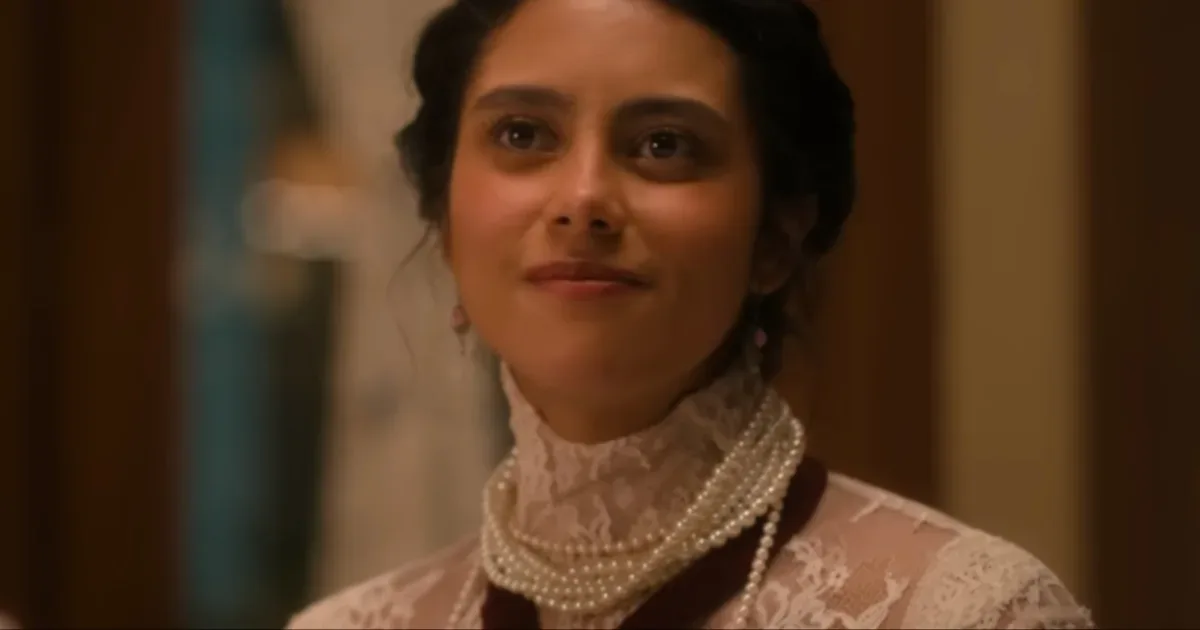
Netflix’s Lovesick places Emilia Sauri in such a carefully recreated version of revolutionary-era Mexico that it is easy to assume she was a forgotten pioneering doctor. Emilia Sauri, however, was not a real person, and Lovesick is not based on her biography. She is the fictional protagonist of Ángeles Mastretta’s novel Mal de amores, which the Netflix series adapts.
There is a fascinating real connection behind her name, though. Mastretta has revealed that one of her great-grandmothers was named Deifilia Sauri, and she borrowed the Sauri surname when creating Emilia. The character’s medical career, relationship with Daniel Cuenca and complicated life with Antonio Zavalza were invented for the novel rather than taken from Deifilia’s history.
Emilia Sauri Was Created by Ángeles Mastretta
Emilia was conceived as a fictional woman through whom Mastretta could examine freedom, profession and romantic desire at a time when women were given little space to determine the direction of their own lives.
Mastretta has been unusually clear about that origin. Shortly before the Netflix adaptation premiered, she wrote that she had taken the surname Sauri from her great-grandmother Deifilia but imagined Emilia herself, including her passions, contradictions and appetite for life.
Also Read: Is The Last Sunrise Based on a True Story? The Real Inspiration Behind Ry’s Illness
That distinction matters. Deifilia provided a family name, not a hidden biography that Netflix has dramatized.
Mastretta has also explained in earlier interviews that she began Mal de amores wanting to invent a woman capable of loving two very different men at the same time. Emilia grew from that question, with medicine eventually becoming just as important to her identity as Daniel or Zavalza.
Is Emilia Based on Mexico’s First Female Doctor?
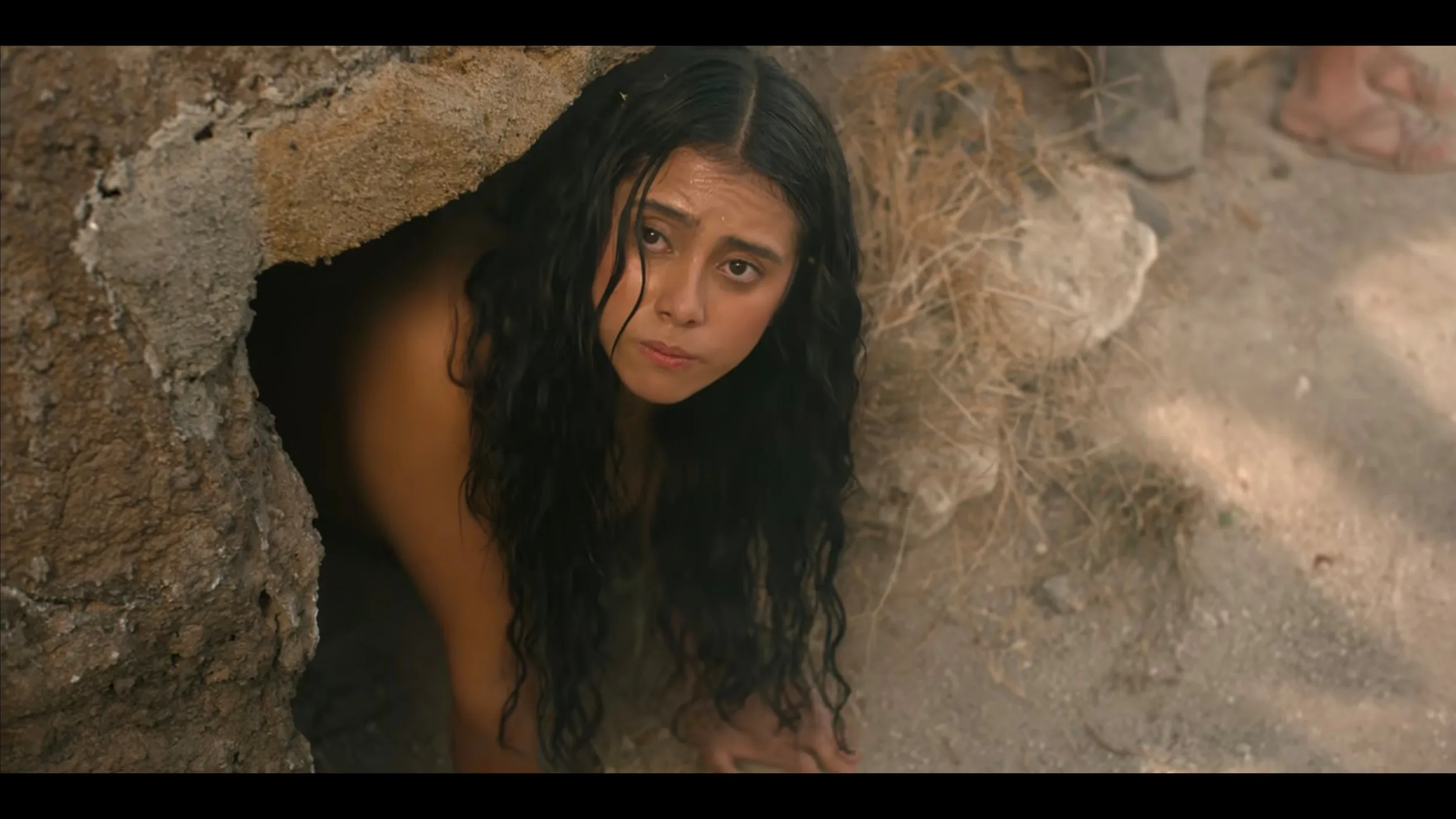
There is no reliable evidence that Emilia Sauri was directly based on Matilde Montoya, even though the similarities understandably invite that theory.
Montoya was very real. She became the first Mexican woman officially recognized as a physician after completing her professional examination in 1887. Her path into medicine was met with resistance precisely because a woman pursuing medical education challenged the social expectations of the period.
That history helps explain why Emilia’s struggle feels credible, but the timelines are different. Emilia belongs to the generation that comes afterward. Lovesick opens around 1910, when Mexico already had a precedent for women entering medicine, even though female doctors remained unusual and sexism had certainly not disappeared.
The safer conclusion is that Emilia exists within the history Montoya helped make possible rather than serving as a fictionalized version of Montoya herself.
What Parts of Lovesick Are Historically Real?
Although Emilia’s personal story is fiction, the world surrounding her is rooted in real Mexican history.
The series begins as Mexico moves toward the revolution that erupted in 1910 after decades of rule under Porfirio Díaz. Political upheaval and arguments about what a new Mexico should become repeatedly shape the characters’ private lives.
Daniel Cuenca’s revolutionary commitment therefore represents a genuine political reality of the period, even though Daniel himself is fictional. His inability to separate his relationship with Emilia from the larger struggle also gives the love triangle a historical dimension.
Emilia’s medical ambition has similar grounding. Women such as Matilde Montoya had already demonstrated that becoming a doctor was possible, but their experiences also documented the institutional and social hostility faced by women entering professions traditionally reserved for men.
Lovesick combines those real pressures with invented characters rather than recreating one documented family’s history.
Did Mastretta Use Her Own Family in Mal de amores?
Elements of Mastretta’s family history found their way into the fictional world, but Mal de amores is not an autobiography.
The Sauri surname is the clearest example. Mastretta has also spoken about the way relatives, memories and family environments became mixed with characters she invented. Her daughter, Catalina Aguilar Mastretta, who adapted and directed the Netflix series, has similarly described the book as containing recognizable family textures without being a literal account of their relatives.
There is another revealing detail in how Mastretta imagined Emilia. She once explained that Emilia was born in the same year as her own grandmother, but she deliberately created her as a very different kind of woman. In effect, Emilia allowed Mastretta to imagine what another woman’s life might have looked like if she had possessed extraordinary freedom, determination and unconventional parents during that period. That makes the character personally informed without making her biographical.
Why the True History Behind Emilia Still Matters
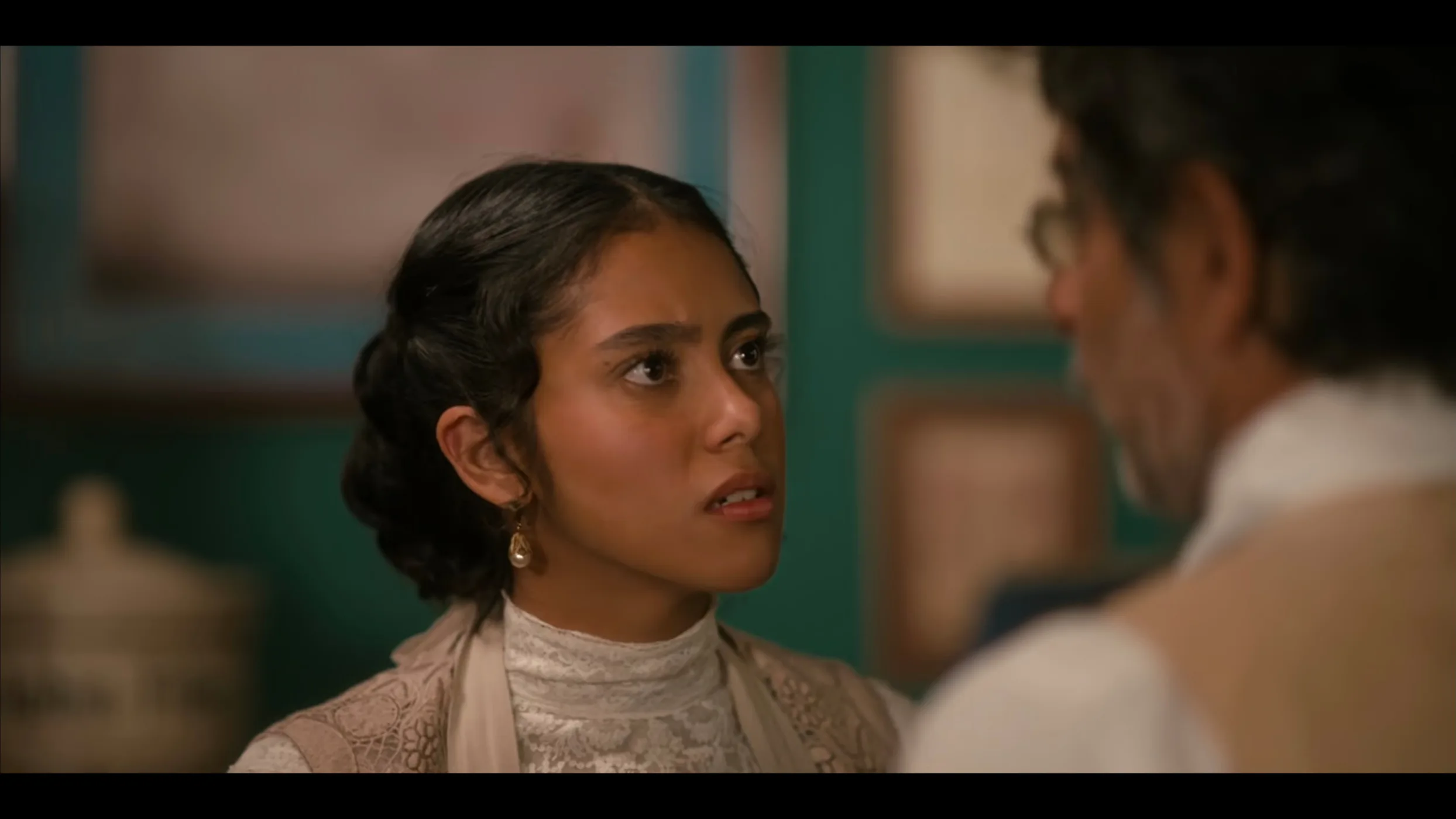
Knowing Emilia is fictional does not make the historical side of Lovesick less significant. In some ways, it explains why Mastretta had so much freedom to place her heroine at the intersection of several transformations occurring in Mexico.
Emilia does not need to represent Matilde Montoya or any other specific doctor. She represents a possibility created by women who had already challenged the limits placed on education and professional life.
Her love story works the same way. Daniel represents movement, political urgency and instability, while Zavalza offers companionship and a life connected to Emilia’s profession. Her real challenge is not simply deciding which man she loves more. It is refusing the assumption that loving either of them should require abandoning the life she wants for herself.
So, Emilia Sauri never existed as a historical doctor. The surname has a genuine connection to Ángeles Mastretta’s family, and Emilia moves through an authentic historical landscape, but the woman at the center of Lovesick remains one of Mastretta’s most memorable fictional creations.