Is Artillery in The Drop A Snowfall Saga Based on a Real Rapper? Buddy’s Character Explained
Artillery enters ‘The Drop: A Snowfall Saga’ with enough familiar details to make him feel like somebody viewers should recognize. He is an emerging Los Angeles rapper in 1990, his music openly confronts police violence, and the attention surrounding his songs makes him dangerous to people with power. Yet Artillery does not appear to be…
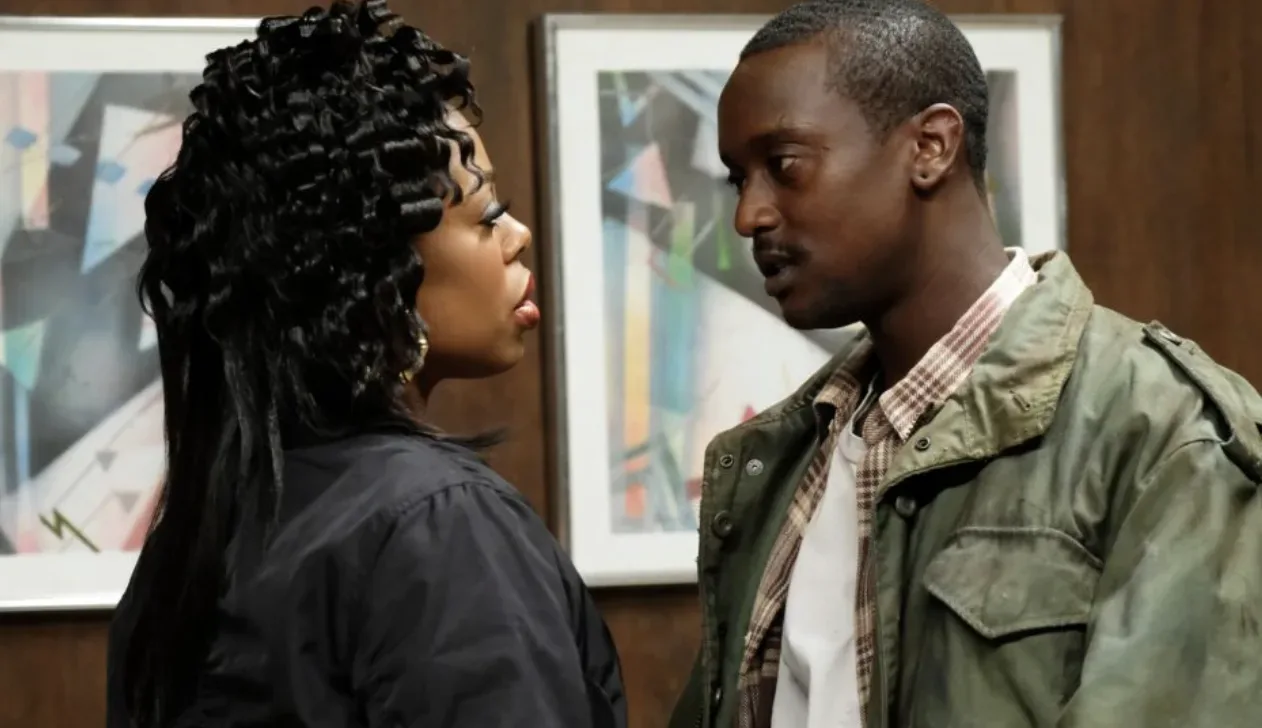
Artillery enters ‘The Drop: A Snowfall Saga’ with enough familiar details to make him feel like somebody viewers should recognize. He is an emerging Los Angeles rapper in 1990, his music openly confronts police violence, and the attention surrounding his songs makes him dangerous to people with power. Yet Artillery does not appear to be a fictionalized version of one specific real rapper. Neither FX nor creator Malcolm Spellman has identified a single musician as the character’s basis, and Simmie “Buddy” Sims III, who plays Artillery, has discussed him as a fictional artist. What makes the character unusually convincing is that Buddy is a working rapper from Compton whose own experiences in the music business were brought into the performance.
Artillery Is a Fictional Rapper, Not a Direct Biographical Character
The clearest indication comes from Buddy himself. During an Essence Fest conversation about ‘The Drop,’ the interviewer described Artillery as a “fictional version of an artist,” and Buddy did not correct that characterization. Instead, he spoke about connecting with Artillery because the character is trying to make music that reflects what he experiences in his city. His response points toward a fictional character built to feel historically authentic rather than a renamed portrayal of Ice Cube, Eazy-E, Tupac Shakur, or another recognizable West Coast star.
FX’s own description follows the same approach. Artillery is presented simply as a volatile local rapper whose art is inseparable from the violence around him and whose honesty makes him both compelling and unpredictable. There is no official biography connecting him to a historical musician, even though ‘The Drop’ deliberately places fictional characters inside a very real period in Los Angeles music history. That distinction matters because the series appears more interested in recreating the forces that produced West Coast rap than in retelling one rapper’s career under another name.
Related: The Drop: A Snowfall Saga Episode 1 Recap: Wanda Bets on a Different Kind of Hustle
Why Artillery Naturally Brings N.W.A. and Ice Cube to Mind
Episode 1 nevertheless gives viewers good reason to think about N.W.A. Artillery’s controversial record addresses the killing of his friend by police, and his willingness to challenge law enforcement places him directly inside one of the defining conflicts surrounding Los Angeles rap at the end of the 1980s. N.W.A.’s ‘Straight Outta Compton’ had already turned that confrontation into national news before the period depicted in ‘The Drop.’ In August 1989, the FBI even sent Priority Records a letter criticizing the group’s anti-police material, particularly the controversy surrounding “Fuck tha Police.”
By 1990, that argument about whether rappers were documenting police aggression or encouraging violence had become part of the culture surrounding West Coast hip-hop. Ice Cube was beginning his solo career that same year with music dealing openly with racism, poverty, crime and police relations. Artillery therefore occupies a historical space that audiences may associate with Cube and N.W.A., but sharing those themes does not make him a fictional Ice Cube. The attack on Artillery, his family’s attempt to circulate a false report of his death, and Wanda’s effort to reach him are story elements that ‘The Drop’ uses for its own drama rather than known recreations of N.W.A.’s history.
Buddy’s Real Rap Career Is Part of Why Artillery Feels Authentic
The more direct real-life connection is actually the actor playing him. Simmie Sims III performs professionally as Buddy and grew up in Compton, the same larger Los Angeles environment whose music history ‘The Drop’ is exploring. He began pursuing music when he was young and signed with Pharrell Williams’ Star Trak Entertainment as a teenager. His career later put him alongside major artists including Kendrick Lamar, Chance the Rapper and the late Nipsey Hussle.
Buddy has also been unusually open about the less glamorous parts of that career. While discussing ‘The Drop,’ he spoke about artists signing away intellectual property, record-label budgets turning into debts and the complicated financial machinery that fans rarely see. He said those experiences helped him bring Artillery to life, which is more meaningful than saying the character is “based on Buddy.” The fictional rapper has a different life and belongs to a different era, but Buddy understands firsthand what it means for artistic ambition to collide with a business that does not necessarily place the artist first.
That casting decision also fits the series’ larger attempt to keep its fictional music world connected to real Los Angeles hip-hop. ‘The Drop’ uses people with genuine ties to the culture, including Buddy himself, while telling a story populated mainly by invented characters. Malcolm Spellman previously executive produced FX’s ‘Hip Hop Uncovered,’ which examined the relationships between artists, street figures and power brokers behind the music industry. Artillery feels believable partly because the series is drawing from that broader history instead of building its version of 1990 Los Angeles entirely from familiar celebrity biographies.
Artillery Represents an Era More Than One Rapper
The strongest reading, at least after Episode 1, is that Artillery represents a type of artist emerging from Los Angeles at the time rather than one historical individual. His lyrics turn events in his neighborhood into music, his growing visibility attracts both record-industry interest and hostility, and his street affiliations cannot simply be separated from his career once money becomes involved. Those ingredients belonged to a much larger story surrounding the rise of West Coast rap. Even before N.W.A became famous, Los Angeles artists were recording songs about aggressive policing and conditions in Black neighborhoods, meaning Artillery’s political anger has deeper roots than any single superstar.
That also makes him more useful to ‘The Drop.’ If Artillery were secretly meant to be Ice Cube or another real rapper, viewers would spend the series measuring every event against a known biography. As a fictional artist, he can instead absorb recognizable pieces of the era while Wanda, Lamar and the record business around him develop along unpredictable paths. Buddy’s presence supplies the authenticity without requiring the writers to pretend they are making a biopic.
For now, then, Artillery is not confirmed to be based on any one real rapper. There are obvious echoes of the confrontational music and police tensions surrounding N.W.A., Ice Cube and other Los Angeles artists of the period, but those parallels describe the world Artillery inhabits rather than prove his identity. The real-life influence that can be established most confidently comes from Buddy, whose Compton upbringing and years inside the music industry inform the man we see on screen. That combination allows Artillery to feel like someone who might genuinely have existed in 1990 without turning him into a thinly disguised copy of someone who did.