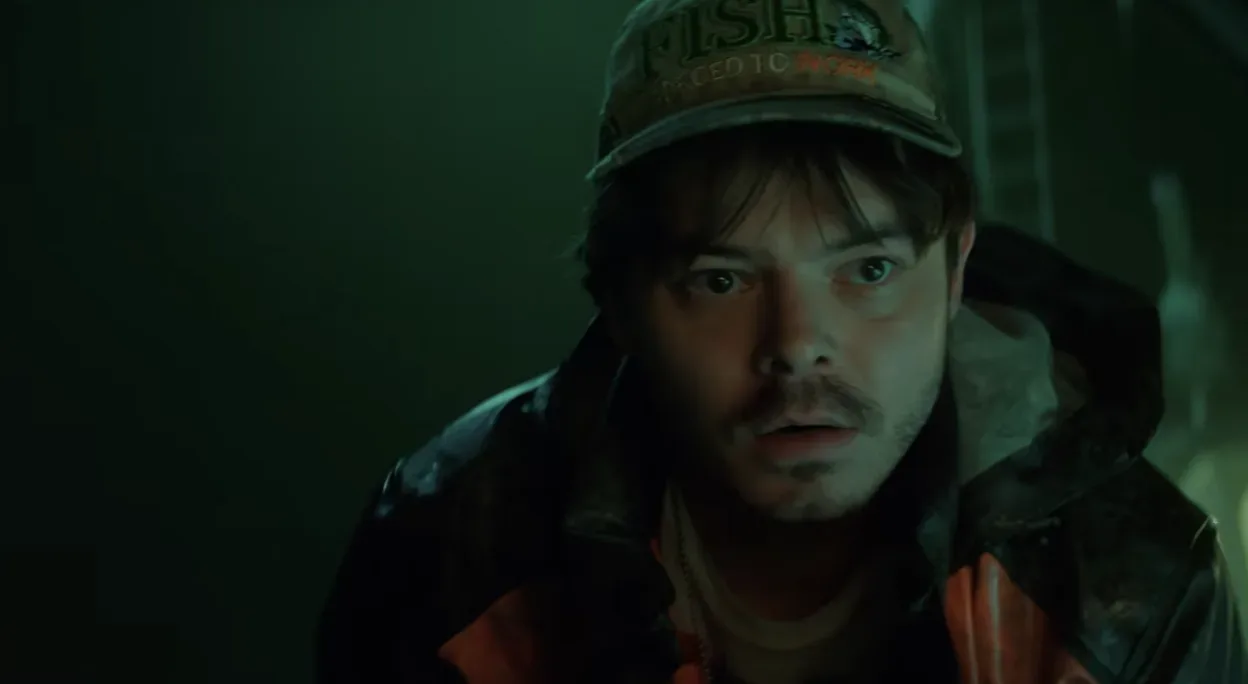
Is A Killer Story Based on a True Story? The Dana Chandler Case Explained
HBO’s A Killer Story arrives with the kind of murder case that seems almost designed for a true crime series. A couple is found shot to death in their bedroom, the prime suspect lives hundreds of miles away, there is no DNA or murder weapon tying her to the scene, and the legal battle eventually…
HBO’s A Killer Story arrives with the kind of murder case that seems almost designed for a true crime series. A couple is found shot to death in their bedroom, the prime suspect lives hundreds of miles away, there is no DNA or murder weapon tying her to the scene, and the legal battle eventually stretches across three trials. Yet none of that was created for television. A Killer Story examines the real murders of Mike Sisco and Karen Harkness in Topeka, Kansas, and the prosecution of Sisco’s former wife, Dana Chandler. Chandler has consistently maintained her innocence, even after a jury convicted her again in 2025.
Also Read: Is Vigil Season 3 Based on a True Story? The Real Svalbard Conflict Explained
What Happened to Mike Sisco and Karen Harkness?
Mike Sisco and Karen Harkness were found dead inside Harkness’ Topeka home on July 7, 2002. According to the Kansas Supreme Court’s later review of the case, both had been shot at least five times and were in bed when the attack began. The crime did not resemble a robbery because valuable jewelry, cash, wallets and other belongings remained inside the house. Investigators therefore began looking closely at the couple’s personal relationships and eventually focused heavily on Sisco’s former wife, Dana Chandler.
Chandler and Sisco had gone through an acrimonious divorce, and prosecutors later portrayed her behavior toward Sisco and Harkness as increasingly obsessive. Phone records, witness accounts and Chandler’s statements about her whereabouts became important because investigators did not have forensic evidence placing her inside the house. Chandler said she was in Colorado around the time of the killings, and records did establish her presence there both before and after the murder window. The prosecution’s theory was that she nevertheless had enough time to drive to Kansas, kill the couple and return to Colorado.
Why Did Investigators Suspect Dana Chandler?
The case against Chandler was largely circumstantial rather than forensic. Prosecutors relied on what they described as her fixation on Sisco and Harkness, inconsistencies in the accounts she gave investigators, travel and fuel records, telephone activity and statements she made after her arrest. No DNA, fingerprint or hair evidence placed Chandler inside Harkness’ home, and authorities never recovered a murder weapon that could conclusively connect her to the shootings. Those weaknesses have remained central to the debate over the case for more than two decades.
Chandler was not arrested immediately after the murders. Nearly nine years passed before authorities charged her in 2011, and her first trial followed in 2012. A jury found her guilty of two counts of premeditated first degree murder. The verdict appeared to resolve a case that had already attracted national true crime attention, but the legal problems surrounding that prosecution eventually became almost as significant as the evidence against Chandler herself.
Why Was Dana Chandler’s First Conviction Overturned?
The Kansas Supreme Court overturned Chandler’s convictions in 2018 because of serious prosecutorial misconduct. One of the most damaging issues involved prosecutor Jacqie Spradling telling jurors that Sisco had obtained a protection from abuse order against Chandler and that Chandler had violated it. No such court order existed. The court also identified other improper arguments, including claims about Chandler’s movements that went beyond what the evidence established.
That ruling did not declare Chandler innocent. The Kansas Supreme Court separately considered whether the evidence presented at the first trial was legally sufficient and concluded that a rational jury could still have found her guilty. That distinction allowed prosecutors to try Chandler again rather than ending the case permanently. Spradling’s conduct later resulted in professional consequences of its own, with the Kansas Supreme Court disbarring her in 2022 after finding a serious pattern of unethical conduct that included her handling of Chandler’s prosecution.
Dana Chandler Faced Three Murder Trials
Chandler’s second trial finally took place in 2022, four years after her original convictions were reversed. Prosecutors again argued that jealousy, obsession and Chandler’s unexplained movements gave her the motive and opportunity to kill Sisco and Harkness, while her defense emphasized the absence of physical evidence connecting her to the crime scene. After several days of deliberations, the jury could not reach a unanimous verdict and the judge declared a mistrial. Chandler was later released under monitoring while prosecutors prepared to take the case before another jury.
The third trial began in 2025 and produced a very different courtroom situation because Chandler represented herself. On March 7, a jury found her guilty again of both murders. Judge Cheryl Rios sentenced Chandler on June 3, 2025, to two consecutive life sentences, with no possibility of parole for 50 years. Chandler continued to maintain that she did not kill Sisco and Harkness.
Why Does A Killer Story Question the Case?
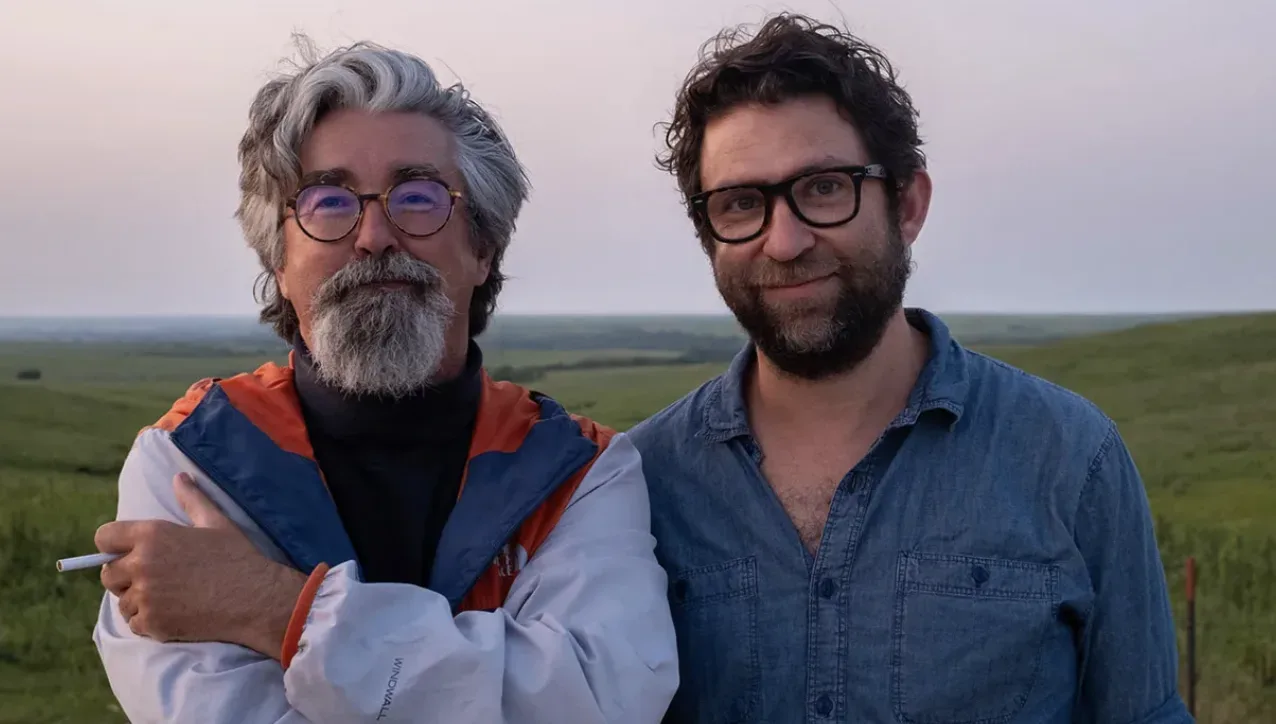
A Killer Story is not simply interested in reconstructing the murders. The HBO documentary also follows Eileen and Keen Umbehr, a Kansas couple who became convinced that Chandler had been wrongfully convicted and devoted years to examining the prosecution. Their involvement eventually drew journalist Joe Sexton into the case, giving the series another perspective on how true crime audiences, journalists and private citizens can influence the way an old murder case is understood.
That approach does not erase Chandler’s 2025 conviction. It instead places two realities beside each other. A jury has again found Dana Chandler guilty of murdering Mike Sisco and Karen Harkness, while the history of the case includes no direct forensic evidence placing her at the scene, a previous conviction destroyed by prosecutorial misconduct and a second jury that could not agree on a verdict. Those contradictions are precisely why the case has survived for more than two decades as something larger than a straightforward murder prosecution.
So A Killer Story is not merely inspired by a true case. It documents one. Mike Sisco and Karen Harkness were real victims, Dana Chandler has faced three real murder trials, and the failures surrounding her original prosecution were serious enough to overturn two murder convictions and contribute to a prosecutor’s eventual disbarment. Chandler is once again a convicted murderer, but the history behind that verdict explains why questions about the investigation and prosecution have never completely disappeared.