House of the Dragon Just Made Ulf’s Betrayal Much Bigger Than the Book
Ulf White enters the Battle of Tumbleton having already betrayed Rhaenyra, but by the time Silverwing finishes breathing fire over the city, Ulf no longer behaves like a loyal Green either. He attacks Rhaenyra’s soldiers as Ormund Hightower ordered, then turns his fury loose on Tumbleton itself, ultimately burning the section of the walls where…
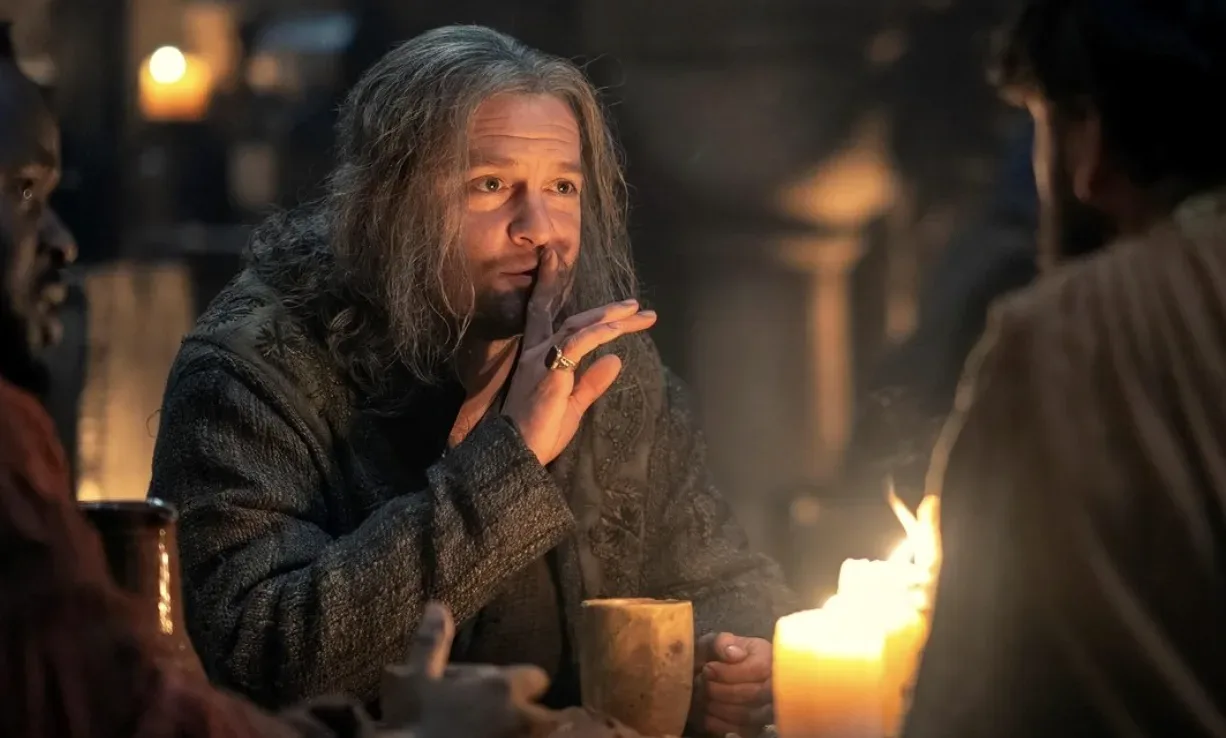
Ulf White enters the Battle of Tumbleton having already betrayed Rhaenyra, but by the time Silverwing finishes breathing fire over the city, Ulf no longer behaves like a loyal Green either. He attacks Rhaenyra’s soldiers as Ormund Hightower ordered, then turns his fury loose on Tumbleton itself, ultimately burning the section of the walls where Ormund and Roderick Dustin are fighting. The finale presents Ulf’s rampage less as another calculated change of allegiance than as the culmination of his resentment toward every noble who has treated him as disposable. Ryan Condal’s explanation supports that reading: Rhaenyra, Daemon, Ormund and the political system all helped create the disaster, even though Ulf remains responsible for choosing to unleash it.
That makes the television version of the betrayal more personal, and considerably messier, than simply saying Ulf switched from Team Black to Team Green.
Spoiler Alert
Ulf had already turned against Rhaenyra before Tumbleton
The first betrayal is straightforward: Ormund successfully exploits Ulf’s anger at Rhaenyra’s court.
Ulf never adjusts comfortably to becoming a dragonseed. Claiming Silverwing gives him extraordinary power, but it does not give him the social standing he imagined would follow. He wants the privileges of nobility while Rhaenyra and Daemon continue to treat him as somebody who should be grateful simply to serve.
By Episode 7, Ormund understands exactly how to exploit that resentment. He condemns Daemon’s treatment of Ulf, flatters him and promises him Driftmark and the title of Lord of the Tides if he changes sides. Contemporary coverage of Episode 7 identifies that conversation as the point that effectively seals Ulf’s decision.
The promise works because it offers what Ulf believes Rhaenyra denied him: respect backed by land and title.
So when Silverwing appears over the Black army during the finale, Ulf’s first attack is not mysterious. He has agreed to fight for Ormund. What happens afterward is the real twist.
Related: House of the Dragon Just Changed Aegon and Aemond’s Story for Season 4
Ormund repeats Daemon’s mistake almost immediately
Ormund wins Ulf’s loyalty and then behaves as though he never understood why Ulf changed sides in the first place.
On the morning of battle, Ulf is missing. Ormund eventually discovers him sleeping off his drinking and reacts by beating, humiliating and ordering him back onto Silverwing. NPR’s account of the battle notes that Ulf is visibly resentful after Ormund publicly degrades him and sends him out to burn the Blacks.
That treatment is disastrous because it destroys the distinction Ormund had created between himself and Ulf’s former masters.
Daemon struck Ulf and treated him like an expendable subordinate. Rhaenyra’s court denied him the status he felt entitled to. Ormund wins him by pretending to offer something different, then reveals that he also sees Ulf as a weapon to be pointed at an enemy.
Ulf’s conclusion does not need much subtlety: changing banners has changed very little. The lords keep giving orders. Ulf keeps being expected to risk his life. The difference is that Ulf now controls Silverwing.
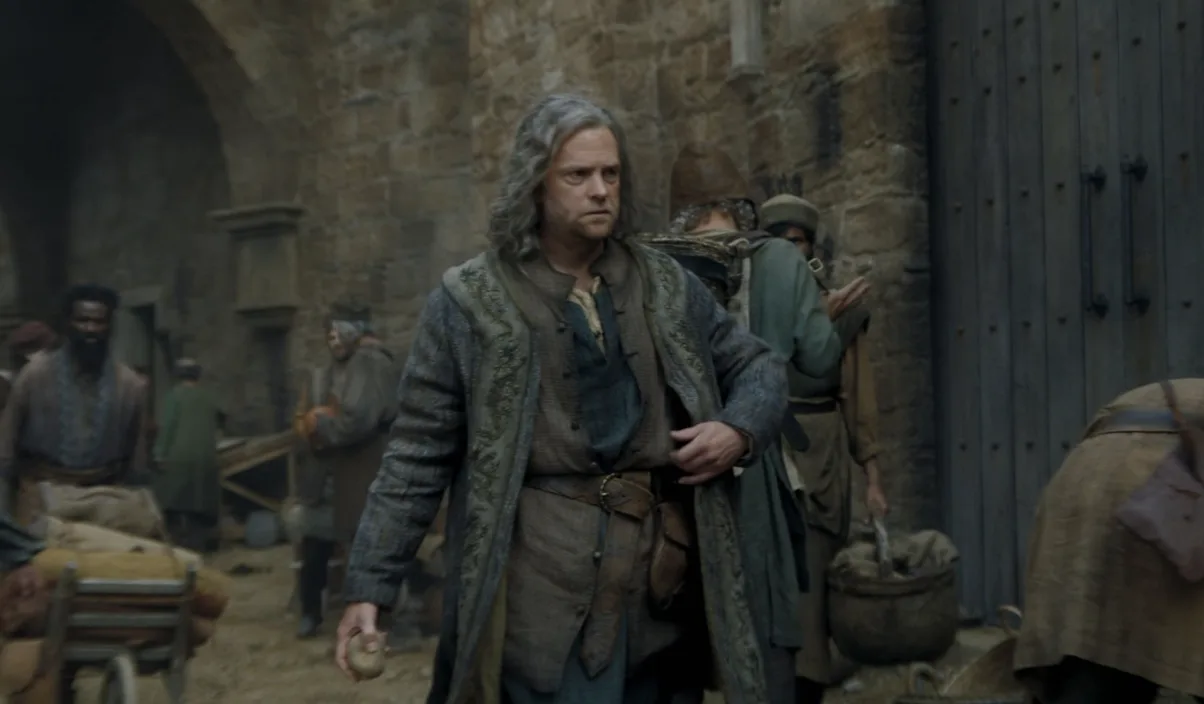
Silverwing gives Ulf power that no title can match
That imbalance is central to understanding the scene.
Ulf is socially insecure but militarily extraordinary. A few months earlier, he was an ordinary man drinking in taverns. Now he sits on a dragon capable of destroying hundreds of soldiers in seconds.
Condal describes the absurdity of that transformation very directly. In his post-finale interview, he characterizes Ulf as an ordinary man pulled into a Targaryen conflict he was not prepared for, placed on an enormously destructive weapon and promised rewards that never arrived.
The nobles continue behaving as though rank gives them control over him. Silverwing proves otherwise.
Once Ulf is airborne, neither Ormund’s title nor Daemon’s royal blood can physically compel him to obey. The war has given a resentful, impulsive man more destructive power than almost anybody trying to command him. Tumbleton is where he realizes just how little reason he has to accept their authority.
Why does Ulf attack both armies?
Because by the middle of the battle, Ulf appears to be fighting for himself rather than for either claimant.
He initially carries out the Green plan and burns Rhaenyra’s forces. The Blacks cheer when Silverwing first arrives because they still think Ulf is theirs, only to be incinerated when his true allegiance becomes clear.
Yet Ulf does not carefully protect Ormund’s side afterward. Silverwing sweeps across Tumbleton, and Ulf burns the section of wall where Ormund and Roderick Dustin are locked in combat. TVLine describes Ulf roasting everyone there after attacking the Black soldiers below, while Forbes similarly characterizes the later destruction as Ulf turning Silverwing back toward Tumbleton itself.
Calling this a second formal defection would go too far. Ulf does not kneel to a third ruler or announce a new cause. His behavior is more anarchic than that.
He has been ordered around, insulted, bribed and beaten by powerful people on both sides. With Silverwing beneath him, Ulf responds by exercising the one form of authority nobody can ignore. Fire. The finale makes Ulf responsible without making him the only culprit
Condal’s explanation is unusually useful because he refuses to reduce Ulf’s rampage to either victimhood or simple wickedness.
Ulf is not presented as secretly noble. Condal explicitly describes him as a man without particularly strong moral character. But he also argues that the disaster belongs partly to the people and institutions that placed enormous destructive power in Ulf’s hands while continually mistreating him.
Rhaenyra needed dragonriders, so she elevated people she barely understood. Daemon used intimidation. Ormund used flattery and promises before reverting to intimidation himself. The feudal system insists that birth determines who deserves respect even after a lowborn man has claimed one of the most dangerous creatures alive.
Ulf does not rise above that system. He exploits its contradiction.
That is why his rampage feels less like a surprising personality change than the consequence everyone around him somehow failed to anticipate.
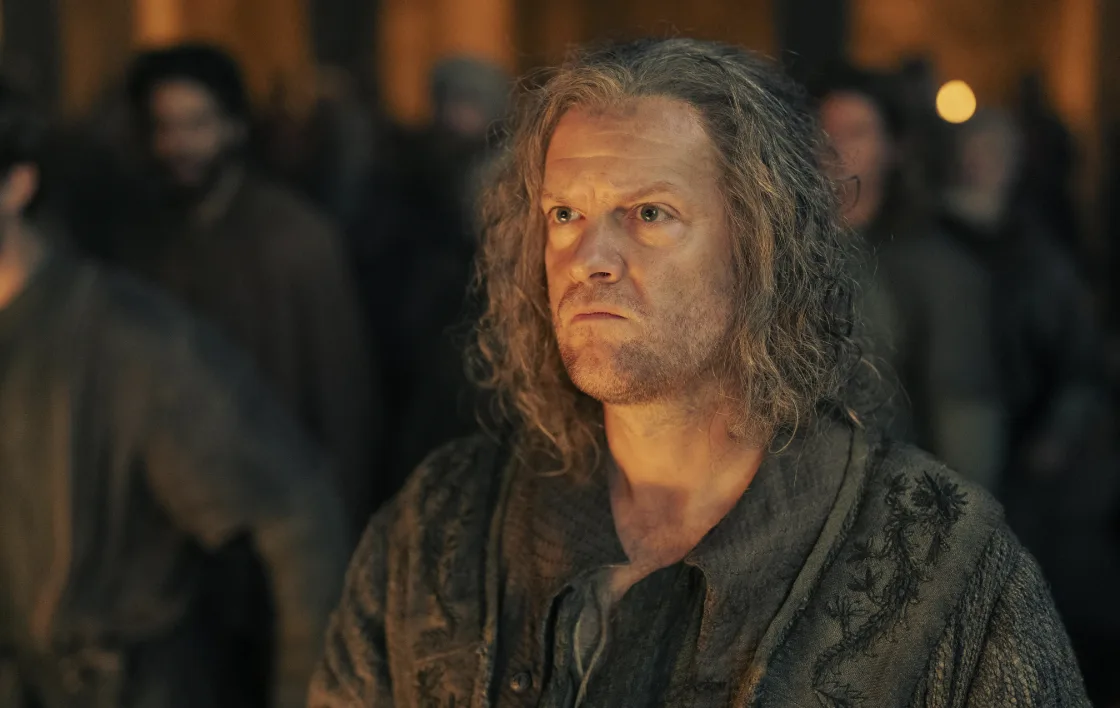
House of the Dragon changes the book betrayal in an important way
George R.R. Martin’s Fire & Blood handles Tumbleton differently.
In the source material, both Ulf White and Hugh Hammer betray Rhaenyra at the First Battle of Tumbleton. The history offers competing possibilities for why the dragonseeds changed sides, including rewards, opportunism and the belief that Aegon’s faction might prevail. The motives remain uncertain because Fire & Blood is deliberately written through conflicting historical accounts.
The HBO adaptation has made Ulf’s motive much more concrete while, so far, separating Hugh from his betrayal. Forbes notes that Hugh remains aligned with the Blacks during the battle and is devastated after discovering his wife Kat among the dead, while Ulf alone carries out the treason.
That change gives the television version something the book does not: a long character argument about what happens when rulers hand tremendous power to somebody while refusing to treat him as an equal.
Ulf wanted status. Rhaenyra did not give him enough. Ormund promised it, then treated him as badly as the people he had just betrayed.
By the end of Tumbleton, Ulf appears finished with accepting anyone’s promise. That does not excuse the people Silverwing burns. It explains why the flames stop distinguishing between Black and Green.