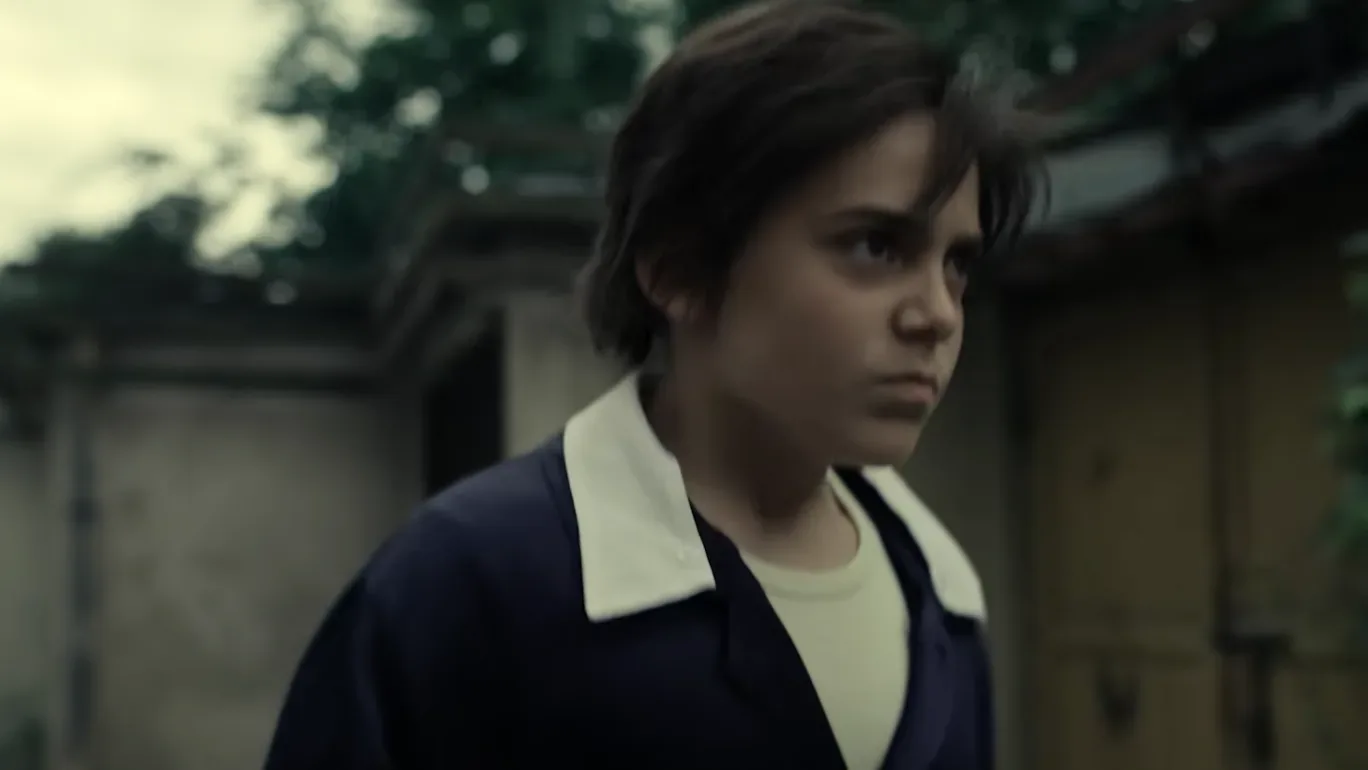
Extinction (2018) Ending Explained: The Human Invasion and Peter’s True Identity
For most of Extinction (2018), Peter believes his recurring nightmares are warning him about an alien invasion that will destroy his family. When the attack finally arrives almost exactly as he feared, the obvious explanation seems to be that Peter can somehow see the future. The ending overturns that assumption completely. Peter, Alice and their…
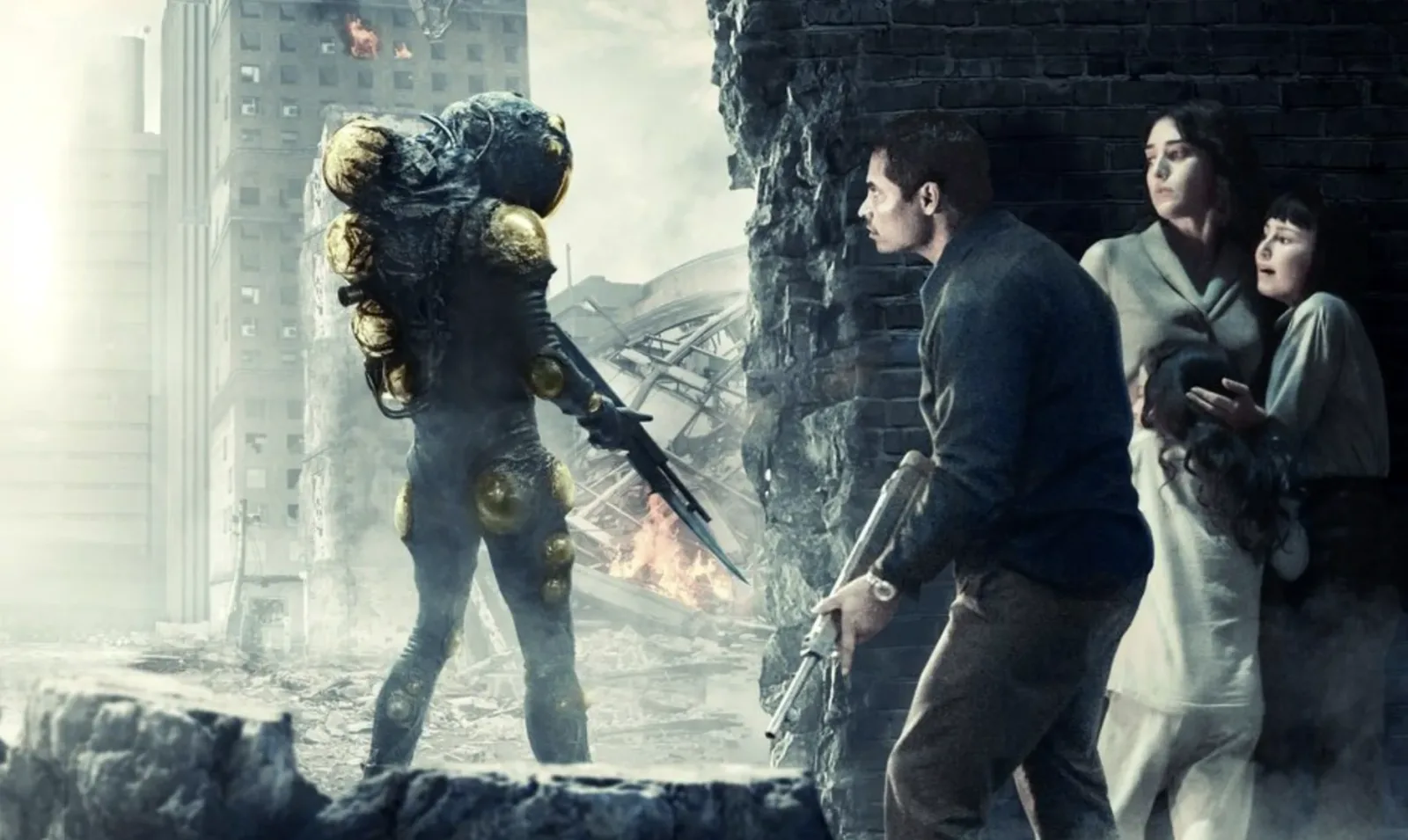
For most of Extinction (2018), Peter believes his recurring nightmares are warning him about an alien invasion that will destroy his family. When the attack finally arrives almost exactly as he feared, the obvious explanation seems to be that Peter can somehow see the future. The ending overturns that assumption completely. Peter, Alice and their daughters are not humans at all. They are advanced synthetic beings, while the armored “aliens” attacking Earth are actually humans returning to reclaim the planet they lost decades earlier. Peter’s visions are not prophecies either. They are buried memories of the original war between humans and synthetics, memories he deliberately gave up so he could live without the trauma of what happened.
The reversal changes almost everything viewers have been encouraged to believe about the invasion. Peter is not a human father defending Earth from outsiders. He belongs to the civilization that replaced humanity after humans were driven from the planet, and the attackers have their own historical claim to the world they are trying to take back.
Is Peter a Human or a Robot in Extinction?
Peter is a synthetic, an artificial being designed to look and behave like a human. The truth becomes undeniable after Alice is critically wounded during the attack. A conventional medic cannot save her, but captured human soldier Miles tells Peter that he can because Alice’s body does not work like a biological human body. Peter eventually cuts into his own chest and discovers that he has the same synthetic construction.
The revelation also explains several details that seem unusual earlier in the film. Peter can operate the invaders’ weapon when its security system should prevent an ordinary enemy from using it, and his restrained emotional behavior takes on a different meaning once his identity is known. Michael Peña later explained that he intentionally played Peter with a subdued, slightly mechanical quality so that the performance would read differently on a second viewing without giving away the twist the first time. Lizzy Caplan similarly built a controlled rhythm into Alice’s behavior.
Peter is not alone. Alice, Hanna and Lucy are synthetics as well, meaning the family viewers spend the movie protecting is an artificial family that has built an entirely genuine emotional life together. The film’s larger point depends on that distinction. Their bodies may have been manufactured, but Peter’s fear for his children, Alice’s love for her family and the relationships among them are treated as real.
Who Are the Alien Invaders Really?
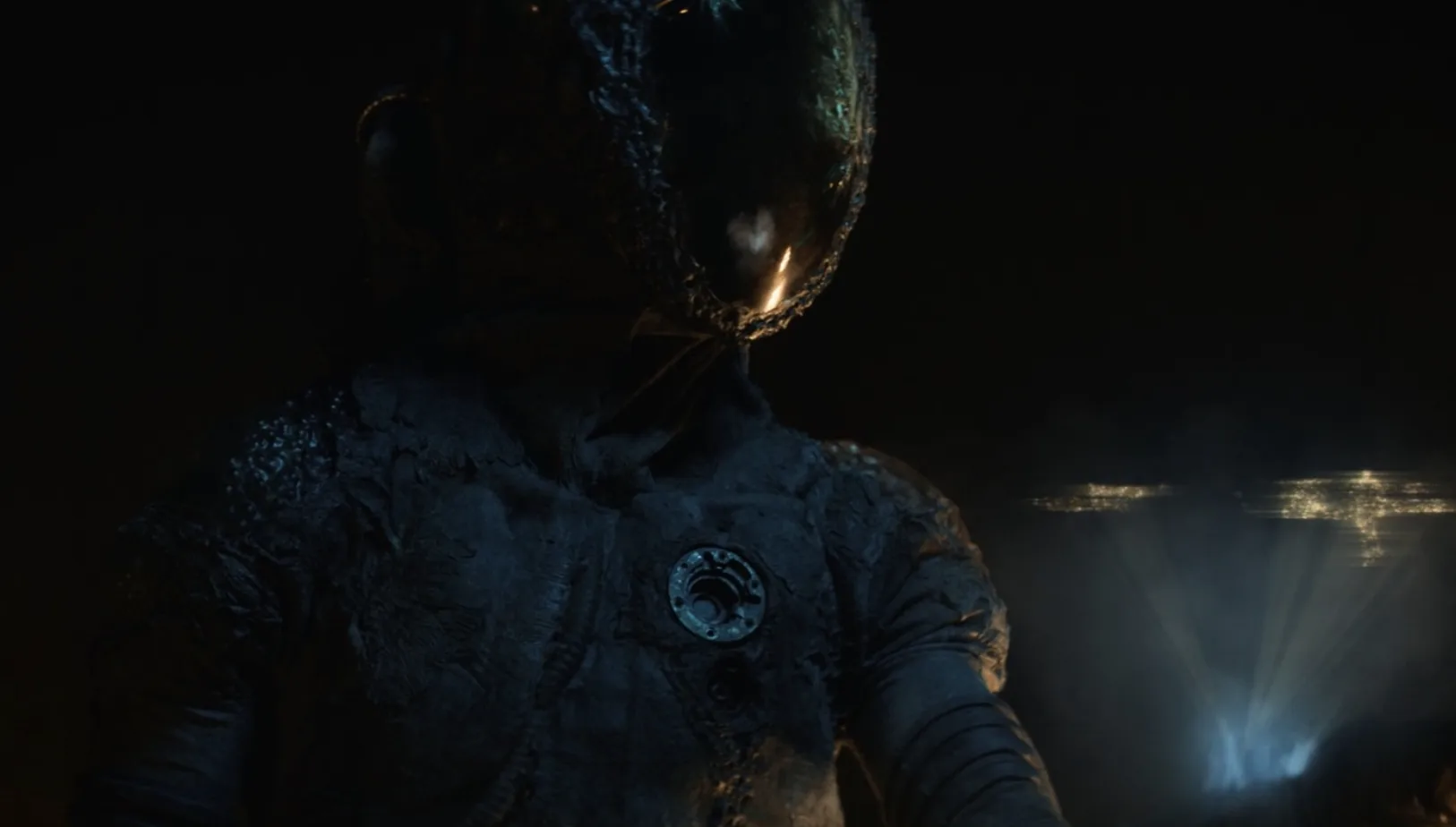
The supposed extraterrestrials are humans who were forced to leave Earth after losing an earlier war against the synthetics. Their armor, weapons and unfamiliar appearance are deliberately presented from Peter’s perspective, allowing them to look like an alien military force until one soldier removes his helmet. Underneath is Miles, a young human being rather than a creature from another world.
Decades earlier, humans had created synthetics to perform work for them. Fear grew as the artificial population became increasingly sophisticated, and humans began worrying that the machines would eventually replace or overpower their creators. The conflict escalated when human forces attempted to destroy the synthetics. Rather than allowing themselves to be eliminated, the synthetics fought back and won, forcing the surviving human population off Earth.
Miles’ generation consequently arrives with a very different version of history from the one Peter would have remembered. The humans have grown up seeing synthetics as the enemy that stole their planet. Director Ben Young deliberately designed their battered military equipment so it would initially appear foreign while still making sense as aging human technology once the truth was revealed.
Also Read: The Invite Ending Explained
Why Does Peter Think His Memories Are Visions of the Future?
Peter mistakes his suppressed memories for premonitions because he no longer consciously remembers the first human-synthetic war. The violent images haunting him belong to the past, when the synthetics were fighting against humanity. They resemble the new invasion closely enough that Peter assumes he has somehow been seeing what is about to happen.
After the original war, most synthetics chose to erase or suppress their memories. Living with the violence they had committed, the loss surrounding the conflict and the possibility that humans might someday return meant continuing in a state of fear. Forgetting allowed Peter, Alice and others like them to build ordinary lives without constantly reliving the war. A smaller group, including David, kept their memories because they believed humanity would eventually come back.
Peter’s nightmares show that the erasure was never perfect. Some part of his past remains buried inside him, resurfacing as fragments his conscious mind cannot correctly identify. The film therefore plays a clever trick with its own setup. Peter really does know something terrible is connected to the images he sees, but he misunderstands where those images come from.
Why Does Miles Help Alice and Peter?
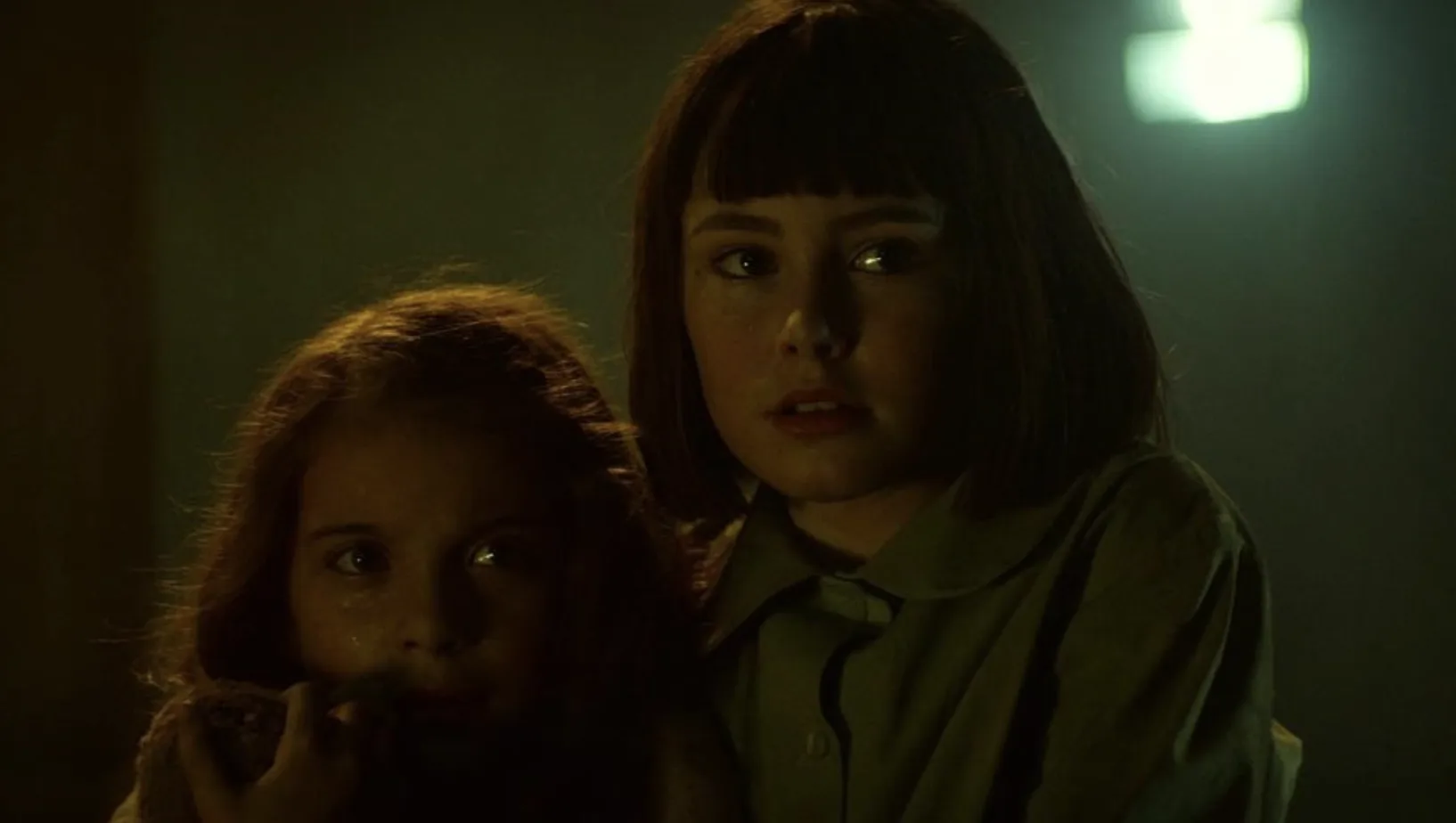
Miles changes sides temporarily because meeting Peter’s family forces him to question what he has been taught about synthetics. His hesitation begins when he encounters Lucy during the attack. Instead of seeing an emotionless machine, he sees a frightened child, and that experience does not match the image of synthetics as monsters that has justified the human mission.
That doubt becomes more important after Alice is injured. Miles knows enough about synthetic physiology to explain how Peter can transfer power to her, and he helps keep Alice alive rather than allowing an enemy to die. His decision does not suddenly resolve the larger war, and the film never claims that one compassionate human can erase decades of violence between the two groups. It does, however, prove that the hatred sustaining the conflict is not absolute.
Peter reaches a similar realization from the other direction. The humans who attack his city have killed synthetics, but Miles is still capable of empathy and independent judgment. By the end, Peter can imagine peace precisely because he has finally met one of the people he was conditioned to think of only as an enemy.
What Happens to Peter and His Family at the End?
Peter, Alice and their daughters survive and escape with other synthetics aboard a train heading toward a protected underground refuge. David reveals that some synthetics deliberately retained their memories of the first war because they expected humans to return eventually. Their preparations provide the survivors with somewhere to regroup after the human assault overwhelms the city.
The ending is therefore a survival rather than a victory. Humanity has returned to Earth with enough force to begin reclaiming territory, while the synthetics are being driven into hiding. Peter’s family is alive, but the comfortable existence built on their erased memories is finished. They now know what they are, what happened before and why the humans have come back.
Peter’s hope that humans and synthetics might eventually coexist is the closest the film comes to resolving the conflict. It is intentionally tentative because neither side is entirely innocent. Human fear triggered the original attempt to destroy the synthetics, but the synthetic victory displaced humanity from its home. Fifty years later, another generation has inherited the consequences.
Does Extinction Set Up a Sequel?
The ending leaves enough unresolved for a sequel, but it does not require one to make sense. Ben Young said after the film’s release that, if he returned to the story, he would be interested in showing the human perspective and exploring what happens as humanity attempts to reclaim Earth while hunting the surviving synthetics. That idea would naturally continue Miles’ conflict after he discovers that the enemy he was raised to hate is more human in behavior than he expected.
No sequel is currently announced by Netflix, so Peter’s journey still ends with the train carrying his family away from the invaded city. The unresolved future is fitting because Extinction ultimately changes the question rather than answering who deserves Earth. Humans created the synthetics and then tried to destroy them out of fear. The synthetics survived by driving humanity away, then erased their own memories so thoroughly that many began believing they were human themselves.
Peter’s final realization is therefore bigger than discovering that there were no aliens. The categories separating creator from creation and human from machine have become much harder to defend. By the time Peter reaches safety, the synthetic family has displayed compassion while a human soldier has risked himself to save them. The war may continue, but the film has already shown why neither side’s version of the other can be completely true.