Dead City Episode 4 Gives Maggie Something Harder to Find Than Medicine
“Found/Lost” sends Maggie and Luis outside their growing Manhattan settlement for something desperately practical: medicine. What they bring back from the journey matters, but the more consequential part of The Walking Dead: Dead City Season 3 Episode 4 is what happens while they are away. Maggie and Luis successfully obtain morphine from the mysterious Trader,…

“Found/Lost” sends Maggie and Luis outside their growing Manhattan settlement for something desperately practical: medicine. What they bring back from the journey matters, but the more consequential part of The Walking Dead: Dead City Season 3 Episode 4 is what happens while they are away. Maggie and Luis successfully obtain morphine from the mysterious Trader, while their time together forces Maggie to consider what her life could become now that protecting Hershel no longer has to define every decision she makes. Back home, Negan also takes another significant step toward belonging when he risks himself to save Fabian. Episode 4 is less about another enemy arriving than about these survivors deciding whether they can actually build a future.
Why do Maggie and Luis go looking for the Trader?
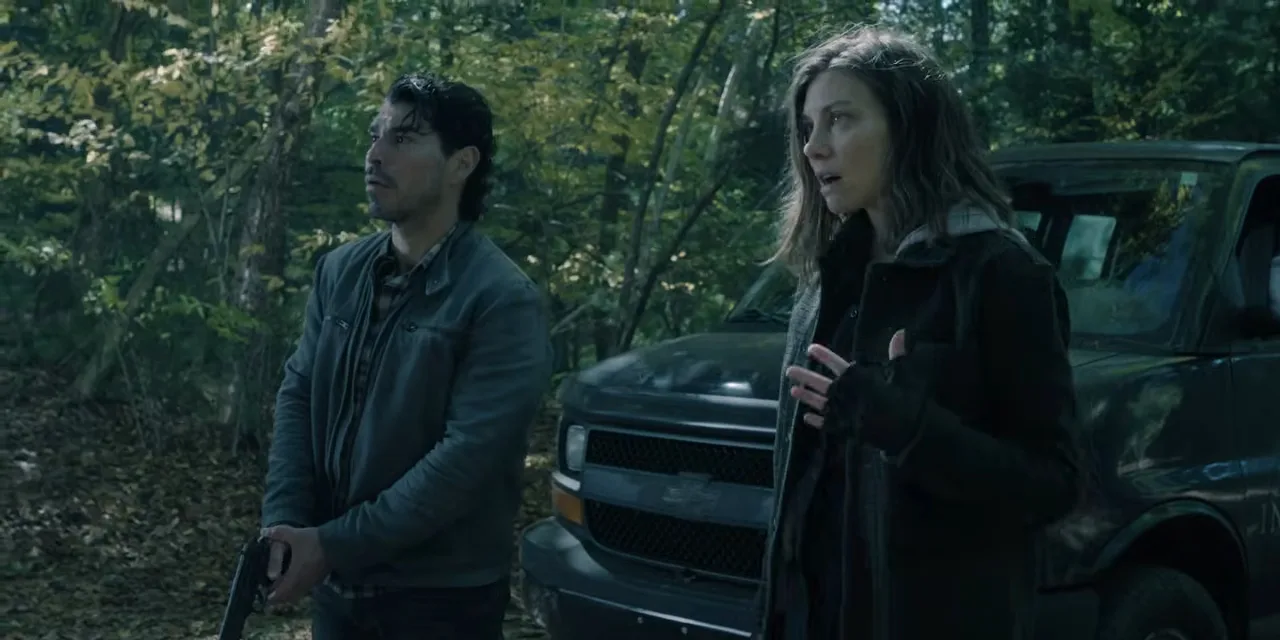
Maggie and Luis leave the settlement because the hospital’s medical supplies were badly depleted by the emergency in Episode 3. The influx of wounded survivors from Belleville and Newark forced Luis, Hershel and the others to treat far more patients than their small community was equipped to handle. Episode 4 consequently turns toward the less glamorous problem that every functioning settlement eventually faces: surviving tomorrow requires supplies that cannot simply be scavenged forever. AMC’s official synopsis describes Maggie and Luis as searching for valuable resources, while the episode specifically establishes morphine as one of the medicines they need.
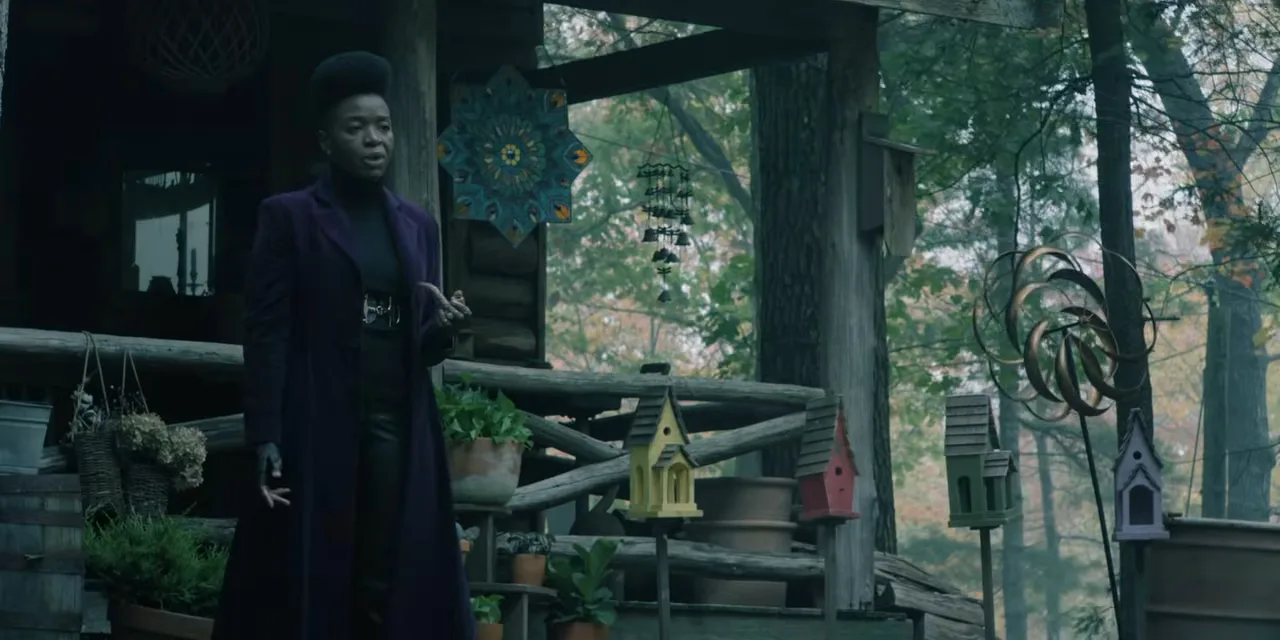
Their destination is a survivor known as the Trader, played by Folake Olowofoyeku. She operates as someone who has managed to establish trading connections beyond Maggie’s immediate Manhattan world, making her potentially valuable to a community trying to become permanent rather than temporary. Luis has heard stories about how widely she has traveled, while Maggie approaches the meeting with the caution of someone who has survived enough bad deals to know that friendliness is not the same thing as trust. The encounter also allows the episode to expand Dead City’s world without introducing another conventional warlord.
Does the Trader give Maggie and Luis the medicine?
Yes. Maggie and Luis ultimately secure the morphine they came looking for. The Trader presents the medicine as legitimate and says her source can be trusted, resolving the immediate medical purpose of the trip even if the encounter also makes clear that resources in this new version of Manhattan will depend on relationships, negotiation and trade. That is an important shift from the first two seasons, when so much of the city’s economy revolved around whoever controlled methane and whoever had enough armed people to take what they wanted.
The mission therefore succeeds without becoming another battle for territory. That may sound smaller than the explosions and gang wars Dead City has previously favored, but it fits Season 3’s new concern with building a functioning community. Medicine has value only if Maggie’s people can continue accessing it, which makes meeting the Trader potentially more useful than taking another warehouse by force. “Found/Lost” quietly begins testing whether Maggie can rely on networks and cooperation instead of treating every outsider as a future enemy.
Related: Dead City Season 3 Quietly Wiped Out New Babylon’s Army, But the Federation Is Not Gone
Luis reveals who Marisol really was
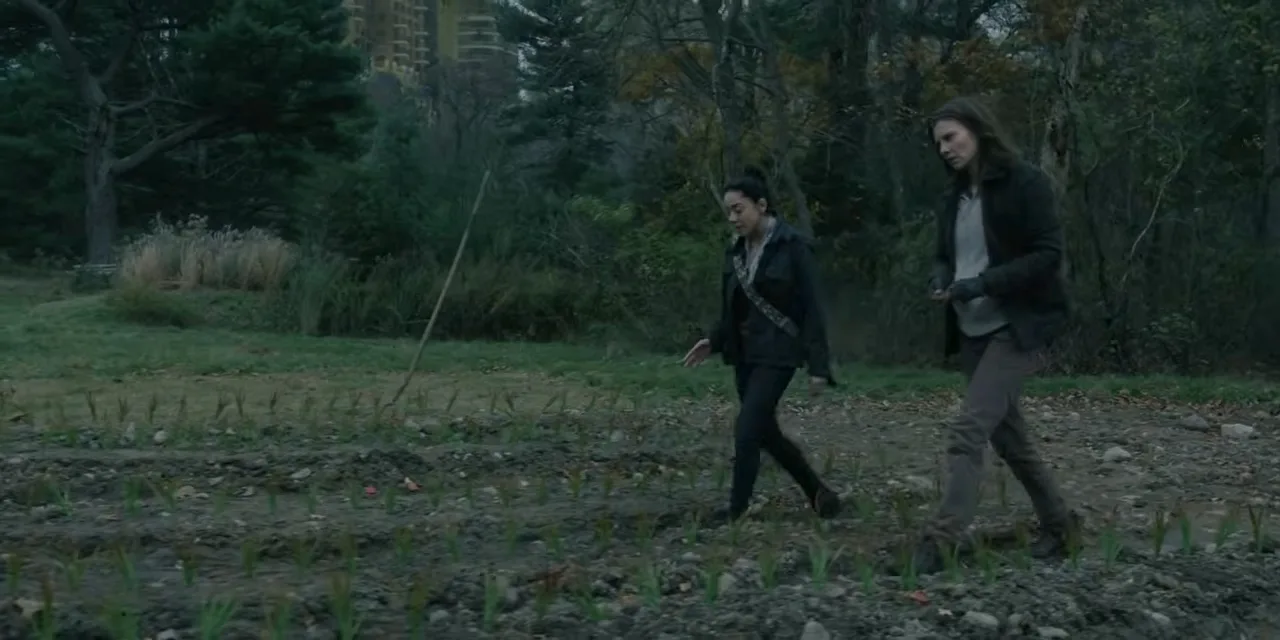
The trip becomes much more personal when Luis talks about Marisol, his late wife. Maggie had not known he was married, and the revelation immediately changes the context around the doctor. Luis is not an uncomplicated optimist dreaming about a family because he has somehow escaped the losses everyone else carries. He is another widowed survivor trying to decide what should come after the life he failed to keep.
Luis tells Maggie that he wants to become the kind of man he believes he should have been for Marisol, and the kind of man his brother Chucho should have had the chance to be for Yvette. He talks about planting roots, raising children and building something capable of lasting. Those ambitions explain why he and Renata are so invested in turning their hospital community into more than another temporary refuge. They have already experienced what constant movement and violence cost their family, so rebuilding is personal rather than ideological.
That conversation also gives Maggie and Luis common ground the episode never has to artificially manufacture. Both know what it means to lose a spouse and continue living long after the future they expected disappeared. The important difference is that Luis is actively imagining another future, while Maggie has spent years allowing responsibility and grief to determine what comes next.
What does Maggie realize about Hershel?
Maggie’s most important realization is that her son may no longer need her life to revolve entirely around keeping him safe. During her conversation with Luis, she acknowledges that protecting Hershel has defined her for so long that separating Maggie the person from Maggie the mother has become difficult. Hershel’s recent development makes that admission possible. He is training in medicine, assuming responsibility for patients and beginning to find an identity that does not depend entirely on his conflict with his mother.
This does not mean Maggie suddenly stops being protective. Lauren Cohan has described her character as fundamentally pragmatic even while Season 3 pushes her toward greater openness and vulnerability. What changes is Maggie’s ability to consider the possibility that Hershel growing up does not have to leave her without a purpose. Luis asking her to think about a fresh start reaches a part of Maggie the series has rarely allowed much room to explore.
That idea connects directly with Season 3’s larger reset. Cohan has said Luis and Renata’s family structure resembles the kind of life Maggie came from and still craves, even after years of hurt hardened her. Maggie grew up surrounded by family on Hershel Greene’s farm, then spent most of the apocalypse repeatedly losing versions of that home. Manhattan now gives her the unexpected chance to build one rather than merely defend one.
Why does Negan saving Fabian matter?
Negan’s subplot reaches the same question from a different direction. While Maggie and Luis are away, Negan remains with Renata, Hershel, Dillard and the construction effort as the settlement deals with walkers attracted by all the activity. Fabian ends up in serious danger, and Negan risks his own life to save him. Renata later specifically includes the rescue when acknowledging what Negan has contributed to the hospital and the community.
For Negan, that recognition is uncomfortable precisely because it looks a lot like belonging. Season 3 began with him wanting distance from people and responsibility, and Dillard initially represented the extreme version of that choice: survival through isolation. Yet Negan keeps doing the opposite of what a committed hermit would do. He protects construction workers, corrals walkers for the settlement’s energy needs and puts himself in danger for someone whose survival offers him no obvious personal reward.
The episode does not need to announce him as the settlement’s new leader. In fact, doing so would undermine what makes the development work. Negan is becoming useful without demanding that usefulness be converted into authority, which is a substantial change for a man whose old definition of community involved standing above everyone else.
Related: Why Is Hershel Becoming a Doctor in Dead City Season 3? His Grandfather’s Legacy Explained
Is Episode 4 setting up Maggie and Luis as a couple?
Possibly, but “Found/Lost” does not yet confirm a romantic relationship. The episode deliberately gives Maggie and Luis extended time alone, lets them discuss marriage, loss and the futures they once imagined, and presents their connection as increasingly personal. AMC’s own advance material referred to their “growing bond,” so reading romantic potential into the pairing is reasonable rather than purely a fan invention.
Still, there is a difference between romantic setup and canon romance. Episode 4’s most important development is that Maggie trusts Luis enough to discuss parts of herself that have been buried underneath survival and motherhood. That intimacy could develop into love, friendship or some combination the series has not defined yet. Treating Luis as Maggie’s confirmed new boyfriend would therefore be ahead of what the episode actually establishes.
What does “Found/Lost” mean?
There is no published creator explanation confirming one definitive meaning for the title, so any reading of “Found/Lost” should remain interpretation. The most natural one is that the episode is built around characters finding things while confronting what has already been lost. Maggie and Luis find medicine, but their deeper conversation is possible because both have lost spouses and old versions of their lives. Negan, meanwhile, keeps trying to lose himself in detachment while repeatedly finding his way back into a community.
Maggie’s final emotional problem captures that contrast best. For years she knew exactly who she needed to be because keeping Hershel alive supplied the answer. Now Hershel is becoming capable of building his own life, leaving Maggie with something far less familiar than danger: choice. “Found/Lost” does not give her a new identity by the credits, and it does not need to. The meaningful change is that Maggie has finally begun asking what that identity might be.