City of Blood Season 1 Ending Explained: What Happens in the Finale?
City of Blood Season 1 ends by shifting Berlin’s struggle into an entirely new phase. What began as a conflict between humans and vampires increasingly becomes a question of political influence, public opinion and who will shape the city’s future after the election. For Bea and Phoebe, however, the finale remains deeply personal. Bea’s circumstances…

City of Blood Season 1 ends by shifting Berlin’s struggle into an entirely new phase. What began as a conflict between humans and vampires increasingly becomes a question of political influence, public opinion and who will shape the city’s future after the election.
For Bea and Phoebe, however, the finale remains deeply personal. Bea’s circumstances change permanently before Phoebe can reach her, while Zeno and Szen begin pursuing very different visions for how vampires should operate in Berlin. By the closing scenes, those storylines come together around Bea’s transformation, the election result and Zeno’s surprising agreement with Oliver Lawal.
Also Read: Neagley Ending Explained: Tommy’s Death, Her Father’s Secret and Reacher’s Handshake
Does Bea Become a Vampire?
Yes, Bea becomes a vampire in the Season 1 finale. Szen initially tries to convince her that the transformation could free her from the illness and physical pain that have affected much of her life, but Bea makes it clear that she does not want that future.
Her wishes are ultimately ignored, and Phoebe reaches her only after the transformation has already happened. Bea tells her sister that the pain she has lived with for years is suddenly gone, but the approaching sunrise quickly makes clear that her new existence comes with serious limitations.
Phoebe wants to take Bea away immediately, while Bea understands that she can no longer move through the world in the same way. Their reunion therefore brings the sisters back together while simultaneously creating an entirely new problem between them.
Later news coverage confirms that Bea Hoffmann, who had publicly opposed vampires, has now become one herself. That makes her transformation important far beyond what it means for Bea personally.
Why Is Bea’s Transformation So Important?
Szen sees Bea as more than another new vampire. Because Bea had become a visible critic of them, her transformation gives Szen an opportunity to influence how ordinary people think about coexistence.
If someone who previously opposed vampires can now continue living as one of them, Szen believes the public may begin viewing the divide between the two groups differently. The finale shows signs that this strategy is already affecting the wider conversation around Berlin.
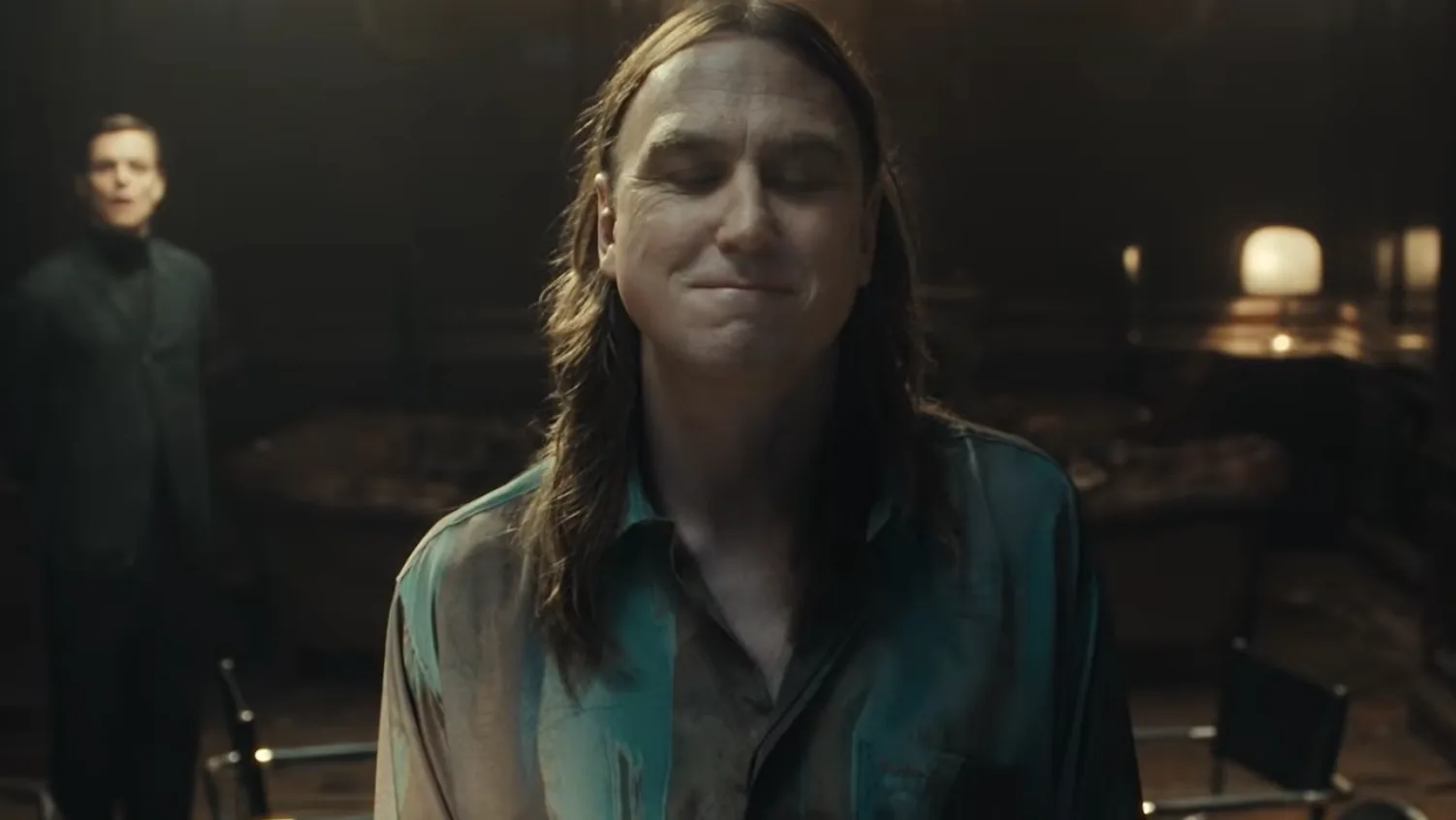
That is why Bea’s story quickly becomes political. What happened to her is no longer treated simply as a private matter between the sisters because Szen sees an opportunity to use Bea’s new identity as evidence that the city’s future does not necessarily have to be built around permanent separation.
The problem is that Bea never chose to become part of that argument. Her transformation may serve Szen’s larger strategy, but it also takes control of Bea’s future away from her.
What Happens to Szen in the Finale?
Szen and Zeno eventually reveal that they have very different ideas about how vampires should secure their position in Berlin. Szen believes public acceptance will make long-term coexistence easier, while Zeno thinks uncertainty and dependence give him greater influence.
Their disagreement becomes impossible to contain by the finale. Zeno ultimately turns against Szen and leaves her exposed to the daylight that vampires cannot tolerate, bringing her story to an end.
The moment also removes Zeno’s biggest internal rival. However, Szen’s influence does not disappear with her because Bea’s transformation has already begun changing the public conversation.
That leaves Zeno in a stronger position than before. He no longer has to compromise with Szen’s approach and can begin pursuing his own plans for Berlin.
What Happens to Zeno?
Zeno remains alive at the end of Season 1 and emerges as one of the most important figures heading into the show’s possible future. His conflict with Szen shows that he is less interested in winning public affection than in creating a system people feel they have little choice but to accept.
By the closing scenes, Zeno has already moved beyond the immediate events involving Bea. He is thinking about Berlin’s political structure and how the city’s need for climate protection could create an opportunity for him.
That is where Oliver Lawal becomes especially important. Zeno recognizes that political power may achieve more than anything the vampires previously accomplished from outside the system.
Does Oliver Lawal Win the Election?
Oliver Lawal does not technically finish first in the election. The BDP receives 41.2 percent of the vote, while Oliver’s Aufbruch Berlin finishes close behind with 39.5 percent.
The result nevertheless gives Oliver considerable influence because forming a stable government becomes difficult without his support. Rather than accepting a secondary role inside a coalition, Oliver argues that compromises would prevent him from delivering the changes his supporters were promised.
He therefore calls for another election. His calculation is that Aufbruch Berlin has already come close enough that a second vote could potentially put the party in a much stronger position.
The response from his supporters shows that the strategy has momentum. More importantly, Zeno immediately understands what Oliver’s growing political influence could mean for his own plans.
What Is Zeno and Oliver’s Plan for Berlin?
Oliver wants to expand the Climate Dome system so that protection from Berlin’s increasingly difficult environmental conditions becomes available to far more people. “Domes for everyone” gives him a powerful political promise because access to climate protection has become one of the city’s biggest concerns.
Zeno agrees to support that ambition, but he wants something in return. He proposes what the episode calls a “blood tax,” which would require citizens to make regular donations as part of the new system.
I would mention the term only once or twice in the article because it is important to understanding the finale, rather than repeating it throughout the page. The larger point is that Zeno wants to turn something vampires previously obtained through informal networks into a government-backed arrangement.
Oliver is visibly uncomfortable when he first hears the proposal, but he ultimately accepts the partnership. Their final conversation makes it clear that climate policy and vampire interests may become closely connected if Oliver gains greater political power.

What Does the City of Blood Ending Mean?
The finale shows that the central struggle in City of Blood is changing. Vampires spent much of the season operating through hidden networks and influence, but Zeno now sees an opportunity to become part of Berlin’s official political structure.
Bea’s transformation changes how the public views vampires, while Oliver provides a possible route into government. The Climate Dome then gives Zeno something ordinary citizens genuinely need, allowing him to connect his own interests to a policy that many people may support for completely different reasons.
That is why the election becomes more important than the physical confrontations taking place elsewhere in the finale. Berlin’s future may ultimately be decided through institutions, public opinion and political agreements rather than through a direct struggle between the city’s two populations.
Bea and Phoebe remain at the emotional center of that story. Phoebe succeeds in finding her sister, but she cannot reverse what has happened, leaving both women to face a completely different future from the one they expected.
Zeno, meanwhile, ends the season with Szen no longer standing in his way and Oliver potentially moving closer to greater political power. Season 1 therefore closes without resolving Berlin’s larger conflict, but it makes clear that the next phase will be about who controls the systems that determine how people live in the city.