Chilean Mine Rescue: Race Against Time Ending Explained: Did All 33 Miners Survive?
National Geographic’s “Chilean Mine Rescue: Race Against Time” revisits one of the most closely followed rescue operations of the modern era, but its three episodes are interested in more than the outcome the world already knows. Directed by Chloe Campbell and James Parris, the docuseries combines archive material, previously unseen footage recorded underground and new…
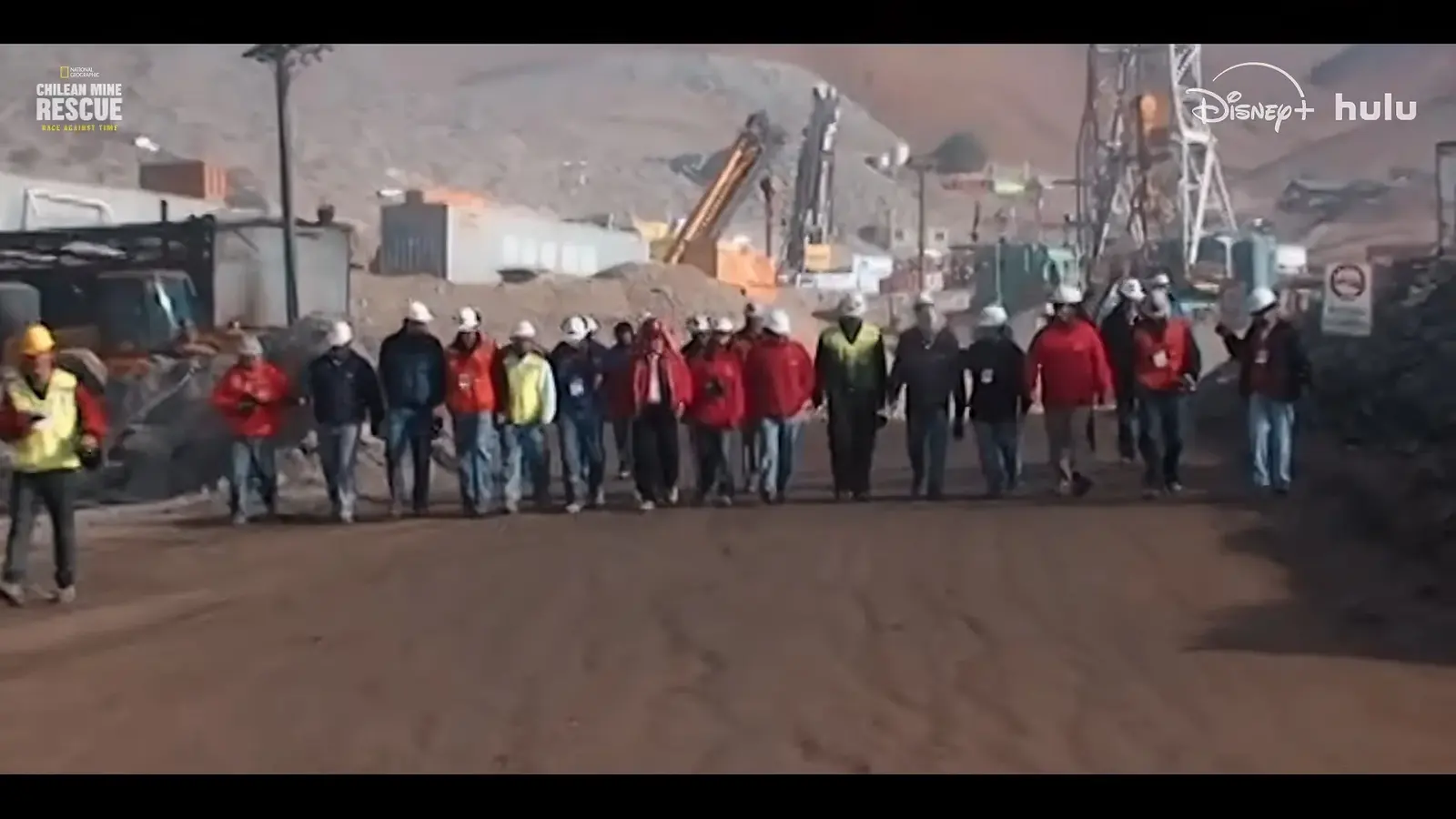
National Geographic’s “Chilean Mine Rescue: Race Against Time” revisits one of the most closely followed rescue operations of the modern era, but its three episodes are interested in more than the outcome the world already knows. Directed by Chloe Campbell and James Parris, the docuseries combines archive material, previously unseen footage recorded underground and new interviews with miners, relatives and members of the rescue operation. The result brings viewers unusually close to what happened during the 69 days that followed the August 2010 collapse at Chile’s San Jose mine.
The final episode, simply titled “Rescue,” follows the increasingly complicated effort to create a safe route back to the surface. Its ending confirms the extraordinary outcome of the operation, but it also looks beyond the celebrations to what life was like for the miners once the cameras stopped watching.
Also Read: Facing El Chapo Ending Explained: What Happens to El Chapo and the Two Officers?
Did All 33 Chilean Miners Survive?
Yes. All 33 miners trapped inside the San Jose mine were eventually brought safely to the surface. The men had been underground since August 5, 2010. For the first 17 days, their families and rescuers did not even know whether they had survived. Everything changed when a drilling probe finally reached their location and returned with confirmation that all 33 were alive. Finding them, however, was only the beginning.
The men were approximately 2,300 feet underground, and rescuers still needed to drill an opening large enough to bring them back. “Race Against Time” spends much of its final episode showing how uncertain that process remained even as the operation approached its final stages.
How Did the Rescuers Reach the Miners?
Several drilling plans were pursued, but the breakthrough came when rescuers successfully completed a shaft through which a specially designed capsule could travel. The capsule was named Fenix, or Phoenix, reflecting the idea of the miners emerging into a new life. It had to be narrow enough to pass through a shaft only about 26 inches wide while also protecting the person traveling inside. The documentary reveals just how little margin for error the engineers had.
Even shortly before the rescue, the operation was not guaranteed to work. During testing, the capsule became temporarily stuck because its door had not been properly secured. Engineers managed to free it, but the incident underlined why the final hours remained tense despite months of preparation. Rescuer Manuel Gonzalez was then sent down first, becoming one of the people responsible for preparing the miners for their individual trips to the surface.
Who Was the First Miner Rescued?
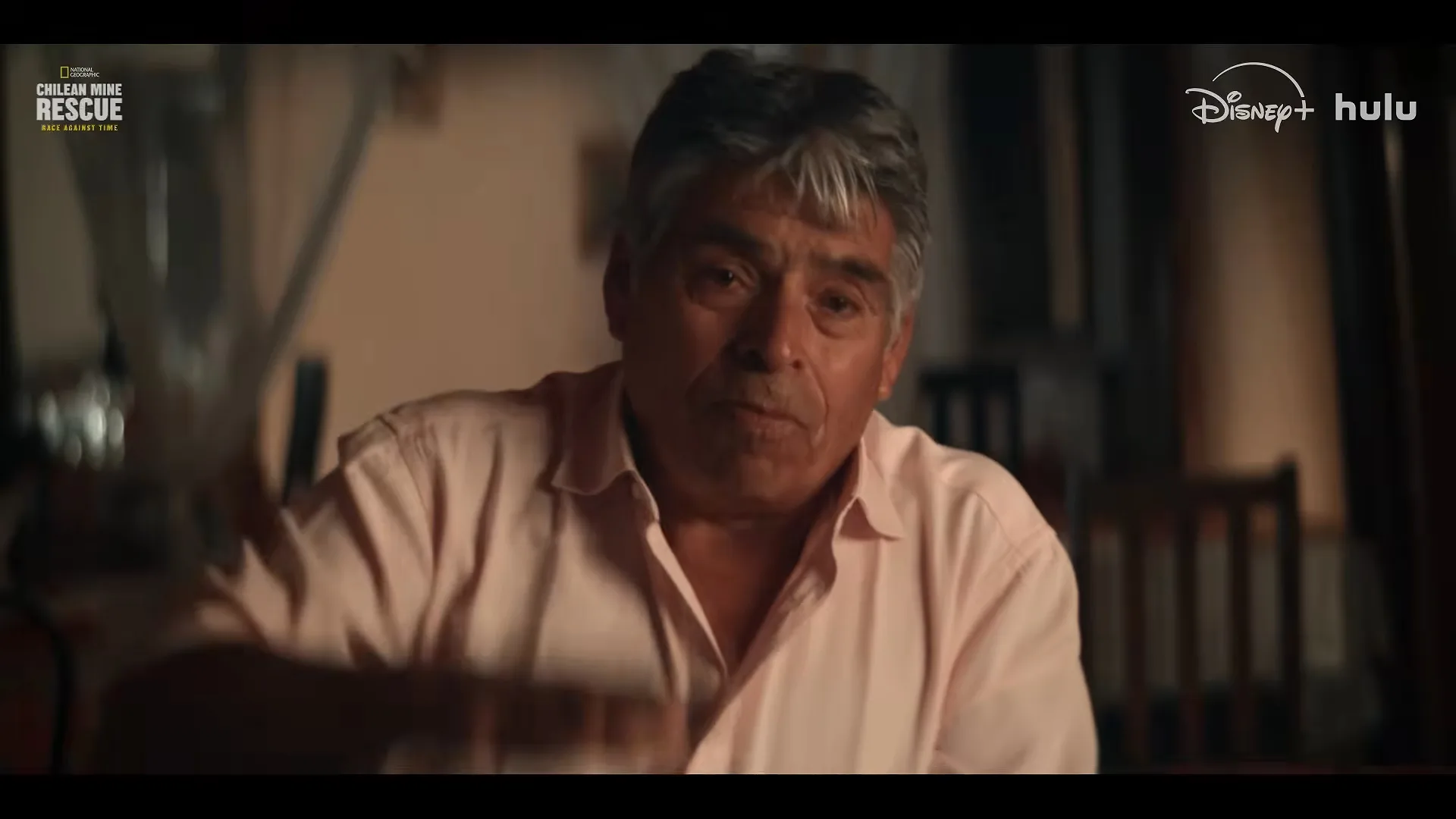
Florencio Avalos was selected to make the first journey. The documentary explains that Avalos was chosen because he was an experienced and calm miner who could report back on how the capsule behaved during the ascent. His successful arrival at the surface provided the first confirmation that the extraction system could actually work with a person inside it.
Mario Sepulveda followed him as the second miner. From there, the operation developed a rhythm, with each successful journey bringing another family reunion above ground. Still, there was continuing concern about conditions inside the mine. The miners reported hearing movement in the surrounding rock while the rescue was underway, which gave the operation an additional sense of urgency.
Who Was the Last Chilean Miner Rescued?
Luis Urzua was the 33rd and final miner brought to the surface. That choice carried particular significance because Urzua had been the shift supervisor and had taken on an important leadership role during the miners’ first 17 days without contact with the outside world. He helped organize the group and manage their extremely limited supplies while nobody above ground knew whether they were alive. Contemporary reports from October 2010 confirm that Urzua deliberately remained until everyone else had left. When Urzua reached the surface, the central rescue was complete. What officials initially feared could take considerably longer was finished in less than a day once the first miner began his ascent. It is the natural triumphant ending to the rescue story, but the documentary does not stop there.
What Happened to the Miners After the Rescue?
“Race Against Time” deliberately spends its closing minutes showing that returning to the surface did not instantly return the men to their old lives. They first underwent medical evaluations, while doctors also warned that psychological recovery could take considerably longer. The sudden transformation from isolated workers to internationally recognizable figures brought another challenge. Reporters followed them, television appearances arrived and invitations came from around the world. Different miners dealt with that attention in very different ways.
Mario Sepulveda embraced much of his new public profile and became one of the most recognizable members of the group. Others wanted distance from the attention. Alex Vega explains in the documentary that he initially avoided interviews because remembering the experience remained difficult for him. He eventually returned gradually to working around mines as a way of confronting those memories.
Jimmy Sanchez, who had been the youngest of the group, reflects on how dramatically his life changed afterward. He eventually became a father himself and describes the experience as something that forced him to mature.
Why Does the Documentary Reject Calling the Miners Heroes?
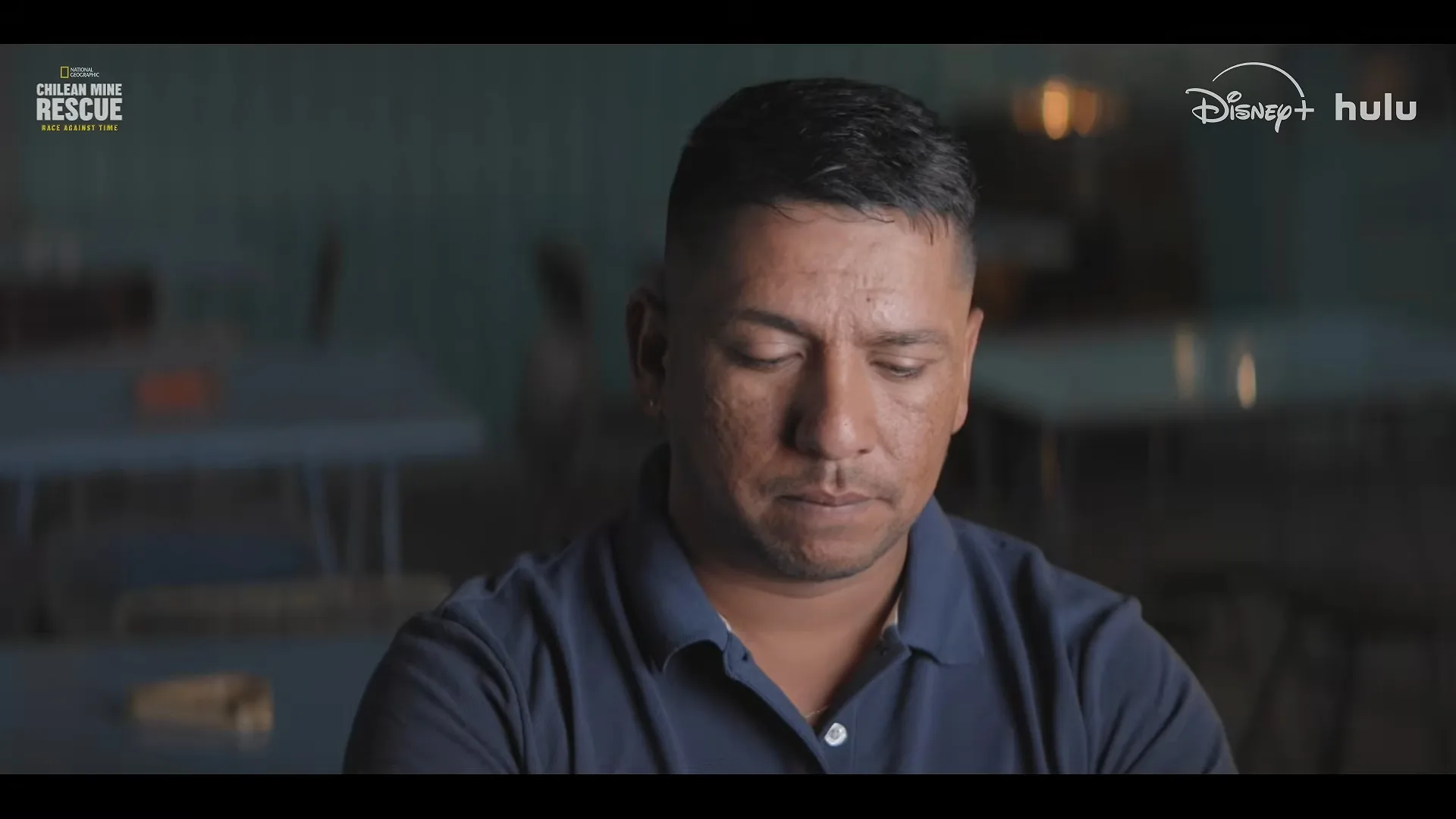
One of the most interesting thoughts in the finale comes from Mario Sepulveda. Rather than accepting the simple “hero” narrative that surrounded the miners after their rescue, he argues that the real heroes were the people who organized and carried out the operation. In his view, the miners were workers caught in circumstances created by a larger system. That observation changes how the final episode frames the familiar story.
The documentary celebrates the ingenuity and cooperation that allowed all 33 men to return home, but it does not suggest that the original circumstances should be romanticized. Rescue leader Andre Sougarret similarly emphasizes in the finale that people should not have to put their lives at unacceptable risk simply by going to work.
What Does the Chilean Mine Rescue Ending Mean?
The ending of “Chilean Mine Rescue: Race Against Time” is ultimately about two different kinds of survival. The first is the extraordinary physical accomplishment. Thirty-three people spent 69 days underground, rescuers developed an unprecedented extraction operation, and every miner returned to the surface. The successful outcome turned the operation into an international symbol of cooperation and engineering ingenuity. Techspective
The second is much less visible. Coming home did not erase what the miners had experienced. Some struggled with attention, memories and the difficulty of returning to ordinary life after becoming known around the world.
That is why the documentary’s final reflections matter more than another replay of the celebrations. “Race Against Time” ends by acknowledging the remarkable success of the rescue while reminding viewers that the men at its center were workers and fathers whose lives were permanently altered by those 69 days. The miracle, in other words, was getting all 33 men home. Living with what happened afterward became an entirely different journey.