Can Dillard Really Talk to Walkers in The Walking Dead: Dead City S3E2? His “Walker Whisperer” Trick Explained
The biggest reveal in The Walking Dead: Dead City’s Episode 2 clip is not that Dillard can turn a walker groan into a joke. It is that he treats the groan as an answer. When Negan watches Dillard conduct what looks like an ordinary conversation with the dead, the moment changes how his strange bar…
The biggest reveal in The Walking Dead: Dead City’s Episode 2 clip is not that Dillard can turn a walker groan into a joke. It is that he treats the groan as an answer. When Negan watches Dillard conduct what looks like an ordinary conversation with the dead, the moment changes how his strange bar setup should be read. Titicaca and Cockenspiel were not introduced simply as grotesque drinking buddies. Dillard genuinely believes there is still someone to address inside a walker. That does not mean he can literally translate walker speech, but it makes his “walker whisperer” routine more revealing than the punchline suggests. The official clip carries that nickname, while showrunner Seth Hoffman has said Season 3 is deliberately “exploring the humanity of the walkers.”
Spoilers ahead for The Walking Dead: Dead City Season 3 Episode 1 and Trailer from Episode 2, “Haven.”
What does Dillard hear when the walker talks?
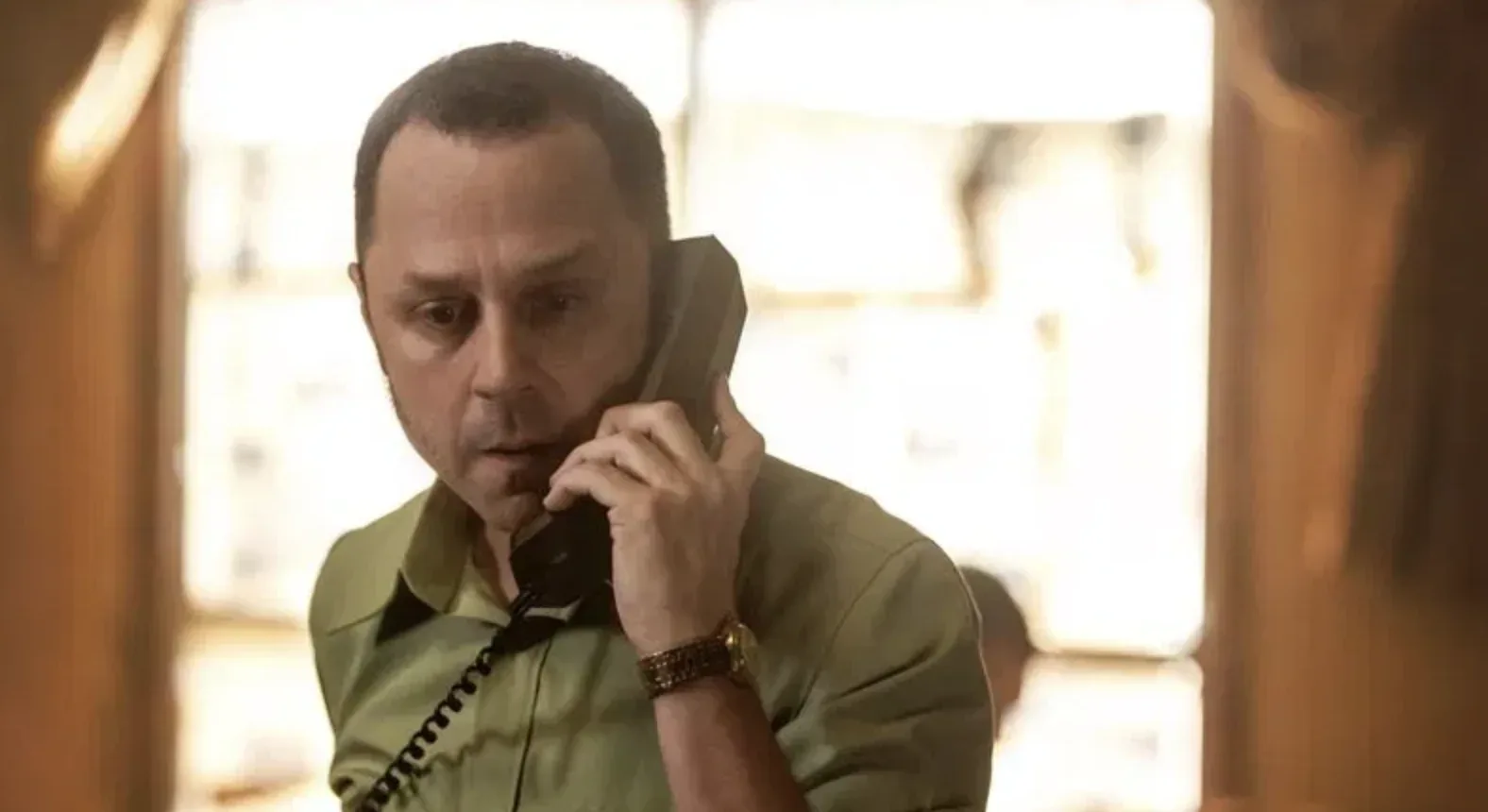
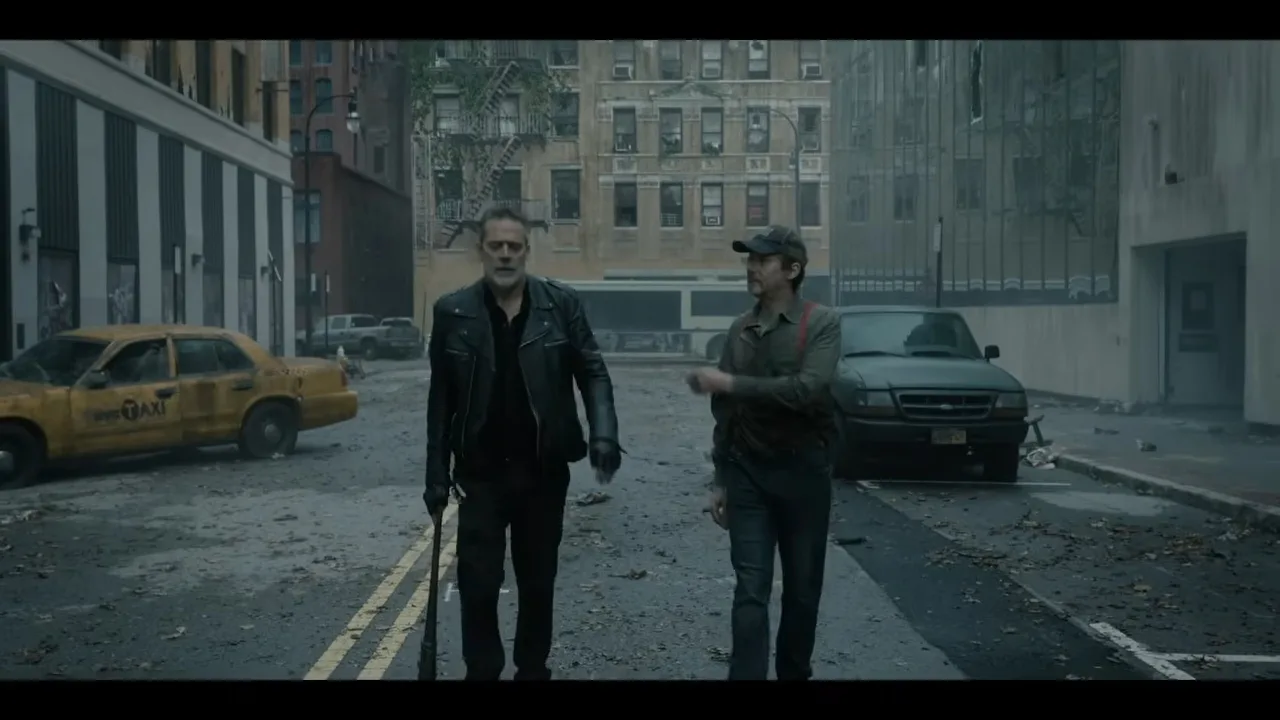
The clip places Dillard (Jimmi Simpson) beside one of the walkers he has rounded up, with Negan (Jeffrey Dean Morgan) losing patience with the performance. Negan tells him to stop pretending he can talk to “those freaks.” Dillard listens to another burst of grunts, considers it for a beat, and supplies his translation: “Poor bastard’s a Jets fan.” It is a clean New York joke, but his concentration matters. He does not merely speak at the walker. He waits for it, studies its noises and assigns them meaning.
Nothing in the scene proves that the walker expressed an opinion about football. Dillard is not shown controlling it or receiving information he could not invent. His trick is interpretation. A walker makes a sound, and Dillard gives that sound intention, personality and context. He behaves less like someone with a supernatural gift than someone who has become highly practiced at carrying both sides of a conversation.
That distinction fits Jimmi Simpson’s description of the character. In official trailer, Simpson explains that Dillard feels the walkers hear him and interprets their sounds as replies, whether or not real understanding is taking place. The uncertainty is intentional. Dillard believes in the exchange. The series has not asked viewers to believe it with him.
Why does Dillard treat walkers like people?
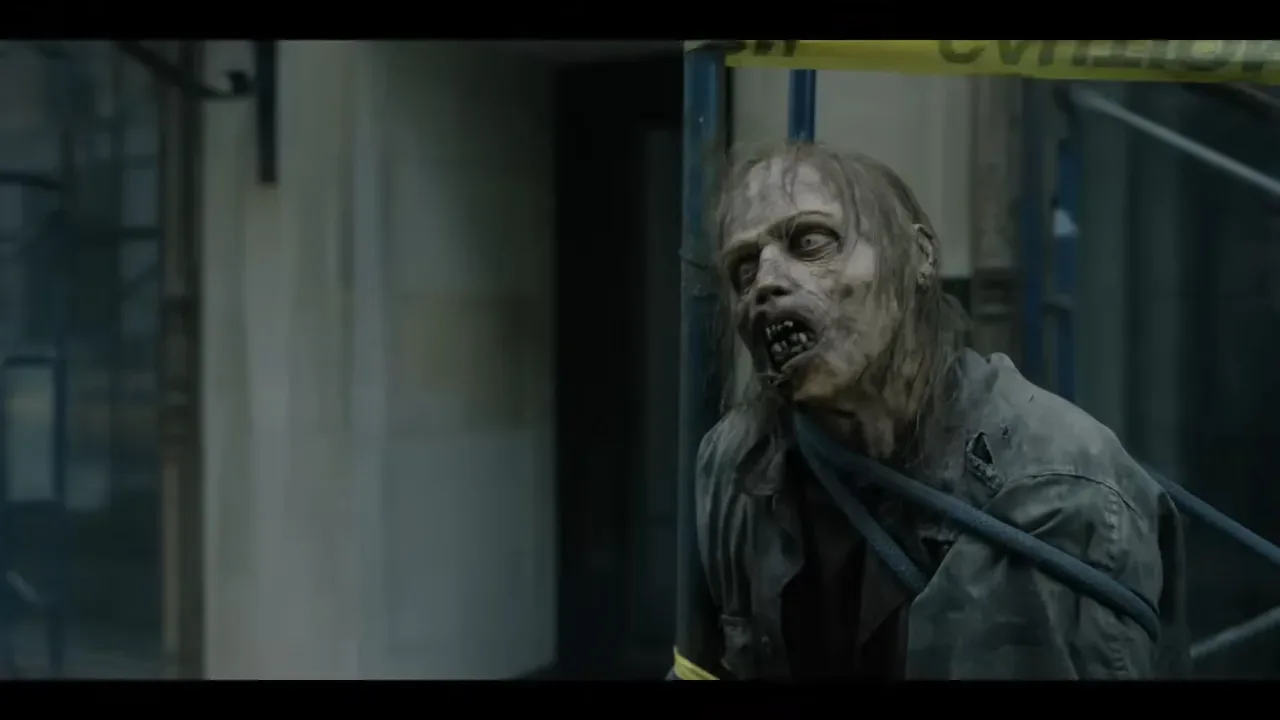
The Season 3 premiere supplies the emotional answer. Negan finds Dillard living inside a remarkably functional bar with two restrained walkers named Titicaca and Cockenspiel. Dillard has removed their ability to bite or claw, fastened them safely in place and folded them into the room’s daily life. He even invites Negan into a game with them as though the apocalypse has merely left him with unusually quiet regulars.
Dillard’s building is a feat of survival. He has created a closed food system and made a dangerous corner of Manhattan support him. Yet the walkers at his bar serve an emotional purpose, not a practical one. He did not need to name them, include them in games or imagine their preferences. He did those things because solving hunger and shelter did not solve loneliness.
Walkers cannot leave when his moods become difficult. They cannot judge what he did to survive or demand that he risk his haven for other people. They offer company without the danger of intimacy. That makes the arrangement sadder than it first appears. Dillard has built the safest relationship possible by choosing companions who are incapable of having a relationship with him.
The premiere offers a sharp contrast through Luis (Raul Castillo), who keeps the reanimated body of his brother Chucho nearby because grief has made letting go impossible. Once the baby Chucho died protecting is saved, Luis finally puts him down. Dillard has chosen the opposite path. Instead of letting the dead mark a loss, he has turned loss into routine. Titicaca and Cockenspiel help him pretend that nothing essential is missing.
Is Dillard a Whisperer or are these intelligent walker variants?
Despite the clip’s title, there is no indication that Dillard belongs to the Whisperers. Alpha’s people wore walker skins, moved inside herds and imitated the dead. Their apparent conversations were human whispers hidden in a crowd. “Walker whisperer” is a playful description of Dillard’s habit, not a faction reveal.
There is also no firm evidence that his bar patrons are intelligent variants. Dillard’s scene does not demonstrate language. A groan followed by a human interpretation is not a conversation unless the walker understands the exchange, and “Haven” has not established that.
Dead City is, however, asking viewers to look at walkers differently. Hoffman has confirmed that Season 3 includes recurring walkers with names and, to an extent, personalities. That may not rewrite the franchise’s biological rules. It changes the dramatic rules. A named walker can become familiar, funny or upsetting in a way that another anonymous corpse cannot. Dillard is the ideal character for that experiment because he insists on seeing individuality where everyone else sees an infected body.
Why does Negan understand Dillard more than he admits?
Negan mocks Dillard because he recognizes the weakness beneath the act. He has protected himself with performance too, only his version involved a leather jacket, a baseball bat and people forced to laugh. Dillard invents harmless banter with walkers. Negan once invented an entire social order around fear. Both men found a role that kept other people at a manageable distance.
That is why Dillard matters to Negan’s Season 3 arc. Hoffman has described him as a flip side to Negan and emphasized the psychological cost of surviving alone. Negan enters the bar just after arguing that the premature baby cannot be saved and walking away from Maggie’s new group. Dillard offers the seductive end point of that choice: a warm room, a working system and no living person close enough to hurt him.
Negan ultimately returns to help save the child, while Maggie (Lauren Cohan) chooses to stay with Renata’s hospital community. The larger question is whether damaged people can risk belonging again. Dillard’s walker conversations give that question a darker edge. Connection can be imitated, and the imitation can be comforting. It simply cannot challenge him, disappoint him or ask him to change.
So, can Dillard really talk to walkers? Confirmed: He believes they hear him, recognizes individual behavior and turns their noises into answers. Nothing released so far confirms literal speech, telepathy or control.
Prediction: Episode 2 is likely to test how deeply Dillard needs this belief and whether Negan encourages the fantasy or pulls him toward living company. The unresolved conflict is not whether a walker truly supports the Jets. It is whether Dillard can accept a relationship with someone capable of answering him for real.