Blood Sacrifice Ending Explained: Why Peter Johansson Killed the Police and Targeted Alfred
“Blood Sacrifice” spends four episodes asking who is murdering Swedish police officers, but its finale is ultimately more interested in why the killer believes the police created him. Peter Johansson (Magnus Krepper) is revealed as the 112 killer, and his campaign traces back to the night his partner Hugo Brankovic died while Peter desperately waited…
“Blood Sacrifice” spends four episodes asking who is murdering Swedish police officers, but its finale is ultimately more interested in why the killer believes the police created him. Peter Johansson (Magnus Krepper) is revealed as the 112 killer, and his campaign traces back to the night his partner Hugo Brankovic died while Peter desperately waited for backup that never arrived. The ugliest part is that Peter was telling the truth about calling for help. Police leadership erased those calls, shifted responsibility onto him, and protected itself. Peter responds by turning that institutional betrayal into a grotesque revenge ritual, with Alfred Berg (Peter Andersson) intended as his final sacrifice and Thomas Berg (Jakob Oftebro) forced to repeat the same impossible decision.
The explanation is stronger than the usual last-minute serial-killer grievance because the finale does not pretend Peter is justified. It simply shows how a department that refused to admit one failure helped create a man obsessed with making every officer experience that failure for themselves.
Peter Johansson Was the 112 Killer All Along
The finale confirms that Peter Johansson is behind the killings after the investigation finally connects his police background, his complaints against the department, and the death of Hugo Brankovic.
Two years earlier, Peter and Hugo respond to a domestic disturbance in Jarfalla. Hugo becomes trapped inside the apartment and is badly wounded while Peter repeatedly calls for backup. The dispatcher tells him the closest unit is 20 minutes away. Peter eventually enters alone, but Hugo dies.
That flashback is important because it corrects the official history. Peter did ask for help.
After Hugo’s death, however, Peter discovers there is no surviving record of those radio calls. His complaint goes nowhere, his own conduct comes under scrutiny, and management essentially tells him to accept what happened and move on. That is where his grievance stops being private grief and becomes an obsession with the police hierarchy.
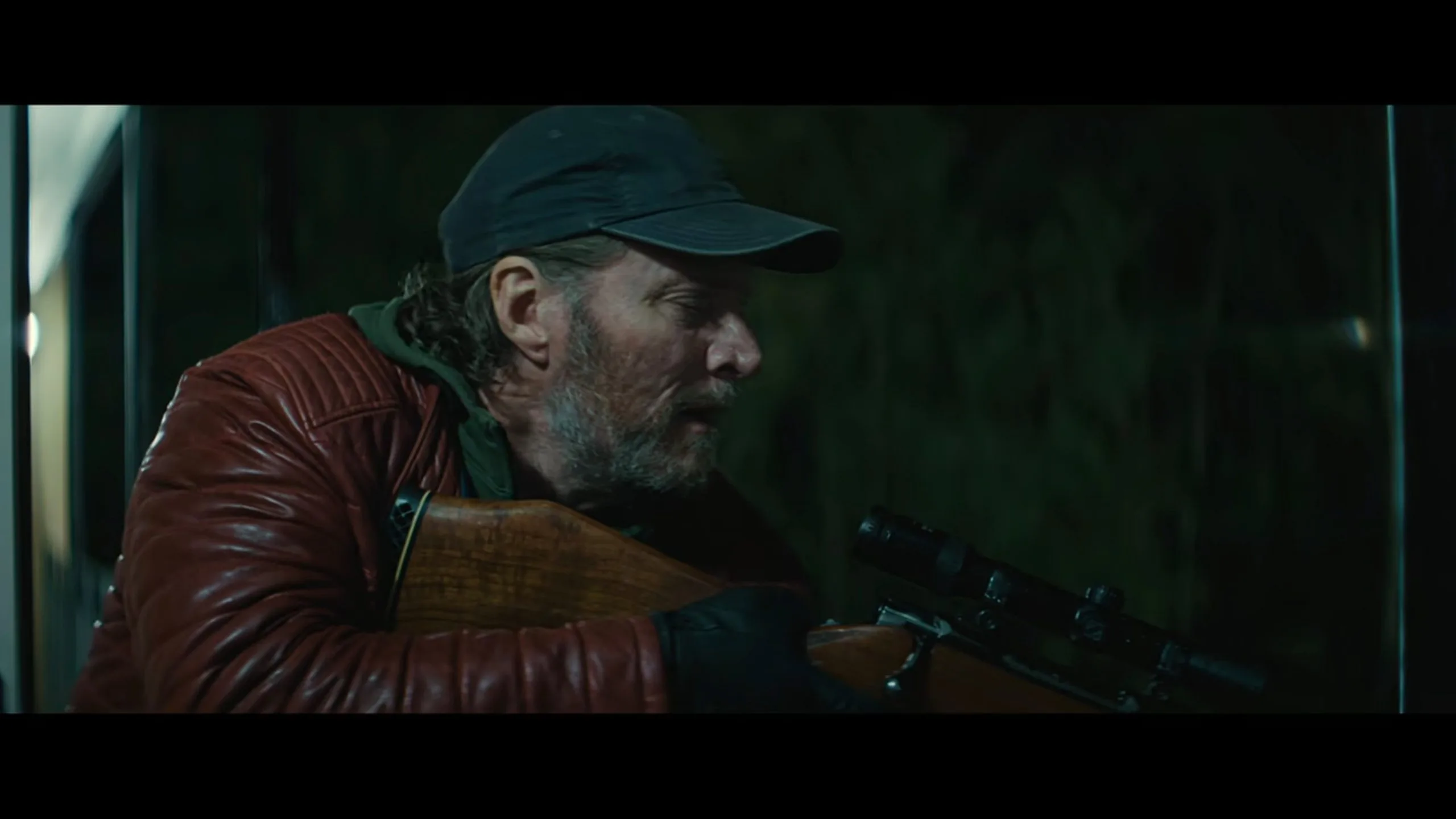
The episode is smart enough not to make the cover-up some vast conspiracy. It is pettier than that, and therefore more believable. Senior officers decide Hugo is already dead, Peter has violated protocol, and blaming him is simply easier than admitting management failed. Bureaucratic cowardice does the rest.
Why Was Peter Killing Police Officers?
Peter kills police officers because he wants the institution to repeatedly experience the same abandonment he experienced when Hugo died.
His method has been hiding that motive in plain sight. The false 112 calls lure officers into apparently urgent situations, just as Peter and Hugo were sent into danger. The victims are then left isolated, with help either absent or too late.
Peter is not merely killing cops because he hates cops. He is recreating a specific trauma.
That distinction becomes even clearer when investigators examine his old complaints. Peter kept demanding two answers: who was responsible for the deployment decisions that night, and what happened to the missing radio calls. Nobody gave him either answer.
Eventually, the truth comes out. The calls did exist, and senior officers deliberately made them disappear because admitting they had failed to send help would have exposed the department’s own decisions.
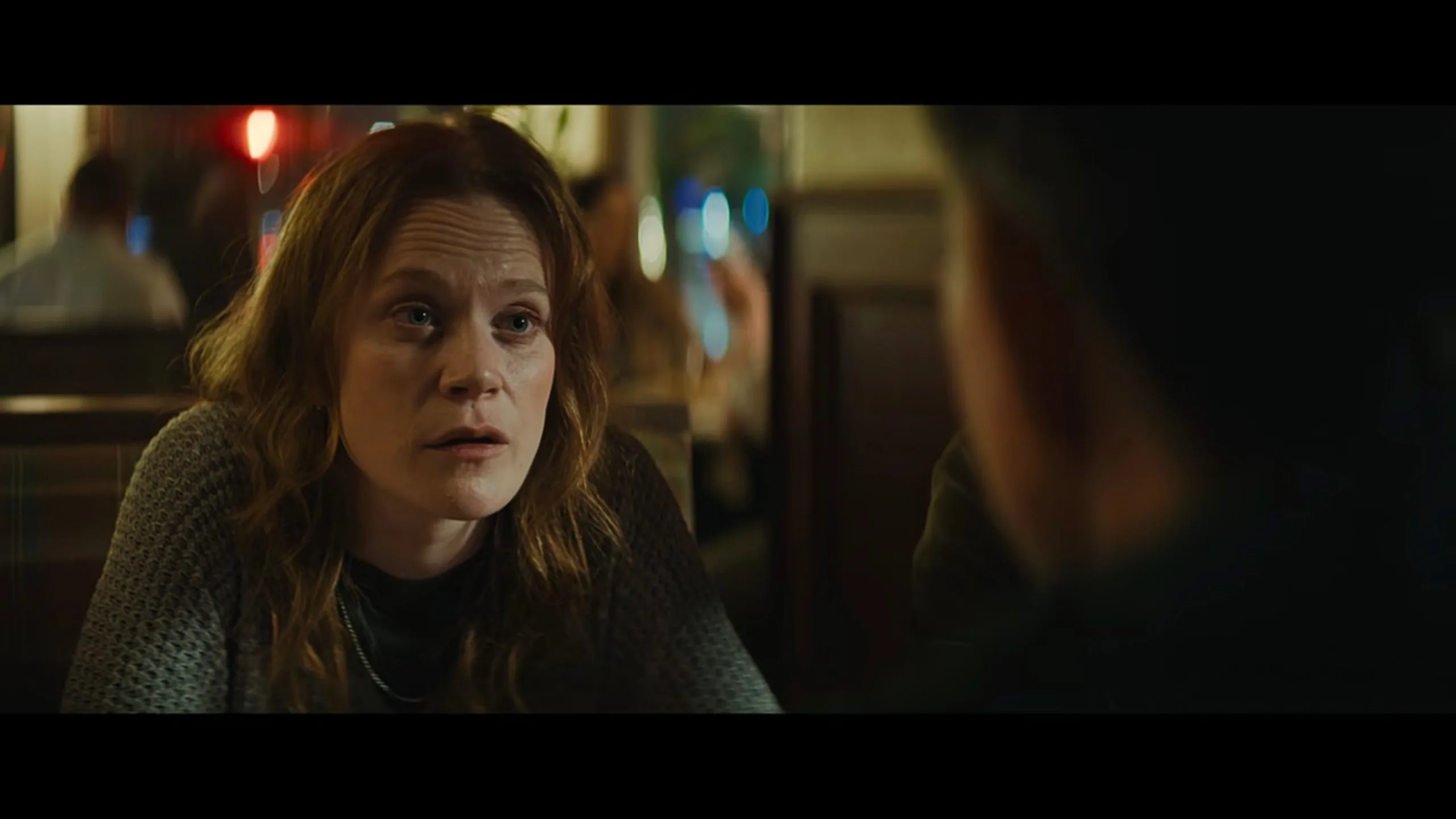
The murders are Peter’s monstrous attempt to force the police to acknowledge what silence feels like.
It is a nasty but effective reveal. A weaker thriller would stop at “traumatized cop becomes serial killer.” “Blood Sacrifice” instead makes institutional self-protection part of the murderer’s origin without letting that corruption excuse what Peter subsequently becomes.
What Does the Midvinterblot Painting Mean?
Peter uses Carl Larsson’s “Midvinterblot” as the design for his murder ritual because the painting depicts a king being sacrificed after years of failed harvests.
The finale returns repeatedly to the artwork. Alma discusses the legend behind it at the museum, explaining how sacrifices escalate when earlier offerings fail. Peter then recreates elements from the painting at his killing ground, including bodies and skull imagery.
One figure remains missing: the King. That is Alfred.
Peter’s choice turns the series title into something more literal. The murdered officers are sacrifices, but Alfred is supposed to be the culminating one. Peter sees him as a senior representative of the system that destroyed his life.
The imagery is admittedly a little theatrical. Peter has moved from understandable rage about buried radio logs to staging Scandinavian murder art in the woods, which is quite a leap. Still, the finale gives the motif an actual dramatic purpose instead of treating creepy paintings as serial-killer wallpaper.
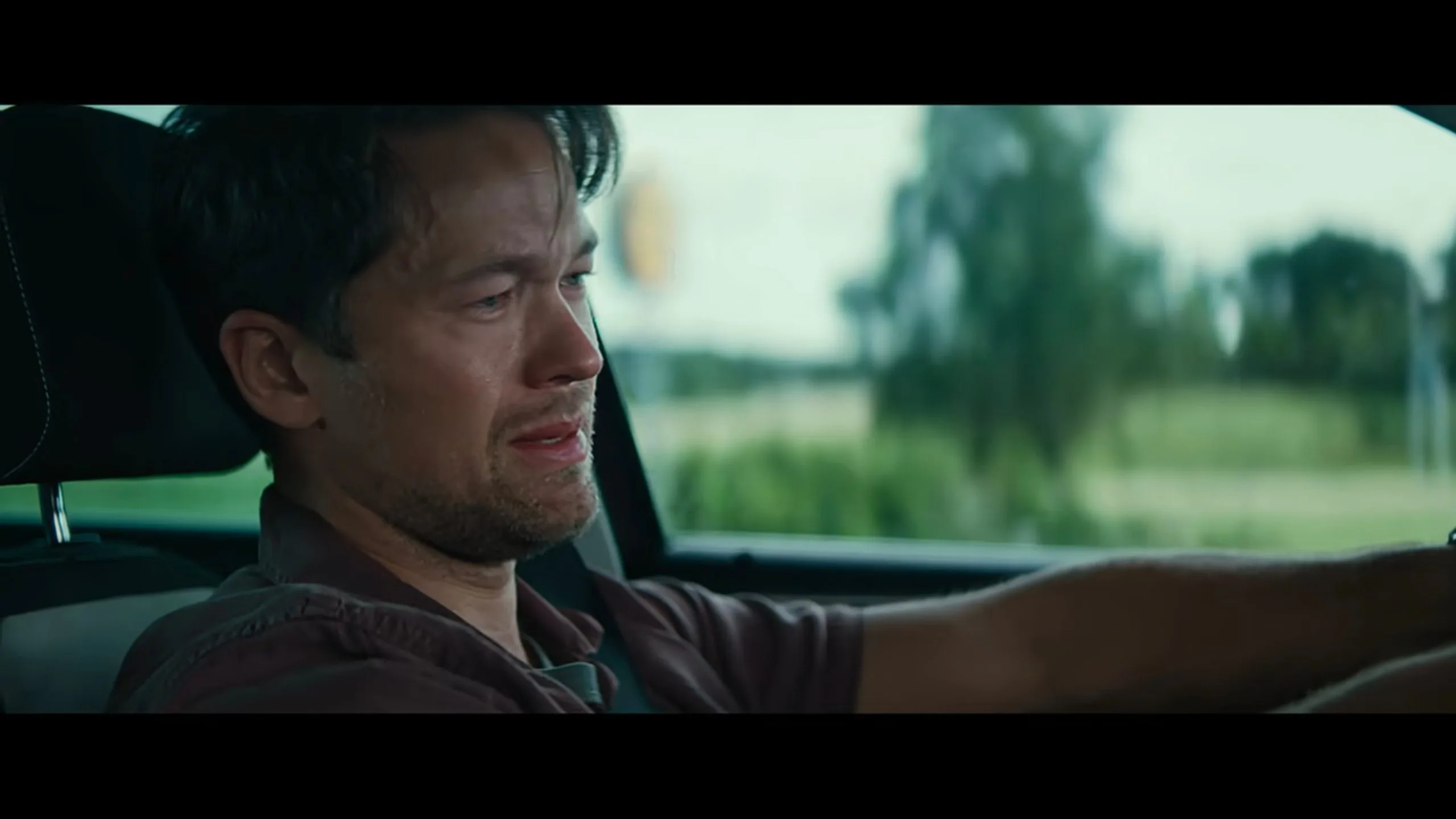
Peter is not choosing victims randomly. He is building toward the person he believes sits closest to the original sin.
Why Does Peter Target Alfred?
Peter targets Alfred because Alfred’s name was given to him as one of the senior officers responsible for the night Hugo died.
There is one complication: Alfred was not actually the person who made the decisive choice.
Rebecca Bjorklund (Irina Bjorklund) and Natalie Eklund (Electra Hallman) eventually uncover what happened. Peter’s calls were suppressed during the internal investigation, and Alfred became the name Peter associated with the command failure. The department effectively gave him a target while hiding the people who protected themselves.
Peter does not know that distinction, or no longer cares about it.
He meets Alfred at the museum and offers him a ride. Alfred quickly realizes who is driving him. Peter, for his part, almost seems pleased that the old detective understands. He wants Alfred conscious enough to understand why he has been selected.
Their hotel scenes are some of the finale’s better material because Alfred refuses to behave like a frightened hostage. He needles Peter, mocks the elaborate “Midvinterblot” symbolism and keeps pulling the conversation back toward Thomas.
Peter does the same thing in reverse. He attacks Thomas through Alfred, dismissing the younger Berg as an inexperienced detective who advanced because he knew how to look the part.
That makes the final target more personal than revenge against a retired superior. Peter wants Alfred to watch Thomas fail.
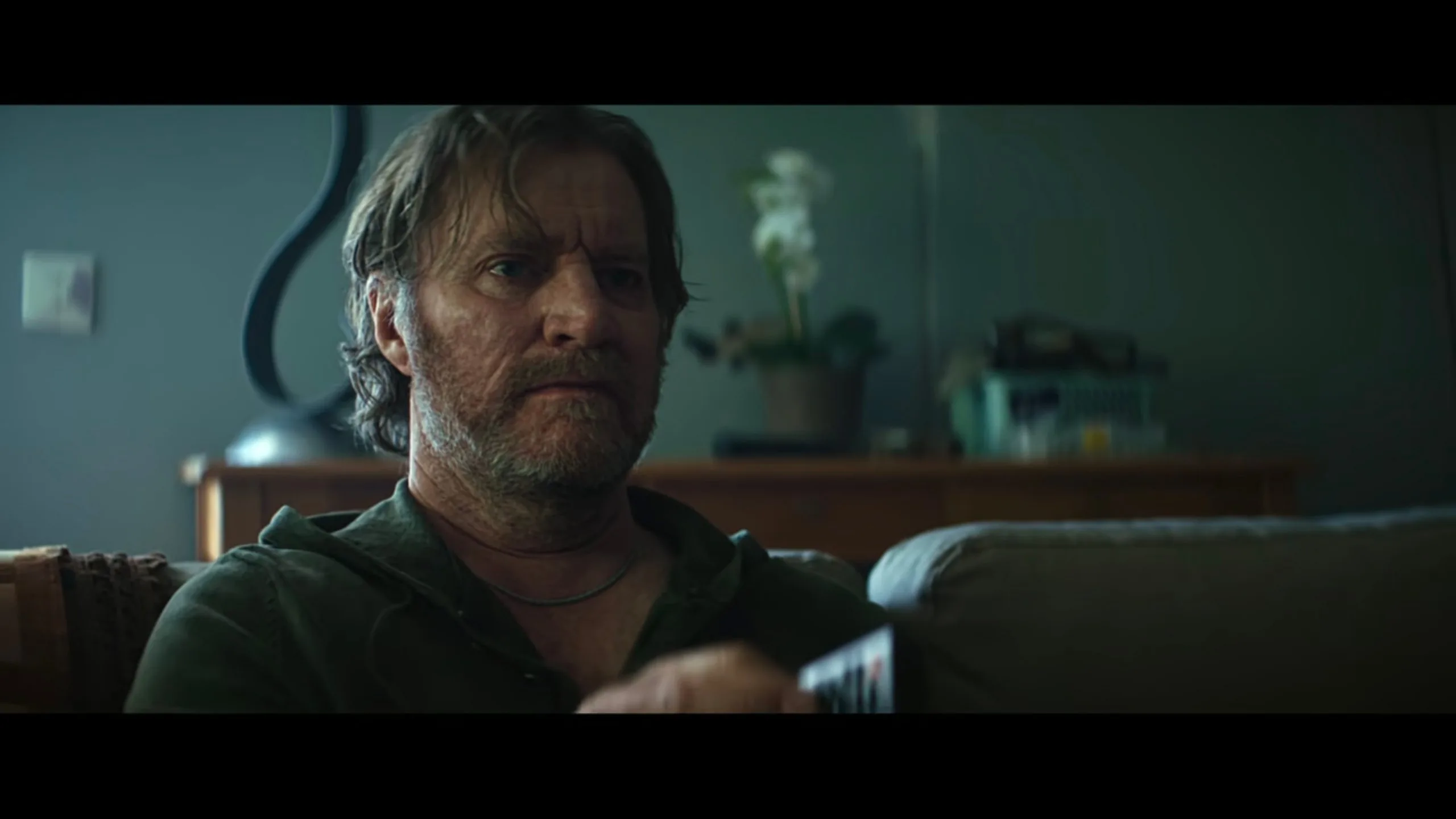
Why Does Thomas Cancel the Backup?
Thomas cancels police backup because he finally understands that Peter’s entire plan depends on recreating Hugo’s death with another officer.
Peter wounds Alfred and engineers another emergency call. Officers begin converging on the location. That is exactly what Peter wants. Thomas realizes the trap first.
If more police arrive, Peter can kill them and complete another version of the original Jarfalla nightmare. Alfred therefore tells his son to stay away, while Thomas orders the responding units withdrawn.
It sounds reckless. In almost any other police drama, voluntarily canceling backup while confronting a serial killer would qualify as spectacularly bad procedure. Here, though, the choice has been properly set up.
Peter spent years asking why nobody came for Hugo. Now Thomas deliberately creates that same silence, but strips Peter of the power he attached to it. “No backup. No sirens.” The difference is agency.
Peter was abandoned by an institution that refused to accept responsibility. Thomas chooses to stand alone because allowing more officers into the killing ground would sacrifice them for Peter’s grievance.
For once, refusing backup is not macho detective nonsense. It is Thomas solving the psychology of the case.
Related: Blood Sacrifice (Blodsoffer) Filming Locations
Do Thomas and Alfred Survive the Ending?
Yes. Both Thomas and Alfred survive the final confrontation, although neither gets away cleanly.
Alfred loses roughly two liters of blood and suffers three broken ribs. Thomas ends up with an injured leg and a punctured lung. Their hospital exchange immediately turns those injuries into a competition, because apparently near-death experiences are still incapable of making the Berg men communicate normally. That is actually the right ending for them.
Creator George Kay has described “Blood Sacrifice” as fundamentally a story about an estranged father and son disguised inside a crime thriller. The finale pays that idea off without suddenly transforming Alfred into a warm father or Thomas into an emotionally transparent son.
Alfred’s crucial change comes before the confrontation. He tells Thomas to leave him and go home to his family. More importantly, he tells him not to repeat Alfred’s mistake.
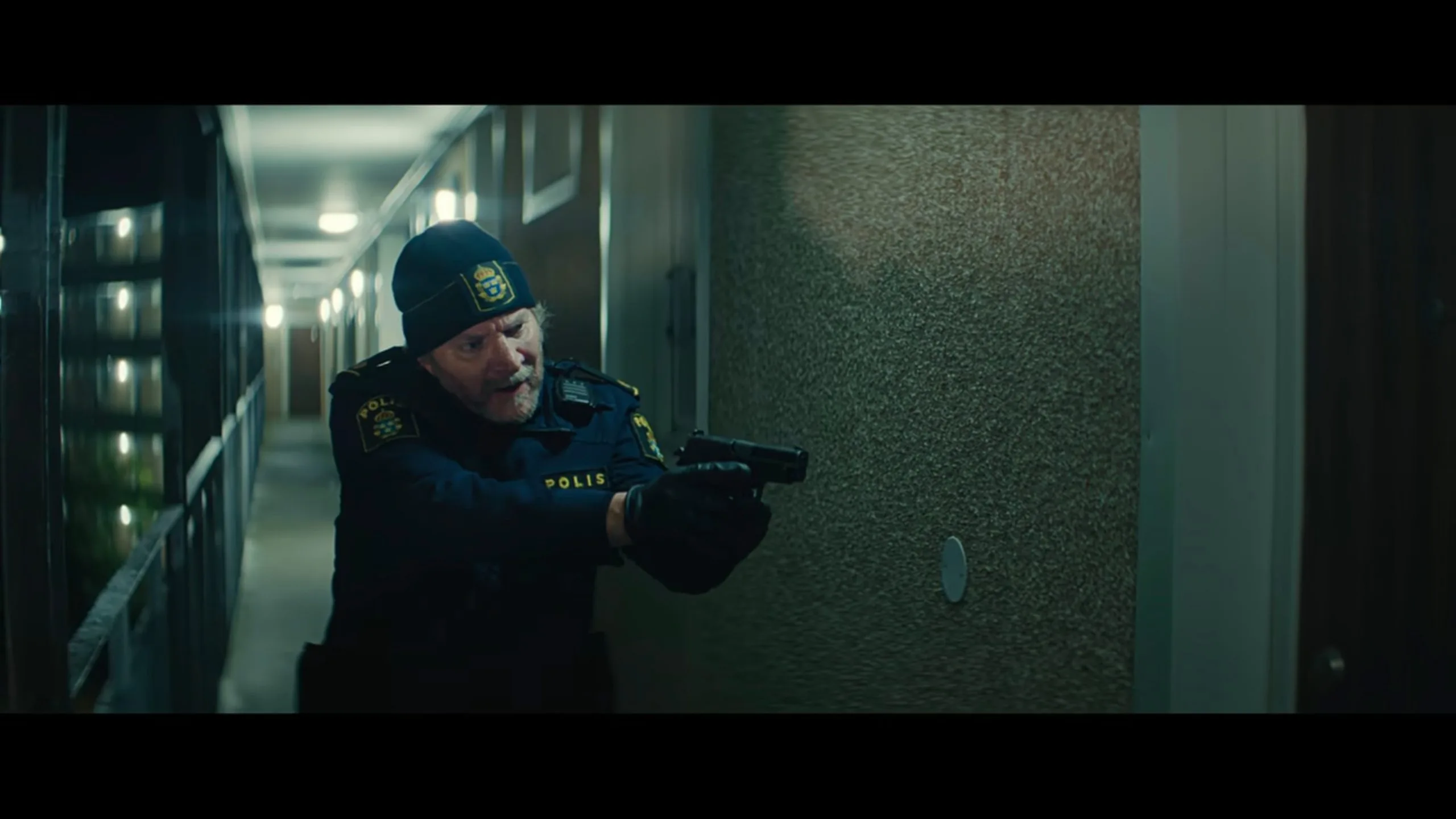
Earlier in the episode, Thomas’s own home life collapses because Charlotte Berg (Lisette Pagler) discovers that he secretly listened to material from her trauma-therapy work. She throws him out and refuses to let him blame Alfred for his behavior.
That scene matters more after Alfred’s warning. Thomas has spent much of the season defining himself in opposition to his father while quietly inheriting some of his worst instincts: the obsession with work, the disregard for boundaries and the belief that solving the case can justify almost anything.
Alfred finally recognizes the cost before Thomas completely repeats it.
The hospital scene then offers reconciliation without becoming sentimental. Alma thanks Alfred for caring about Thomas, and he immediately asks her not to tell him. Of course he does.
The final moments similarly avoid pretending every damaged relationship has been repaired. What has changed is smaller and more believable. Thomas and Alfred no longer need to prove that they are nothing alike. They have survived long enough to recognize where they are alike, which turns out to be much more useful.
Peter’s murders began because one police failure was hidden rather than confronted. The Bergs escape the same cycle by doing the opposite. They finally look directly at what their choices have cost the people closest to them.