Are Wile E. Coyote and the Road Runner Actually Friends? Coyote vs. Acme Explained
For decades, Wile E. Coyote has devoted almost every waking moment to catching the Road Runner, usually with rockets, explosives, giant magnets, catapults, and an endless supply of unreliable Acme products. “Coyote vs. Acme” unexpectedly gives that relationship a much warmer meaning when the Road Runner appears during the climactic government hearing. His testimony reveals…
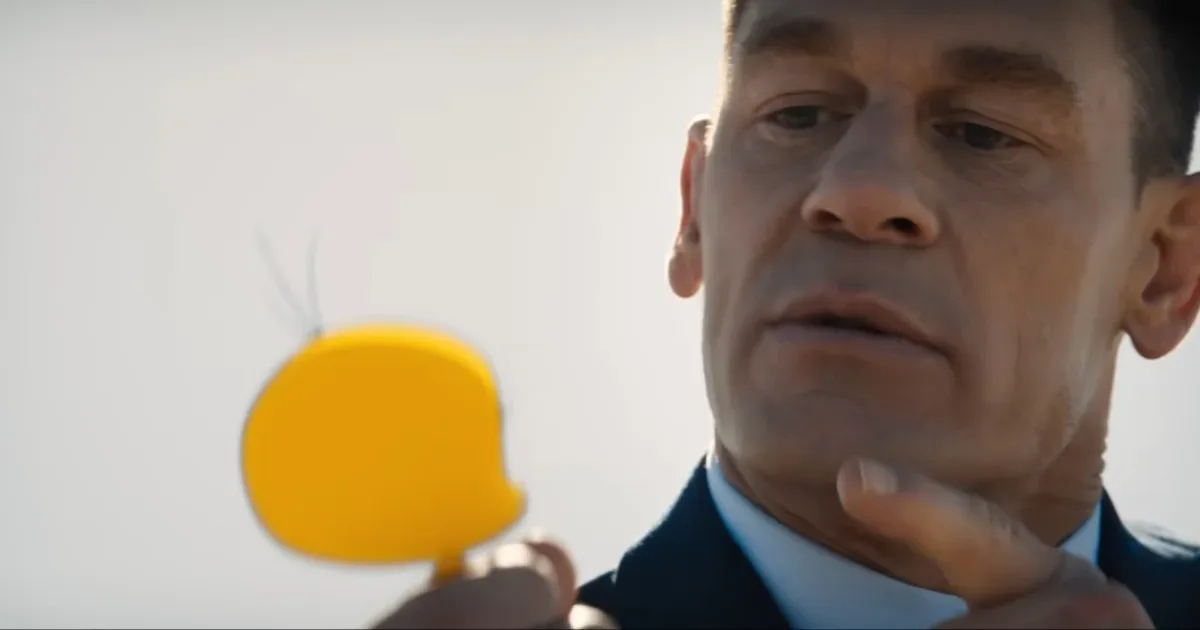
For decades, Wile E. Coyote has devoted almost every waking moment to catching the Road Runner, usually with rockets, explosives, giant magnets, catapults, and an endless supply of unreliable Acme products. “Coyote vs. Acme” unexpectedly gives that relationship a much warmer meaning when the Road Runner appears during the climactic government hearing. His testimony reveals that he considers Wile E. a friend, misses having him around, and wants him to come home. Wile E. is visibly affected enough that he does not immediately attempt to capture the bird. So yes, within “Coyote vs. Acme,” Wile E. Coyote and the Road Runner really are friends, although their friendship still includes the chase that has defined them for generations.
What Does the Road Runner Reveal About Wile E. Coyote?
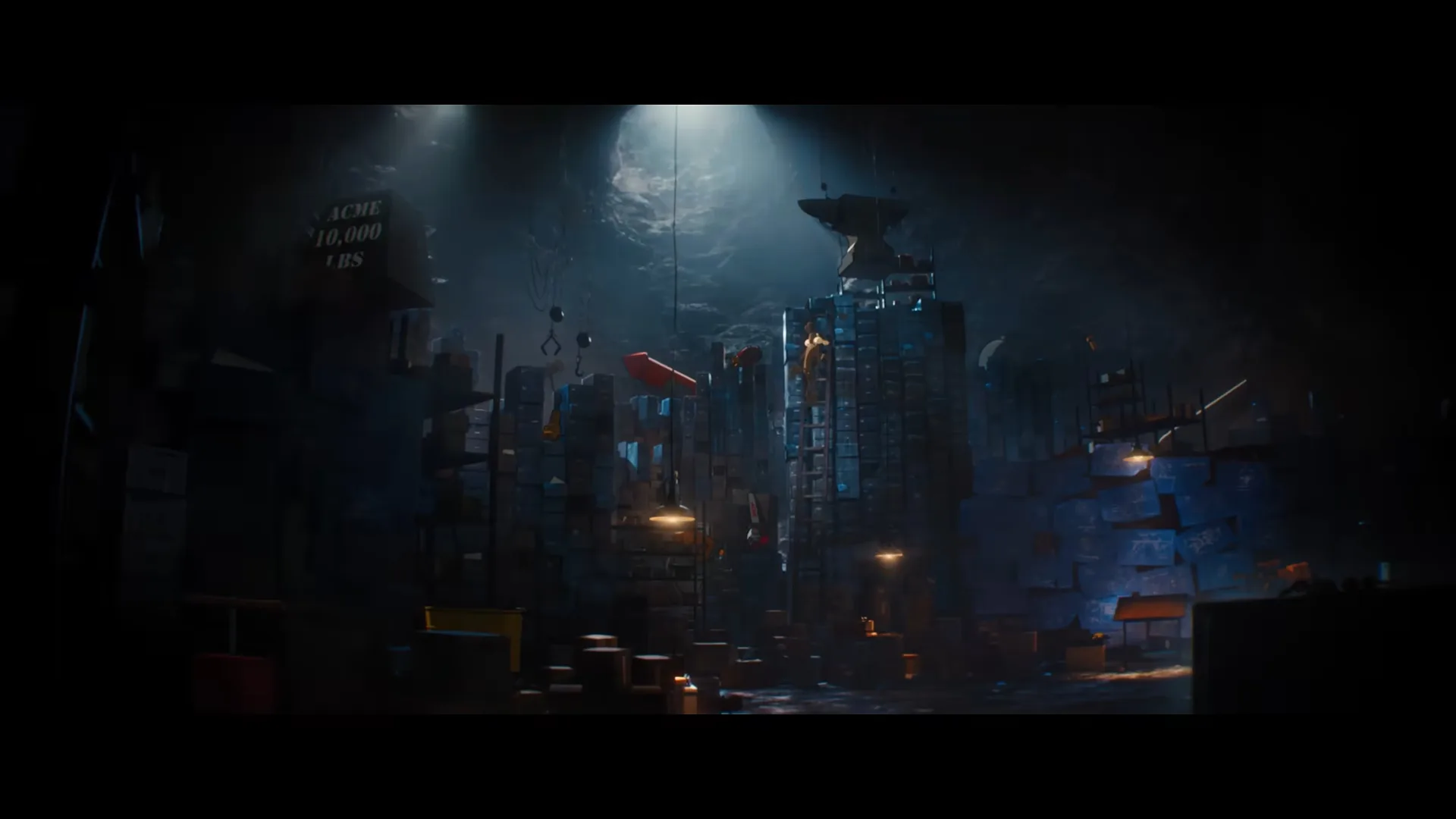
The Road Runner’s testimony confirms that he does not view Wile E. simply as an enemy trying to eat him. By the time he appears at the hearing, Wile E.’s lawsuit against Acme has expanded into an investigation of Project Sisyphus, a program that used cartoon characters to test dangerous products before safer versions reached human customers. The Road Runner helps establish how badly Acme’s products have hurt Wile E. during their years of chasing each other. More unexpectedly, his beeping testimony communicates that he considers the Coyote his friend and has missed him. For a character who has spent decades escaping Wile E.’s traps, that affection changes how the audience can interpret their rivalry.
Also Read: Facing El Chapo Ending Explained
Wile E.’s reaction matters just as much as the testimony itself. He has spent much of the story unable to let go of his obsession with catching the Road Runner, even when Kevin Avery becomes frustrated by how much that fixation controls him. When the Road Runner finally appears, however, Wile E. does not simply see another opportunity to finish the hunt. Hearing that the bird genuinely cares about him temporarily breaks the pattern. It is one of the rare occasions when their relationship becomes emotional rather than purely physical comedy.
Was Their Rivalry Always Just a Game?
“Coyote vs. Acme” does not establish that every previous attempt to catch the Road Runner was secretly fake. Wile E. still wants to capture him, and the movie itself begins by faithfully recreating the familiar predator-and-prey setup. He builds elaborate devices, the Road Runner escapes, and the plan inevitably rebounds on Wile E. with spectacular consequences. The feature therefore does not erase the joke that the Coyote is genuinely pursuing the bird. What changes is the suggestion that years of repeating the same ritual have created a relationship neither character previously had reason to put into words.
That interpretation fits particularly well because Wile E. and the Road Runner have traditionally communicated almost entirely through movement. The Road Runner rarely offers anything beyond his familiar “beep-beep,” while Wile E. generally stays silent in their classic shorts and expresses frustration through looks, gestures, and signs. Their relationship was never built around conversations explaining how they felt about one another. “Coyote vs. Acme” can therefore add an emotional dimension without contradicting pages of old dialogue. The movie simply asks what those characters might mean to each other after spending an absurd amount of their lives together.
Why Doesn’t Wile E. Try to Catch the Road Runner After His Testimony?
Wile E. holds back because the testimony gives him something he has almost never received from the Road Runner: an acknowledgment of their bond. Catching the bird has always been treated as Wile E.’s ultimate goal, but the movie gradually questions whether completing that goal would actually make him happier. Kevin’s own relationship with Wile E. helps expose the problem, because Kevin comes to respect the Coyote’s determination while also recognizing that his obsession can prevent him from seeing what he already has. The Road Runner’s arrival gives Wile E. a brief opportunity to view their history from the other side. He discovers that the creature he considers his life’s greatest objective has been experiencing those same years as a relationship.
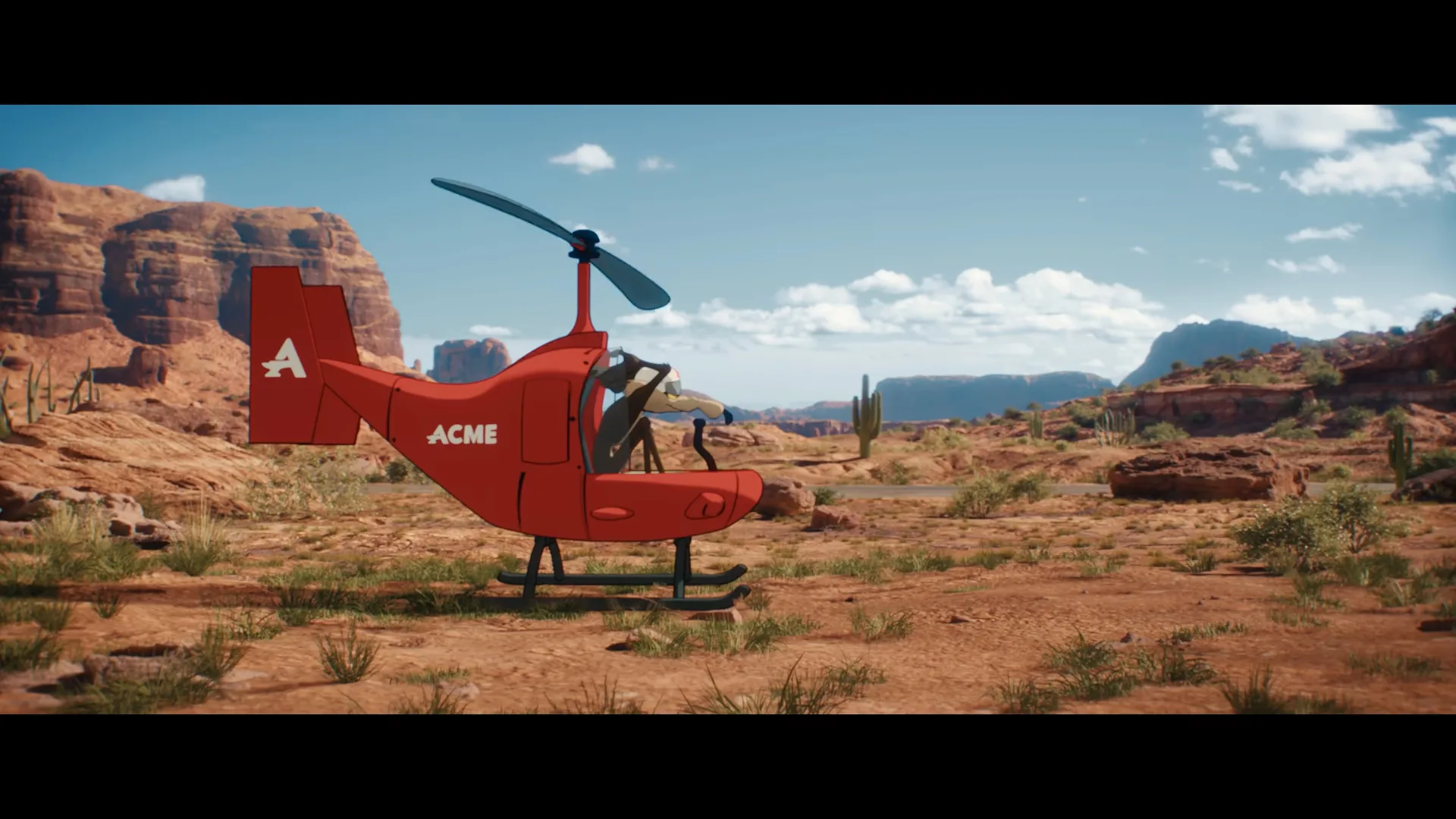
The moment also fits the larger theme of Wile E.’s persistence. The filmmakers do not turn him into a completely different character or suddenly make him uninterested in the Road Runner. Instead, they allow him to appreciate the bird before eventually returning to their familiar routine. That is a better fit for Looney Tunes than permanently ending their rivalry with a heartfelt conversation. Wile E. can care about the Road Runner and still be incapable of resisting another chase.
Does Wile E. Coyote Finally Stop Chasing the Road Runner?
No, and the final sequence makes that deliberately clear. After the Acme conspiracy begins collapsing and Wile E.’s time with Kevin and Paige comes to an end, he eventually reunites with the Road Runner. The two characters do not retire from their old routine or walk peacefully into the sunset together. They begin another chase. The movie therefore preserves one of the most important rules of their comedy while changing what the audience understands about it.
The chase now feels less like a conflict that needs to be resolved and more like something fundamental to both characters. Road Runner apparently misses Wile E. when he is absent, while Wile E. continues to define himself through the impossible task of catching him. Neither seems complete without the other occupying the opposite side of the pursuit. That makes their relationship closer to an endlessly repeated game than a conventional rivalry with a winner and a loser. Ending the chase might actually separate them more permanently than Wile E. ever intended.
Does This Change the Classic Looney Tunes Cartoons?
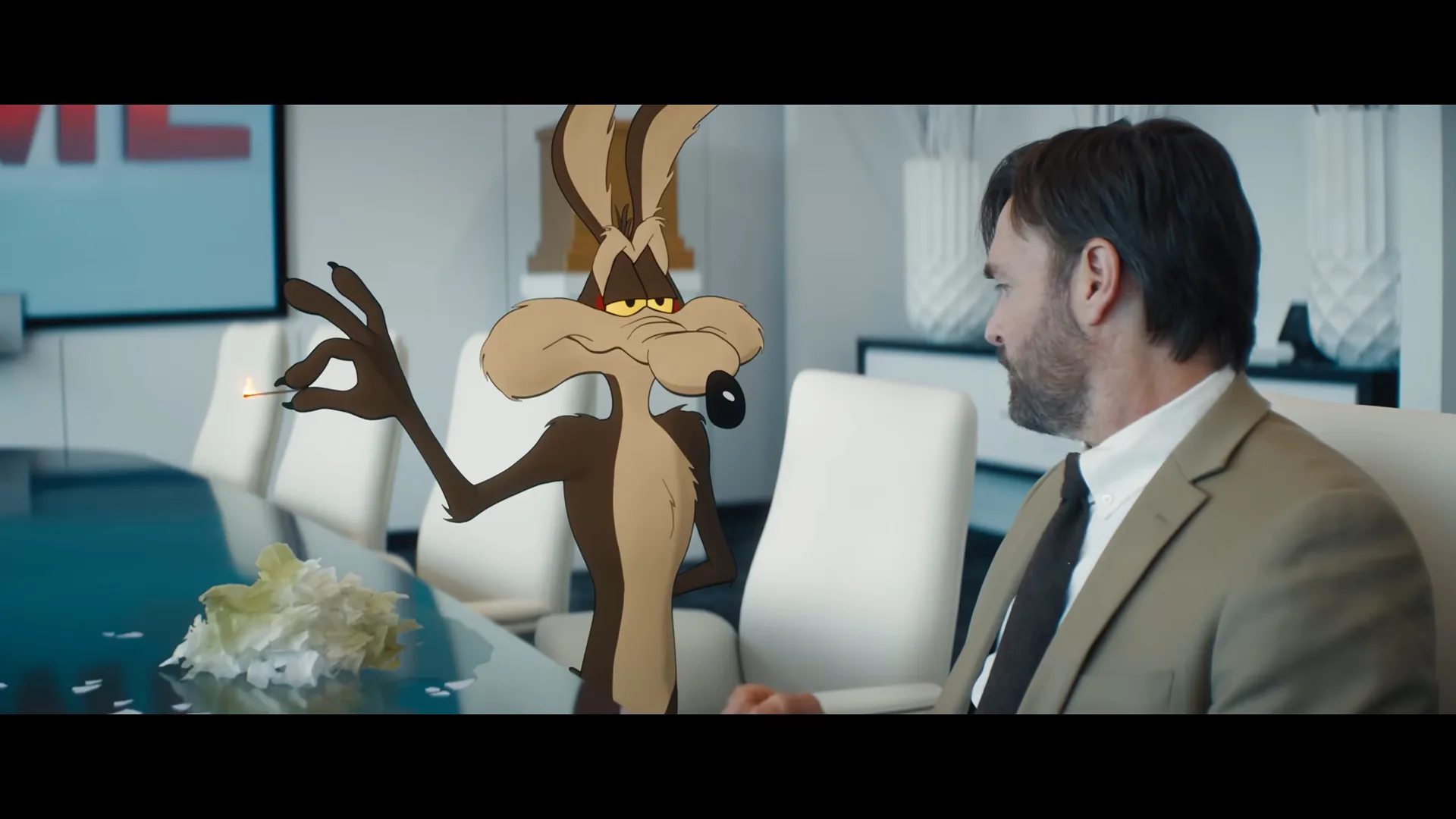
The movie adds a new interpretation rather than rewriting the original cartoons. Chuck Jones and his collaborators designed the Road Runner shorts around a remarkably strict comic formula in which Wile E.’s plans repeatedly failed and the Road Runner remained almost effortlessly beyond his reach. Those shorts did not need an emotional explanation because the repetition itself was the joke. “Coyote vs. Acme” takes advantage of decades of that repetition and asks what kind of bond could develop between two characters who have effectively spent their entire existence together. It is a feature-length story finding emotion inside a formula that was originally designed for short cartoons.
That also explains why the film does not let Wile E. permanently catch the Road Runner. A conventional victory would end the relationship that makes both characters recognizable. Instead, Wile E. learns something arguably more valuable than how to defeat his rival. The Road Runner has noticed his persistence, cares about him, and even misses him when the chase disappears. Wile E. may still want to put the bird on his dinner table, but “Coyote vs. Acme” makes the wonderfully Looney Tunes argument that the Road Runner might also be the closest thing he has to a lifelong best friend.