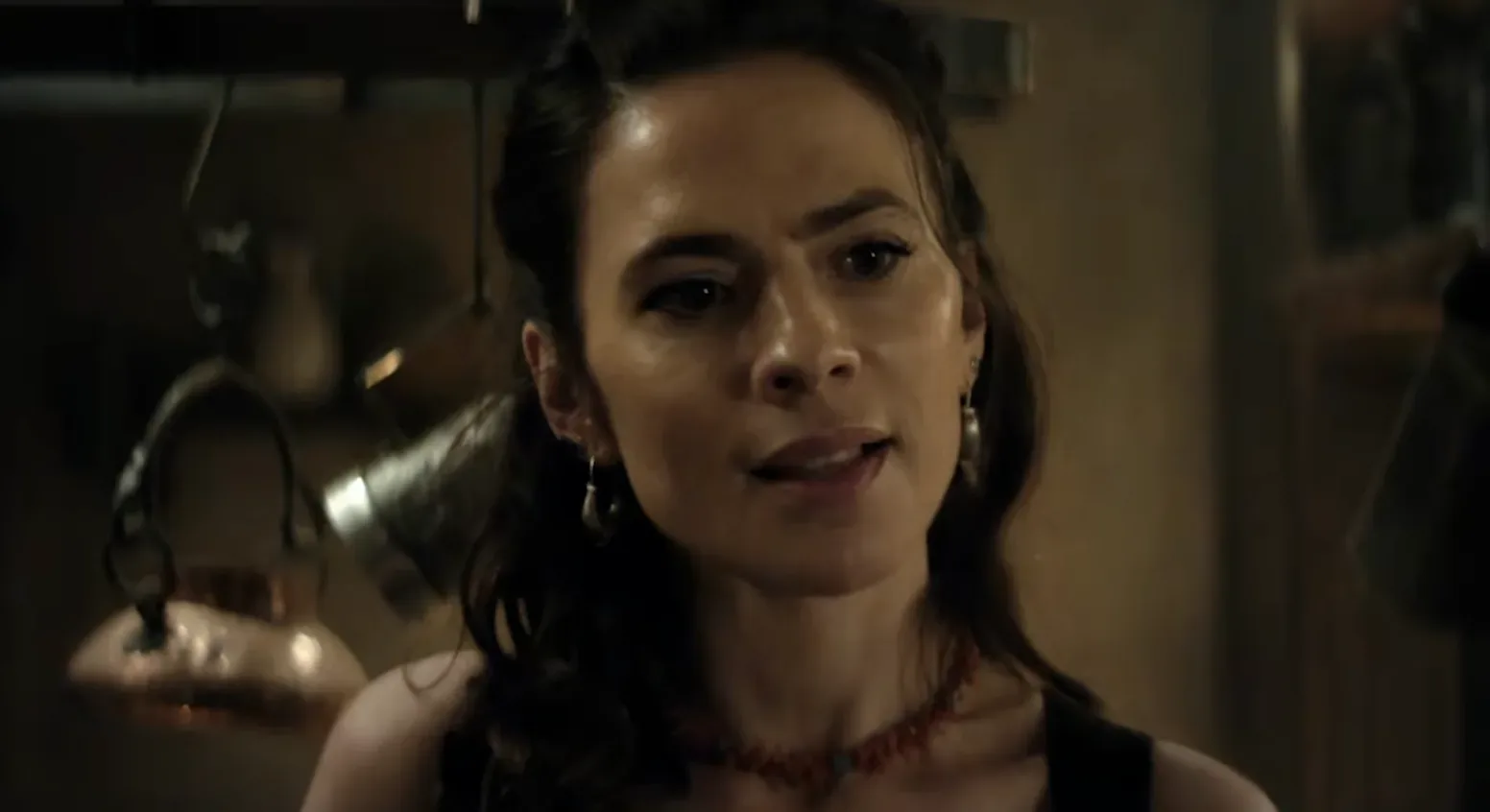
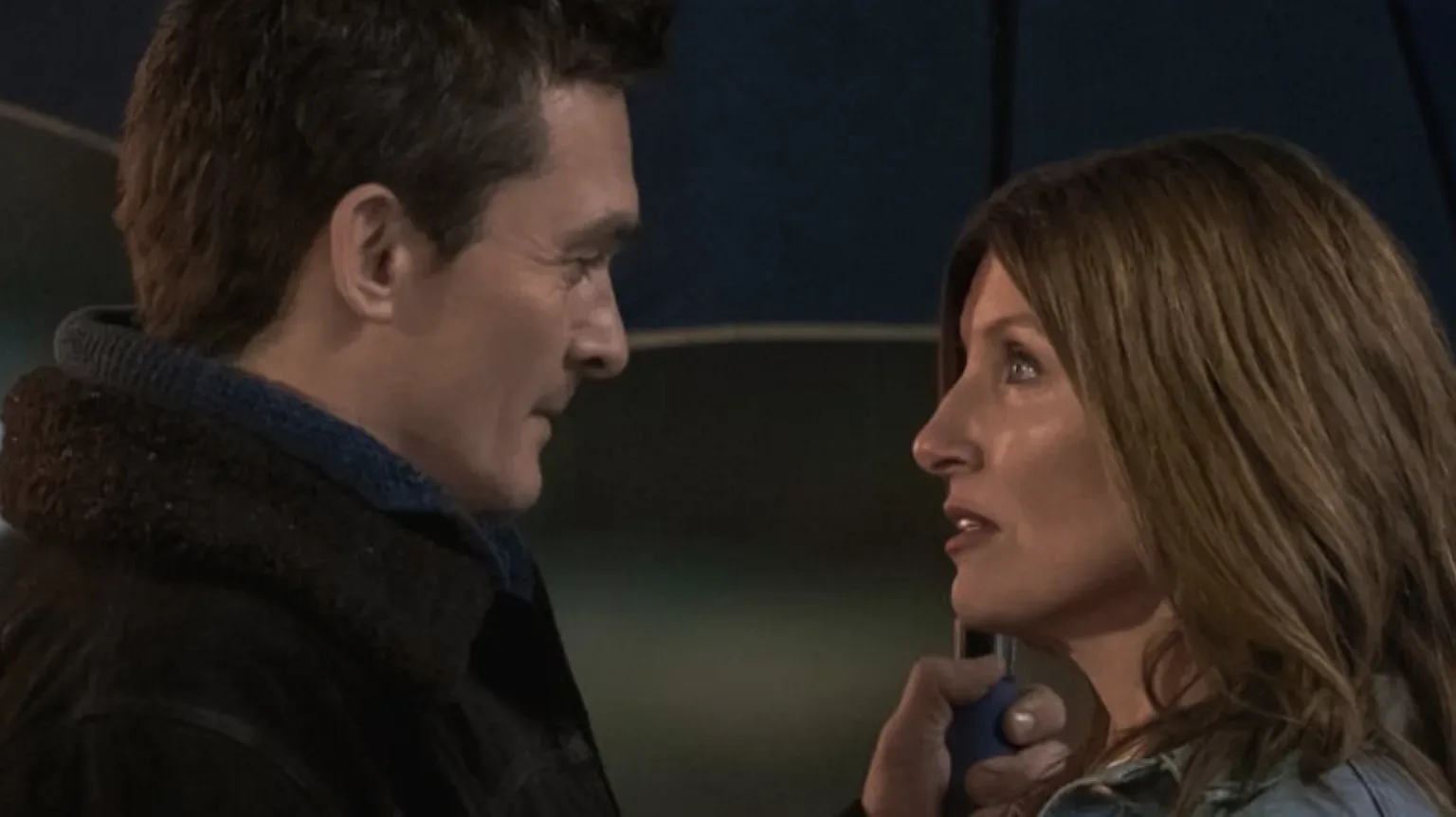
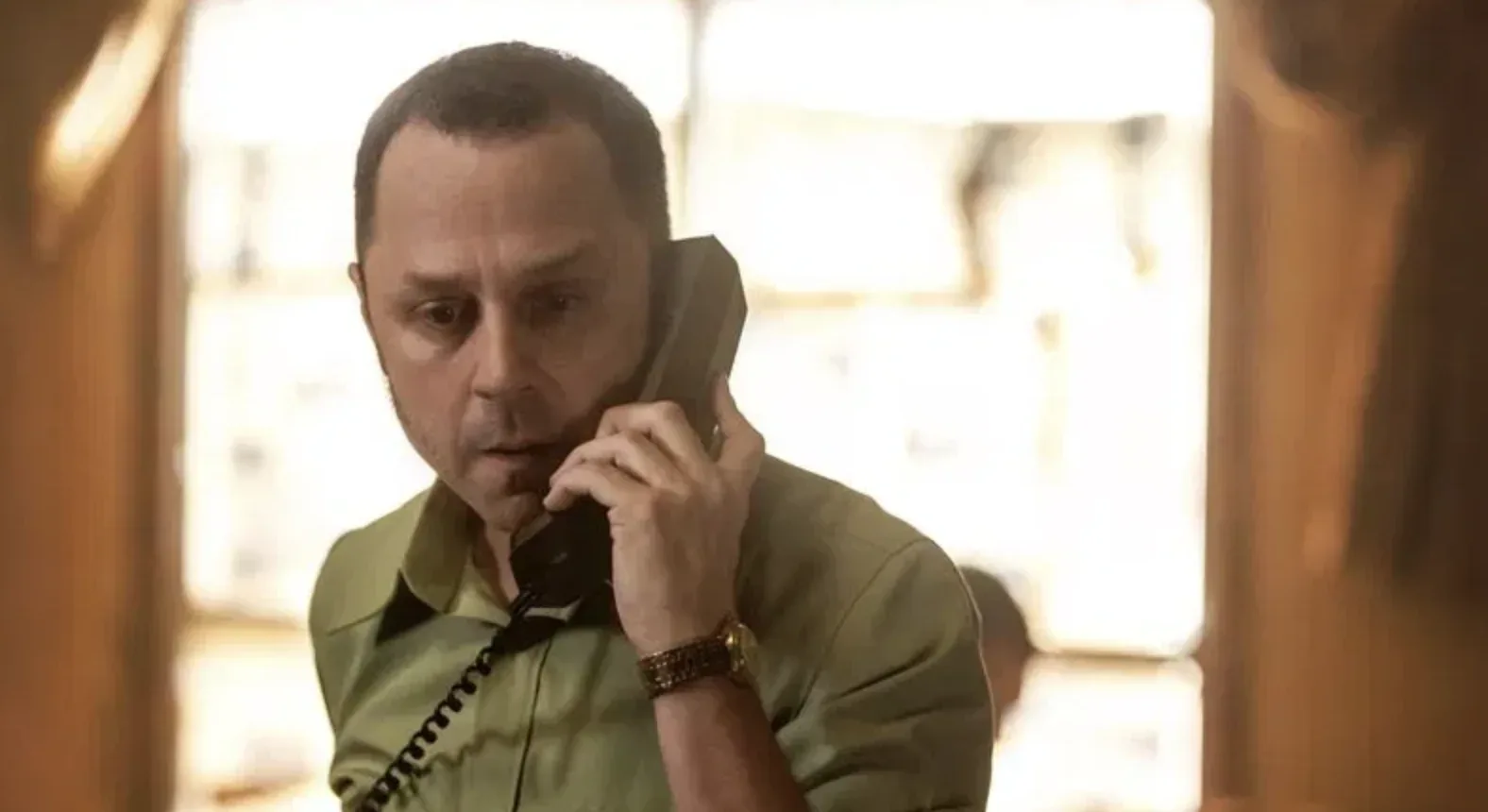
Apple TV+’s Disclaimer Finale Recap and Ending Explained
Alfonso Cuaron's Disclaimer finale reveals Catherine was raped, not complicit. Here is a full recap of Episode 7, the photograph twist.
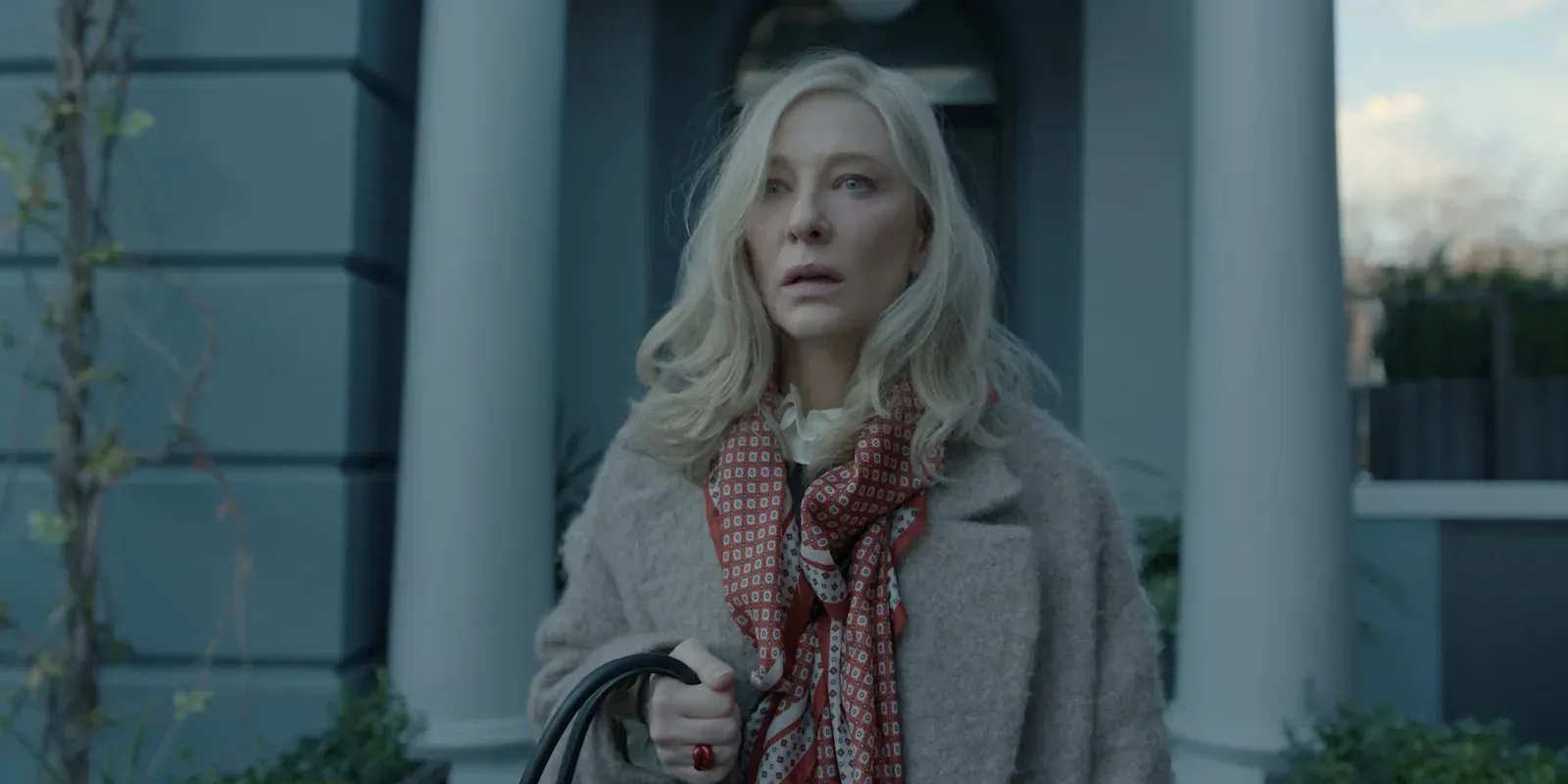
Full spoilers follow for all seven episodes of Disclaimer, including the finale.
The finale of Alfonso Cuaron’s seven-episode Apple TV+ series answers its central question plainly: Catherine Ravenscroft (Cate Blanchett) did not have an affair with Jonathan Brigstocke (Louis Partridge). He raped her. The novel that has upended her life was built entirely on a lie, constructed from grief and a mother’s refusal to know the truth about her son. By the time the credits roll on Episode 7, the revenge campaign that threatened to destroy Catherine’s family has collapsed under the weight of evidence its architect could not ignore.

What Really Happened in Italy
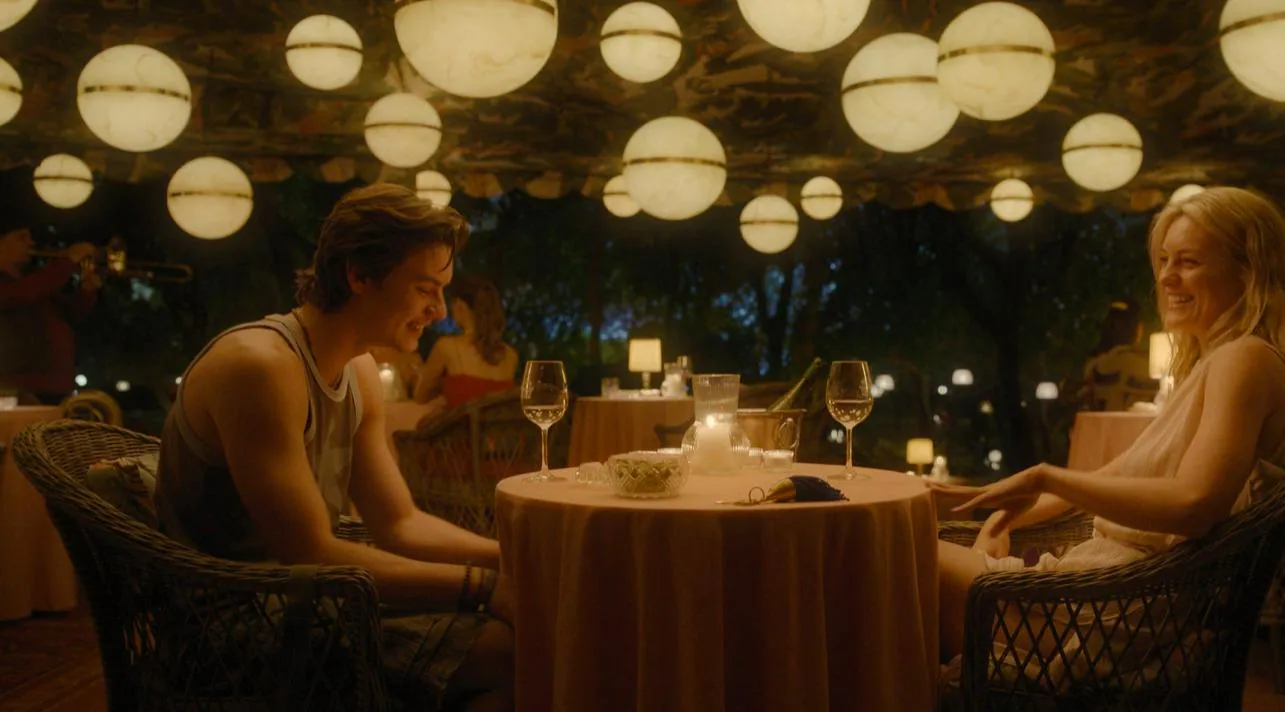
Jonathan tracked Catherine to her hotel room, forced her to pose for explicit photographs at knifepoint, and raped her. The series spent six episodes showing viewers a version of events drawn from Nancy Brigstocke’s fictional manuscript, “The Perfect Stranger”: a bored young mother seduces a teenage boy on holiday, the boy drowns saving her son, and she denies everything afterward. The finale replaces that version entirely.
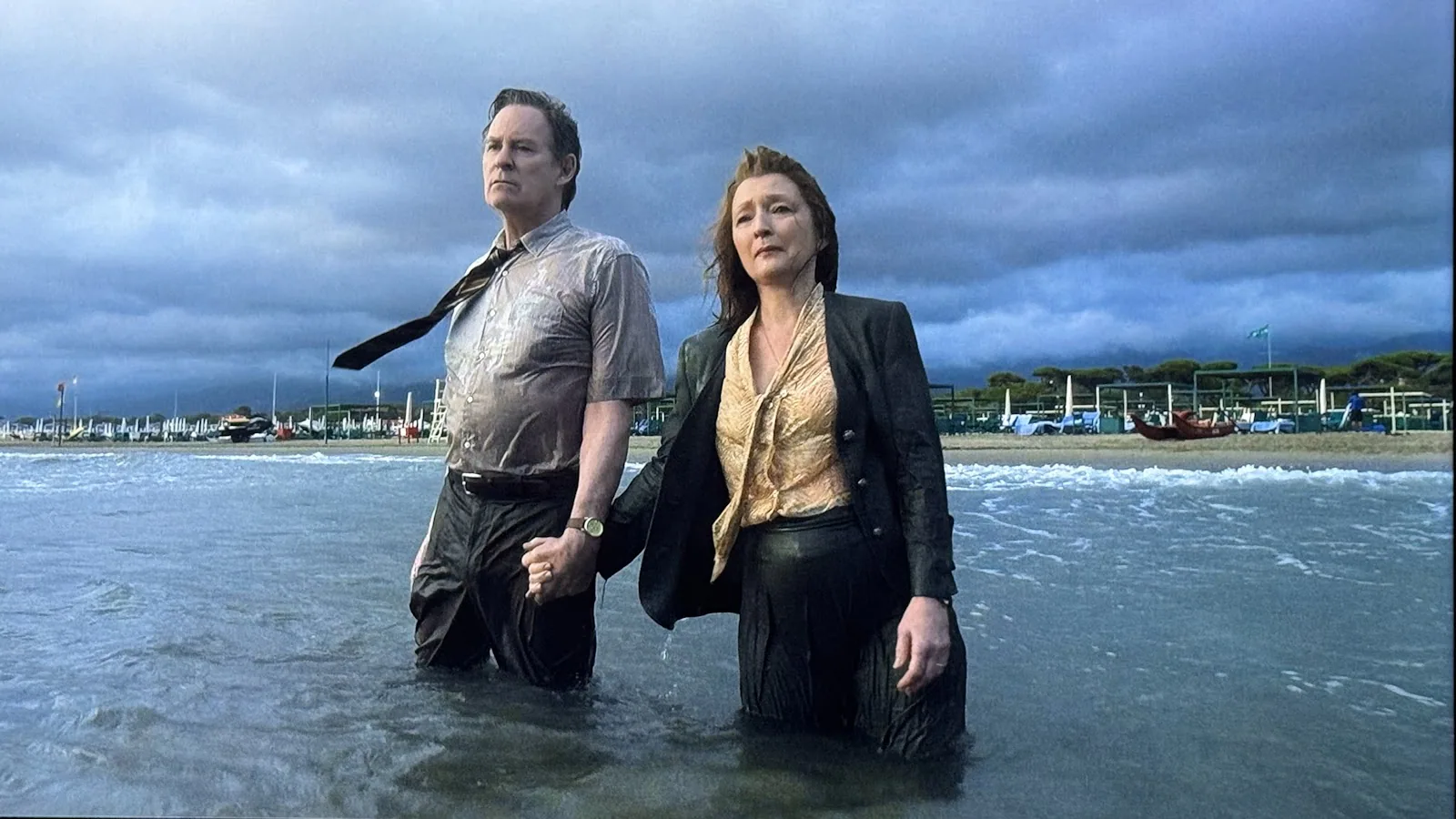
The following day, Catherine’s young son Nicholas (Kodi Smit-McPhee as an adult; Bertie Haarer and George Haarer as the child in the flashbacks) nearly drowned in the sea. Jonathan ran in after him and drowned himself. Catherine, standing on the beach, chose not to call out to save the man who had assaulted her the night before. His death meant the trauma could stay buried. That calculation held for twenty years.
Director Alfonso Cuaron told Yahoo Entertainment that he was deliberate about keeping Catherine’s account away from viewers for six episodes: “We always say that this show should be seen twice because on the second view, you’ll see a completely different story.”

Who Wrote “The Perfect Stranger” and Why
Nancy Brigstocke (Lesley Manville) wrote the book, not her husband Stephen (Kevin Kline). After Jonathan’s death, Nancy discovered explicit photographs of Catherine among his belongings and constructed a narrative in which her son died the victim of a scheming older woman. She gave up everything else and wrote the manuscript in his former bedroom. She died of cancer before it was published.
Stephen found the manuscript after Nancy’s death, along with the photographs. He arranged to have the book printed under the pseudonym E.J. Preston and distributed it specifically to destroy Catherine’s reputation in front of everyone who knew her. He believed his wife’s account completely, or chose to.
The Photograph Stephen Pulls From the Fire
The photograph stops Stephen mid-burn and changes his understanding of everything. In the mirror visible within the image Jonathan took the night of the assault, a small boy is watching from the room: young Nicholas was present during the rape.
This detail reframes the series’ entire portrait of adult Nicholas. His emotional distance from Catherine, his inability to hold his life together, his blocked memory of the Italian holiday are all shown in a different register once the photograph surfaces. Screen Rant’s coverage of the photograph scene characterizes complete amnesia as a documented response to childhood trauma. The show frames Nicholas’s suppressed recollection as a consequence of what he witnessed rather than any failure between mother and son.
Why Stephen Stops Himself From Harming Nicholas
Stephen abandons his plan to kill Nicholas because a delirious Nicholas wakes in the hospital bed, reaches for his hand, and calls out for his mother. Stephen had arrived at the hospital intending harm, and Catherine had already intervened once when he attempted to inject Nicholas with a substance. The second attempt ends not with intervention but with that one murmured word.
Cuaron described Stephen’s arc to Yahoo Entertainment through the proverb he said guided him throughout the series: “Revenge and retribution are just going to end up in the same way…it’s just like the saying, ‘He who seeks revenge should dig two graves.'” Stephen set out to punish someone for his son’s death and came close to committing exactly the kind of harm he had attributed to Catherine. After leaving the hospital, he goes to Robert (Sacha Baron Cohen) and confesses everything, including what the photograph showed him.
How the Narrator Structure Shifts in the Finale
Catherine speaks for herself in the finale for the first time: the Italian flashbacks in Episode 7 carry her own first-person narration rather than the voice of Indira Varma. For six episodes, Varma delivered a second-person narration on Catherine’s side of the story, addressing Catherine as “you” in what Cuaron described in a Variety interview as an “accusatory tense.” Kevin Kline narrated Stephen’s storyline in the first person throughout, a structural choice that gave Stephen’s version authority Catherine’s account was never granted.
When Catherine narrates the assault herself, the shift is legible immediately. Cate Blanchett told Screen Rant that women describing what they have felt are “seeking clarity and understanding” rather than vengeance. Cuaron noted in a Variety interview that Blanchett was “adamant to make sure that every single detail of what we’re telling is the truth, that we’re not manipulating the information.”
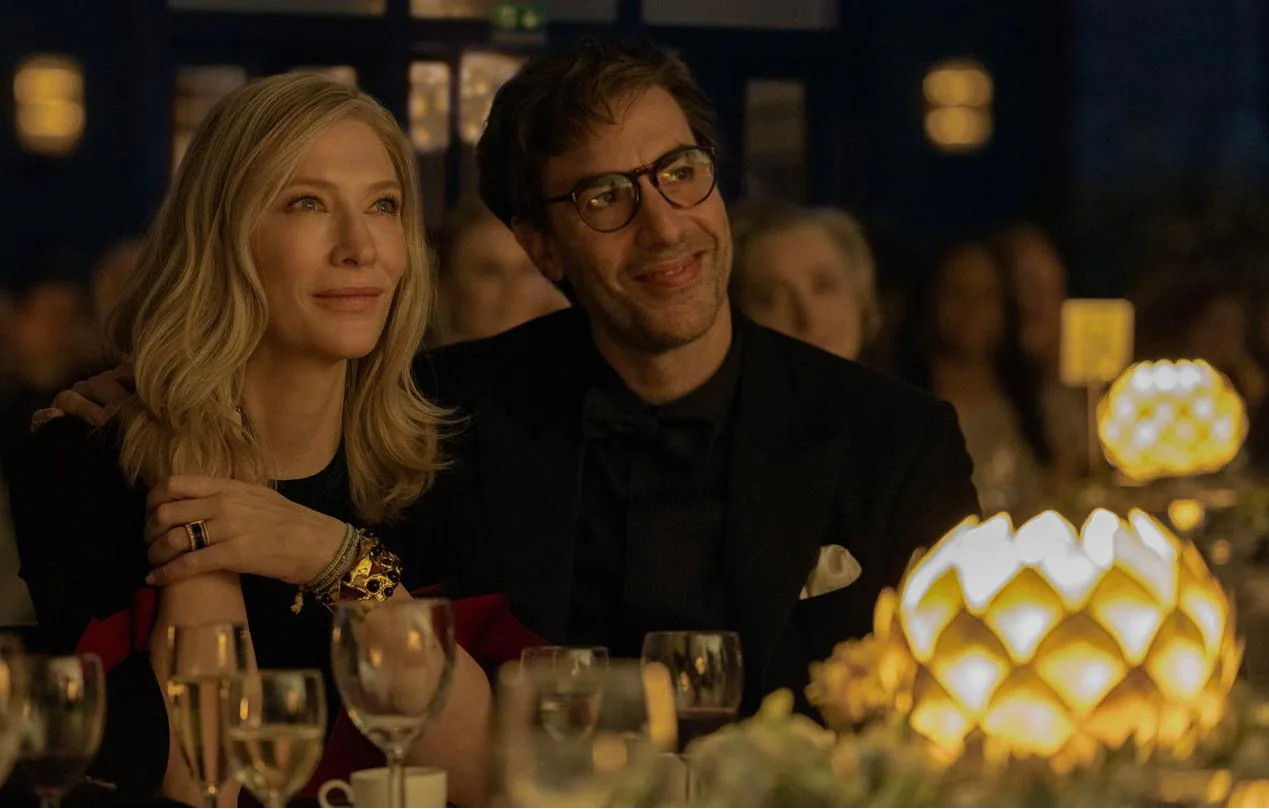
The confrontation between Robert and Stephen delivers the finale’s most direct accounting of who chose to believe Nancy’s version and why. Robert asks Stephen why he never questioned his wife’s account. Stephen turns the question back: “Why didn’t you?”
Where Catherine and Robert End Up
The marriage does not survive the finale. In the scene where Robert learns the truth, the series frames his relief as relief that Catherine was not unfaithful to him rather than relief that she survived the assault. The series shows Catherine register that distinction.
The series presents Catherine’s departure without positioning it as retaliation against Robert, then closes on her focus on rebuilding her relationship with Nicholas, a significant shift from the career-first posture the show establishes for her across earlier episodes. Blanchett, speaking to Screen Rant, described what the finale offers Catherine as clarity: not a reckoning with the world but an end to the weight of silence.

The narrator structure and the photograph answer the same question from different angles. The six-episode delay in granting Catherine her own voice mirrors the two-decade delay in her son learning what he witnessed. Both are consequences of the same event, and both are resolved in the same finale.