A Killer Story Episode 3 Recap: Dana Chandler’s Third Trial Brings a Final Verdict
HBO’s A Killer Story reaches its most consequential chapter in Episode 3, titled “A Dangerous Notion.” After spending much of the series examining the case against Dana Chandler and the people who became convinced that something had gone seriously wrong with her prosecution, the finale returns to court for two very different outcomes. What begins…
HBO’s A Killer Story reaches its most consequential chapter in Episode 3, titled “A Dangerous Notion.” After spending much of the series examining the case against Dana Chandler and the people who became convinced that something had gone seriously wrong with her prosecution, the finale returns to court for two very different outcomes. What begins with another uncertain trial eventually leads to Chandler taking an extraordinary legal gamble that changes the direction of the entire case.
Episode 3 first completes Chandler’s 2022 retrial, where a late-arriving witness creates new questions instead of providing the clarity prosecutors hoped for. That proceeding ends without a unanimous verdict, but the story is far from over. By 2025, Chandler is standing before another jury after making the remarkable decision to dismiss her attorneys and represent herself.
Related: Is A Killer Story Based on a True Story? The Dana Chandler Case Explained
Terri Anderson’s Testimony Creates More Questions
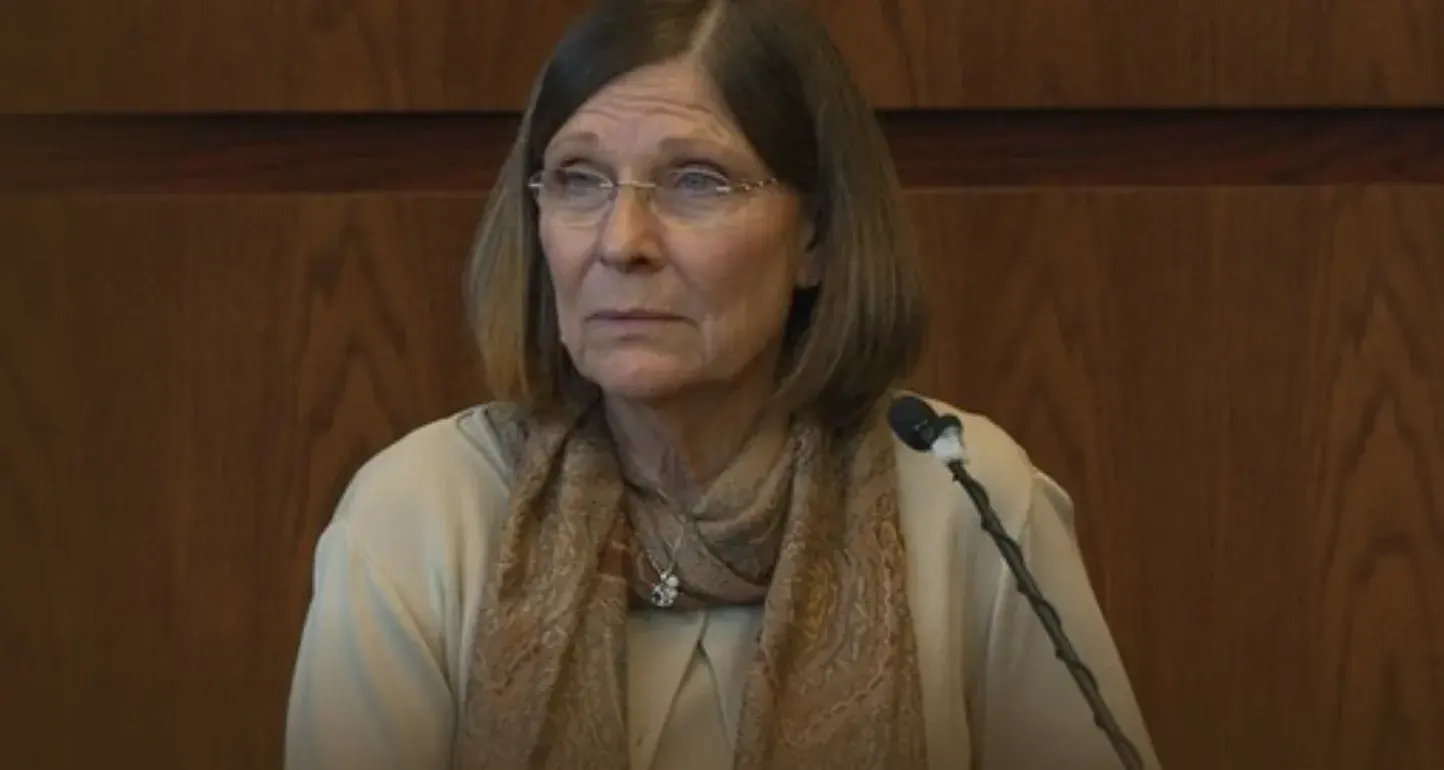
Episode 3 picks up with Terri Anderson, the witness introduced near the end of the previous chapter. Anderson says she heard several loud sounds near Karen Harkness’ home and later noticed someone in the area whom she identified as Dana Chandler. Her account initially appears significant because prosecutors had struggled to place Chandler in Kansas at the relevant time.
The problem emerges when the defense begins examining Anderson’s timeline more closely. Anderson initially remembers the incident taking place before midnight, but other evidence indicates Mike Sisco and Karen Harkness were not yet home during the period she described. That discrepancy immediately complicates the value of her identification.
There is another issue involving a 911 call Anderson remembers making. Investigators are unable to locate a corresponding call connected to her home phone, cell phone, or address, creating further uncertainty about when the incident she remembers actually took place. The episode uses those inconsistencies to show why eyewitness memories can become especially difficult to evaluate many years after an event.
Detective Lance Green also acknowledges that Anderson’s original timeline does not fit neatly with the established sequence of events. Anderson herself appears unsettled when confronted with information she says she had not previously been shown. Instead of becoming the decisive eyewitness prosecutors might have wanted, her testimony adds another complicated layer to the case.
Dana Chandler’s 2022 Retrial Ends Without a Verdict
After closing arguments, the jury begins deliberating, but reaching a unanimous decision proves impossible. The discussions continue for several days as jurors remain divided over whether prosecutors have established Chandler’s involvement beyond a reasonable doubt. The longer deliberations continue, the clearer it becomes that the jury is struggling with some of the same questions that have surrounded the case for years.
Eventually, jurors inform Judge Cheryl Rios that they cannot reach an agreement. The final split is seven jurors supporting conviction and five supporting acquittal, resulting in a mistrial. It is another dramatic turning point in a case that had already seen Chandler’s original convictions overturned.
One of the concerns discussed afterward is the lack of direct evidence establishing Chandler’s presence in Topeka at the crucial time. That question had followed the investigation from its earliest stages and remained important even after weeks of testimony during the retrial. For the jurors who were not convinced, that missing link appears to have played an important role.
For Chandler’s supporters, the hung jury reinforces their belief that the prosecution’s theory contains unresolved gaps. Prosecutors see the outcome differently and decide that the case should be presented to another jury. That decision sends Chandler toward a third trial and one of the most unusual chapters of the entire documentary.
Why Does Dana Chandler Represent Herself?
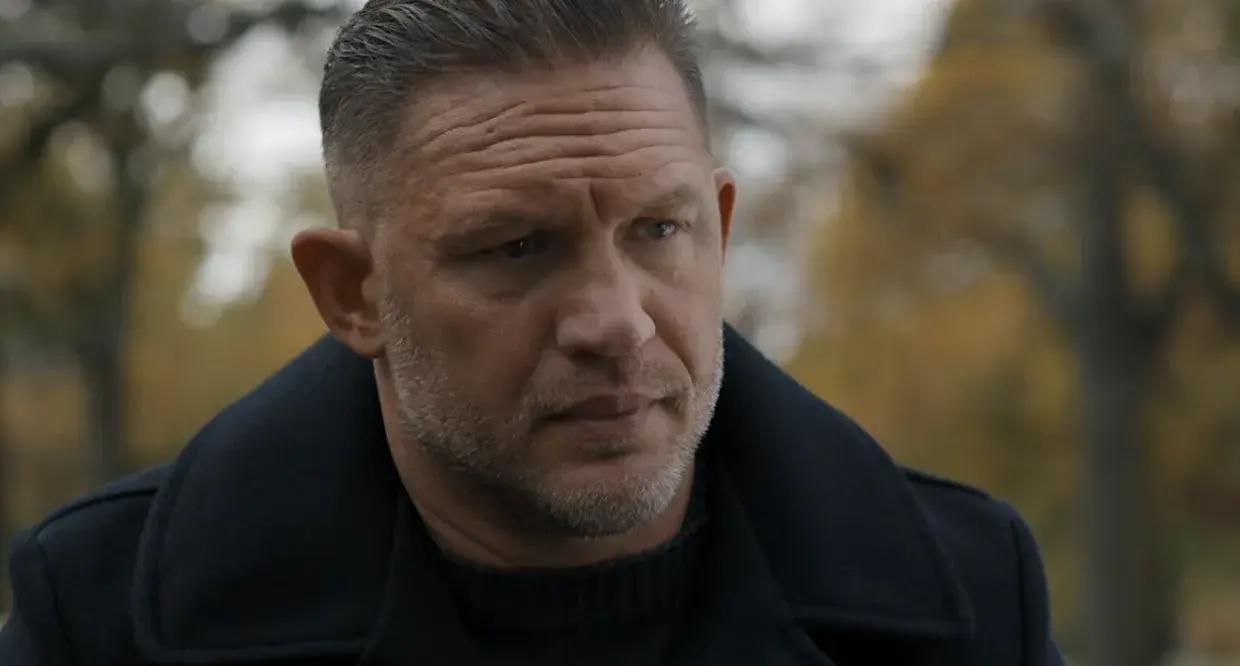
The third trial takes A Killer Story in an unexpected direction. Before proceedings begin in February 2025, Chandler dismisses her defense attorneys, Tom and Tricia Bath, and chooses to represent herself. Tom Bath remains available as standby counsel, but Chandler assumes responsibility for questioning witnesses and presenting her defense directly to the jury.
Her familiarity with the enormous case file initially gives her some confidence in court. Chandler questions investigators about what she considers major weaknesses in the prosecution’s evidence, including the absence of fingerprints or DNA connecting her to the home. She also returns repeatedly to the question of whether investigators ever established that she possessed the type of firearm associated with the case.
Those arguments are not new, but hearing Chandler personally make them changes the courtroom dynamic. She clearly knows many of the details after spending years studying the investigation and previous trials. However, knowing a case file is very different from navigating evidentiary rules, courtroom procedure, and the strategic demands of examining witnesses.
Throughout the trial, Chandler encounters repeated objections and struggles with restrictions on what she can ask. At several points, the documentary shows her losing momentum because a question is not presented in a legally acceptable way. Her decision to represent herself therefore becomes more than an unusual courtroom detail, as it directly shapes how the jury hears her defense.
Chandler Questions Her Own Daughter
One of the most emotionally difficult parts of the third trial comes when Chandler’s daughter, Hailey Seel, takes the stand. Because Chandler is acting as her own attorney, she has to question Hailey directly, turning years of family tension into a courtroom exchange witnessed by the jury.
Hailey challenges several parts of her mother’s narrative and discusses her own memories of the family. Chandler attempts to question those recollections and explain her own perspective, but the exchange becomes increasingly personal. The documentary allows the tension between them to speak for itself rather than treating the testimony only as another piece of legal evidence.
The scene also demonstrates one of the risks created by Chandler’s decision to act as her own lawyer. A traditional defense attorney could have questioned Hailey while keeping some emotional distance between mother and daughter. Instead, every question comes directly from Chandler, making the confrontation much more personal and potentially affecting how jurors perceive both women.
Dana Chandler Takes the Stand
Chandler eventually makes another major decision by testifying in her own defense. She discusses her marriage to Mike, their divorce, her relationship with their children, and the difficult period that followed the breakdown of the marriage. She also addresses personal problems she experienced at the time, including alcohol use and the instability surrounding the relationship.
Taking the stand gives Chandler an opportunity to explain herself directly to jurors without relying on another witness. At the same time, it allows prosecutors to question her about statements she made during the original investigation. That becomes particularly important when they compare her present account with what she previously told Detective Richard Volle.
Questions emerge about where Chandler said she had been around July 6 and July 7, 2002. Prosecutors highlight differences between her trial testimony and earlier accounts she gave investigators and others. Those inconsistencies become one of the prosecution’s most important areas of cross-examination.
Chandler argues that confusion during earlier interviews contributed to the differences in her statements. Under questioning, however, she acknowledges that parts of her original account do not match what she is now telling the jury. The exchange becomes one of the moments in Episode 3 when even some of her longtime supporters appear uncomfortable with what they are hearing.
Eileen and Keen Umbehr Start Questioning Chandler’s Choices
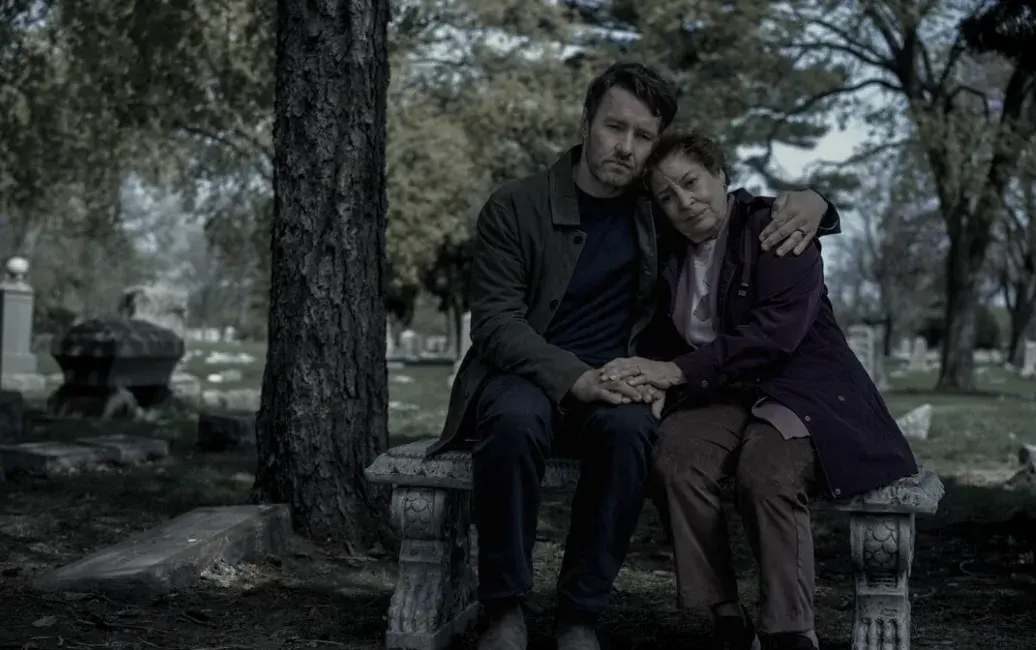
Throughout A Killer Story, Eileen and Keen Umbehr have been among Chandler’s strongest supporters. Their belief that she was wrongly convicted helped drive much of the investigation followed by journalist Joe Sexton, and their confidence in Chandler has remained remarkably consistent through the documentary.
Episode 3 introduces a more complicated tone to that relationship. After watching Chandler conduct her own defense and hearing some of her testimony, the Umbehrs appear increasingly concerned about the choices she has made. Eileen does not provide a firm explanation when Sexton asks about the differences between Chandler’s earlier statements and her latest account.
That does not mean the couple suddenly accepts every part of the prosecution’s theory. They continue to believe serious problems existed in the case and remain deeply skeptical of Chandler’s conviction. Their position, however, is no longer presented as uncomplicated loyalty to Chandler herself.
The distinction becomes increasingly important as the finale moves toward its conclusion. The Umbehrs can still question the case while also believing that Chandler made serious mistakes during the third trial. Their changing relationship with her becomes one of the quieter but more revealing developments in the episode.
A Killer Story Episode 3 Ending: What Happens in the Third Trial?
During closing arguments, prosecutors again focus on Chandler’s behavior following her divorce from Mike Sisco. They argue that her continued interest in his life supports their broader interpretation of the evidence. Chandler responds by asking jurors to concentrate on what she believes the prosecution still cannot establish directly.
She points to the lack of forensic evidence connecting her to the home and argues that the state has failed to conclusively establish that she was in Kansas at the relevant time. These are many of the same doubts that contributed to the previous jury’s inability to reach a unanimous decision. This time, however, the outcome is very different.
On March 7, 2025, the third jury finds Dana Chandler guilty on two counts of first-degree murder. The verdict arrives more than two decades after Mike Sisco and Karen Harkness were found dead and after Chandler’s original convictions had been overturned, followed by the 2022 trial that ended with a deadlocked jury.
For prosecutors and the victims’ families, the verdict provides the legal resolution they had pursued through years of proceedings. For Chandler and people who continue to question aspects of the prosecution, it does not remove every controversy surrounding the investigation. A Killer Story allows both realities to remain present as it moves into its final section.
What Happens to Dana Chandler After the Verdict?
Chandler is sentenced on June 3, 2025, receiving consecutive life sentences connected to the two convictions. The sentencing closes the third trial, although Chandler continues challenging the result through the legal system. Her case therefore remains active beyond the events shown inside the courtroom.
The documentary also reveals that Eileen and Keen are no longer communicating with Chandler. They believe her decision to represent herself was a serious mistake, even though they have not abandoned their broader doubts about the prosecution. Their separation from Chandler shows how dramatically the investigation has affected relationships that once appeared unshakable.
By the end of Episode 3, the Umbehrs’ position is more nuanced than it was when they first entered the story. They can still believe that the legal case deserves scrutiny while disagreeing with Chandler’s decisions and some of her explanations. That complexity becomes central to what the documentary ultimately wants viewers to consider.
Why Is Episode 3 Called A Dangerous Notion?
The meaning behind “A Dangerous Notion” becomes clearer during Joe Sexton’s closing reflections. A Killer Story begins with several people who are extraordinarily certain about what happened, even though their conclusions point in completely different directions. Investigators become convinced Chandler is responsible, while Eileen and Keen become convinced she has been wrongly prosecuted.
Chandler herself develops enormous confidence in her understanding of the case. That confidence eventually contributes to her belief that she can present her own defense to a jury without relying on traditional legal representation. Sexton, meanwhile, enters the investigation believing that enough reporting and evidence might eventually produce one clean answer.
By the conclusion, Sexton appears less interested in pretending that every uncertainty has disappeared. He says he has reached his own belief about who was responsible while acknowledging that he cannot reconstruct exactly how everything happened. That gap between belief and absolute certainty becomes one of the documentary’s most important ideas.
A Killer Story therefore does not end simply because a courtroom has delivered another verdict. Episode 3 closes by examining how evidence, memory, loyalty, and personal conviction can push people toward certainty even when some questions remain unresolved. The legal process produces its answer, but “A Dangerous Notion” leaves viewers thinking about how people decide when they know enough to be certain.