Why Did Bob Saget Direct Who Is Martin Mull? How His Final Documentary Was Completed After His Death
Netflix’s Who Is Martin Mull? carries an unusual second story behind the one unfolding on screen. The documentary celebrates Martin Mull’s career as a comedian, musician, actor and painter, but it also represents one of the final creative projects of Bob Saget, who began filming Mull years before either man’s passing. What started as Saget’s…
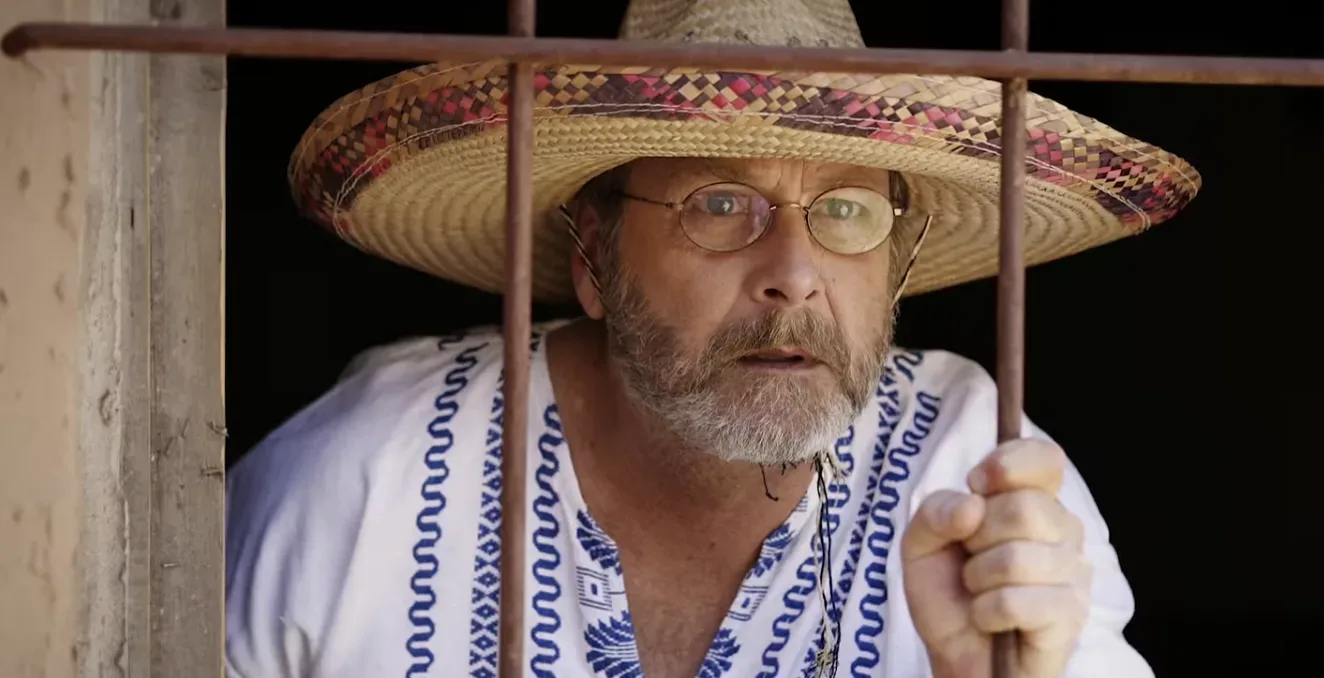
Netflix’s Who Is Martin Mull? carries an unusual second story behind the one unfolding on screen. The documentary celebrates Martin Mull’s career as a comedian, musician, actor and painter, but it also represents one of the final creative projects of Bob Saget, who began filming Mull years before either man’s passing. What started as Saget’s personal attempt to document an artist he had admired since he was young eventually became a project that another filmmaker, Neil Berkeley, had to help complete. That history explains why Saget remains credited as a director on the finished Netflix documentary even though he did not live to see its release.
Why Bob Saget Wanted to Make the Martin Mull Documentary
Saget’s interest in Mull went back much further than their eventual collaboration. According to accounts surrounding the Netflix release, Saget remembered seeing Mull perform at the Main Point near Philadelphia when Saget was young, long before Mull became widely recognizable from television. Mull’s unusual combination of music, satire and deadpan comedy stayed with him, and Saget eventually approached his story from the perspective of someone who was already a genuine admirer rather than a documentarian discovering his subject for the first time. That personal connection helps explain the relaxed exchanges between the two men in the finished footage.
Mull was also an unusually suitable subject for a comedian like Saget because his career resisted the standard celebrity documentary formula. He had been a recording musician and touring comic before becoming a television performer, later appearing in projects ranging from Clue and Roseanne to Sabrina the Teenage Witch, Arrested Development and Veep. Yet Mull repeatedly insisted that painting was the work he considered most important, a claim supported by a visual art career stretching back decades and by his BFA and MFA in painting from RISD. Saget was therefore not simply documenting another veteran comic’s greatest hits, but trying to explain why someone so successful in entertainment still thought of himself primarily as an artist.
When Did Bob Saget Start Who Is Martin Mull?
Work on Who Is Martin Mull? began in 2018, with Saget serving as an executive producer and director. Over the following years he filmed Mull and gathered material that would eventually form the foundation of the documentary. The production was still unfinished when Saget passed away in January 2022, meaning that a project originally driven by his curiosity and admiration suddenly faced an uncertain future. His official website now describes Who Is Martin Mull? as his final project and confirms that Neil Berkeley assumed directing responsibilities in 2022.
That four-year stretch also helps explain why the documentary feels different from a conventional posthumous biography. Saget was able to speak directly with Mull rather than reconstructing his personality entirely through old clips and interviews with surviving friends. Mull jokes with him, disagrees with labels and explains why painting remained so important to him, giving the material the feeling of an extended conversation. Those scenes became especially valuable after Saget was no longer available to continue shaping them himself.
How Neil Berkeley Became Co-Director
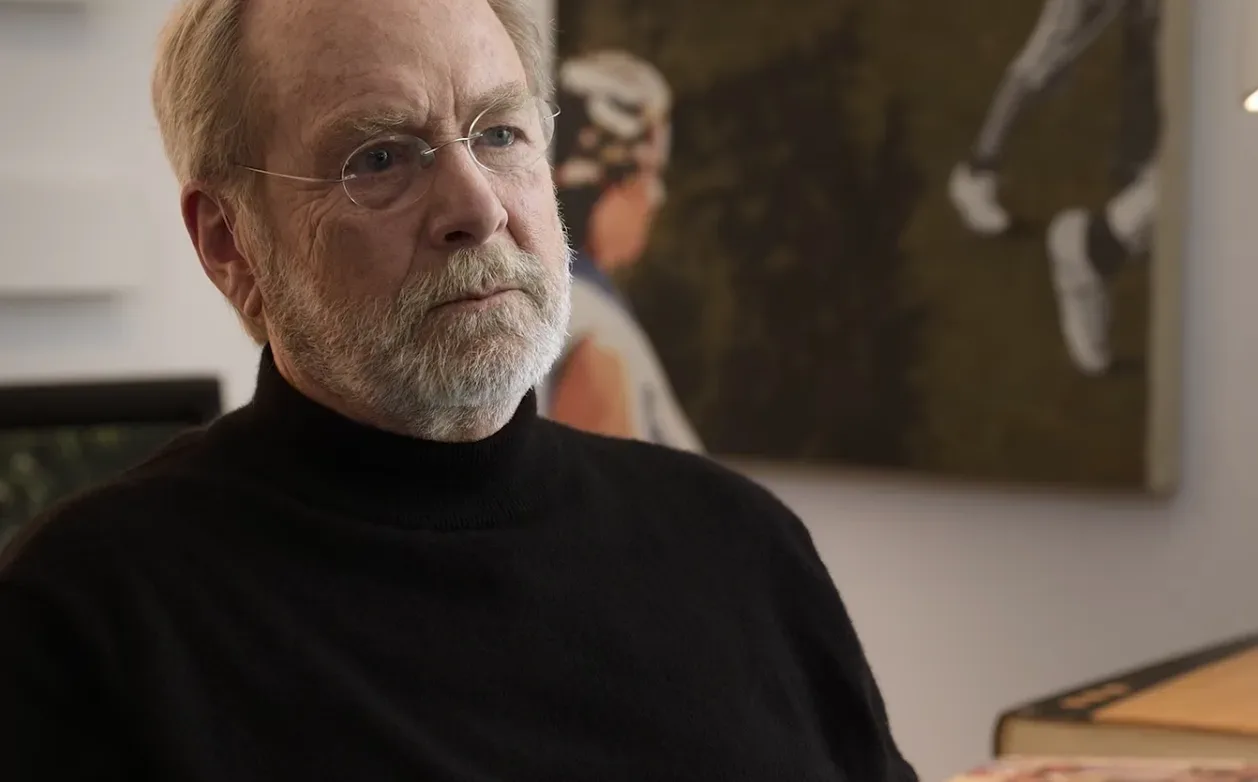
After Saget’s passing, filmmaker Neil Berkeley stepped in to help bring the documentary to completion. Berkeley had previous experience making intimate documentaries about comedians, including Gilbert, his portrait of Gilbert Gottfried, which made him a natural fit for material that depended heavily on understanding the person behind a familiar comedic persona. Berkeley has said publicly that he was grateful to have been asked to help complete the work Saget had started in 2018. Rather than replacing Saget’s role in the project, Berkeley’s involvement ultimately allowed the original footage and concept to survive in a finished feature.
Netflix consequently credits both Bob Saget and Neil Berkeley as directors. Sean Bradley, Tara Billik and Berkeley are listed as producers, while Saget remains among the executive producers alongside Kevin S. Bright, Morgan Neville and Caitrin Rogers. The dual directing credit is important because the documentary is not simply a film that Berkeley independently made from footage Saget happened to leave behind. Its final form grew out of Saget’s original interviews and perspective, followed by Berkeley’s work organizing and completing the material for release.
Why Saget Appears in the Finished Documentary
Saget’s presence was not removed once Berkeley took over. The exchanges between Saget and Mull are part of the film’s identity, and the Netflix trailer itself opens with the two men talking about Mull’s impossible-to-categorize career. When Saget calls him a “jack-of-all-trades,” Mull immediately turns the compliment into a self-deprecating joke, establishing the chemistry that made their conversations useful in the first place. It is a brief interaction, but it shows why replacing Saget with a new interviewer would have changed the character of the documentary.
His appearances also acquire a meaning that nobody could have intended when the footage was recorded. Viewers are watching Saget speak with Mull knowing that both men were gone before the documentary finally premiered, while Mull himself later reflects in the film on losing friends and growing older. The production history therefore becomes inseparable from the finished movie even though the documentary never needs to turn itself into a biography of Saget. His presence remains that of the curious friend and fellow comedian who wanted audiences to understand why Mull deserved a closer look.
Did Martin Mull See the Finished Documentary?
Mull also did not live to see the Netflix release. He passed away at his Los Angeles home on June 27, 2024, at age 80 after what his daughter Maggie described as a long illness. The documentary was eventually scheduled for October 7, 2026, more than two years later, meaning the completed film arrived after both its original director and its subject had passed away. That circumstance could have turned the movie into a conventional memorial, but the years of material recorded while Mull was alive allow him to remain the dominant voice throughout his own story.
The delayed completion also creates one of the film’s most affecting layers. Saget began by documenting an older comedian whose work he believed deserved greater recognition, particularly Mull’s painting, and Mull participated as someone still able to evaluate his own life with characteristic humor. Neither could have known exactly how audiences would eventually encounter those conversations. By the time the documentary arrived, moments that had once been ordinary interviews had become records of a friendship and a creative exchange that could no longer be recreated.
Why Who Is Martin Mull? Is Also Part of Bob Saget’s Legacy
Calling Who Is Martin Mull? Saget’s final documentary does not mean the finished film belongs to him alone. Berkeley’s role in completing the project was substantial enough for Netflix to credit the two men equally as directors, and the producers had to carry years of unfinished work across an unusually long production period. Still, the basic question at the center of the documentary clearly comes from Saget’s fascination with Mull: how could someone be so accomplished in comedy and television while believing that audiences still had not seen the work that best represented him?
That question gives Saget’s involvement a purpose beyond the novelty of a famous comedian directing a film about another famous comedian. Who Is Martin Mull? exists because Saget believed there was more to Mull than the characters viewers recognized, and Berkeley’s eventual completion of the film preserved that idea rather than abandoning it after production was interrupted. Netflix now presents Mull as a musician, cult comedian, television fixture and acclaimed painter whose career was defined by constant reinvention. The finished documentary therefore serves two legacies at once: it gives Mull the broader artistic portrait Saget wanted him to have, while preserving one of Saget’s last substantial pieces of filmmaking work.