Who Is Martin Mull? Ending Explained: What Happened to Martin Mull and How Does the Netflix Documentary End?
Netflix’s Who Is Martin Mull? is built around a question that sounds simple until the documentary begins trying to answer it. Martin Mull was recognizable to several generations as a comedian and actor, from Fernwood 2 Night and Clue to Roseanne, Sabrina the Teenage Witch and Arrested Development, but those credits only explain part of…
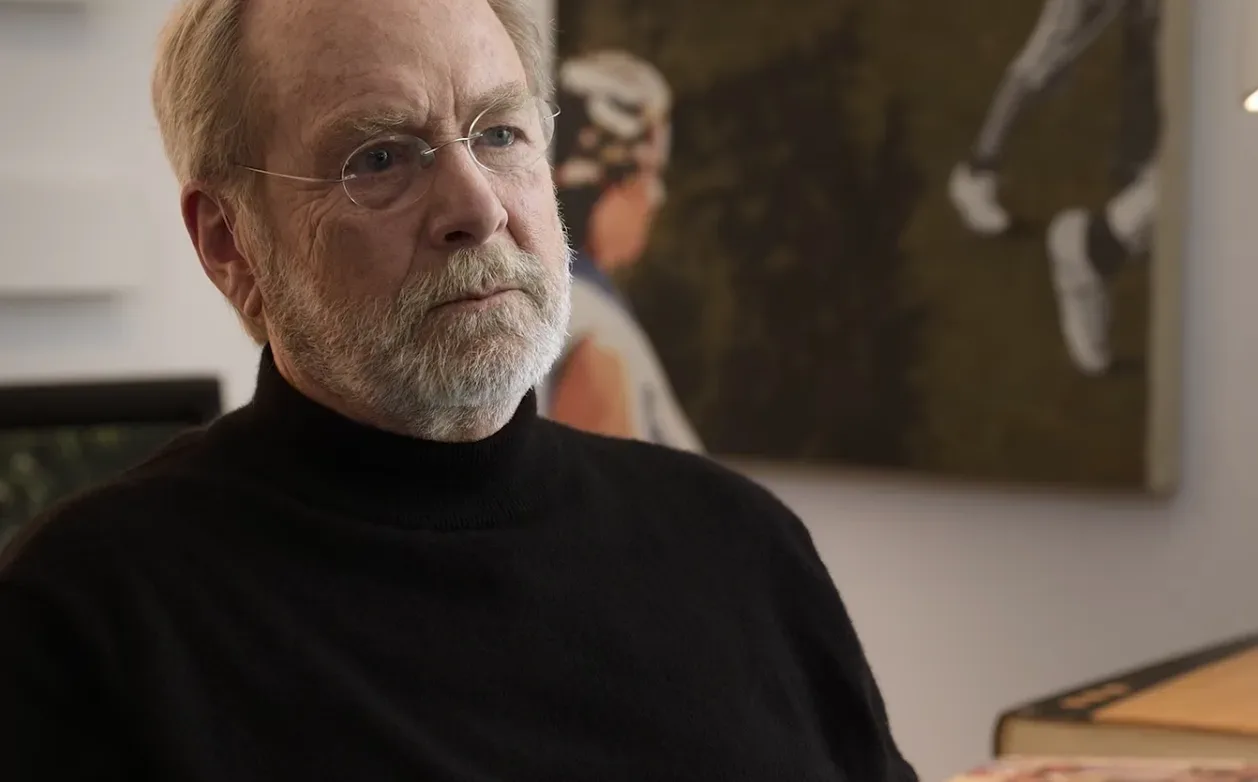
Netflix’s Who Is Martin Mull? is built around a question that sounds simple until the documentary begins trying to answer it. Martin Mull was recognizable to several generations as a comedian and actor, from Fernwood 2 Night and Clue to Roseanne, Sabrina the Teenage Witch and Arrested Development, but those credits only explain part of the man being examined here. Directed by Bob Saget and Neil Berkeley, the film looks beyond Mull’s familiar screen persona to his years as a musician, his family life and, most importantly, the painting career that he regarded as the center of his creative identity. By the final minutes, the documentary becomes less interested in listing what Mull accomplished than in understanding how he wanted his life and work to be remembered.
Also Read Movie: Extinction (2018) Ending Explained: The Human Invasion and Peter’s True Identity
Why Painting Becomes the Real Martin Mull Story
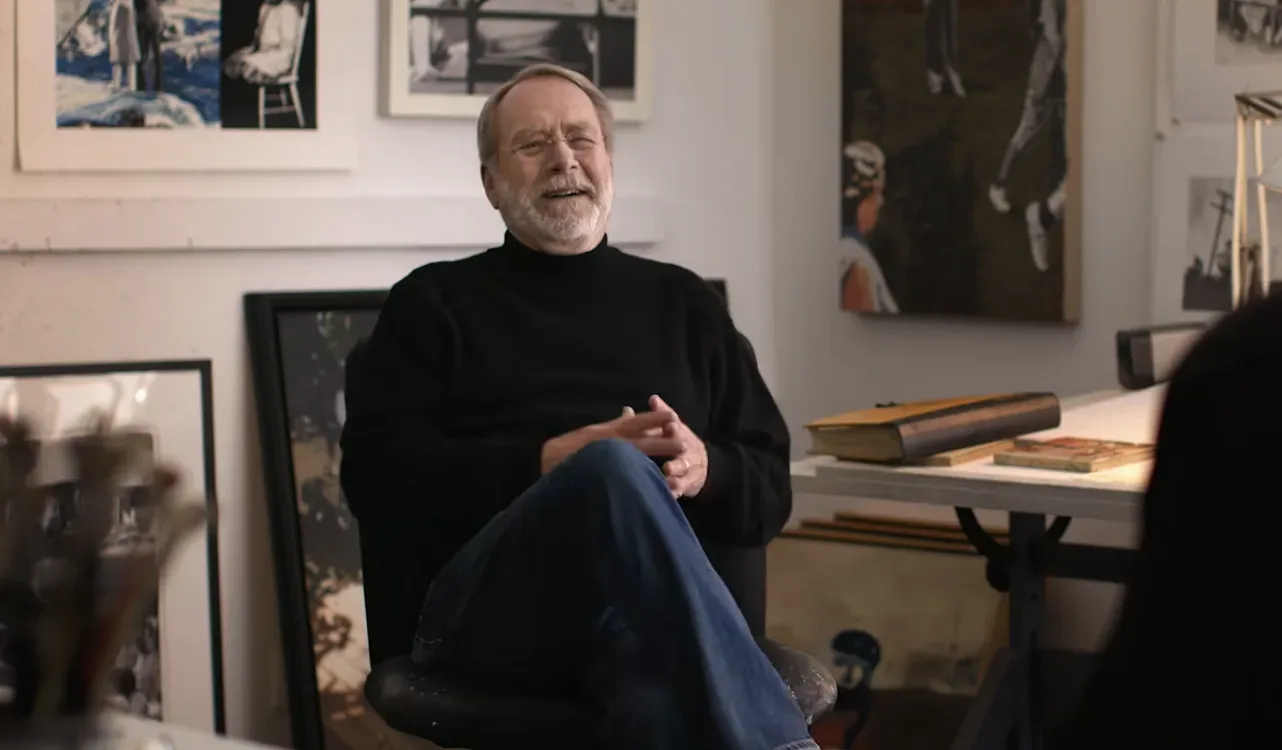
For viewers who mainly knew Mull from television, one of the documentary’s biggest revelations is that acting was never the only career he took seriously. Mull earned both a BFA and MFA in painting from the Rhode Island School of Design, and RISD’s own archive notes that he identified himself first and foremost as a visual artist despite decades of fame as an actor and comedian. His entertainment work gave him financial stability and public recognition, but painting remained the part of his creative life that carried the greatest personal weight. That distinction becomes essential to understanding why the documentary spends so much of its later stretch inside Mull’s artistic world rather than treating his paintings as an amusing celebrity hobby.
The film also shows why Mull had reason to want that work judged independently. His paintings had been exhibited for decades, and his 2003 oil painting Evidence entered the Whitney Museum of American Art’s collection as a gift from Steve Martin. The achievement gives concrete meaning to the documentary’s repeated suggestion that Mull’s visual art was not simply something he pursued between acting jobs. He had built a parallel career that many people who recognized his face from television had barely encountered.
Why the Final Part Feels More Personal
The tone changes as Who Is Martin Mull? moves away from career anecdotes and toward Mull’s thoughts about aging, friends and the passage of time. That shift carries unusual weight because the documentary took years to complete, and several people captured in its footage were no longer alive by the time the finished film reached Netflix. Bob Saget began the project in 2018 and passed away in 2022, while Mull’s longtime comedy partner Fred Willard and producer Norman Lear also passed during the extended period surrounding production. Mull is therefore sometimes seen reflecting on people who had been present when filming began but were gone before his own story was finished.
The documentary does not turn those circumstances into an overly sentimental farewell. Mull approaches growing older in much the same way he approached his career, using humor to make serious ideas feel conversational rather than solemn. What emerges is the portrait of someone who does not appear particularly concerned that his life failed to follow a conventional path through music, comedy, acting and art. The different careers begin to look less like unrelated chapters and more like variations of the same impulse to keep making things.
How Does Who Is Martin Mull? End?
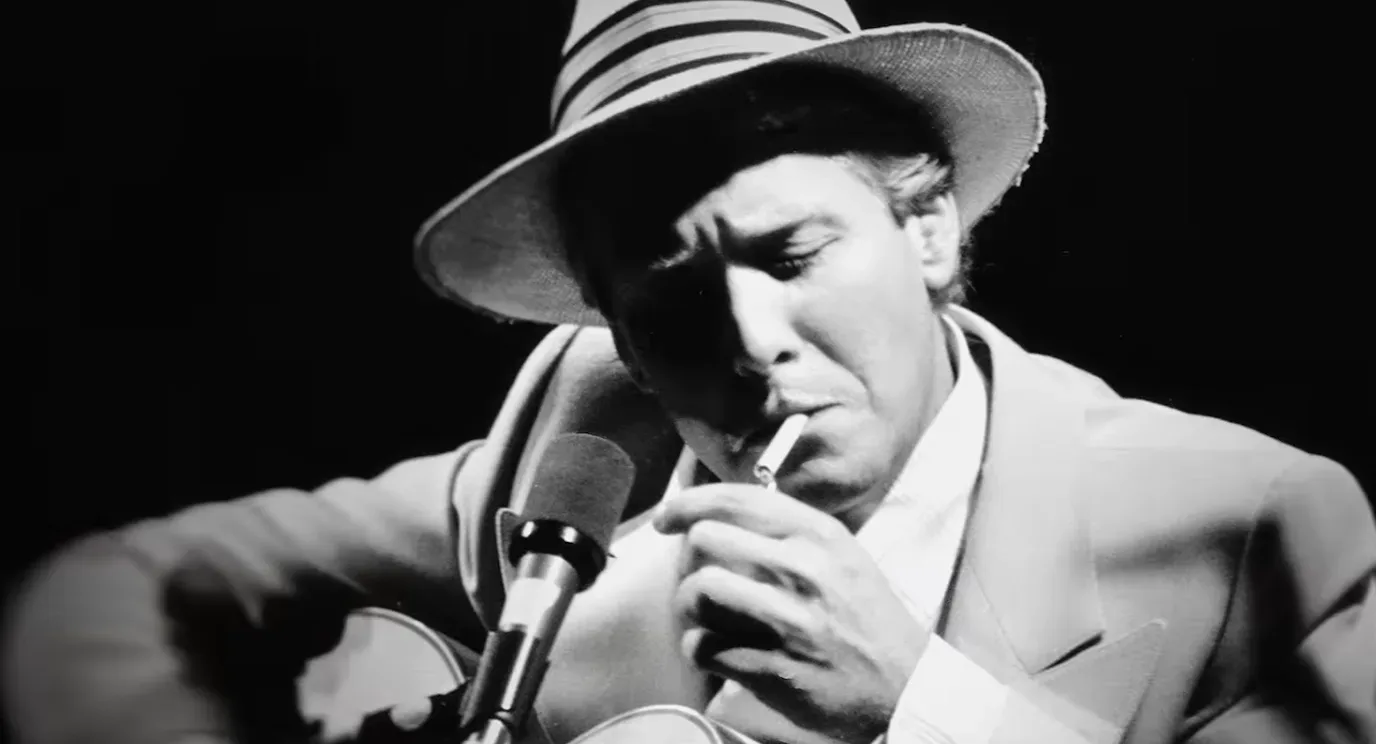
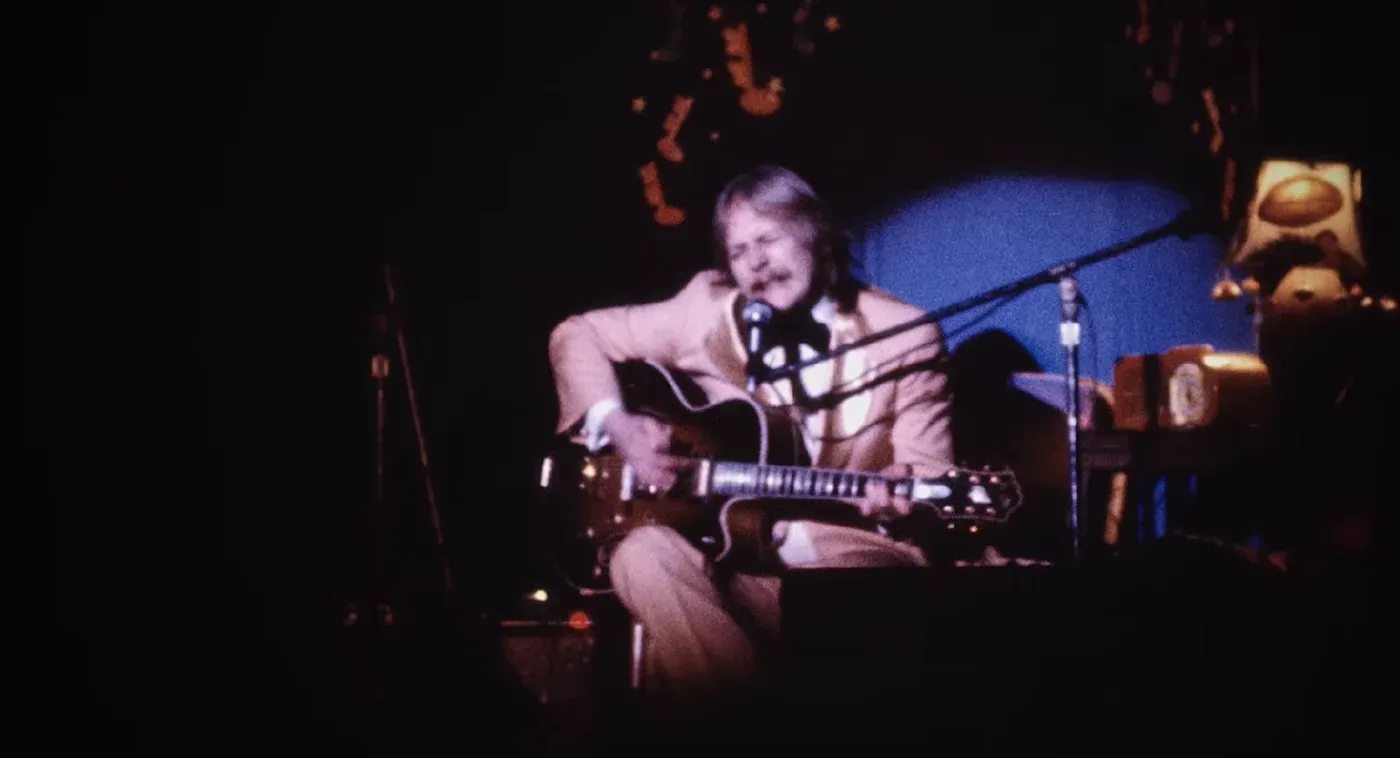
The documentary closes with Mull performing an acoustic version of “Time of My Life,” a song he also performed in the 2018 film A Futile and Stupid Gesture. Placed at the end of this documentary, the song takes on a more reflective meaning because viewers have just watched Mull look back across decades of unexpected turns in his career. Rather than concluding with a montage of famous television appearances or having another celebrity deliver the final assessment of his importance, the filmmakers effectively allow Mull to close his own story. The choice makes the ending feel intimate while remaining consistent with the dry, understated personality shown throughout the film.
It also explains the importance of the phrase used to describe Mull’s life in Netflix’s presentation of the documentary: he had “a hell of a ride.” That line is not really about Hollywood success alone. Mull moved from art school into music, became an unconventional comic performer, stumbled into television fame, accumulated memorable character roles and continued painting through all of it. By ending with Mull himself rather than an outside verdict, the documentary suggests that the strange route was not something that needed to be corrected or simplified after the fact.
What Happened to Martin Mull?
Martin Mull passed away at his home on June 27, 2024, at the age of 80. His daughter Maggie Mull said that he had been dealing with a long illness, but the family did not publicly identify a specific medical condition, so there is no verified basis for assigning him a more precise cause. Mull was survived by his wife, musician Wendy Haas, and their daughter Maggie, a television writer and producer. His passing came after the documentary’s central interviews had already been filmed, allowing the finished movie to preserve Mull speaking extensively about his own work rather than relying entirely on archival material and other people’s recollections.
That timing changes the meaning of the finished film. Saget originally began making a documentary about a living artist he admired, not a retrospective created after Mull was gone. By the time Netflix released the movie on October 7, 2026, however, both the interviewer who started the project and its subject had passed away. The result is a documentary that contains the intimacy of a contemporary conversation while inevitably being watched as a record of two artists whose lives had already reached their conclusions.
What Does the Ending Really Mean?
The simplest answer to the film’s title is that there was never only one Martin Mull. The comedian, musician, sitcom actor and painter were not competing identities that the documentary has to rank, although Mull clearly regarded visual art as the work closest to his sense of self. His career makes more sense once painting is placed at its center, because entertainment becomes one part of a much wider creative life rather than the entire story. Netflix’s own description calls attention to that idea by presenting Mull as someone who continually reinvented himself without becoming exactly what audiences expected.
The ending therefore does not reveal a hidden tragedy or an unfinished ambition that suddenly changes everything that came before it. Instead, it leaves Mull sounding remarkably comfortable with the unusual life he built, including careers that overlapped rather than following one orderly trajectory. The final song, his reflections on growing older and the renewed attention given to his paintings all point toward the same conclusion: recognition mattered, but continuing to create mattered more. That is ultimately how Who Is Martin Mull? answers its own question, by showing an artist who happened to become famous in several other ways along the journey.