Who Is Frank Carter’s Sixth Victim in The Whisper Man? The Cryptic Line Explained
One of the easiest details to miss in The Whisper Man comes during Pete Willis’ prison meeting with Frank Carter. When Pete prepares to leave, Frank suddenly asks whether he wants to hear about the “sixth victim.” Pete assumes he means Tony Smith, only for Frank to correct him: Tony was victim number five. So…
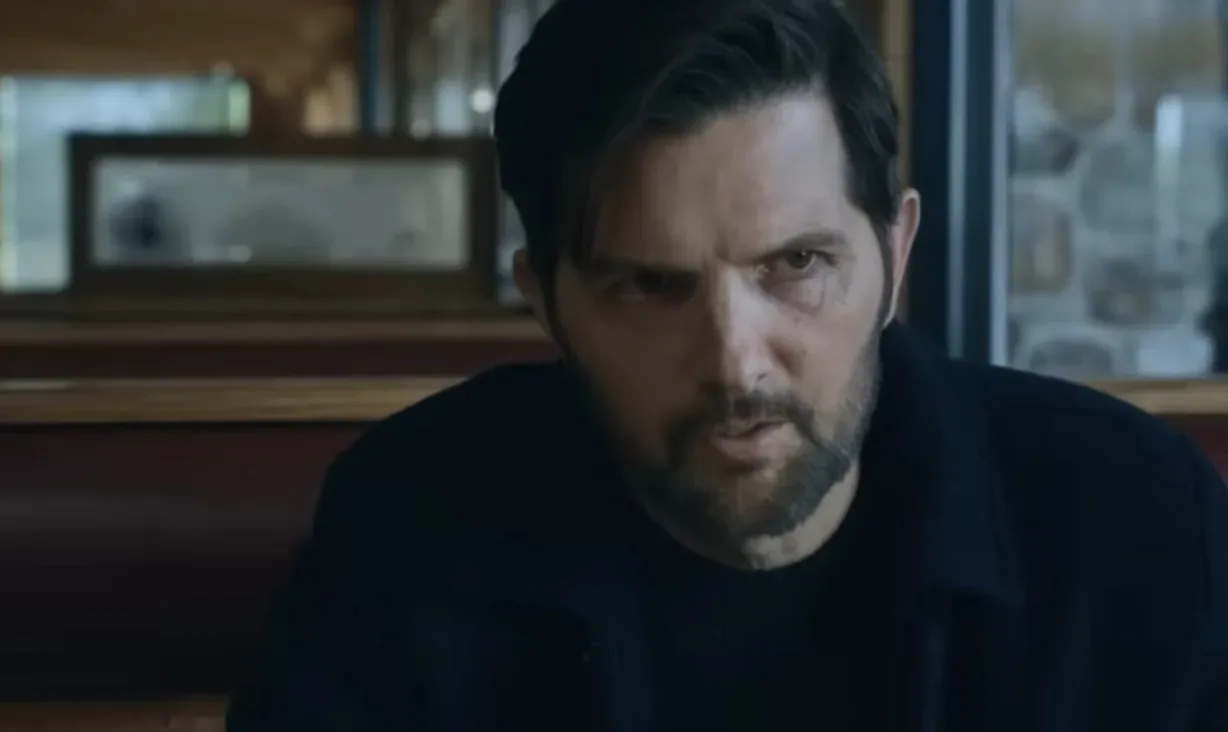
One of the easiest details to miss in The Whisper Man comes during Pete Willis’ prison meeting with Frank Carter. When Pete prepares to leave, Frank suddenly asks whether he wants to hear about the “sixth victim.” Pete assumes he means Tony Smith, only for Frank to correct him: Tony was victim number five.
So who is victim number six? The movie never identifies another murdered child, and that appears to be intentional. Frank is using the word victim more broadly, turning the conversation toward the people whose lives his crimes destroyed even though he never physically killed them.
The strongest candidates are Pete and his son Tom, with the scene particularly emphasizing how Frank’s crimes poisoned their father-son relationship.
Related; The Whisper Man Ending Explained: Who Is the Killer and What Happens to Jake?
Tony Smith Is Definitely Frank Carter’s Fifth Victim
Tony Smith is the boy Pete could never find after arresting Frank Carter. Pete explains earlier in the movie that there was evidence Tony was still alive when Carter was captured, which is why the case continued to haunt him long after the other officers moved on. Thirty years later, Pete is essentially the only person still searching.
Tony is eventually discovered underneath the house where Tom and Jake are living. That resolves the mystery Pete has carried for decades, but it also confirms something important about Frank’s prison comment: Tony cannot be the mysterious sixth victim because the movie explicitly identifies him as number five.
This distinction is easy to overlook because Tony is also described as Frank’s final missing victim. “Final victim” and “victim number six” are therefore not interchangeable in the movie.
Is Pete Willis the Sixth Victim?
Pete is arguably the clearest symbolic answer. Immediately after Amanda asks him what Frank meant by the sixth victim, Pete explains how the search for Tony gradually disappeared. A thousand people looked at first, then fewer and fewer, until eventually only Pete remained.
Frank’s crimes effectively consumed Pete’s adult life. His obsession contributed to his drinking, damaged his marriage and destroyed his relationship with Tom. Even after retiring, Pete keeps the Carter case around him and remains psychologically trapped by something that happened decades earlier.
Earlier in the investigation, the movie also makes a significant point that the kidnapped children are not the killers’ only intended victims. The suffering inflicted on parents and families is part of the cruelty. From that perspective, Frank did not have to murder Pete to victimize him.
But Frank’s Taunt Also Points Toward Tom
There is another layer to the scene. Almost immediately after mentioning the sixth victim, Frank starts talking about Tom. He knows about Tom’s detective novels and mocks the fact that Tom created a fictional detective who resembles the father who abandoned him. Frank understands exactly what Pete’s obsession did to his son.
Tom grew up resentful of Pete while simultaneously carrying pieces of him into his own life. His career as a crime writer and the father figure inside his novels show that Pete remained psychologically important even during their long estrangement.
That gives another plausible meaning to Frank’s sixth-victim comment: Tom became collateral damage of the Whisper Man case. Frank murdered five boys, but the consequences kept spreading through another family.
Why the Movie Doesn’t Give the Sixth Victim a Simple Name
The ambiguity fits The Whisper Man because the movie repeatedly expands the meaning of victimhood.
Frank Carter Jr is the clearest example. Francis grows up to become a murderer himself, but he was also abused and terrorized by his father. Director James Ashcroft and author Alex North have explicitly discussed Francis as someone shaped by Frank’s violence long before he began repeating it himself.
Pete occupies a similar moral space in a very different way. He catches Frank but allows the case to dominate his life, and Tom pays for that obsession as a child. Frank knows this.
Calling somebody his sixth victim is therefore less about revealing another hidden body than reminding Pete that catching the Whisper Man never truly stopped him from destroying people.
Was Frank Talking About Pete or Tom?
The movie never gives a definitive answer, so it would be inaccurate to state that either man is officially confirmed as victim number six.
Pete is the strongest interpretation if “victim” means the person Frank psychologically destroyed through the case itself. Tom is the strongest interpretation if the line refers to the next person damaged by Pete’s obsession.
Both readings lead to the same idea: Tony Smith was only the fifth murdered boy, but Frank Carter’s damage did not end with his five physical victims.
That is why the line matters. The Whisper Man is ultimately less interested in counting bodies than in showing how violence can continue through families long after the original crime is supposedly over.