Who Is Abby Lee From The Traitors: New Blood? Meet the Astrophysicist
Among the lawyers, realtors and creators entering The Traitors: New Blood, Abby Lee immediately stands out because of the profession listed beside her name. The 29-year-old contestant from Saint Paul, Minnesota, is an astrophysicist, making her scientific background one of the most unusual in the show’s first all-civilian U.S. cast. For a competition built around…
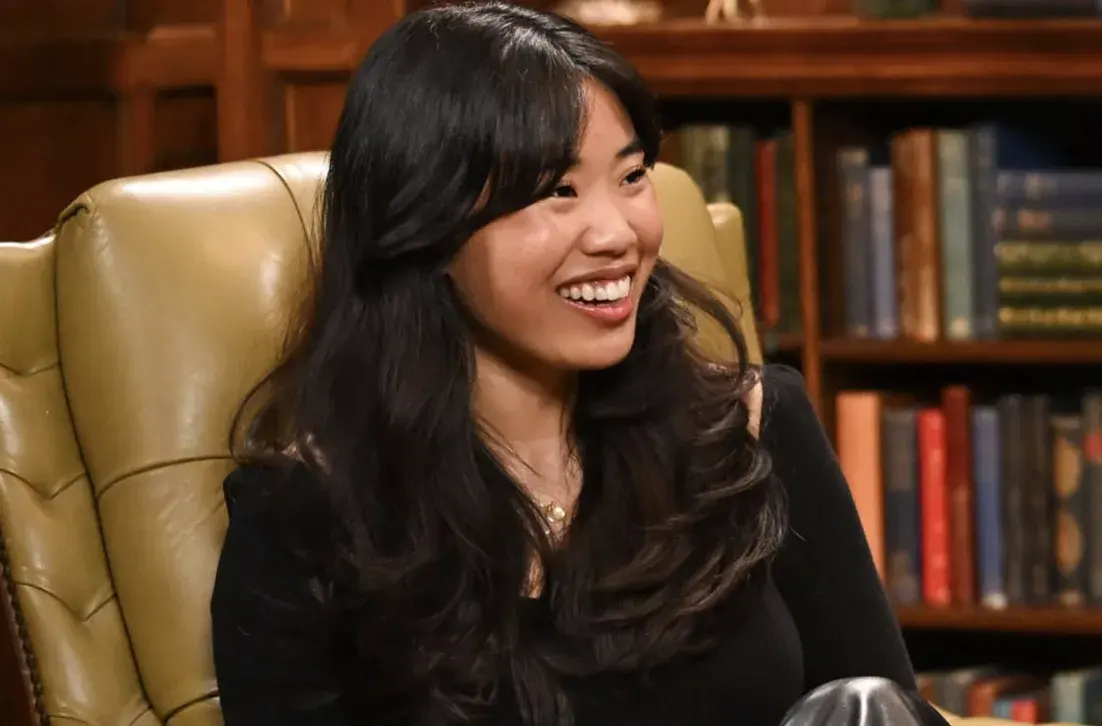
Among the lawyers, realtors and creators entering The Traitors: New Blood, Abby Lee immediately stands out because of the profession listed beside her name. The 29-year-old contestant from Saint Paul, Minnesota, is an astrophysicist, making her scientific background one of the most unusual in the show’s first all-civilian U.S. cast.
For a competition built around incomplete information, competing theories and the constant possibility that someone is lying, Abby’s everyday work sounds unusually relevant. Her challenge is whether a methodical approach to evidence can still work in a castle where emotions often prove more influential than logic.
Related: Who Is Joe Vanella From The Traitors: New Blood? Meet the Funeral Director
Abby Lee Really Is an Astrophysicist
Abby’s official cast information identifies her occupation as astrophysicist. People also reported that her public social-media bio describes her as trying to solve mysteries of the universe at NASA.
That does not mean The Traitors can be approached exactly like a scientific problem. Unlike astronomical research, the evidence inside the castle can deliberately mislead contestants because the Traitors are actively trying to appear innocent.
Still, Abby entered the competition believing her research experience could give her an advantage. She told Entertainment Weekly that astrophysics involves using limited available information to understand much larger mysteries, which is not entirely different from what Faithfuls must do when trying to identify the people working against them.
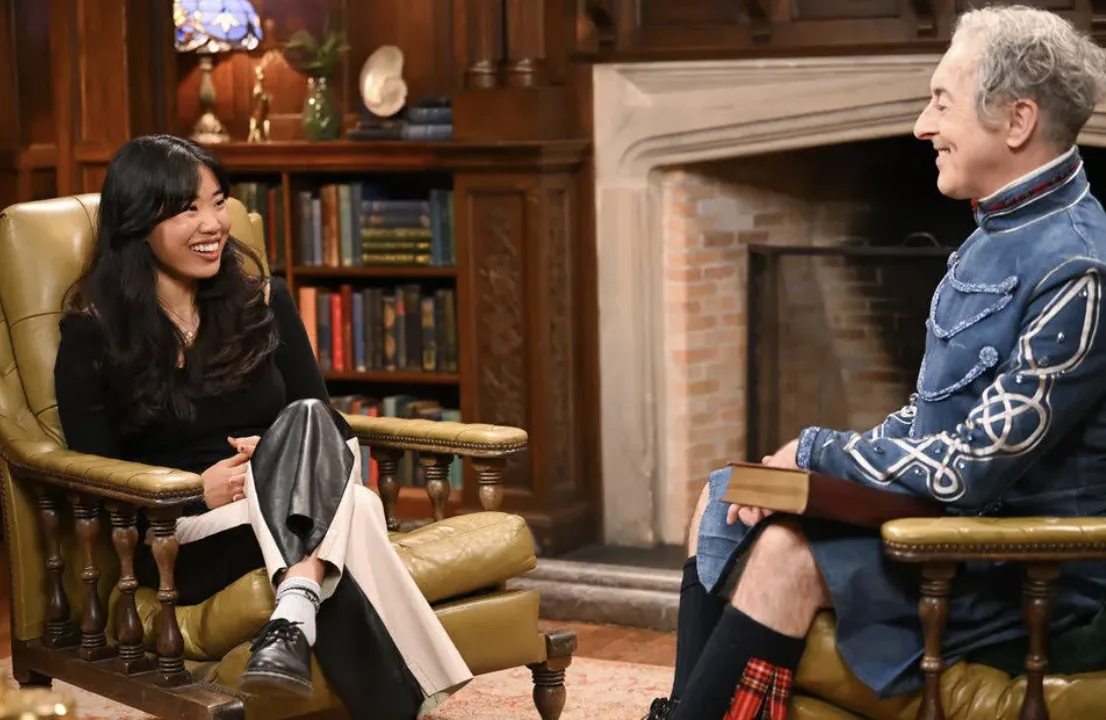
Abby Wanted to Play as a Faithful
While many New Blood contestants openly hoped Alan Cumming would choose them as Traitors, Abby preferred to be a Faithful.
Her reasoning fits her professional background. She was more interested in investigating other contestants and testing theories than spending the game trying to conceal her own role.
Abby also joked before entering the castle that scientists regularly become attached to theories and therefore have to learn when the evidence no longer supports them. In The Traitors, that ability could be valuable because contestants frequently become convinced someone is guilty and then begin interpreting every action as proof. The difficult part will be knowing when to trust her own analysis and when to reconsider it.
Where Is Abby Lee From?
Abby is 29 and comes from Saint Paul, Minnesota. She entered New Blood as part of a cast designed specifically around people viewers did not already know from reality television.
That makes her occupation an important part of her introduction. Previous U.S. seasons allowed contestants to arrive with reputations from Survivor, Big Brother, The Bachelor and other shows, while New Blood asks players to judge one another largely from what they reveal inside the castle.
Someone announcing that she is an astrophysicist could be seen as useful by the Faithfuls, but it could also make other contestants wary of her analytical ability.
Can Abby’s Scientific Background Help Her on The Traitors?
Abby entered the show believing it could. She described herself as someone accustomed to drawing conclusions from incomplete evidence and systematically testing ideas. Those skills seem perfectly suited to finding Traitors on paper, but the series has repeatedly shown that being intelligent or analytical does not automatically translate into reading people correctly.
That tension is what makes Abby an interesting addition to New Blood. She may be one of the cast members best equipped to build a logical case, but she is entering a game where the most convincing explanation is not necessarily the true one.