Was Max Salvador’s Father Story on Below Deck Med Real, a Scam, or Staged?
Max Salvador‘s bizarre family emergency on Below Deck Mediterranean has triggered a much bigger question than simply why he left the yacht: was the story actually real? What happened on screen appears genuine from Max’s perspective. His estranged father contacted him from Tunisia, claimed he was in danger after becoming involved in suspicious money transfers,…
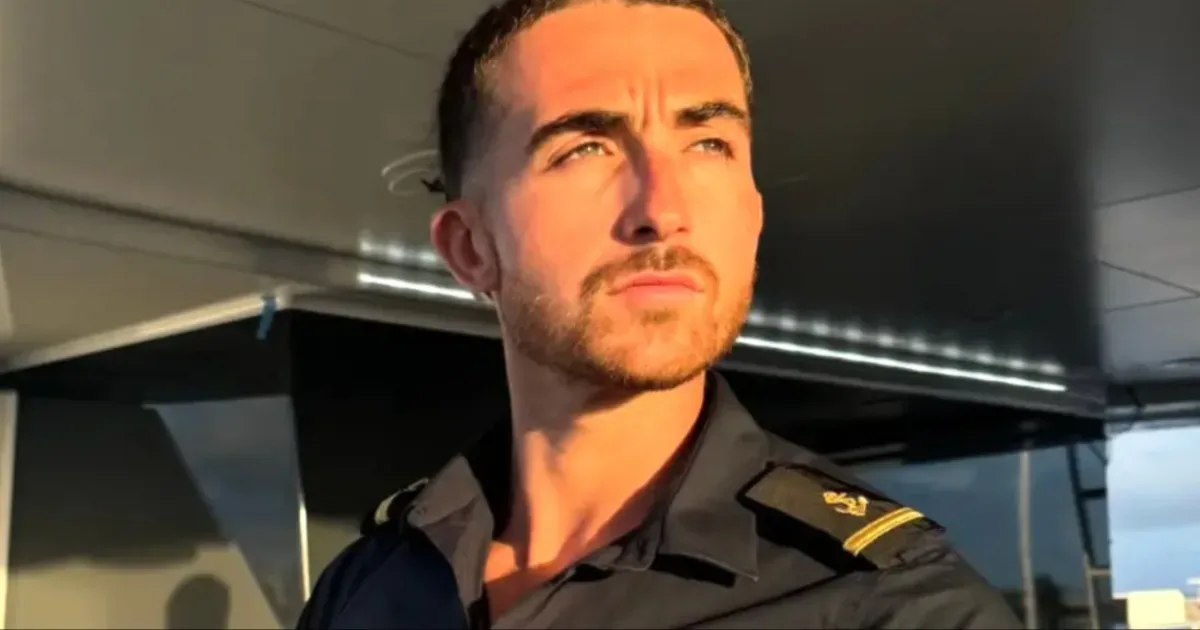
Max Salvador‘s bizarre family emergency on Below Deck Mediterranean has triggered a much bigger question than simply why he left the yacht: was the story actually real? What happened on screen appears genuine from Max’s perspective. His estranged father contacted him from Tunisia, claimed he was in danger after becoming involved in suspicious money transfers, and Max ultimately left Akira One to help him. However, there is currently no independent public evidence confirming every part of his father’s story, including the alleged criminal organization or the exact danger he faced. Fans have consequently proposed three possibilities: the crisis was genuine, Max or his father was being scammed, or the storyline was somehow staged for television. Only the first two remain plausible without assuming unsupported production manipulation.
What did Max’s father actually tell him?
The crisis begins when Max receives urgent messages from someone identifying himself as his father, a man Max had barely had a relationship with for roughly a decade. His father says he is trapped in Tunisia and needs help because of a dangerous financial situation. Once Max manages to speak with him directly, the details become even stranger.
Max explains that his father had been receiving checks or money for other people, putting those funds into his bank account and withdrawing the cash. According to Max, his father was doing this to earn extra money, but the bank eventually detected fraudulent activity and shut down his accounts. His father could therefore no longer return money expected by the people involved.
Max describes those people as part of a criminal organization and becomes convinced his father may be physically harmed. He then decides that sending money from the yacht is not enough and starts planning to travel to Tunisia himself.
Why did viewers immediately think it sounded like a scam?
The urgency of the contact resembles a familiar family-emergency scam pattern. Someone claiming to be a relative suddenly says they are stranded abroad, in legal trouble or facing physical danger and needs money immediately. The emotional pressure is designed to stop the recipient from slowing down long enough to verify the story.
That resemblance does not prove Max was being scammed. His explanation about suspicious bank activity could also describe a genuine situation in which his father had knowingly or unknowingly become involved with criminals. A person can be both a victim and someone who made reckless financial decisions.
What made viewers especially suspicious was Max’s history with his father. Max says they had not really been together for around 10 years, yet his father suddenly contacted him during a major crisis and needed his help. Fans questioned whether someone who had been largely absent from Max’s life might now be taking advantage of his son’s loyalty.
Could someone have used AI to impersonate Max’s father?
Some fans have suggested an AI voice or impersonation scam, but there is no evidence confirming that happened. Modern scammers can imitate family members through stolen recordings, cloned voices and compromised messaging accounts, which is why emergency requests from unexpected numbers should normally be independently verified.
The Below Deck Med footage does not give viewers enough information to determine how Max confirmed that the person communicating with him was genuinely his father. Max clearly believes it is him, and his reaction appears based on that belief. That is different from independently proving the caller’s identity.
There is also another possibility that requires no AI at all. Max may genuinely have been speaking to his father while his father himself was caught in a financial scam or criminal arrangement. That would explain why parts of the story can sound scam-like without requiring Max’s father to have deliberately invented everything.
Was Max’s father deliberately trying to scam him?
There is currently no evidence strong enough to make that accusation as fact. Some viewers suspect it because of the long estrangement and the timing of the request, while others believe Max’s father may simply have gotten himself into serious trouble and called the one person willing to help.
What Max describes sounds like his father had already participated in suspicious transactions before the bank intervened. Whether he fully understood what he was involved in is unknown. The show only gives us Max’s reconstruction of what his father told him rather than documentation from a bank, police agency or other independent source.
That distinction matters. Calling the entire crisis a scam may eventually turn out to be accurate, but there is not enough verified information to say whether Max was targeted, his father was targeted, or his father knowingly entered a criminal arrangement that later became dangerous.
Was the storyline staged by Below Deck Med producers?
There is also no evidence that Bravo or the production team scripted Max’s father’s emergency. The idea has spread because the timing looks almost too convenient for reality television. Max had only recently returned as emergency deck help, then suddenly received an extraordinary international family crisis that caused him to leave again.
The episode’s dramatic presentation adds to that suspicion. Captain Sandy looks up warnings about Libya, Max talks about crossing the desert, and the storyline ends with the crew immediately needing another replacement deckhand. It creates an unusually neat transition from one cast change to the next.
But convenient television timing is not proof of fabrication. Production can shape how a real event is edited without inventing the event itself. Max’s emotional response, his decision to leave and his later public comments all point toward him treating the situation as something that genuinely happened to him.
Why did Captain Sandy think Max’s plan was so dangerous?
Captain Sandy’s concern is less about whether Max’s father’s story is real and more about what Max plans to do next. Max says he wants to fly to Tunisia, retrieve his father, cross the desert into Libya and find a way to get him out of the region. Sandy immediately warns that he is acting on raw emotion rather than a properly organized rescue plan.
She reminds him that Libya carries serious safety risks involving crime, terrorism and unexploded weapons. Sandy encourages Max to contact the French embassy and at least know where diplomatic help is available before putting himself in danger.
Max listens but ultimately refuses to stay. His reasoning is deeply personal because he does not want to abandon his father when he finally has the chance to do something his father failed to do for him.
Did Max actually go to Tunisia and Libya?
Max definitely leaves the yacht intending to go to Tunisia. Episode 13 shows him telling Sandy, Nathan and the crew that he is leaving, packing his things and walking off Akira One. The crew is subsequently told that he is flying to Tunisia because his father’s accounts have been frozen and he is stranded without money.
What the show does not document is the rest of Max’s planned journey. Cameras do not follow him across Tunisia or into Libya, and there is no independently verified public account showing that he completed every stage of the route exactly as he described it.
Max has since appeared publicly and indicated that he followed his instincts and was glad he went to help his father. He is also active again and promoting yachting experiences on the French Riviera, so the most immediate question about his safety has a reassuring answer: Max appears to be fine today.
So was the Max Salvador storyline real?
The most defensible conclusion is that Max genuinely believed his father was in trouble, while the truth behind his father’s financial crisis remains less certain. Nothing currently proves that Max knowingly participated in a staged storyline, and nothing proves that Bravo invented the emergency. At the same time, viewers are reasonable to notice characteristics commonly associated with financial and family-emergency scams.
The missing piece is independent verification. We do not know exactly who the supposed criminal organization was, whether Max’s father knowingly participated in money laundering, whether someone else manipulated him, or whether Max actually crossed into Libya after leaving the yacht. Until Max provides a fuller account, those details remain unresolved.
That uncertainty is precisely why the storyline has generated so much discussion. Max’s decision itself is not particularly mysterious. He believed an estranged parent was in danger and chose to help him despite their painful history. The mystery is whether the emergency Max risked everything for was exactly what his father told him it was.