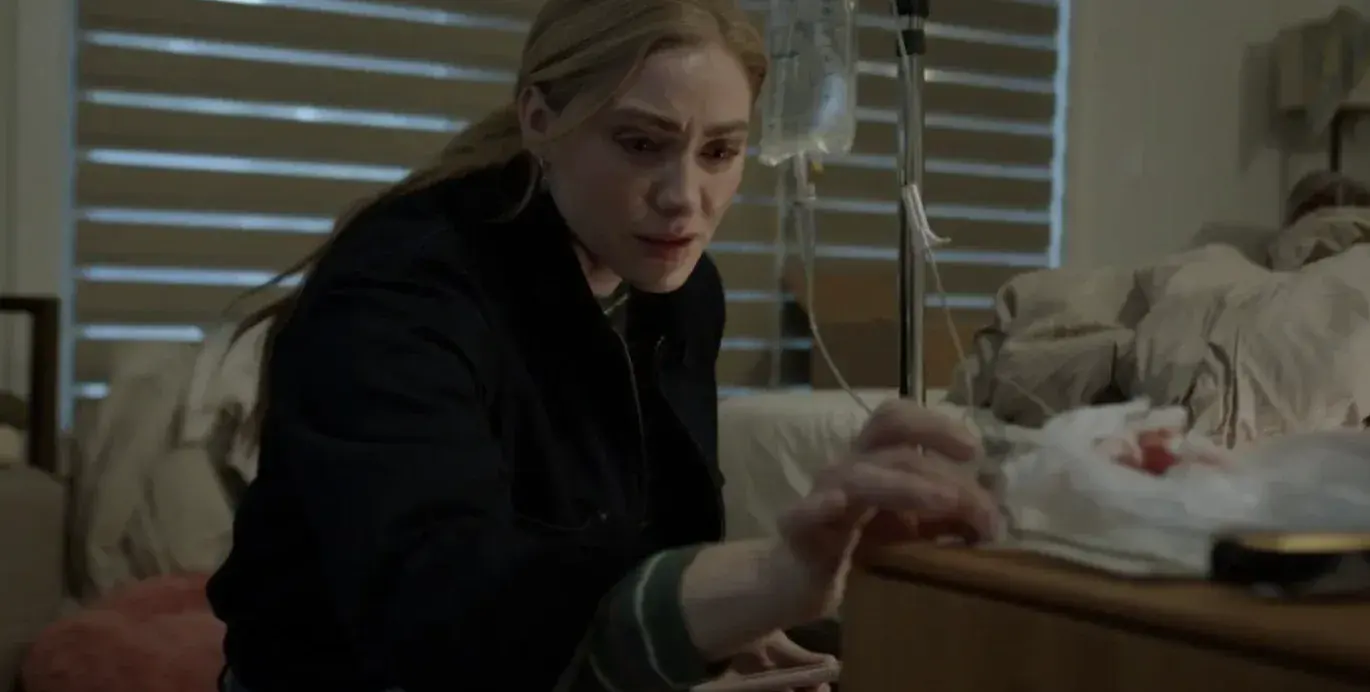
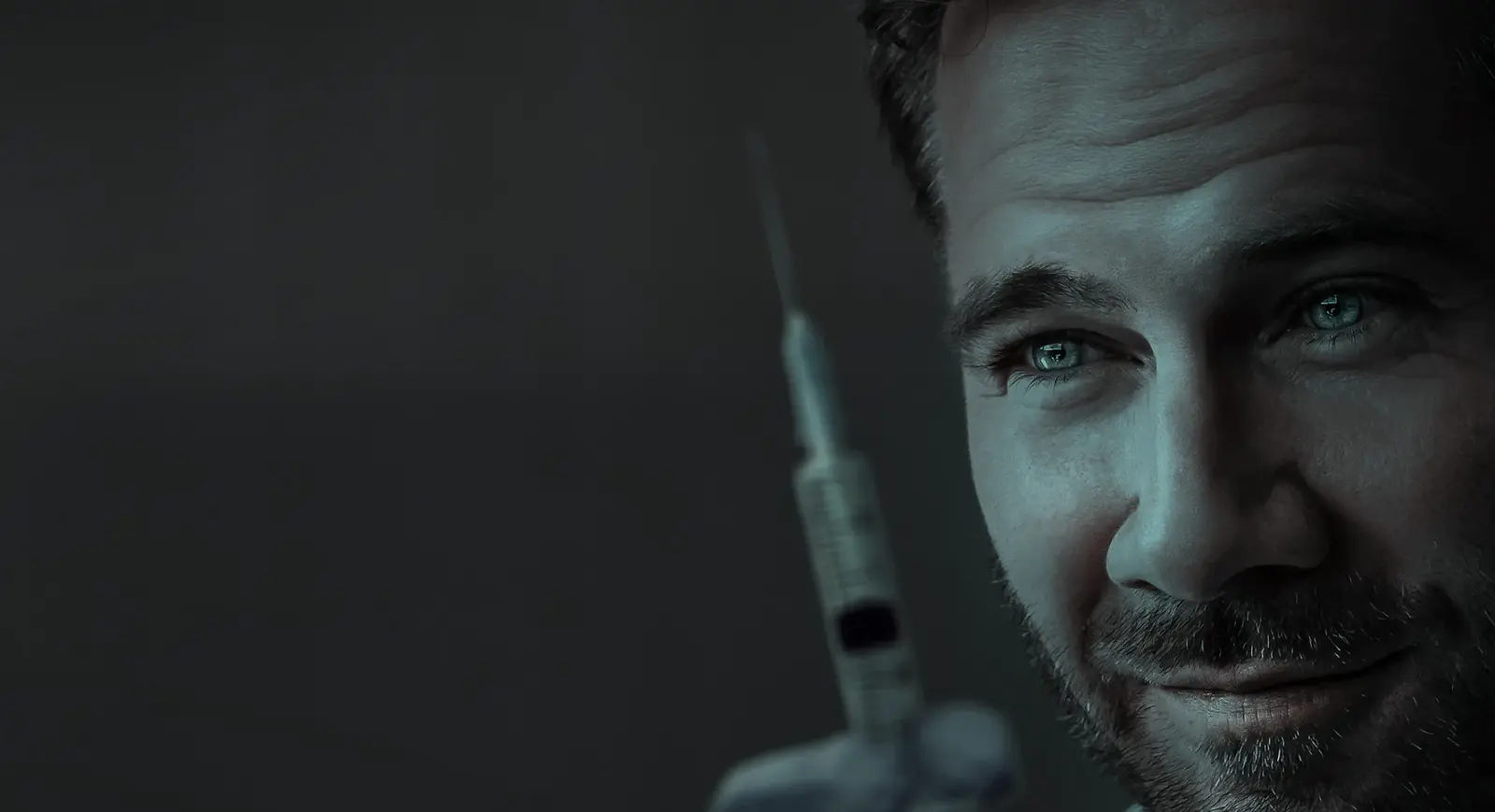
Verity Ending Explained: Why Lowen Keeps the Letter
The movie changes Lowen's final choice while preserving the uncertainty around Verity's manuscript and the letter. Here is what the finale establishes.
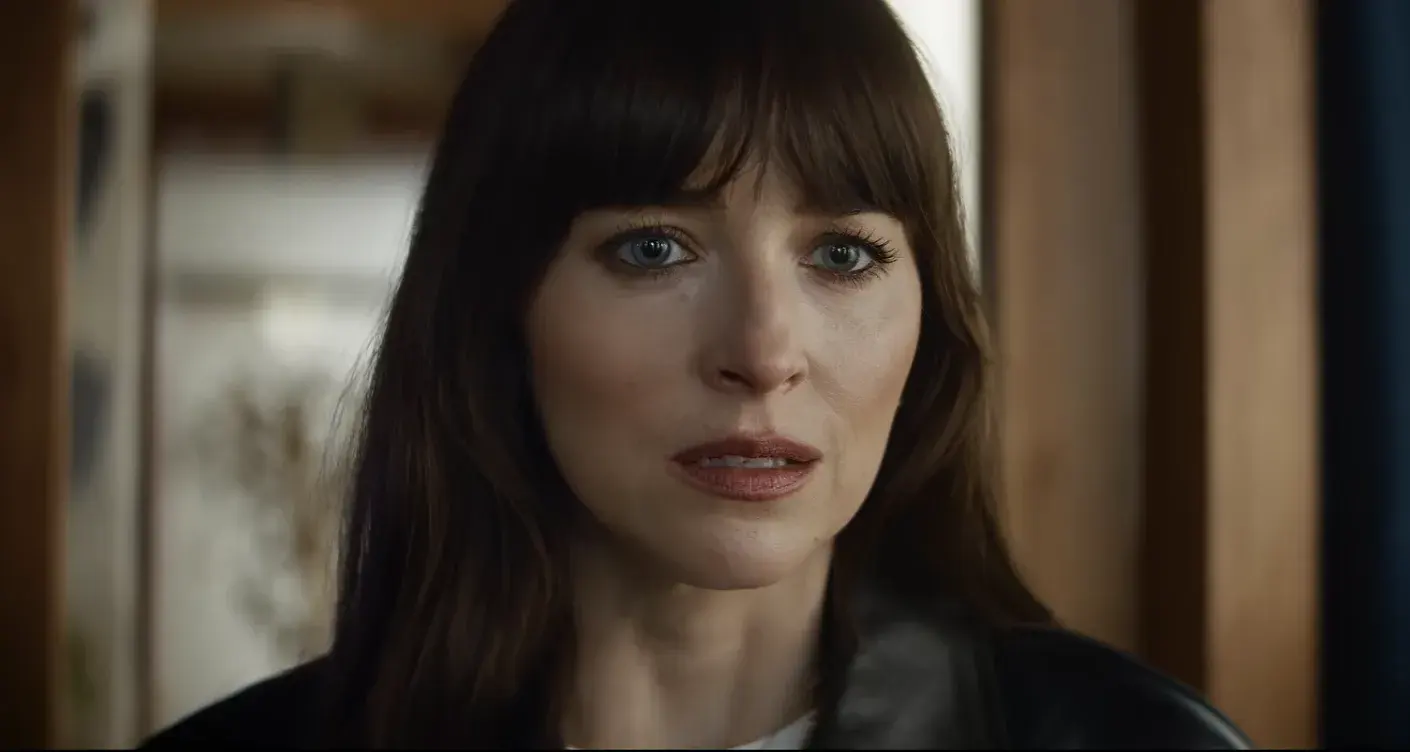
Verity turns a ghostwriting job into a problem that no finished manuscript can solve. Dakota Johnson plays Lowen Ashleigh, who moves into the home of an incapacitated novelist, Anne Hathaway’s Verity Crawford, and becomes involved with her husband, Jeremy, played by Josh Hartnett. By the closing stretch, Lowen has more than one account of the family’s past to consider.
The film opened in US theaters on October 2, and its final letter makes the difference between reading a story and believing it especially uncomfortable. This article contains spoilers for the movie and its original novel; the key distinction is what Lowen does with the evidence, rather than a definitive verdict on which account is true.
Also Read: The Thicket Ending Explained: Does Jack Save Lula?
Why Lowen keeps Verity’s letter
Unlike the novel, the film ends with Lowen keeping Verity’s letter. Showalter confirms in his ScreenRant interview that she is not ready to discard it; it remains in her pocket. Believing the letter would force Lowen to reconsider her role in the confrontation and her future with Jeremy. Doubting it would let her defend the account she has acted on. Our reading is that her problem also becomes deciding how much uncertainty she can live with, rather than simply determining whether Verity was trustworthy.
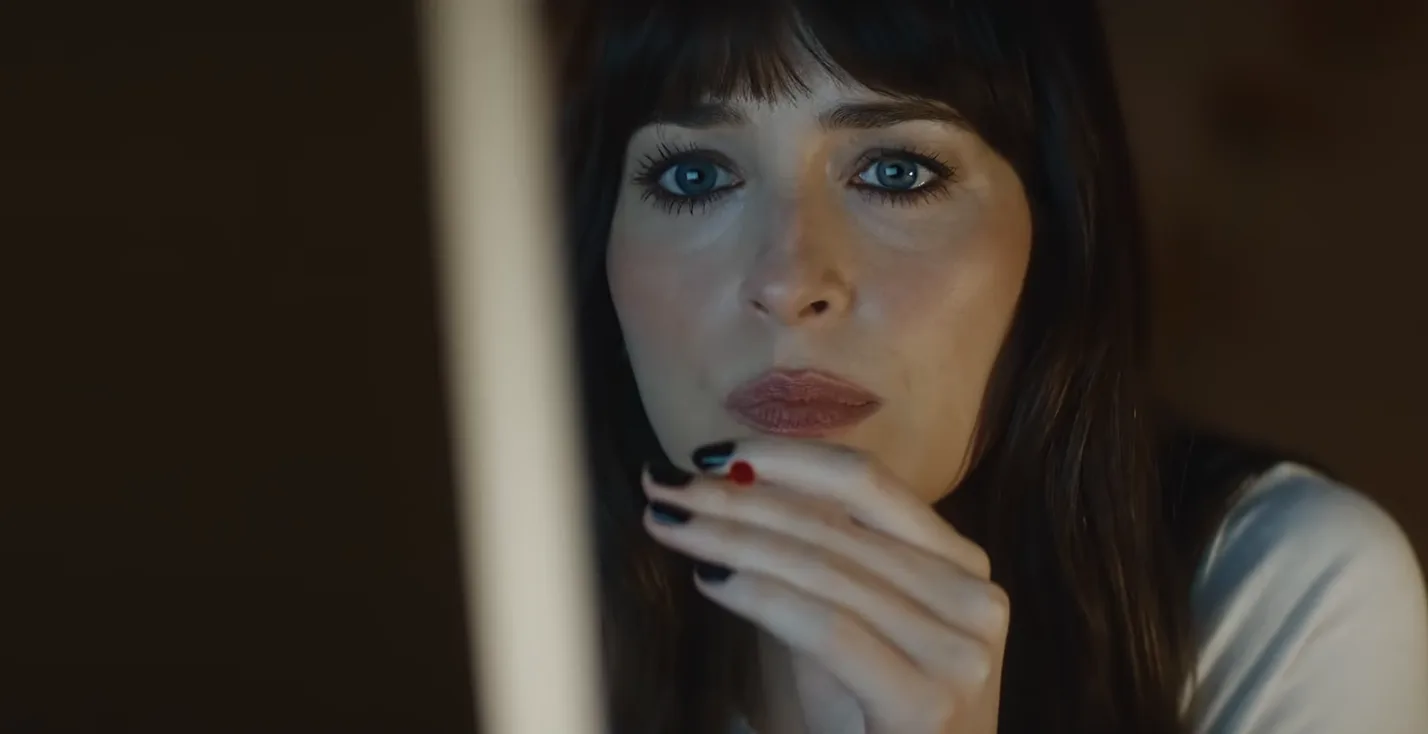
What the letter changes about Jeremy
Before the discovery, Lowen shows Jeremy a manuscript that appears to implicate Verity in their daughter Harper’s death. He confronts his wife, her apparent incapacity is exposed, and Jeremy and Lowen are responsible for her death. Months later, Lowen is pregnant and preparing to move with Jeremy and his son, Crew. As CinemaBlend’s firsthand account of the film explains, the letter offers a different version: the manuscript was a writing exercise, and Jeremy had previously tried to end Verity’s life.
If that account is true, Lowen has misread both the woman she considered dangerous and the man she intends to build a future with. If it is false, the letter is another attempt to influence how Verity will be understood. These are conditional readings, not two facts the movie establishes simultaneously. Either possibility makes the decision to leave with Jeremy more complicated than a simple escape from the Crawford household.
The manuscript and letter offer competing versions
Verity’s letter describes the manuscript as antagonistic journaling, an imagined dark version of herself. That remains her explanation, not independent proof. CinemaBlend’s Kelly West describes leaving the screening still divided between the manuscript and the letter, despite having read the novel. Her response illustrates how the adaptation preserves the question rather than supplying a simple answer. Lowen does not show Jeremy the letter in the film, so the audience never gets a conversation in which he addresses its allegations. That missing exchange matters when assessing how much has actually been verified.
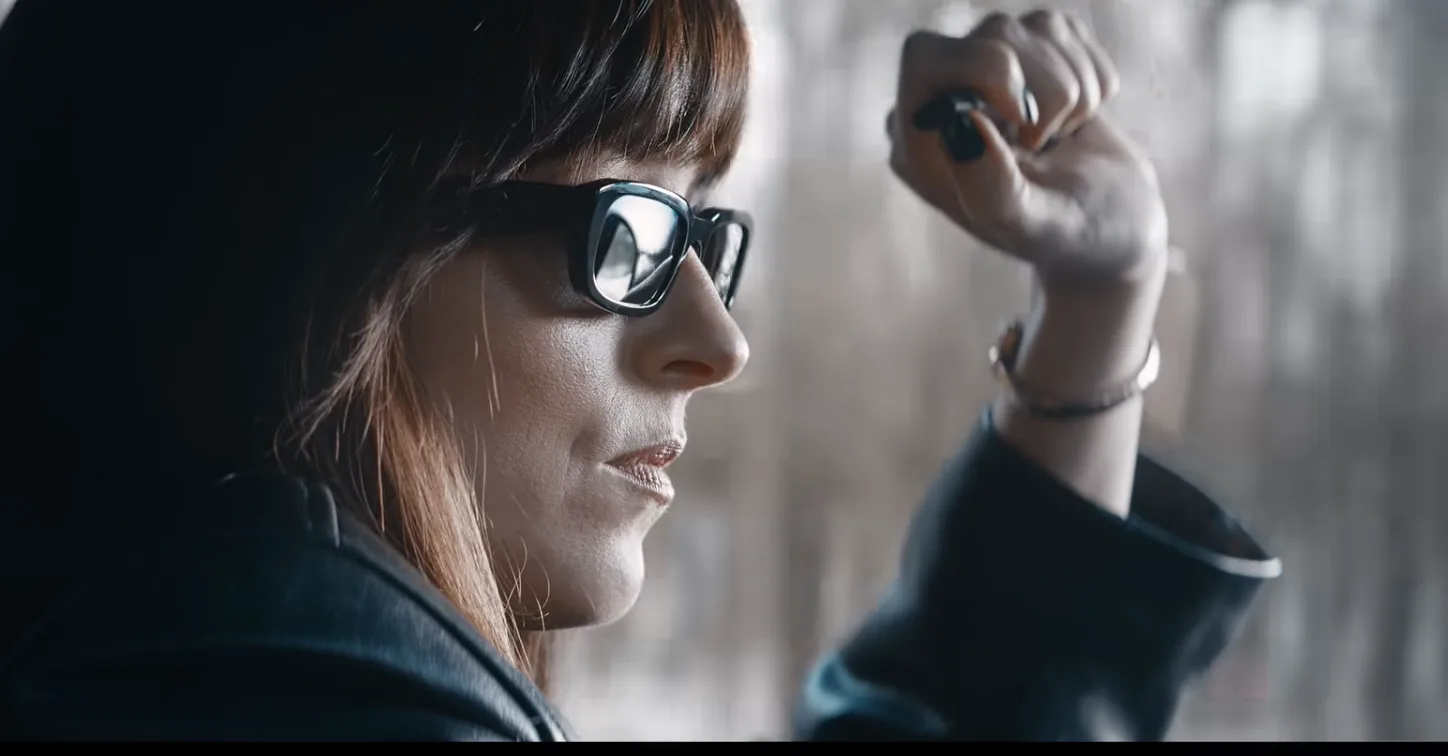
How the final clip preserves the uncertainty
A final clip shows Verity discussing misleading readers. It never identifies which account is deceptive. That last reminder changes how we read the evidence rather than supplying fresh evidence about the family. A novelist’s enjoyment of misleading readers does not, by itself, prove that everything she says about her life is false. Reading the clip as a definitive answer would make it do more work than it can support. Its strongest function is to keep the audience alert to the possibility of manipulation after the apparent resolution.
Showalter told The Credits that classic thrillers, including Hitchcock’s Hollywood work and Jagged Edge, influenced his approach. He also described Hoover and her producing partner as representatives of the book’s readers during development. In a separate Moviefone interview, Hoover explained that he regularly sought her feedback. Those comments establish an active collaboration around the adaptation; they do not supply an official winner in the letter-versus-manuscript debate.