Unabomber Filming Locations
Unabomber moves between two versions of Ted Kaczynski’s life that look as though they belong to different films. One follows the gifted teenager arriving at Harvard in 1958, where he comes into contact with psychologist Henry Murray and participates in a controversial research program. The other jumps forward to the 1990s, when federal investigators are…
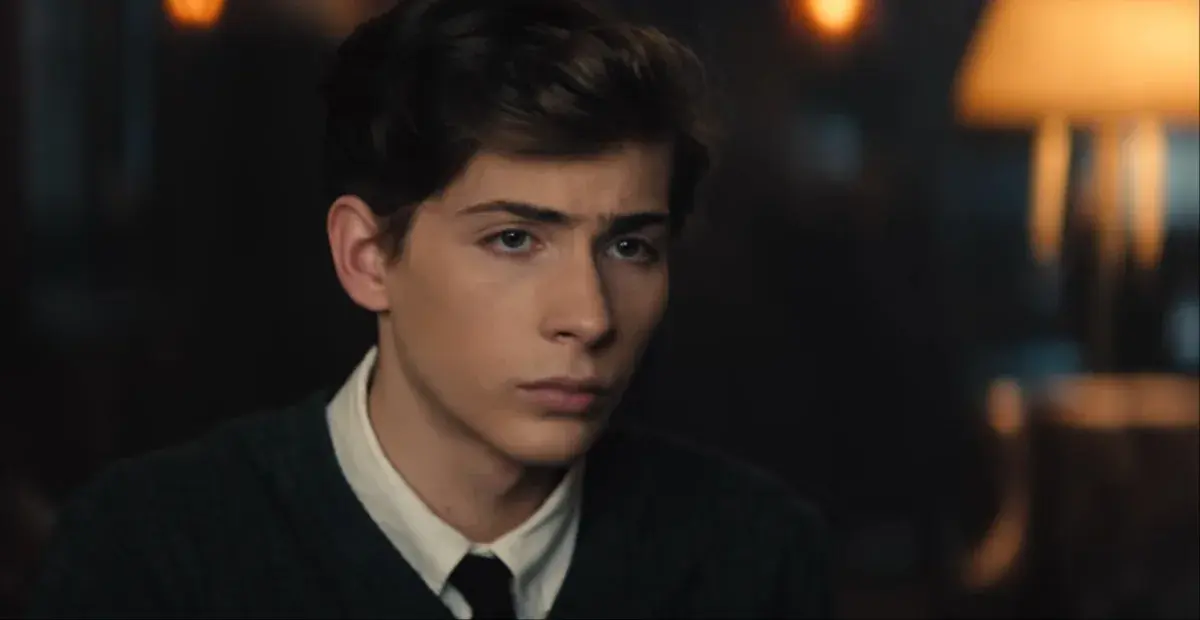
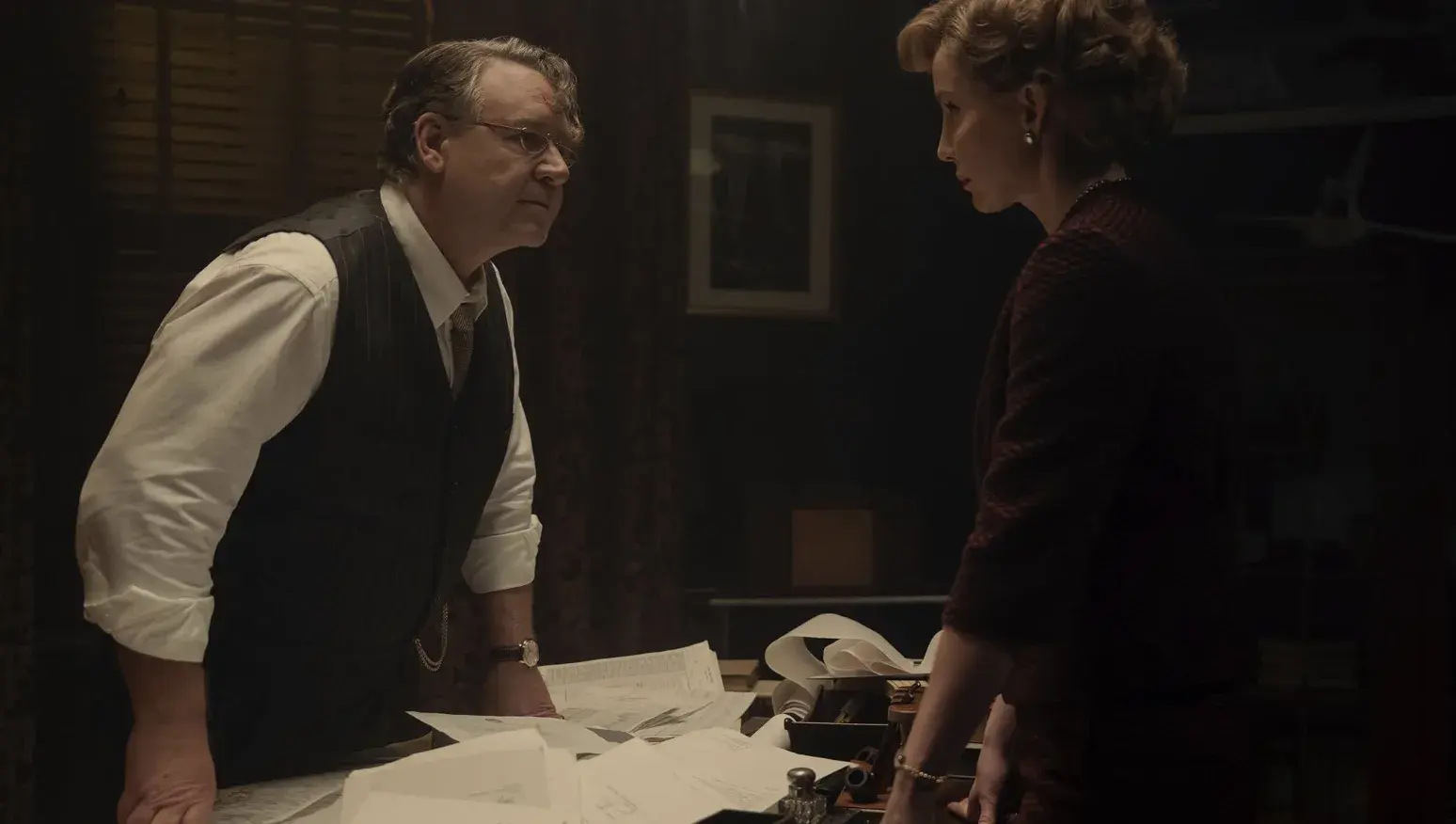
Unabomber moves between two versions of Ted Kaczynski’s life that look as though they belong to different films. One follows the gifted teenager arriving at Harvard in 1958, where he comes into contact with psychologist Henry Murray and participates in a controversial research program. The other jumps forward to the 1990s, when federal investigators are trying to identify the man behind a long-running mail campaign that had caused fatalities and injuries across the United States. Director Janus Metz needed old university buildings, period streets, government interiors and an isolated rural environment to hold those timelines together. Rather than filming across Massachusetts, Washington and Montana, the Netflix production found its base in Montreal, Quebec.
Related: A Different World Filming Locations
Montreal was the production base
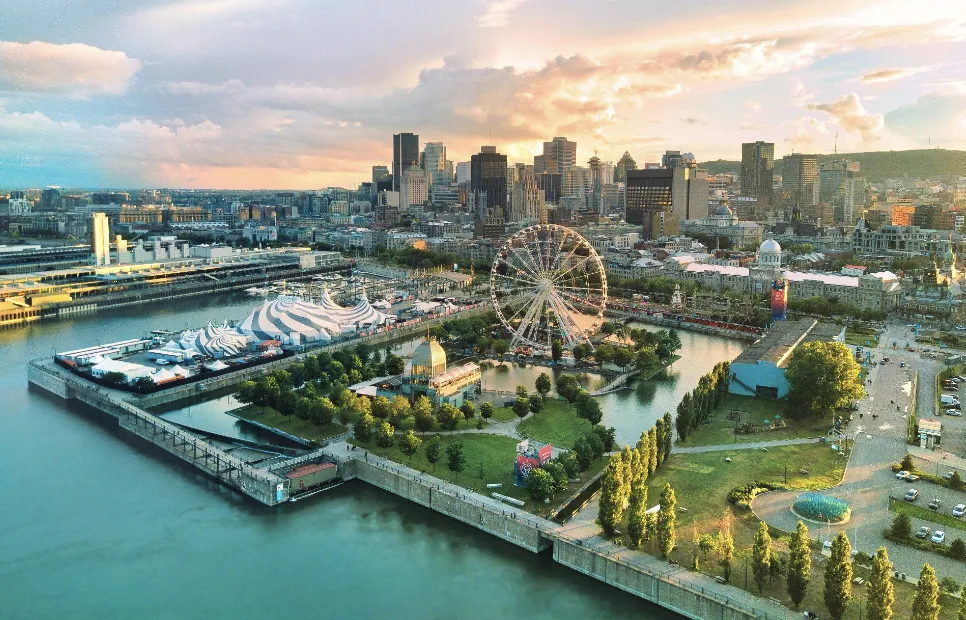
Unabomber was filmed primarily in Montreal, Quebec, Canada, during the summer of 2025. The project initially operated under the working title Debate Club, with ACTRA Montreal listing the feature’s local production period from June 4 to July 16, 2025. Other production reporting places the end of filming a little later in July, but the available records agree that Montreal carried the shoot through June and July.
That is a surprisingly compact production footprint for a film that moves through several decades and American locations. Montreal has enough architectural variety to suggest both mid-century Cambridge and the more institutional surroundings of the later federal investigation without forcing the filmmakers to relocate between states. The city’s established production infrastructure also made it possible to handle period vehicles, interior builds and the visual changes needed to separate the two timelines within one metropolitan area.
McGill University became Harvard
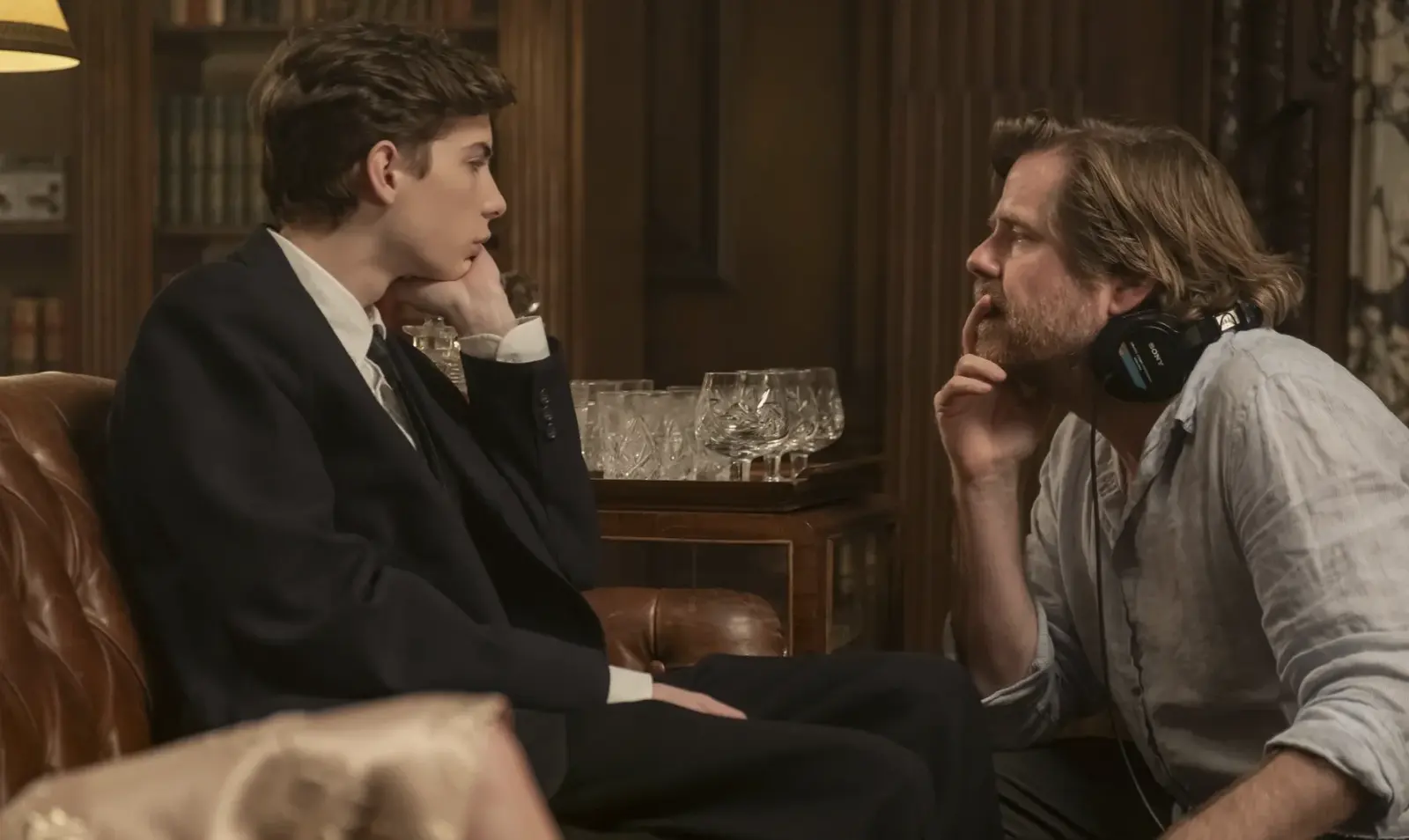
The most recognizable confirmed location is McGill University, which stands in for Harvard during the scenes involving the young Kaczynski. Metz confirmed to The Boston Globe that McGill doubled for Harvard, praising the campus for providing the older offices and collegiate atmosphere necessary to recreate the university in the late 1950s. Jacob Tremblay similarly said that filming among the historic buildings and period-dressed background performers helped him feel immersed in the era.
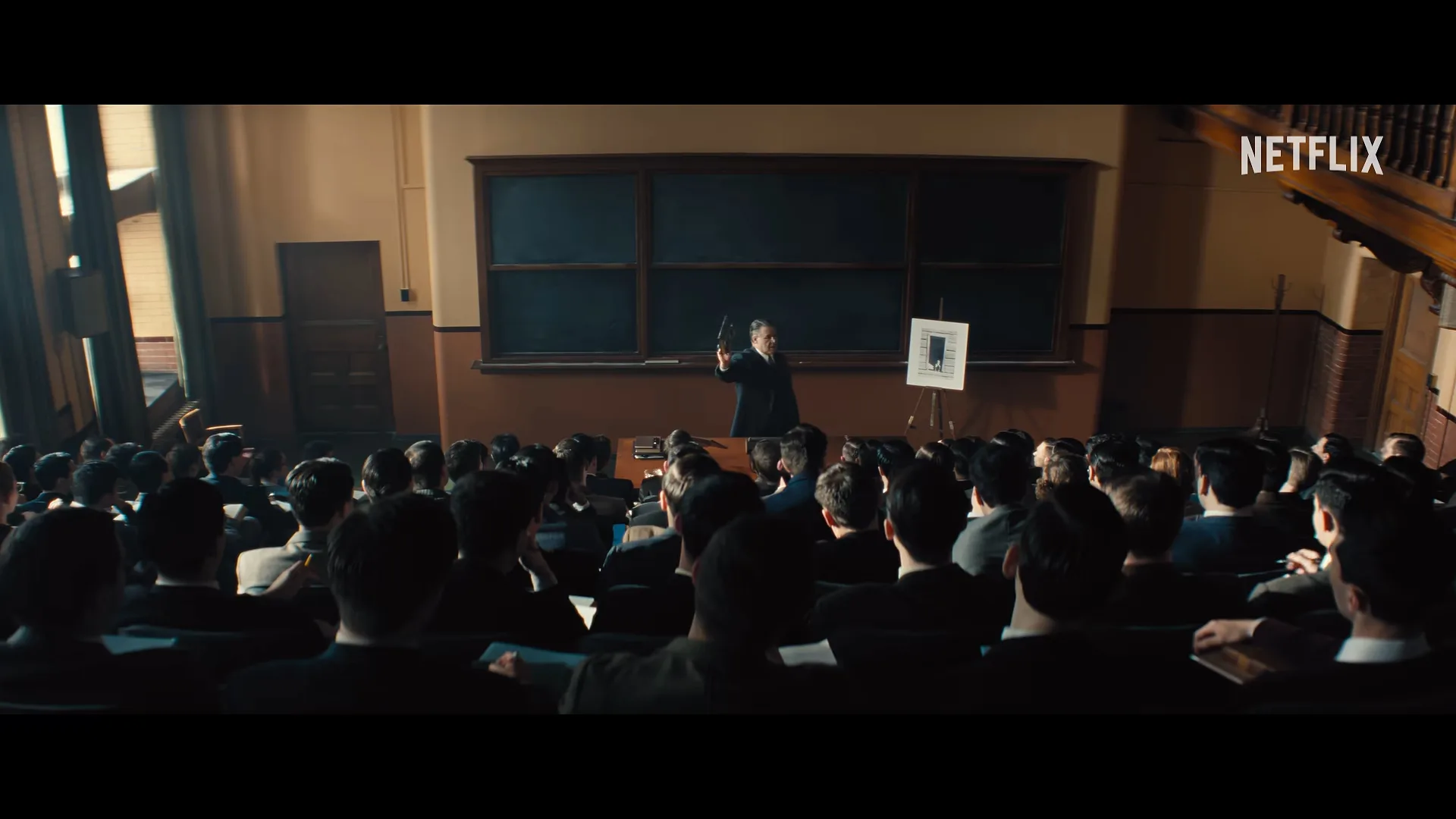
Production-location reporting identifies Chancellor Day Hall, home to McGill’s Faculty of Law, as one of the buildings used for the Harvard material. The stone building sits at 3644 Peel Street on McGill’s downtown campus and has the kind of formal academic architecture that can plausibly represent an Ivy League institution from the period. Russell Crowe’s Henry Murray is particularly associated with this side of the story, so using a genuine university rather than a generic office building gives his academic environment considerably more weight.
Harvard was not filmed at Harvard
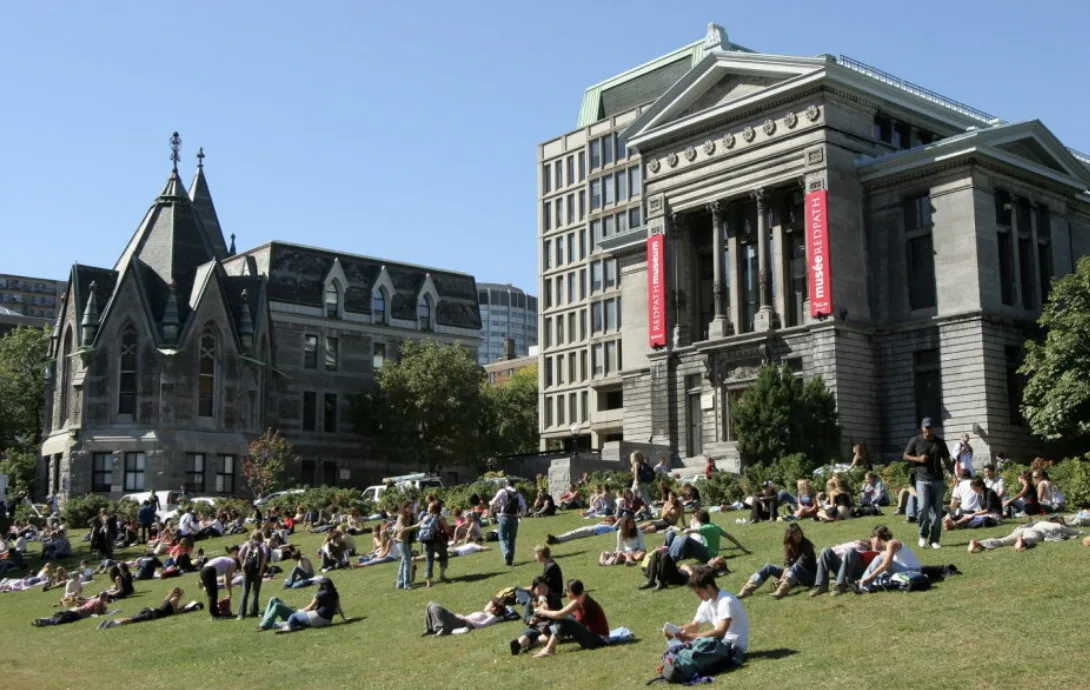
Despite the importance of Harvard to the story, the production does not appear to have filmed its principal university material in Cambridge, Massachusetts. Metz directly identified McGill as the Harvard double, while Montreal production records place the feature in Quebec during its principal photography period. No reliable production record currently identifies Harvard itself as an Unabomber filming location.
That substitution is easier to disguise than it might sound. Both campuses contain historic stone buildings, formal academic interiors and mature urban surroundings, while production design can remove visible Canadian identifiers and introduce the signage, furnishings and period details needed for Harvard. The finished campus therefore comes from a real university, just not the one named in the story.
Montreal also recreated the 1990s investigation
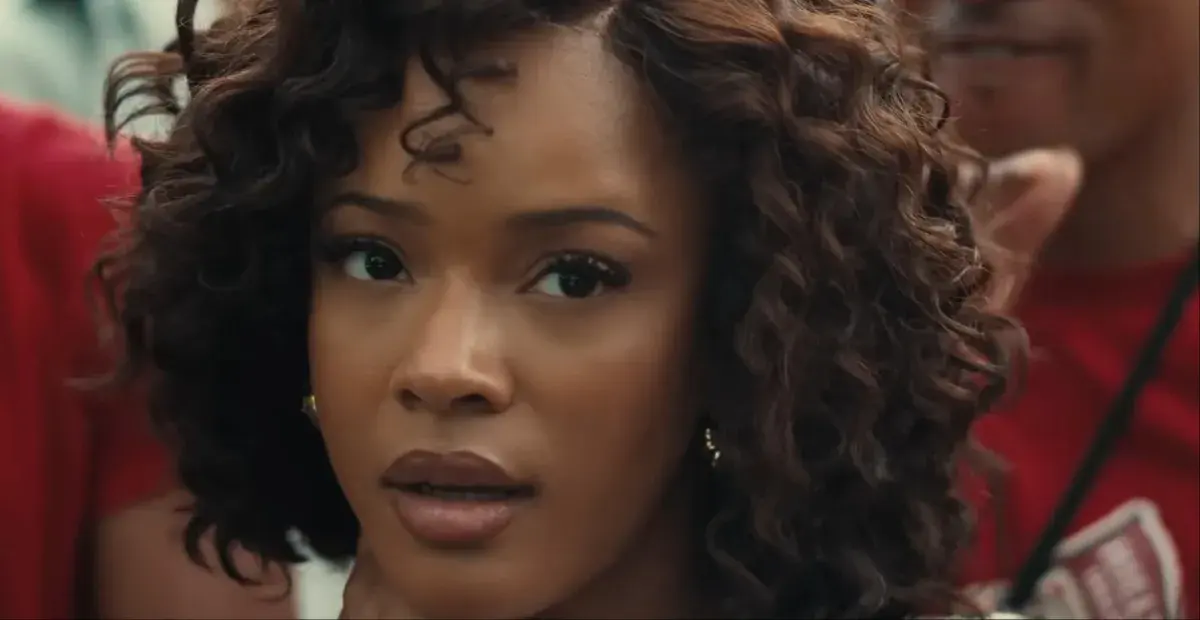
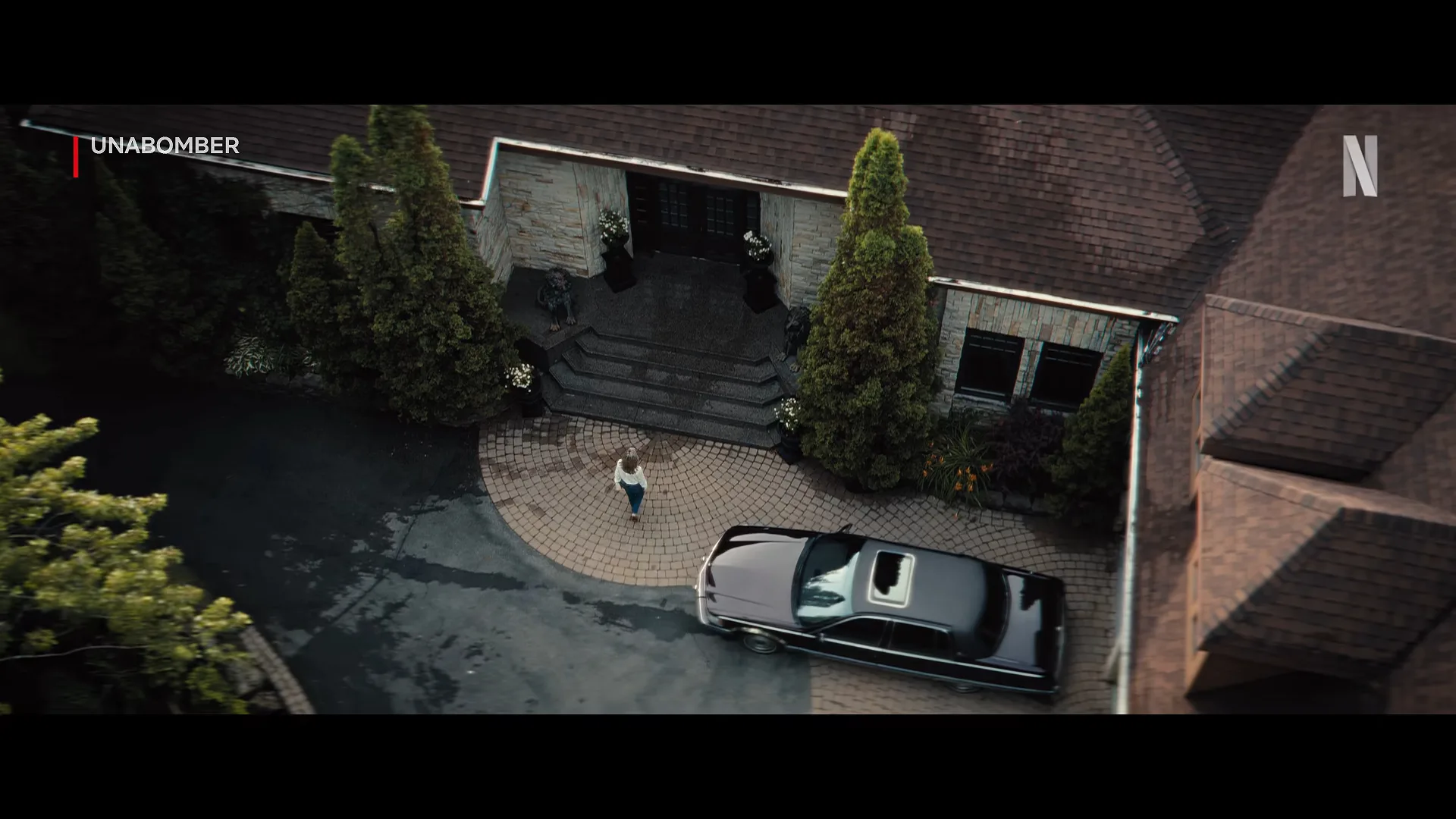
The other half of Unabomber is built around the later federal investigation led on screen by Joanne Miller, played by Shailene Woodley. Netflix describes the film as crosscutting between the formation of Kaczynski’s worldview and the effort to locate him decades later, which required Montreal to shift visually from late-1950s academia into 1990s government offices and investigative spaces.
Specific addresses for those later scenes have not been publicly released. That makes it risky to attach individual Montreal office buildings or streets to the investigation based only on visual resemblance. What can be established is that Montreal served as the film’s shooting base, while no confirmed U.S. production locations have surfaced for this portion of the movie.
What about Kaczynski’s Montana cabin?
The story eventually reaches the remote Montana cabin where the older Kaczynski was living when investigators closed in on him. Michael Laurence plays this later version of Ted, while Tremblay handles the Harvard-era character. The real Kaczynski lived outside Lincoln, Montana, in a very small cabin with few modern conveniences, a property that became central to the final phase of the real investigation.
There is no reliable public source identifying the exact Canadian location used for the movie’s Montana material. Since the production was based in Montreal and no Montana filming has been confirmed, the rural setting appears to have been recreated in Quebec or through a combination of location and set work, but the specific site should remain unassigned until production records confirm it. That distinction is worth maintaining because the real Montana cabin is historically important, but it should not automatically be described as a filming location.
Montreal had to play several versions of America
Unabomber makes unusual demands on one filming city because its geography changes along with its time period. McGill gives the young Kaczynski a convincing Harvard environment, while the later storyline needs federal offices and a rural landscape that feel completely removed from the same Canadian city. Production designer Michele Laliberte and the art department therefore had to make Montreal disappear behind several different American identities.
That approach also supports Metz’s dual-timeline structure. The Harvard sequences have the ordered architecture of academic life, while the later material gradually moves toward more isolated and functional spaces. Montreal is the common production ground underneath both, but the movie is designed so that viewers should rarely be thinking about Quebec while watching either side of the story.