To the Max’s Ending Gives Carlos His Dream Jump, But It Stops Being About the Record
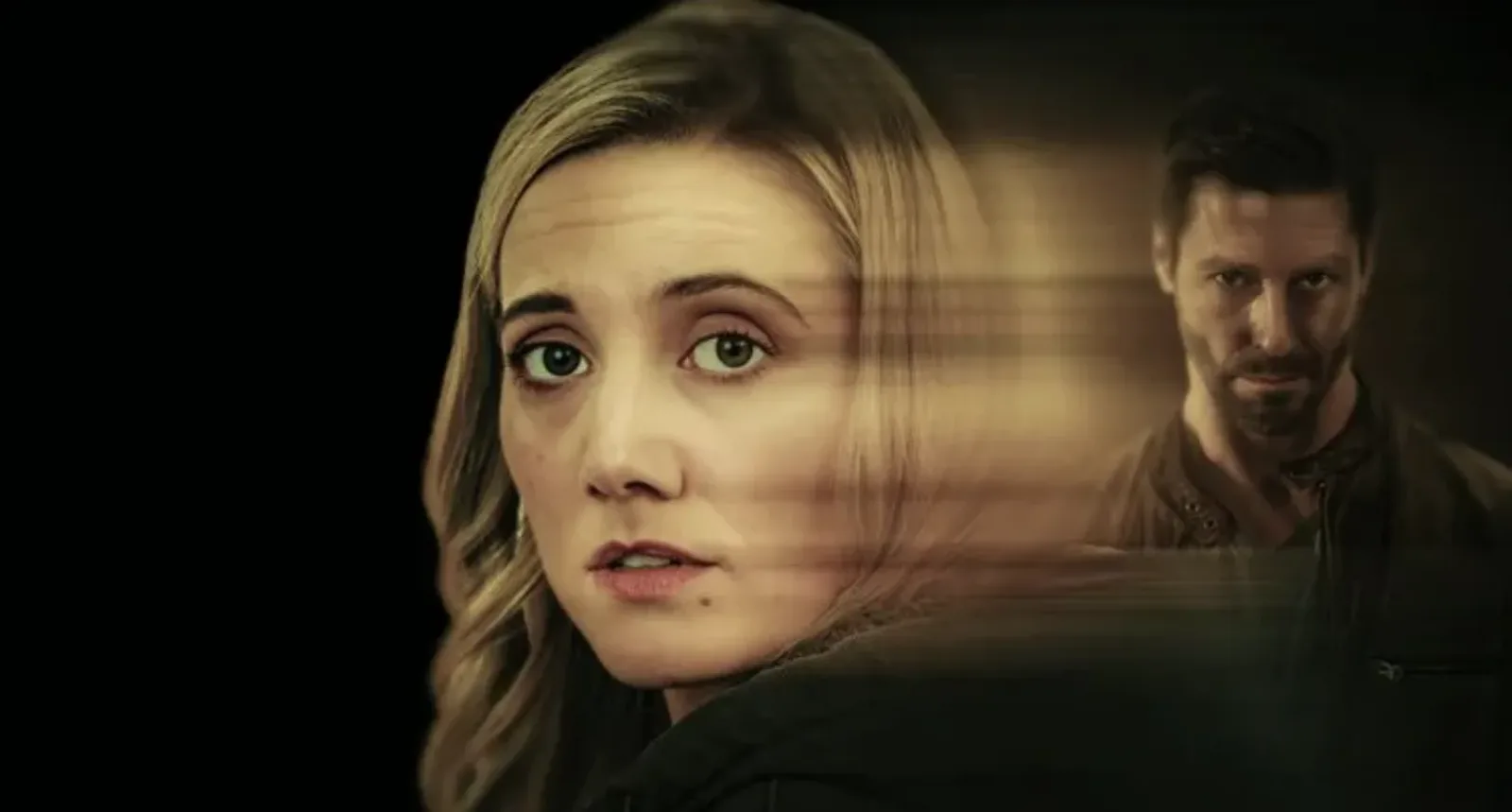
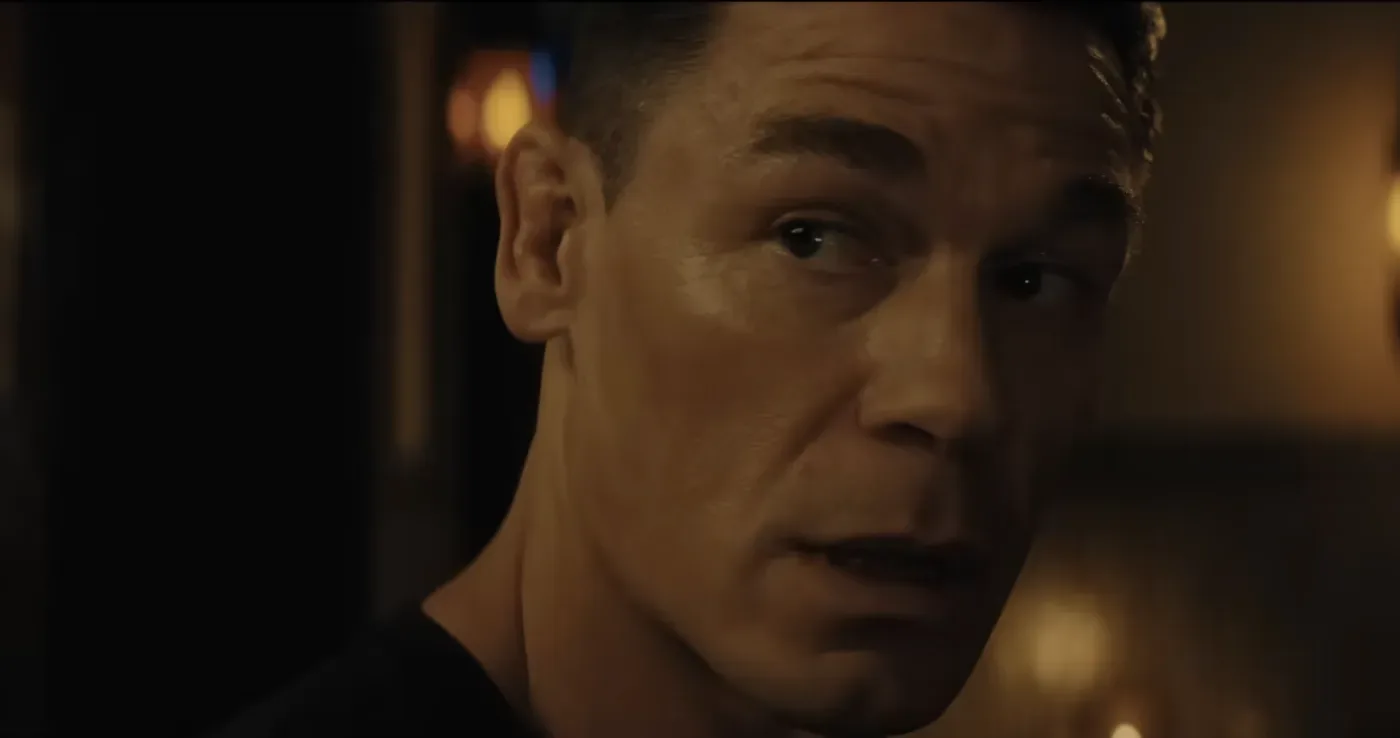
Carlos spends much of To the Max chasing a jump that seems increasingly impossible to reach. Funding disappears, the record they hoped to claim is beaten by somebody else, and, far more importantly, Chana, Álvaro and Darío die before the expedition can finally happen. Yet Carlos does make it to Pakistan in the ending and…
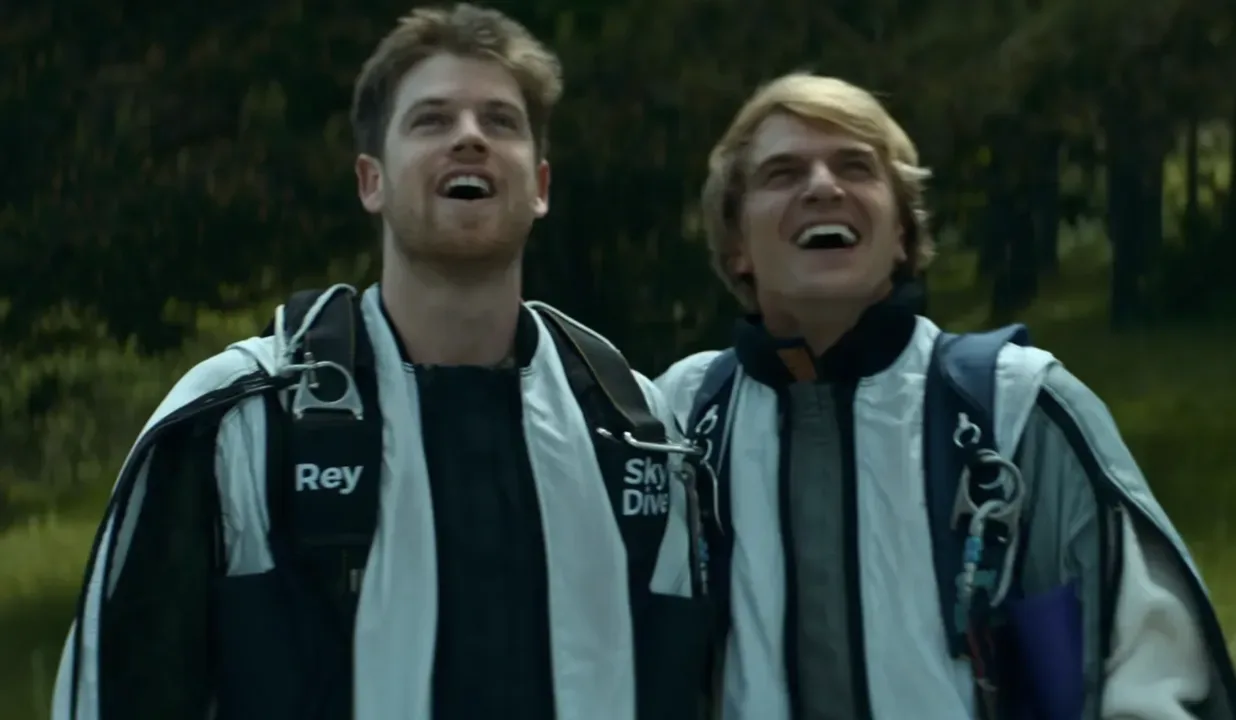
Carlos spends much of To the Max chasing a jump that seems increasingly impossible to reach. Funding disappears, the record they hoped to claim is beaten by somebody else, and, far more importantly, Chana, Álvaro and Darío die before the expedition can finally happen. Yet Carlos does make it to Pakistan in the ending and completes the BASE jump from Nameless Tower. He survives the descent and dedicates the achievement to Darío, transforming what began as an attempt to do something unprecedented into a deeply personal tribute. By that point, being first is no longer what matters to Carlos.
The final jump therefore isn’t a conventional sports-movie victory. Carlos reaches the mountain after watching almost everything surrounding the original dream change. The friends who helped make that dream exciting are gone, Armando has reconsidered how much danger he is prepared to accept, and Carlos himself has been forced to decide whether continuing means honoring his friends or simply refusing to learn from their deaths.
Does Carlos Successfully Jump From Nameless Tower?
Yes, Carlos successfully completes the Nameless Tower jump and survives. Myriam accompanies him on the expedition to Pakistan, where the long-delayed plan that has followed them through much of the story finally becomes real. Reaching the summit is already an achievement, but Carlos still chooses to jump rather than descend conventionally. His landing gives To the Max the resolution it has been building toward without pretending that everything leading to it was worthwhile simply because he succeeds.
The jump also answers an important question created by Carlos’ earlier accidents and losses. He has not suddenly lost his appetite for danger, nor has grief convinced him to abandon the philosophy by which he has been living. What changes is the meaning he attaches to the expedition. Nameless Tower has gone from being another boundary to break to a place where Carlos can carry Darío with him one final time.
Also Read: Don’t Say Good Luck Ending Explained
Why Doesn’t Losing the World Record Stop Carlos?
The world record stops mattering because Carlos and his friends eventually realize that the expedition has value even without it. Early on, part of the appeal is obvious: a spectacular jump could establish the group internationally and justify the enormous expense and difficulty involved in getting everyone to Pakistan. When another jumper beats the record they had been pursuing, the practical reason for continuing becomes much weaker. Darío, however, refuses to treat that development as the end of their plan.
That idea becomes essential to Carlos later. Records are temporary by nature because somebody faster, higher or more daring can eventually replace them. What cannot be replaced is the experience the friends were supposed to have together. Once Carlos loses Darío, completing the expedition becomes less about entering a record book and more about finishing something that had belonged to the group.
Darío’s Death Changes What the Final Jump Means
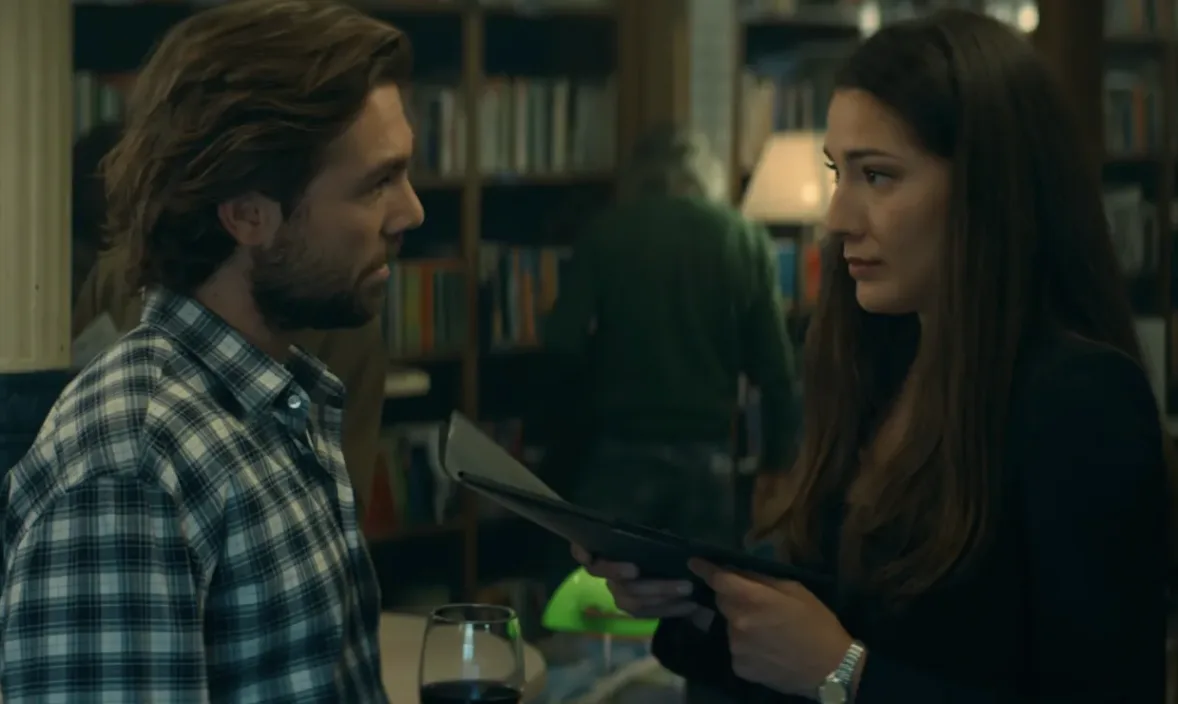
Darío’s death turns Carlos’ Nameless Tower expedition into a memorial rather than simply another extreme-sports challenge. By then, the group has already endured the deaths of Chana and Álvaro, but Darío’s loss arrives especially close to the expedition and forces both Carlos and Armando to reassess their relationship with danger. Armando responds by drawing a new boundary around the risks he is prepared to take. Carlos comes to a different conclusion.
Carlos does not interpret his friends’ deaths as proof that they lived incorrectly. He believes their willingness to pursue what made them feel alive was part of who they were, even if the consequences were devastating. That position is intentionally uncomfortable, and To the Max does not make everyone around him agree with it. The ending works because Carlos’ decision is presented as consistent with his character rather than as an uncomplicated lesson that everyone should follow.
Why Doesn’t Armando Go With Carlos?
Armando pulls away because Darío’s death finally makes the danger impossible for him to keep treating as an abstract probability. He was there during Darío’s fatal flight, just as earlier losses had already shown the group how small the margin for error could become. His family has also spent years dealing with the possibility that one badly judged jump could take him away from them. Continuing exactly as before would mean ignoring both his own changing instincts and the fear carried by the people closest to him.
His decision is important because it prevents the ending from claiming Carlos has discovered the only “correct” response to grief. Carlos goes to Nameless Tower while Armando chooses greater restraint, and both choices grow from the same sequence of tragedies. Director Salvador Calvo has described the film as interested in the tension between personal freedom and responsibility toward partners and families, rather than simply celebrating extreme sport. Carlos and Armando embody the two sides of that argument.
Carlos’ Final Jump Really Happened
The most remarkable part of the ending is that Carlos Suárez actually made the Nameless Tower jump. In August 2014, only around two months after Darío Barrio’s death, Suárez climbed Nameless Tower in Pakistan’s Karakoram and became the first person to BASE jump from its summit. Contemporary climbing publication Desnivel reported Suárez’s successful descent and his dedication of the achievement to Darío. The real expedition therefore gives the film a factual endpoint that would almost seem too neatly constructed if it had been invented for the screenplay.
There is another revealing difference in the real story. Before leaving for Pakistan, Suárez said he had not returned to BASE jumping after Darío’s death and was not certain he would jump once he reached the summit. He brought BASE equipment but specifically did not intend to use a wingsuit. Ultimately, he decided the conditions and his own feelings were right, climbed the tower and jumped.
That uncertainty makes the achievement more interesting than a predetermined stunt. Carlos did not travel there knowing that he had to leap regardless of circumstances. The final decision came after the climb itself and after a period in which he had been questioning his relationship with BASE jumping following Darío’s death. It makes the movie’s ending less about someone recklessly refusing to change and more about someone deciding which parts of his former life he still wanted to keep.
Carlos’ Real Fate Makes the Ending Much More Difficult
The real Carlos Suárez survived Nameless Tower, but his story did not end there. On April 1, 2025, while assisting with preparations for the film that became To the Max, Suárez died during a wingsuit jump from a hot-air balloon in Toledo, Spain. He was 52. His parachute did not deploy, and the other participants in the group jump landed safely.
That tragedy fundamentally changes how the final scene feels now. To the Max was initially built around a group in which Chana, Álvaro and Darío had died while Carlos Suárez and Armando del Rey remained to help tell their story. Suárez’s death during the film’s production meant that Armando became the only surviving member of that central group. Calvo has said the loss ultimately made the production feel even more like a tribute to the athletes whose lives inspired it.
The Nameless Tower sequence consequently cannot be read as proof that Carlos was right because he survived. Survival was never guaranteed, which is precisely the contradiction the film keeps returning to. Carlos makes the jump, lands safely and fulfills the dream he once shared with his friends, but To the Max knows what that freedom costs the people who choose it and the families waiting below. His dedication to Darío is what gives the achievement permanence, long after the record itself has stopped mattering.