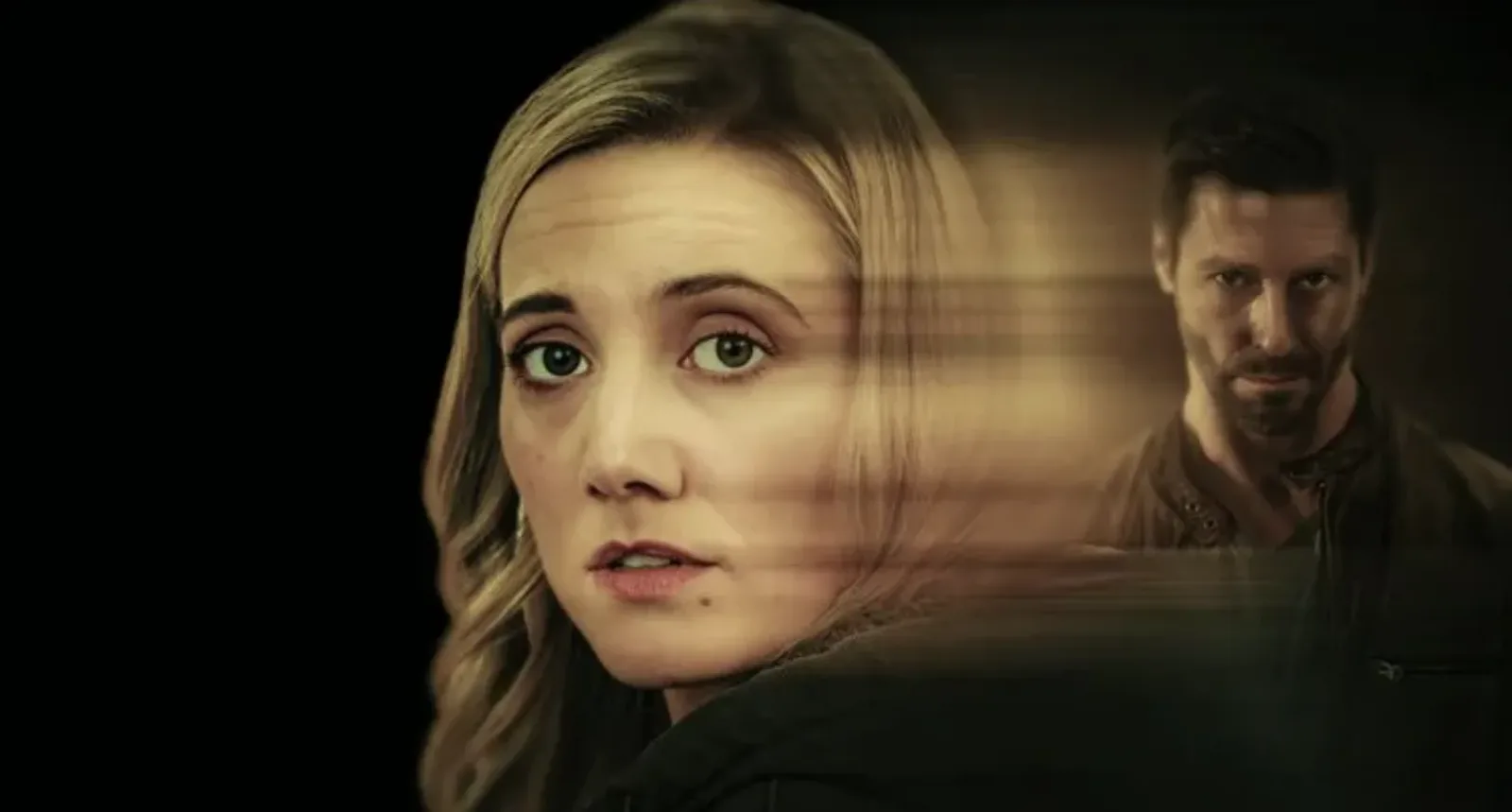
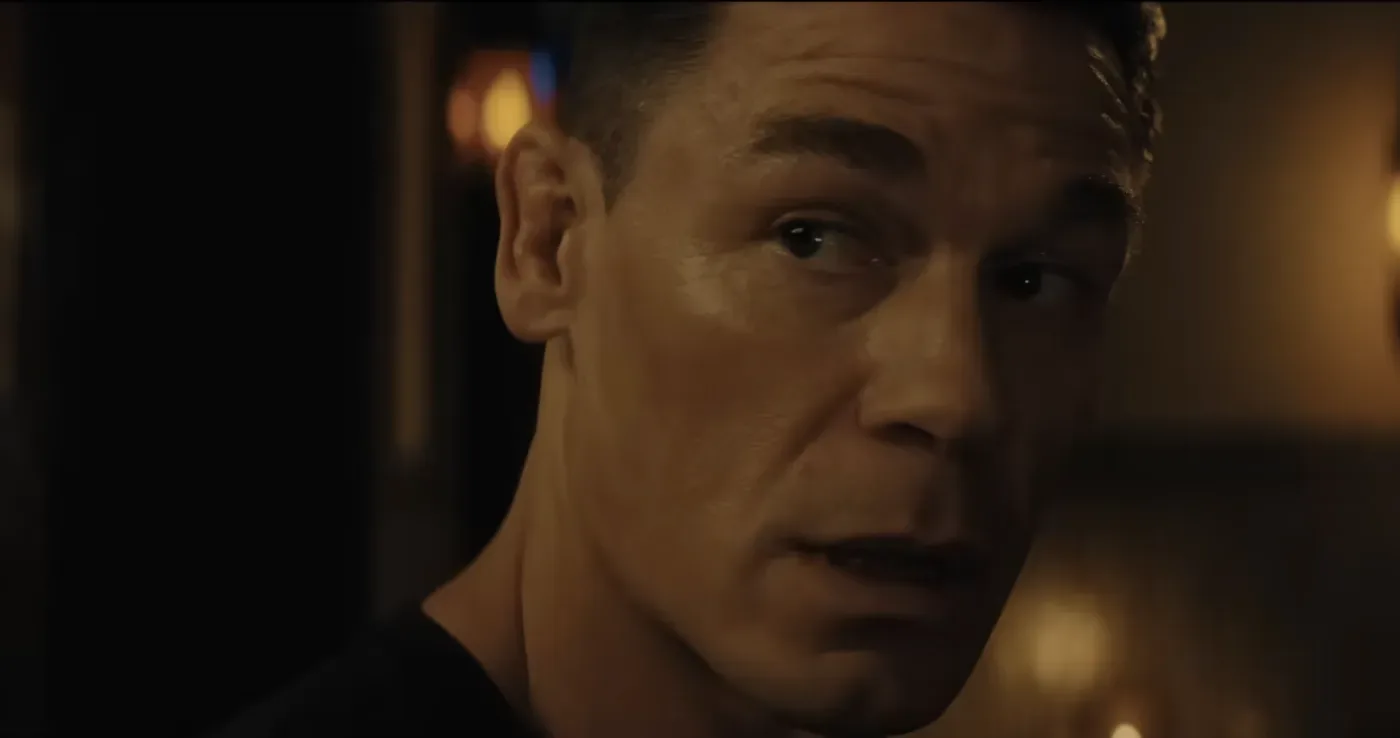
Netflix’s The Wrong Track: Why does Emilie struggle to prove herself to her family?
In The Wrong Track on Netflix, Emilie is already known as someone who does not finish things. Her brother makes the Birken race a condition of his help.
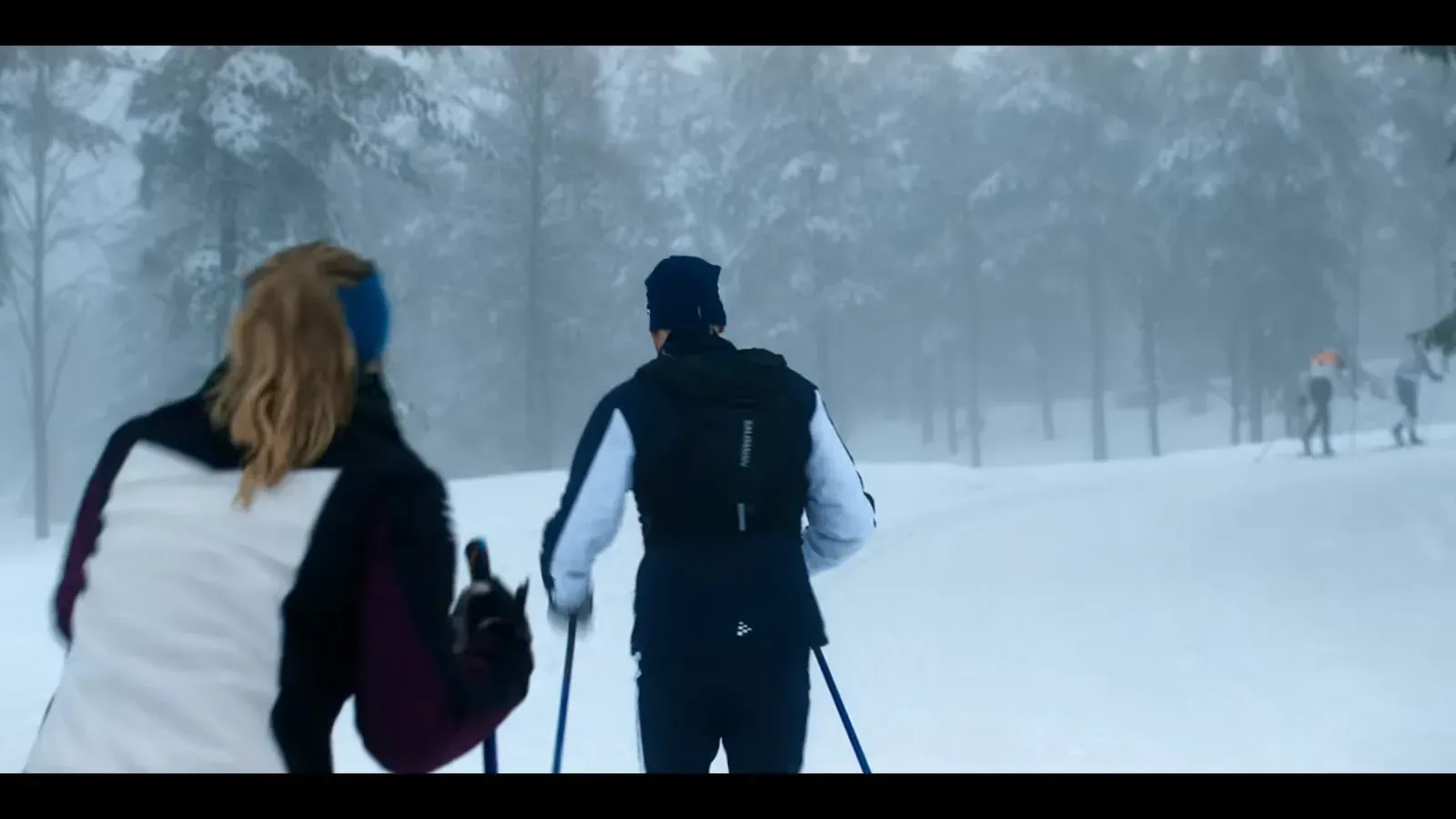
Inside her family, Emilie (Ada Eide) is already known as someone who starts things and does not finish them. In Netflix’s “The Wrong Track”, her brother Gjermund (Trond Fausa Aurvåg) agrees to bail her out of a personal and financial rough patch on one condition: she trains for and completes the Birkebeinerrennet alongside him. That transactional setup makes the 53-kilometer race the first commitment she has accepted that carries a public, clock-verified record, one her family cannot dismiss or reinterpret.
A Label She Has Lived With for Years
The film establishes early that Emilie is known inside her family as someone who starts things and walks away. The screenplay, credited to Lars Gudmestad, Maria Karlsson, and Vilde Klohs, does not spell out a single past failure in detail. Instead, it layers in the assumption through other characters’ reactions. Gjermund does not offer unconditional support; he attaches a condition. Emilie’s ex-husband Joachim (Christian Rubeck) questions her reliability as a co-parent. Even her daughter Lilli (Saga Meisfjordskar) absorbs the household’s low expectations. Emilie is not starting from zero with her family. She is starting from a deficit built over years.
That framing matters because it makes the race a proxy for something larger than fitness. When Gjermund names the Birken as the condition of his help, he is not choosing a random challenge. The film frames the choice as the most public, measurable commitment available: a classic-technique ski race where the clock decides whether you finished or did not.
The Custody Pressure Sharpens the Stakes
Joachim’s desire for greater custody of Lilli sits alongside the race as a second source of pressure. The film positions him as someone who watches Emilie closely for signs that she will not see things through, and who is prepared to use those signs in any custody dispute. That surveillance changes the texture of Emilie’s daily life. Every small wobble, every missed training session, every moment of visible struggle carries potential legal weight.
Lilli’s skepticism toward her mother is not simply a daughter’s worry; it exists inside a household where Joachim has already introduced the idea that Emilie may not be fit to be the primary parent. The race gives Emilie a chance to answer that argument in a form that carries a verifiable clock record.
What the Birken Actually Demands
For a participant with Emilie’s training history, 53 kilometers of classic technique on mountain terrain is a serious physical undertaking. The Birkebeinerrennet, commonly called the Birken, runs from Rena to Lillehammer, finishing at the Olympic stadium, and has been held since 1932. Every competitor must carry a backpack weighing at least 2 kilograms throughout the race. That requirement is not a quirk of the film’s plot. It comes from the race’s founding tradition: in the winter of 1206, a group of warriors known as the Birkebeiners carried the infant prince Håkon Håkonsson to safety across the same mountain range. The loaded pack honors that crossing.
Director Hallvar Witzø and the production (Rubicon TV AS and iProduksjon) use the race itself as extended screen time, showing Emilie’s body and resolve being tested in increments rather than in a single dramatic burst. The structure is less inspirational montage and more accumulation of small decisions to keep moving.
Gjermund and Silje as a Parallel Story
The film’s emotional range widens through Gjermund’s marriage to Silje (Marie Blokhus). The two are privately dealing with infertility, a struggle that runs alongside Emilie’s race preparation without competing with it. The effect is to show Gjermund not as a straightforwardly disapproving older brother, but as someone carrying his own weight. His conditions and his impatience with Emilie read differently once the film reveals that he and Silje are also trying to hold something together that keeps slipping away from them.
That parallel prevents “The Wrong Track” from becoming a simple story of a woman proving critics wrong. Witzø keeps most of the significant people in Emilie’s life in motion: Gjermund and Silje are carrying an infertility struggle, Joachim is constructing a custody argument. Nobody is positioned as a stable observer with the luxury of simply watching Emilie grow.
Crossing the Line and What It Shifts
The film does not position the race finish as a transformation. Emilie does not cross the finish line changed into a different person. What the finish does is remove the open question that has hung over every conversation she has had with her family for years. The race had a start time, a route, and an endpoint. She completed it or she did not, and the record does not accommodate interpretation.
Lilli’s response to seeing her mother finish carries the most weight in that final stretch because it is the relationship with the highest daily stakes. The shift is not from doubt to pride in a single gesture; the screenplay earns it through the custody subplot and the race preparation that comes before. A daughter who has absorbed one parent’s low expectations of the other needs more than a finish-line moment to recalibrate. The film’s closing sequence suggests that recalibration has at least started.
Emilie does not simply have a family that doubts her. She has a brother who transacted with her, an ex-husband with a legal motive to track her failures, and a daughter caught between them. The race answers one measurable question. The others stay open.