The Uprising Ending Explained: Is Ploughman Really Robin Hood and Why Does He Spare the King?
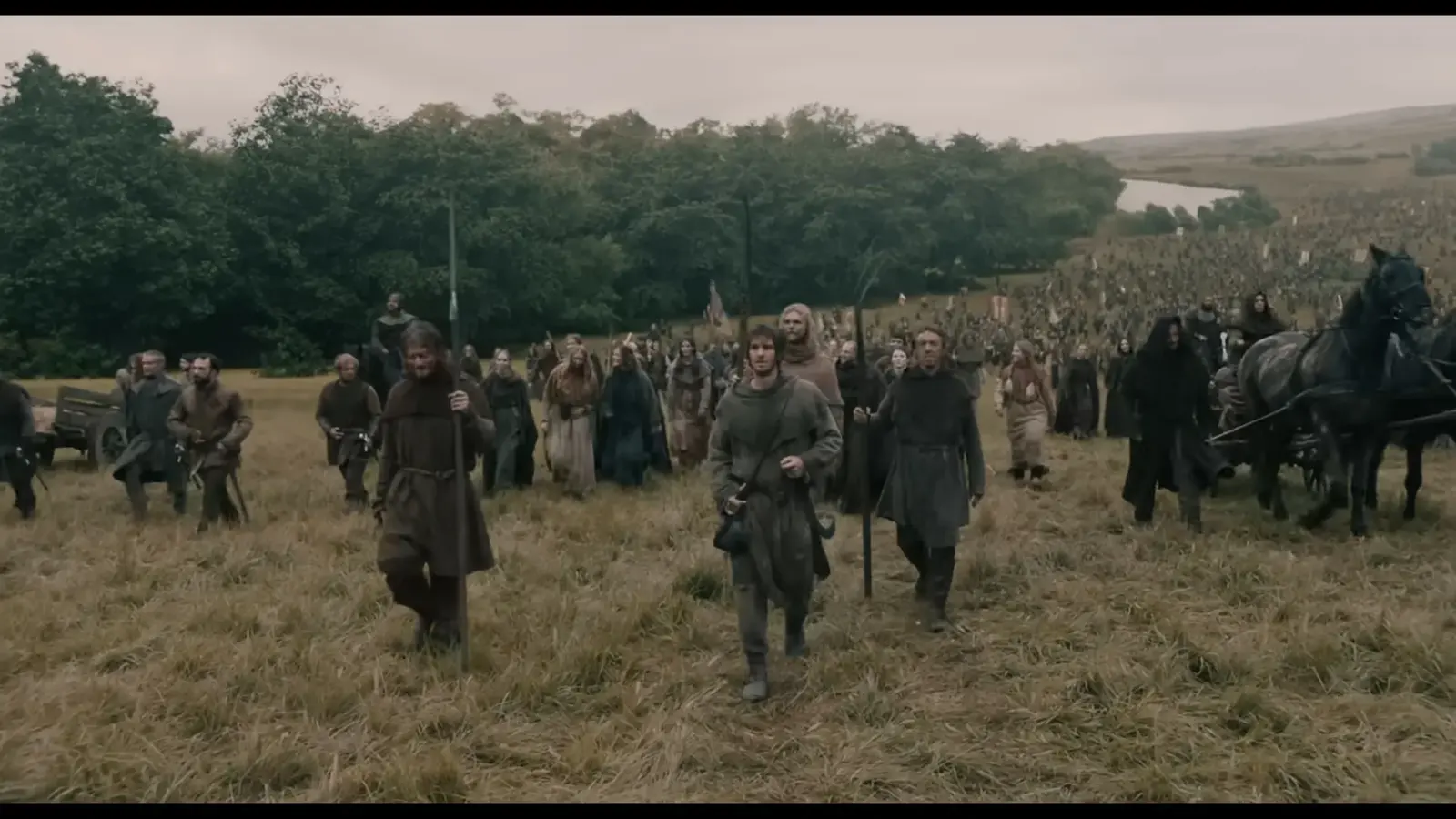
Paul Greengrass spends most of The Uprising keeping Andrew Garfield’s protagonist grounded in the harsh realities of 1381 England. Ploughman is not introduced as a legendary warrior or famous outlaw. He is an ordinary farmer who has already endured enormous personal loss and gradually becomes caught up in a movement much larger than himself. That…
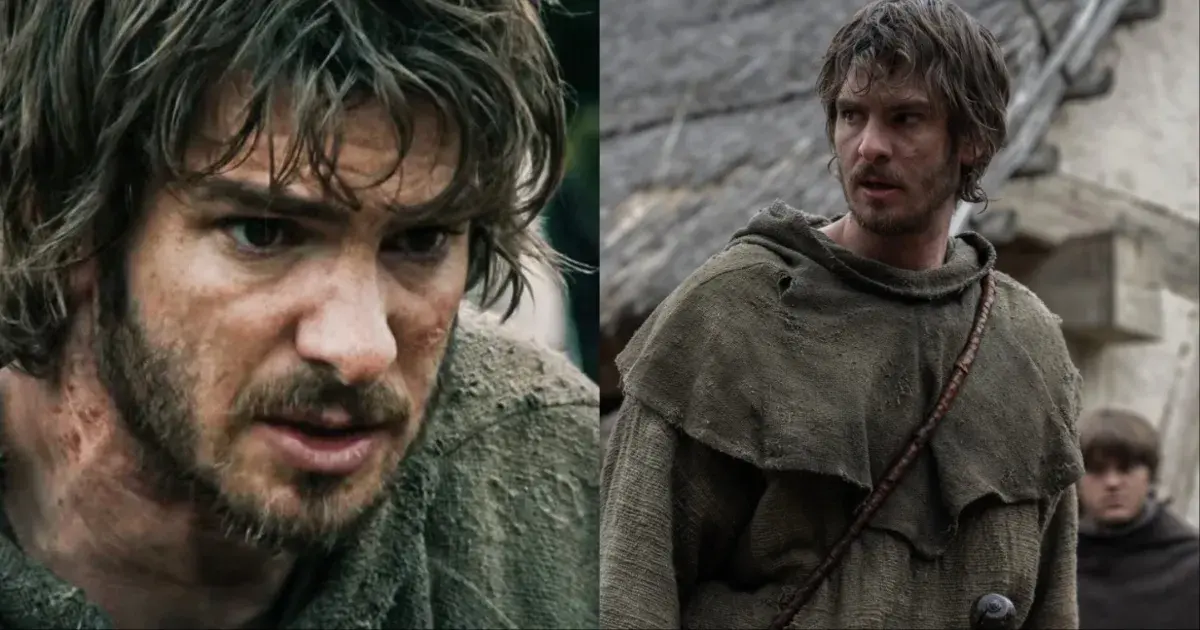
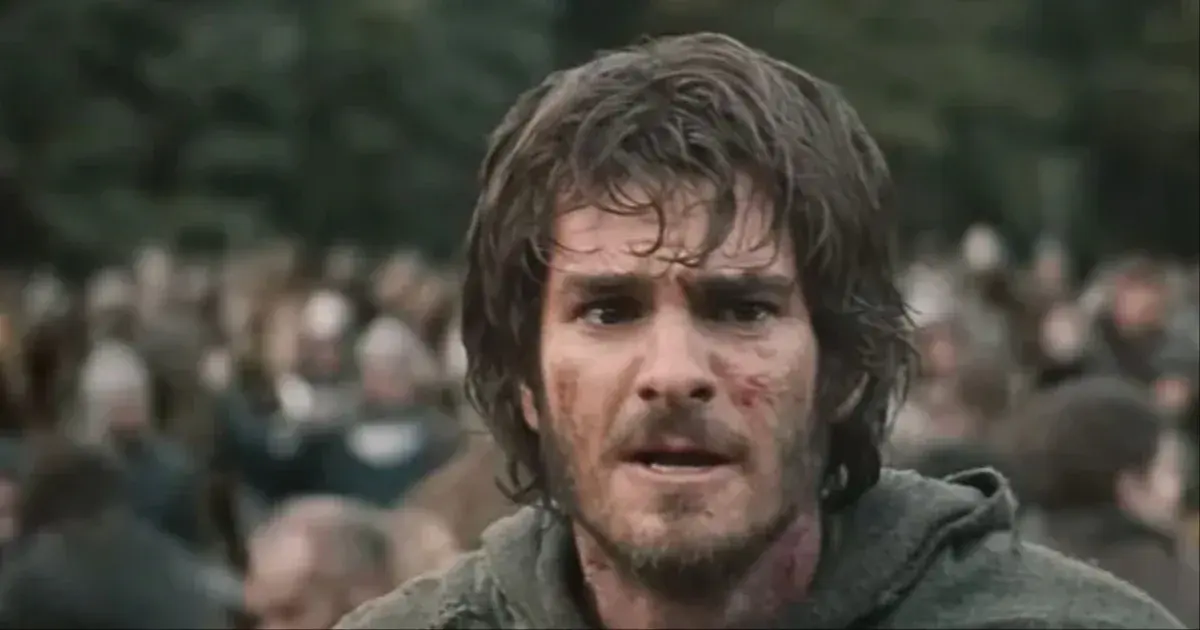
Paul Greengrass spends most of The Uprising keeping Andrew Garfield’s protagonist grounded in the harsh realities of 1381 England. Ploughman is not introduced as a legendary warrior or famous outlaw. He is an ordinary farmer who has already endured enormous personal loss and gradually becomes caught up in a movement much larger than himself.
That makes the movie’s final stretch especially important. What begins as a historical drama built around the Peasants’ Revolt eventually moves into something more mythic, with Ploughman leaving behind the identity he carried through the rebellion and emerging from the forest as the kind of outlaw audiences immediately associate with Robin Hood. The film never simply announces that Ploughman has changed his name to Robin Hood, but the connection is very much intentional.
Why Does the Rebellion Fall Apart?
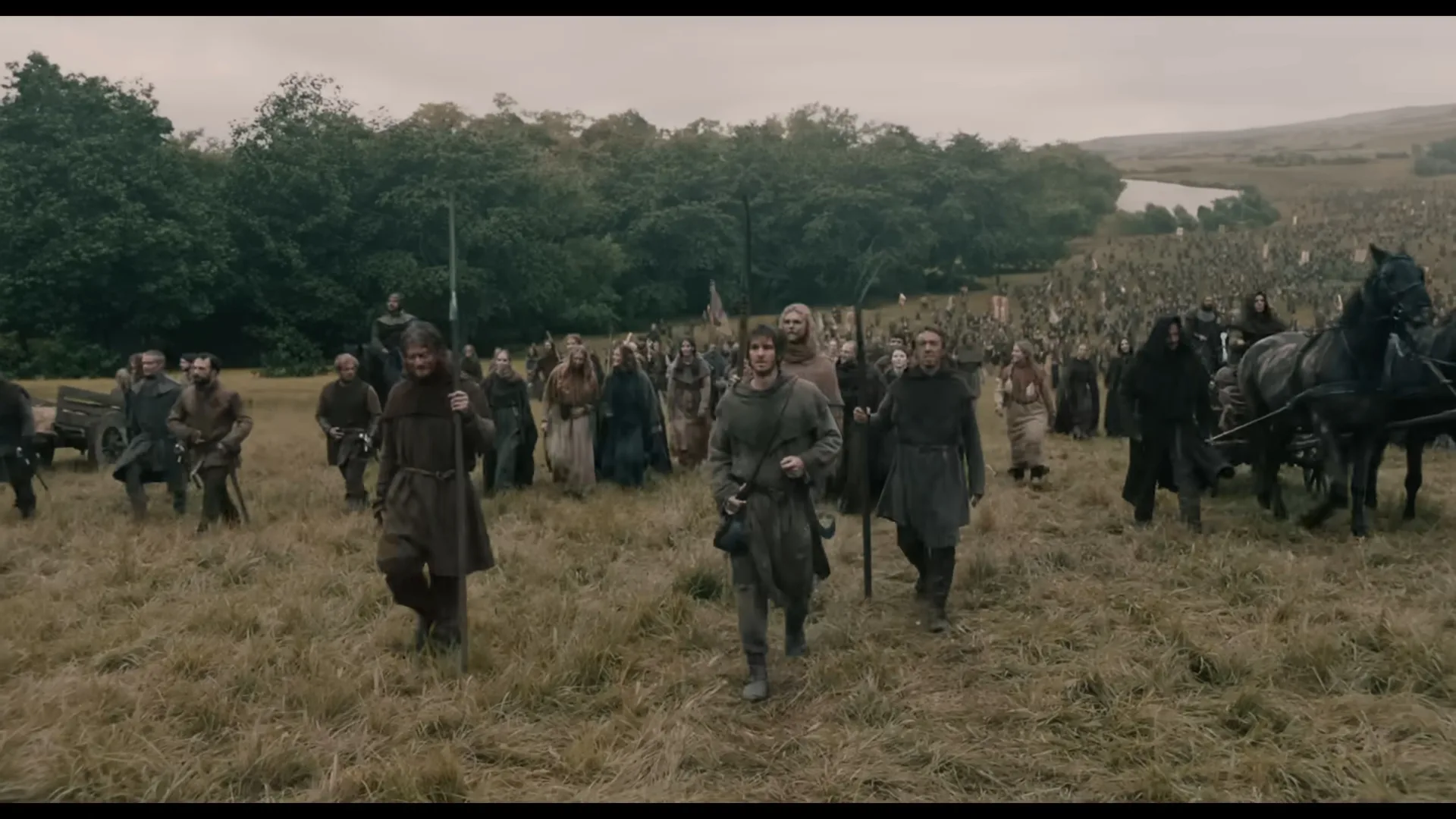
By the later stages of the uprising, Ploughman has become increasingly uncomfortable with how quickly a movement built around legitimate grievances can become impossible to control. He has witnessed ordinary people rally behind Wat Tyler and John Ball, but he has also seen anger begin to overtake the original purpose of the revolt.
King Richard II appears to offer another possibility. If the king is willing to listen to the rebels and honor his promises, there may still be a way for the movement to achieve something without descending further into chaos. Ploughman wants to believe that possibility because he has never been driven by a desire for power. His motivation has always been much simpler: fairness, dignity and a future in which people like him are not treated as disposable.
The confrontation at Smithfield destroys that remaining faith. The king’s promises no longer offer protection, the rebellion loses the leadership that held it together, and Ploughman realizes that trusting Richard was not enough to change the system surrounding him. The uprising may have brought thousands of people together, but its collapse leaves its surviving members scattered and exposed.
For Ploughman, that failure becomes intensely personal. He has already lost the ordinary life he once knew, and now the political movement that gave his grief a direction has also been broken. The man who survives Smithfield cannot simply return home and become the same farmer again.
Why Does Ploughman Cover His Face With Earth?
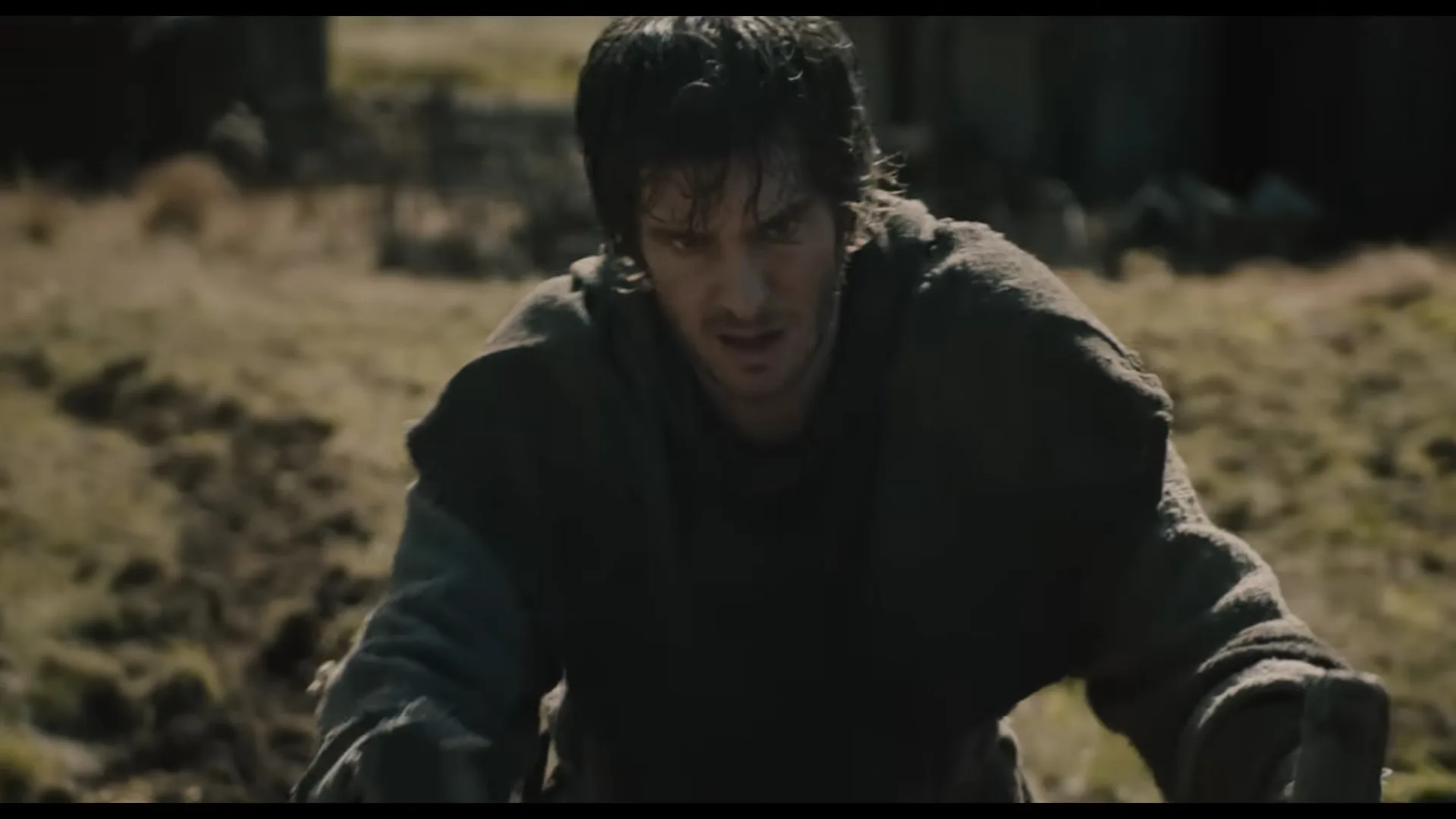
After escaping the collapse of the rebellion, Ploughman returns to what remains of his former home. There is no comforting return to normal life waiting for him. His family is gone, his faith in royal promises has disappeared and the identity he once understood no longer fits the person he has become.
The moment in which Ploughman takes earth from the land and marks his face therefore functions almost like a burial and rebirth at the same time. The soil connects him to the life he has lost, but it also helps him leave that life behind. He carries his past with him without pretending that he can return to it.
This is also where his anonymity becomes much more significant. Earlier in the film, the name “Ploughman” emphasizes that he is one ordinary worker among countless others whose names history never recorded. By the ending, not having a conventional identity allows him to become something larger than one individual. The farmer is disappearing, while the outlaw is beginning to take his place.
Also Read: Facing El Chapo Ending Explained: What Happens to El Chapo and the Two Officers?
Is Ploughman Really Robin Hood?
In the symbolic world of The Uprising, yes. Ploughman is clearly being transformed into a Robin Hood-like figure, although the movie is not claiming that a real historical farmer from the Peasants’ Revolt has finally been identified as the true Robin Hood.
Greengrass built this idea into the project long before the final version reached the screen. The filmmaker has discussed how the project was originally developed under the title The Hood, with Ploughman’s journey always intended to move from ordinary farmer to outlaw. The closing scenes bring that idea into the open.
Ploughman is now hooded, living beyond the direct reach of the crown and surrounded by people who have also been pushed outside the established order. Rather than confronting the king through an organized rebellion in London, he can now operate from the countryside, appearing and disappearing before royal authority can contain him.
That resembles the foundation of the Robin Hood legend without requiring the movie to turn Ploughman into the familiar Robin of Loxley seen in many previous adaptations. This version does not begin as an aristocrat who loses his title. He begins at the opposite end of the social order, as an ordinary laborer who comes to believe the system itself cannot be trusted.
The difference is important. The Uprising is less interested in identifying the “real” Robin Hood than in imagining how stories about anonymous rebels and outlaws might gradually become legends.
Why Does Ploughman Spare King Richard?
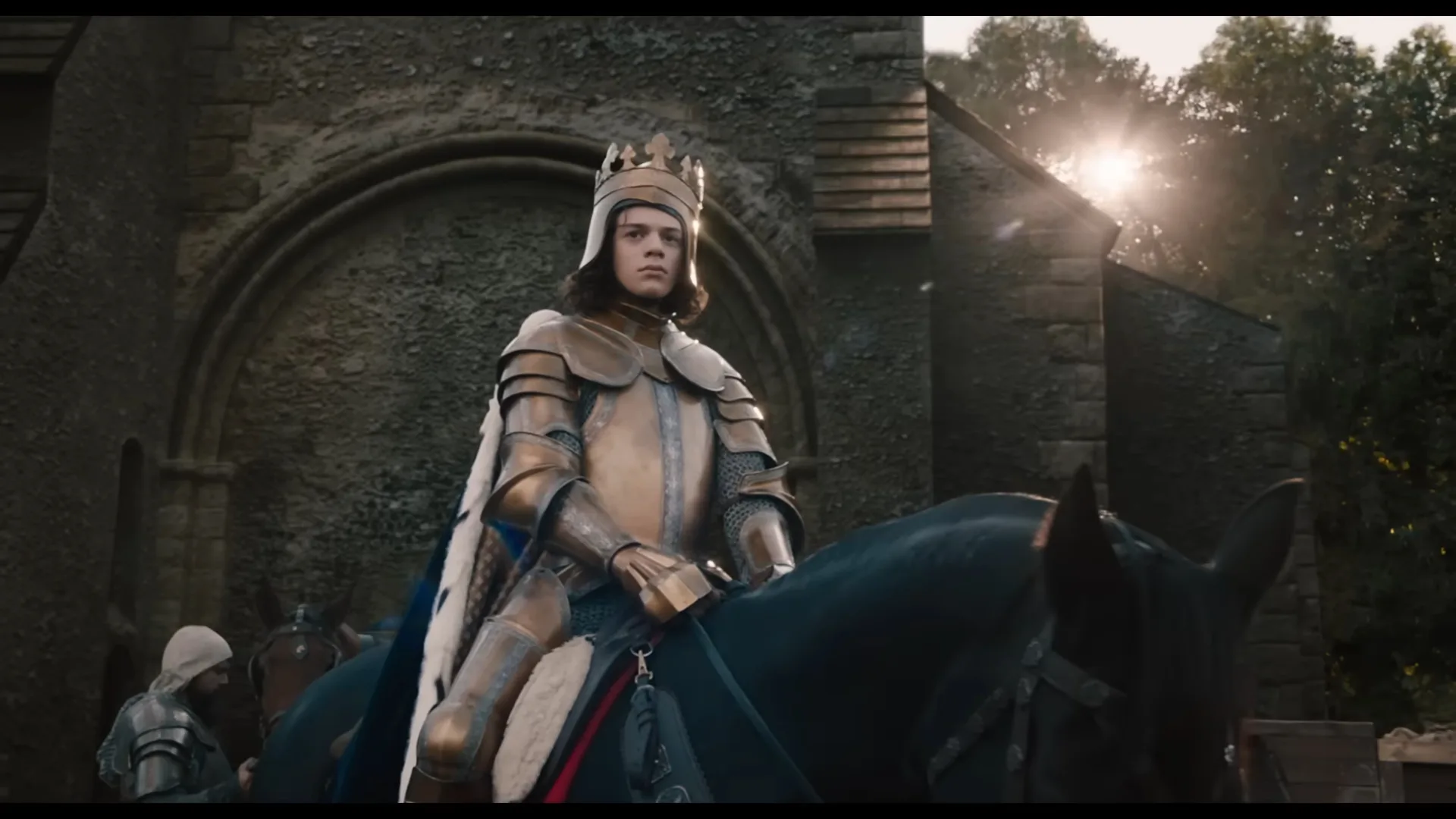
Ploughman’s encounter with Richard near the end provides the clearest indication of how much he has changed. He gets close enough to the king to settle their conflict permanently, yet he chooses not to do so.
That decision is not simply an act of forgiveness. Ploughman has learned that removing one person does not necessarily remove the structure that produced the injustice in the first place. Richard is the king, but he is also part of a much larger system of power that will continue regardless of who occupies the throne.
Leaving Richard alive gives Ploughman something different. The king now knows that the rebellion he believed had been defeated did not disappear completely. The large crowd may have been broken apart, but one of its survivors can move outside the rules Richard understands and return when least expected.
Ploughman therefore changes the nature of the conflict. Earlier, the rebels confronted royal authority openly and in enormous numbers. Now Ploughman becomes an anonymous presence that the crown cannot easily locate or control.
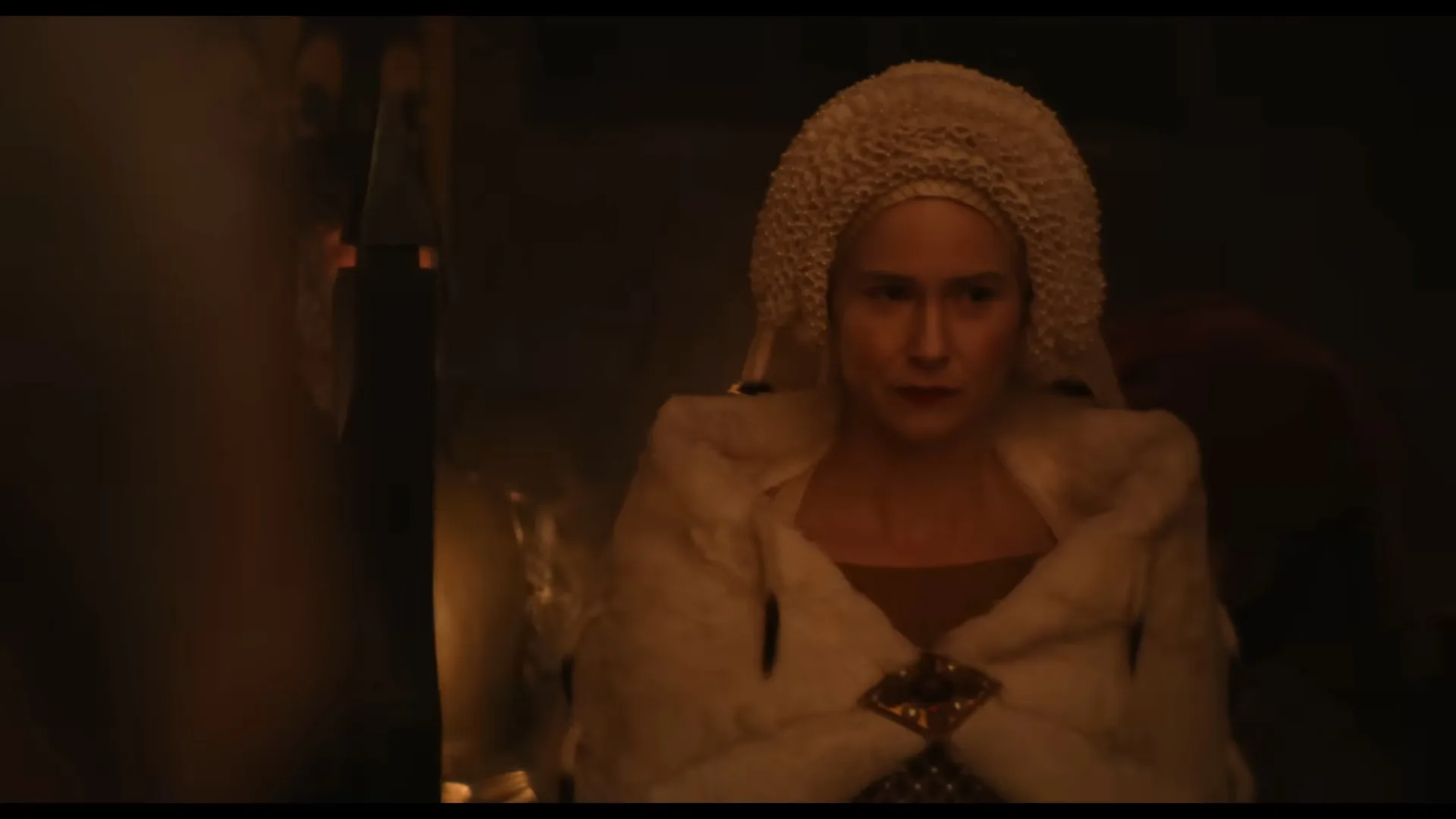
The psychological effect on Richard matters as much as the physical danger. The young king can return to his throne, but he can no longer assume that defeating the revolt means defeating everyone who believed in it.
What Does the Final Forest Scene Mean?
The forest is where The Uprising finally stops functioning only as a historical drama and begins moving toward legend. Ploughman is no longer the farmer audiences met at the beginning, and he is no longer simply one participant in Wat Tyler’s rebellion. He has become an outlaw.
That transformation also changes the scale of his story. The Peasants’ Revolt has ended in failure within the immediate political world of the movie, but the grievances that created it have not disappeared. Ploughman’s survival allows those ideas to continue outside the formal movement.
The forest is particularly significant because it places him beyond the spaces controlled by the king. London belonged to royal institutions, officials and political negotiation. The countryside gives Ploughman a different kind of power, one based on mobility, anonymity and the loyalty of people who no longer expect justice from the authorities above them.
This is where the movie’s connection to Robin Hood becomes strongest. The familiar legend centers on an outlaw living outside official society while challenging those who misuse power. Ploughman’s journey has now brought him to almost exactly that position.
Does Ploughman Become the Real Robin Hood?
The movie stops short of saying that Ploughman literally becomes a documented historical figure named Robin Hood. That would be difficult to support historically because Robin Hood exists through a complicated collection of stories and traditions rather than one universally accepted biography.
Instead, Ploughman becomes the kind of person who could inspire such a legend.
That distinction allows Greengrass to connect historical events with folklore without pretending the movie has solved the mystery of Robin Hood’s identity. Ploughman’s personal name is almost irrelevant by this point. What matters is what people might say about him afterward.
A farmer who stood against powerful men, survived a failed rebellion, disappeared into the forest and continued challenging the king could easily become something larger through retelling. With each version of the story, details could change while the basic image remained.
That is the transformation The Uprising leaves audiences with. Ploughman begins as someone history might never remember and ends as someone whose story could become impossible to forget.
What Does The Uprising Ending Really Mean?
The ending ultimately argues that political defeat and historical disappearance are not necessarily the same thing. The organized rebellion fails, but the ideas that drove it survive through the people left behind.
Ploughman’s transformation gives that idea a human form. He loses his family, his home, his belief in royal promises and eventually even the ordinary identity with which he began the movie. What remains is someone who no longer expects the existing system to protect him.
His decision to spare Richard reinforces that point. Ploughman no longer believes changing one person at the top will automatically change everything beneath him. Instead, he becomes a permanent reminder that authority can suppress a movement without completely erasing the anger and inequality that created it.
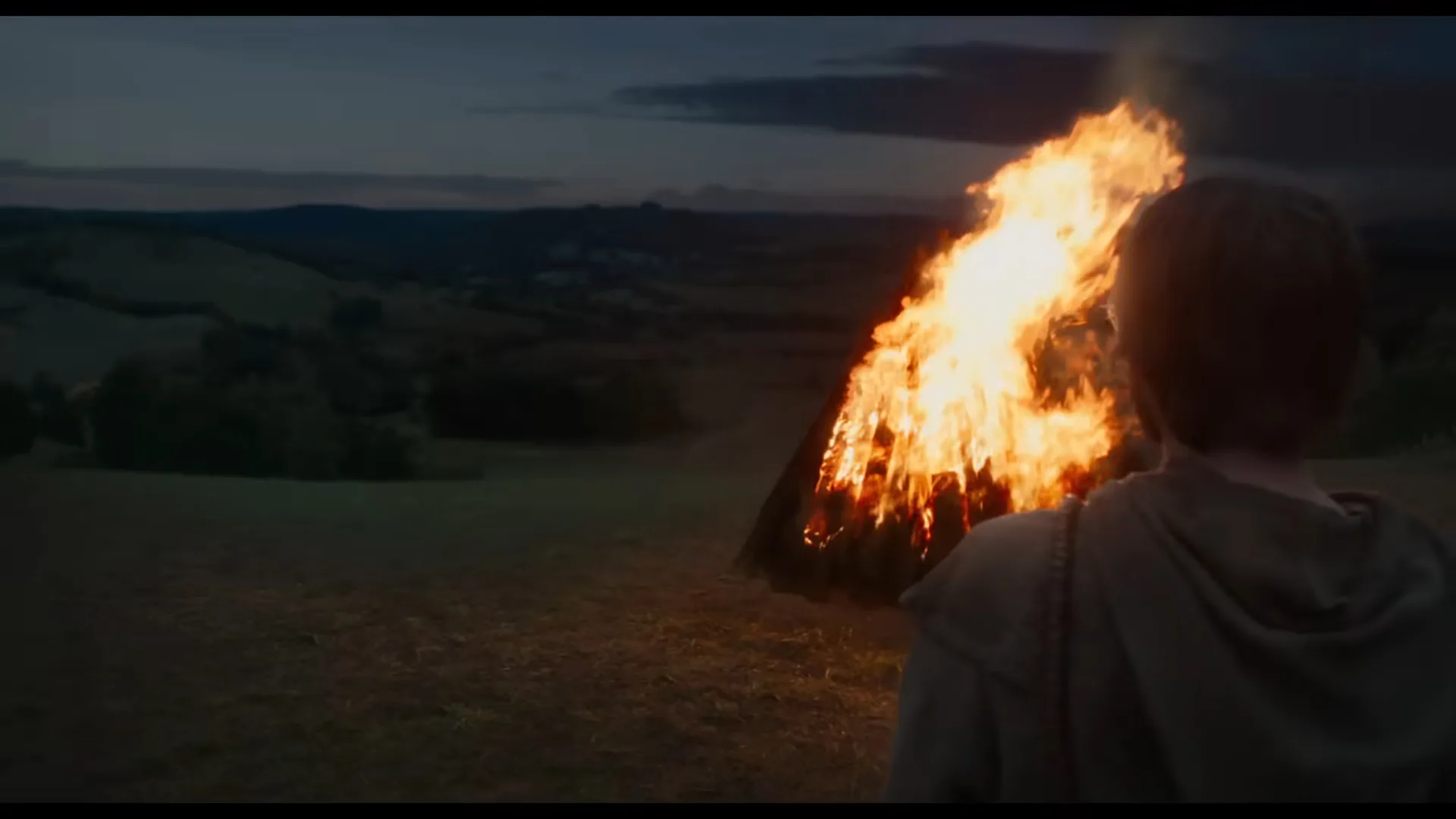
That is why the Robin Hood connection works as more than a final-scene Easter egg. Greengrass uses it to move the story from recorded history into cultural memory. The Peasants’ Revolt may have been defeated, but the idea of ordinary people resisting powerful institutions can continue through another kind of story.
Ploughman survives because his story is no longer only about 1381. By the time he disappears into the forest, the farmer audiences followed through The Uprising has effectively reached the end of his life, while the legend that could grow from him is only beginning.
Also Read: Busboys’ Ending Finally Gives Markie Everything He Wanted, Then He Turns It Down