The Brink of War’s Reagan-Gorbachev Summit Almost Changed History. So Why Did It Fail?
The Brink of War turns one of the Cold War’s strangest diplomatic episodes into a tense two-man contest. Jeff Daniels plays U.S. President Ronald Reagan opposite Jared Harris as Soviet leader Mikhail Gorbachev, with most of the drama built around their October 1986 meeting in Reykjavik, Iceland. What makes the story remarkable is that the…
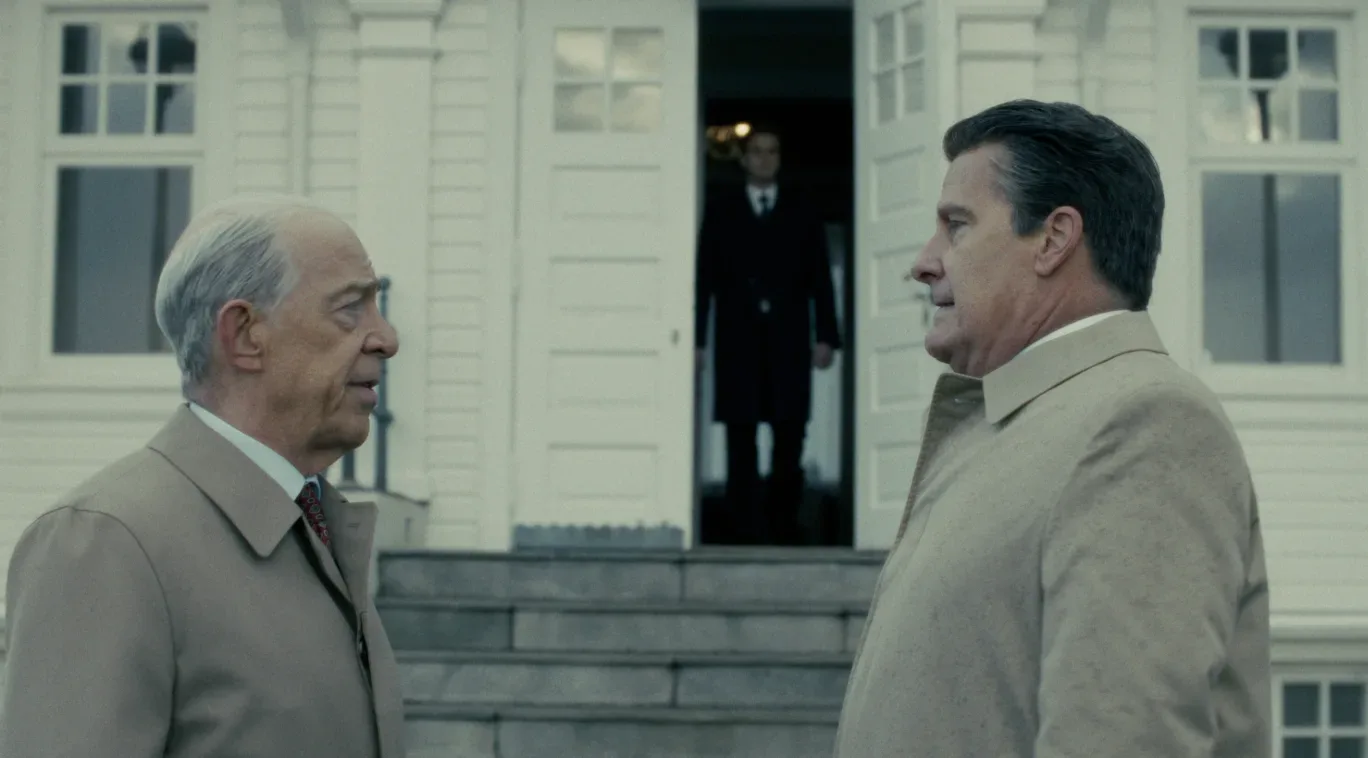
The Brink of War turns one of the Cold War’s strangest diplomatic episodes into a tense two-man contest. Jeff Daniels plays U.S. President Ronald Reagan opposite Jared Harris as Soviet leader Mikhail Gorbachev, with most of the drama built around their October 1986 meeting in Reykjavik, Iceland. What makes the story remarkable is that the summit did not collapse because the two leaders refused to reduce nuclear weapons. They came surprisingly close to agreeing on enormous reductions, but the negotiations broke down over Reagan’s Strategic Defense Initiative, or SDI. Gorbachev wanted strict limits on testing the missile-defense program outside laboratories, while Reagan refused to accept a restriction he believed would effectively cripple SDI.
That disagreement prevented a formal agreement in Reykjavik, but history has been kinder to the meeting than its immediate outcome suggested. The talks established areas of agreement that later helped produce the 1987 Intermediate-Range Nuclear Forces Treaty and pushed U.S.-Soviet arms negotiations into territory that had previously seemed impossible.
How Close Did Reagan and Gorbachev Get to a Nuclear Deal?
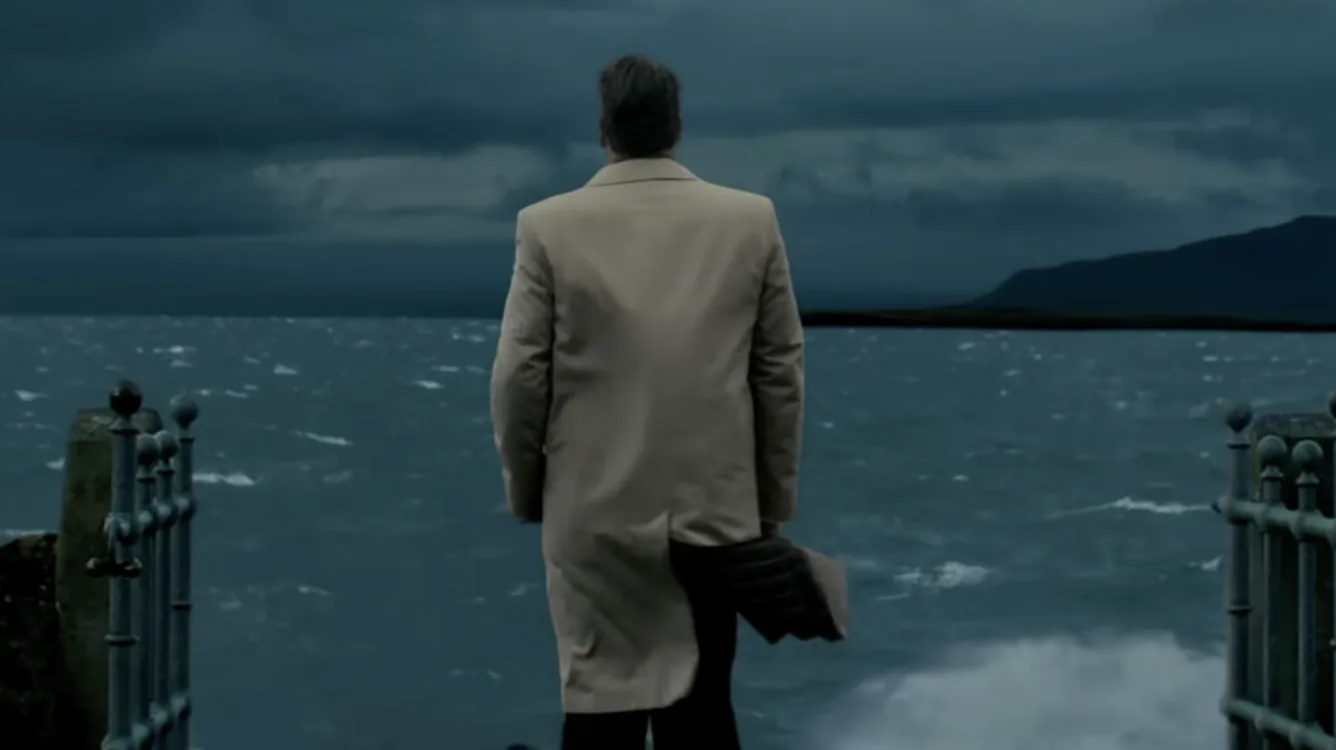
Much closer than either government had expected when the meeting began. Reagan and Gorbachev met at Hofdi House on October 11 and 12, 1986, for what was initially conceived as a preparatory meeting rather than a grand summit. Instead, their discussions expanded into proposals involving major reductions in strategic nuclear weapons, intermediate-range missiles and eventually the possibility of eliminating offensive ballistic missiles.
Contemporary U.S. records show that the two sides found significant common ground. One American proposal called for a 50 percent reduction in strategic offensive arsenals during an initial five-year period, followed by further reductions aimed at eliminating offensive ballistic missiles by the end of a second five-year period. The negotiations also moved forward on intermediate-range nuclear forces and verification, areas that would become central to later agreements.
That is why The Brink of War can build genuine suspense around men sitting across a table rather than around battlefield action. The historical question is not whether Reagan and Gorbachev wanted some form of arms reduction. By the final sessions, both were considering changes that would have been extraordinary by Cold War standards. The argument was over what the United States would be allowed to do with missile defense while those reductions took place.
What Was SDI, and Why Did Gorbachev Fear It?
SDI was Reagan’s proposed missile-defense program, and Gorbachev feared it could destroy the strategic balance between the superpowers. Announced in 1983 and popularly nicknamed “Star Wars,” the Strategic Defense Initiative explored technologies that might eventually intercept incoming ballistic missiles before they reached American targets. To Reagan, that offered a future in which the United States would rely less on threatening nuclear retaliation and more on defending itself from attack.
The Soviet concern was very different. If both sides dramatically reduced or eliminated offensive missiles while the United States developed an advanced defense system, Moscow feared Washington could eventually gain a decisive advantage. Gorbachev argued that extensive SDI development outside the laboratory could create new weapons in space and undermine the logic behind mutual reductions.
This was not a minor technical disagreement tucked into the end of the summit. It was the question on which the entire package eventually depended. Gorbachev was prepared to accept enormous offensive reductions only if Reagan agreed to a much narrower interpretation of what missile-defense research could continue during the following decade.
What Exactly Did Gorbachev Want Reagan to Accept?
Gorbachev wanted SDI research and testing restricted to laboratories for ten years while offensive nuclear weapons were being reduced. The official memorandum of the final Reykjavik session records him repeatedly insisting on the word “laboratory.” His position was that the United States could continue researching missile defense, but it should not move into broader testing that could lead toward an operational space-based system.
Reagan was willing to remain within what his administration considered the limits of the Anti-Ballistic Missile Treaty, but he would not accept Gorbachev’s stricter laboratory-only interpretation. For Reagan, agreeing to that wording would have meant giving up the future flexibility of SDI and breaking a commitment he had made publicly to continue the program.
The historical transcript makes the final exchange unusually stark. Gorbachev indicated that if the United States accepted the laboratory restriction, an agreement could be signed almost immediately. Reagan refused. Neither man believed he could surrender the principle at stake, and the summit ended without the comprehensive nuclear deal that had suddenly seemed within reach.
Why Would Reagan Risk Losing Such a Huge Agreement?
Reagan believed abandoning or severely limiting SDI could leave the United States vulnerable if the Soviet Union later failed to honor the nuclear reductions. In his address to Americans immediately after Reykjavik, Reagan described missile defense as an “insurance policy” against Soviet cheating and argued that accepting Gorbachev’s demand would undermine American security.
There was also a deeper philosophical issue. Reagan increasingly believed that a defensive system was preferable to preserving peace solely through mutually assured destruction, where both countries remained secure because each could annihilate the other. Gorbachev viewed the same technology as potentially destabilizing because one side might reduce offensive weapons while secretly building an advantage in defense.
That difference is central to The Brink of War. Michael Russell Gunn’s film is built around two leaders who genuinely want to avoid nuclear catastrophe but define security differently. Angel Studios’ official synopsis describes Reagan as trying to salvage a nuclear deal while pressure mounts around the negotiations, and Gunn has said the film is about leaders finding the courage to sit across from an enemy and choose a different future.
Was the Reykjavik Summit Really a Failure?
Not in the long run. Reagan left Iceland without the sweeping agreement he wanted, and the final images associated with the summit were initially treated as a diplomatic disappointment. Yet many historians now regard Reykjavik as a major breakthrough because it showed how far the United States and Soviet Union were prepared to go and narrowed disagreements that negotiators could continue working on afterward.
The most concrete result came the following year. Reagan and Gorbachev signed the Intermediate-Range Nuclear Forces Treaty in Washington in December 1987, eliminating an entire class of U.S. and Soviet ground-launched missiles. Arms-control historians also credit Reykjavik with helping establish the foundation for later strategic-arms reductions, including the START process that eventually produced the 1991 treaty.
That makes the ending of the historical story more complicated than “the negotiations failed.” Reagan and Gorbachev did not sign the enormous agreement they discussed in Iceland, but they discovered that each side was willing to contemplate reductions that had previously seemed unrealistic. The argument over SDI stopped them from crossing the finish line in 1986, yet the ground they covered helped change the negotiations that followed.
The Brink of War therefore works best when viewed not as the story of a failed summit, but as the story of how close failure can sit to progress. Reagan and Gorbachev walked away without the deal that nearly emerged inside Hofdi House. A year later, they were signing an arms treaty together.