The Beach House Murders’ Stalker Confession Is a Lie: Who Really Attacked Sarah?
For most of The Beach House Murders, Sarah Brewer has one terrible certainty hanging over her life: her ex-husband Miles attacked her, nearly killed her and went to prison for it. Then an obsessive stalker appears at her beach house and casually blows that certainty apart by claiming he was responsible for the assault. Sarah…
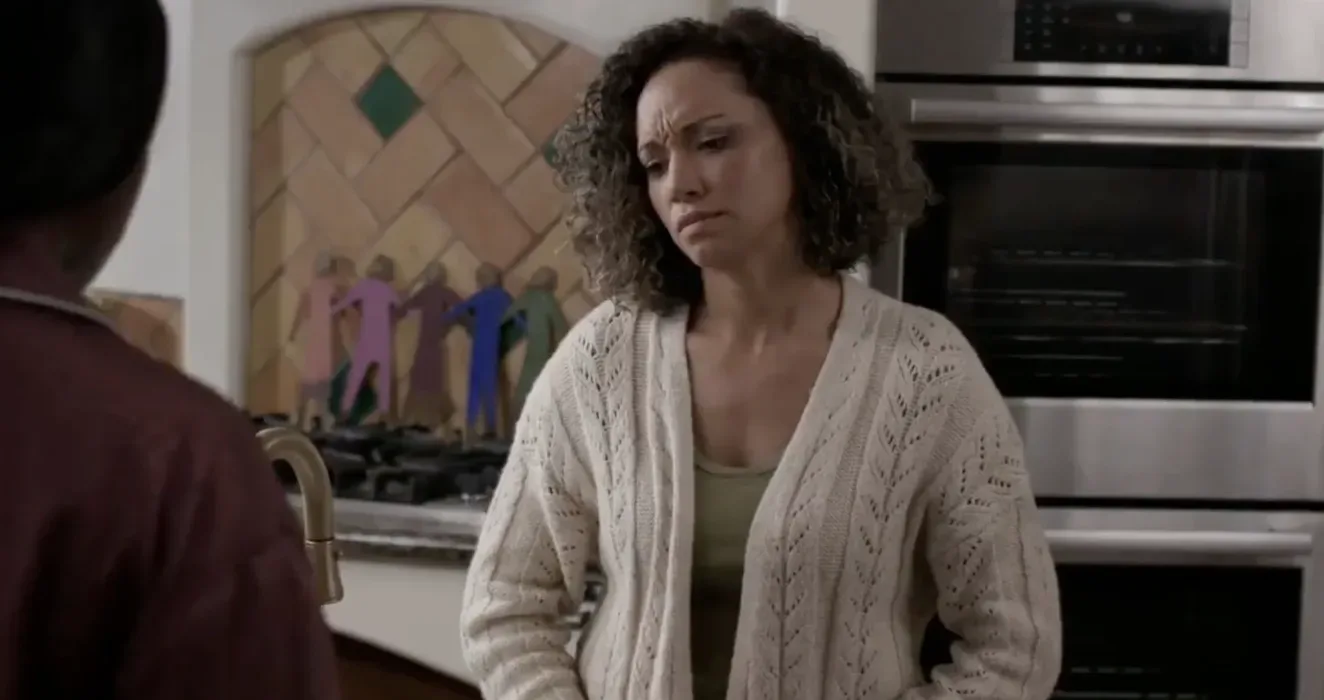
For most of The Beach House Murders, Sarah Brewer has one terrible certainty hanging over her life: her ex-husband Miles attacked her, nearly killed her and went to prison for it. Then an obsessive stalker appears at her beach house and casually blows that certainty apart by claiming he was responsible for the assault. Sarah believes him, and for a brief stretch, so does the story. The final act exposes the confession as part of a much uglier setup. Miles was the person who attacked Sarah a year earlier. Jack’s confession was false because Miles had hired him to stalk Sarah, claim responsibility for the original assault and manufacture the evidence needed to clear Miles’ name. The supposed exoneration is really the first stage of Miles’ revenge.
Directed by Doug Campbell from a screenplay by Campbell and Josh Ridgway, the Lifetime thriller stars Brittney Dorey as Sarah, Devante Winfrey as Miles, CJ Hammond as Tony and Ashli Auguillard as Alice. The official synopsis deliberately begins with Sarah’s earlier attack and Miles’ imprisonment, making that unresolved night the foundation beneath everything that happens at the beach house.
Why Was Miles Convicted for Sarah’s Attack?
Miles was convicted because police found him at the scene immediately after Sarah was brutally assaulted, with circumstances that made him appear responsible. Sarah had been struck from behind and did not actually see her attacker, but Miles was discovered in the house with blood on his hands and in a state of shock. Their marriage had already become volatile, and flashbacks establish that Miles had been drinking, behaving possessively and accusing Sarah of having an affair. With Sarah unable to identify anyone else and the physical circumstances pointing toward her husband, he was eventually convicted and imprisoned.
That uncertainty is important because Sarah never possesses the one thing that could have made the case emotionally definitive for her: a memory of Miles striking her. She accepts what the evidence says, divorces him and obtains a restraining order, but the blank space surrounding the actual attack never disappears. When Miles returns insisting he was wrongly convicted, he is exploiting a doubt that already exists rather than planting an entirely new one. Jack’s later confession works because it appears to fill in the missing piece Sarah has been unable to recover for herself.
Why Does Jack Claim He Attacked Sarah?
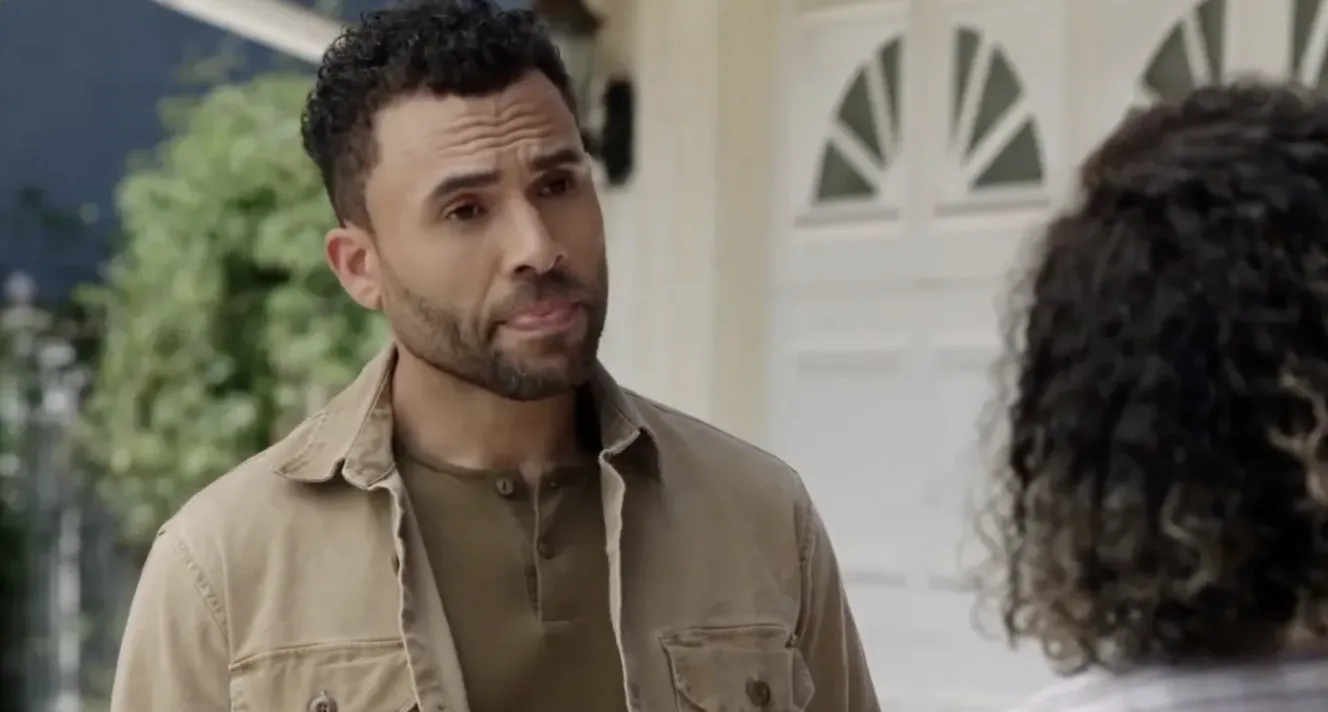
Jack confesses because Miles hired him to become a believable alternative suspect and take responsibility for the crime. By the time he makes that claim, Jack has already invaded Sarah’s bedroom, stalked her around the beach house, stolen her computer and manuscript, demanded $100,000 and demonstrated enough instability that his story sounds plausible. He later phones Sarah and claims that he was the person who attacked her the previous year. The confession does exactly what Miles needs: it turns Sarah’s most terrifying new problem into apparent proof that her ex-husband was innocent all along.
Jack’s behavior is deliberately excessive because he needs Sarah to believe she has finally found the monster responsible for everything. The official production credits identify Kyle Williams as Jack, while the film’s detailed ending accounts likewise name him as the man police later identify after his death. He is not simply a random superfan who happens to know about Sarah’s past. The ending reveals that his entire performance around her has been engineered for somebody else’s benefit.
Also Read: Tony Ending Explained
Why Does Miles Kill Jack?
Miles kills Jack because the man has completed his role and is more useful dead than alive. After Jack attacks Sarah again, Miles appears at just the right moment and strikes him fatally with a metal weapon, creating an image Sarah desperately wants to trust: the former husband she condemned has just saved her from the man who supposedly committed the original crime. Sarah then claims responsibility for Jack’s death as self-defense and publicly clears Miles’ name. Suddenly, Miles has achieved something his release from prison could never provide on its own, which is Sarah herself telling the world that he was wrongly blamed.
The apparent rescue is therefore one of the movie’s nastier manipulations. Miles does not merely fabricate evidence and wait for Sarah to discover it. He engineers a situation in which she feels personally indebted to him, then allows gratitude and guilt to do the rest. By killing Jack, he also removes the one person who could directly expose their arrangement. The crime that appears to vindicate Miles is actually another part of the same plan.
Did Miles Also Kill Tony?
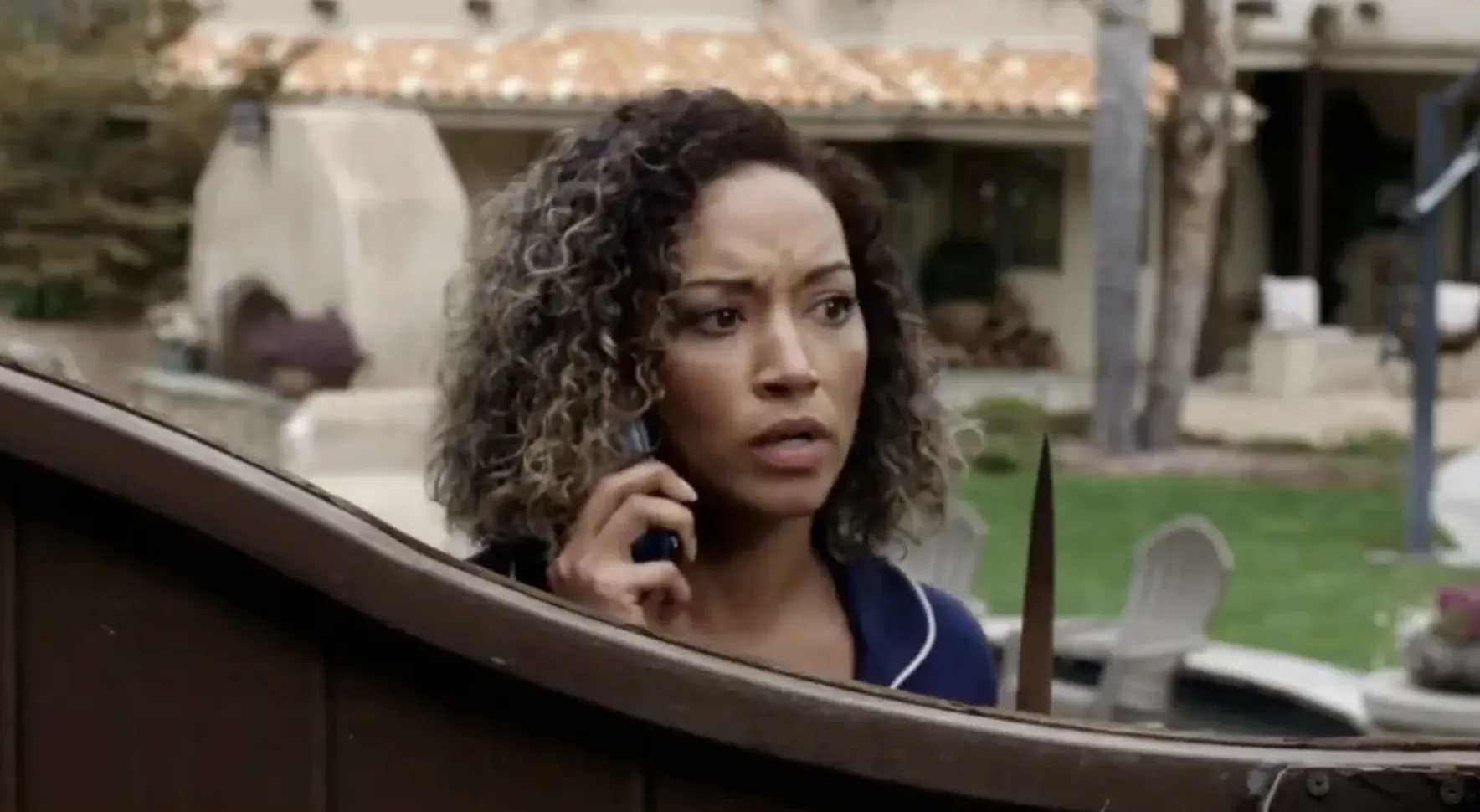
Yes, the ending indicates that Miles was responsible for Tony’s murder as well. Sarah meets Tony during her stay at the coast and slowly allows herself to trust him despite the paranoia produced by her assault and Jack’s stalking. Their relationship is cut short when Sarah wakes beside Tony’s stabbed body, immediately placing her at the center of another police investigation. Jack subsequently claims responsibility, but Miles later admits that Tony’s death was connected to his own revenge, with Tony becoming a target because his relationship with Sarah threatened Miles’ plan to regain control of her.
Tony’s murder is what makes Miles’ scheme more than an elaborate attempt to repair his reputation. If all he wanted was public exoneration, Jack’s confession could theoretically have accomplished that without another innocent person dying. Tony represents a future for Sarah that does not involve Miles, so removing him isolates her emotionally at exactly the moment Miles is presenting himself as protector rather than predator. The person Sarah comes to trust again is the same person systematically destroying every alternative source of safety around her.
Why Did Miles Really Attack Sarah That Night?
Miles attacked Sarah because jealousy and resentment had poisoned their marriage, particularly his belief that her professional success was tied to an affair. The film establishes that Miles had become suspicious of Sarah’s relationship with her publisher and resentful of her increasingly successful career. His original attack was therefore not a stranger’s random act of violence but an escalation of the anger and possessiveness already visible in their marriage. After serving time, that resentment does not disappear. It becomes more calculated.
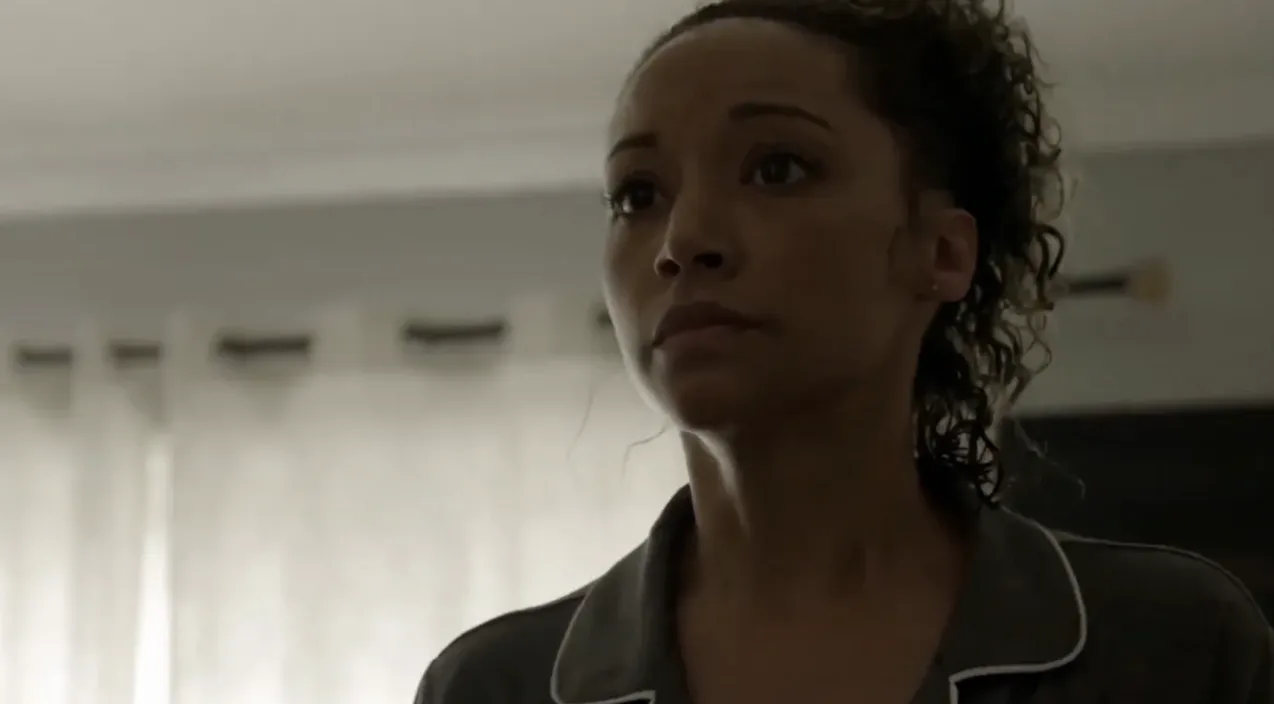
This also explains why simply clearing his name is never enough. Once Sarah publicly declares Jack the real attacker, Miles has already won back his reputation, yet he still pursues another private dinner with her. There he finally stops pretending, sedates Sarah and attempts to stage her death as an accidental drowning involving alcohol and drugs. The elaborate deception was never about reconciliation. Miles wanted Sarah to believe him before he killed her, turning her restored trust into one final act of control.
Does Sarah Kill Miles in the Ending?
Yes, Sarah ultimately kills Miles after Alice intervenes and prevents him from drowning her. Miles throws the drugged Sarah into the swimming pool, but Alice arrives unexpectedly, attacks him and pulls her friend from the water. When Miles recovers and goes after Alice, Sarah regains consciousness and fights back, stabbing him with broken glass before he ends up in the pool. This time there is no mistaken identity, coerced confession or missing memory separating Sarah from what happened. She survives knowing exactly who tried to kill her.
The final beach sequence deliberately gives that certainty a bittersweet cost. Sarah imagines Tony returning before the film reveals that the reunion is only a dream, confirming that his death cannot be undone simply because Miles has finally been exposed. She does, however, decide that her next book will be a love story rather than another murder mystery. It is a small but meaningful rejection of Miles’ attempt to define her life through violence: Sarah cannot rewrite the night he attacked her, but she can finally stop living inside the false version of that night he constructed for her.