Ted Lasso Season 4 Episode 7 Ending Explained: Why Does Ted Delete Bantr?
Ted Lasso Season 4 Episode 7 ends with Ted deleting his completed Bantr profile and returning to the theatre to ask the unnamed stage manager on a date. She turns him down because she is already seeing someone, leaving Ted single and still unaware of her name. The rejection, however, is not really a setback.…
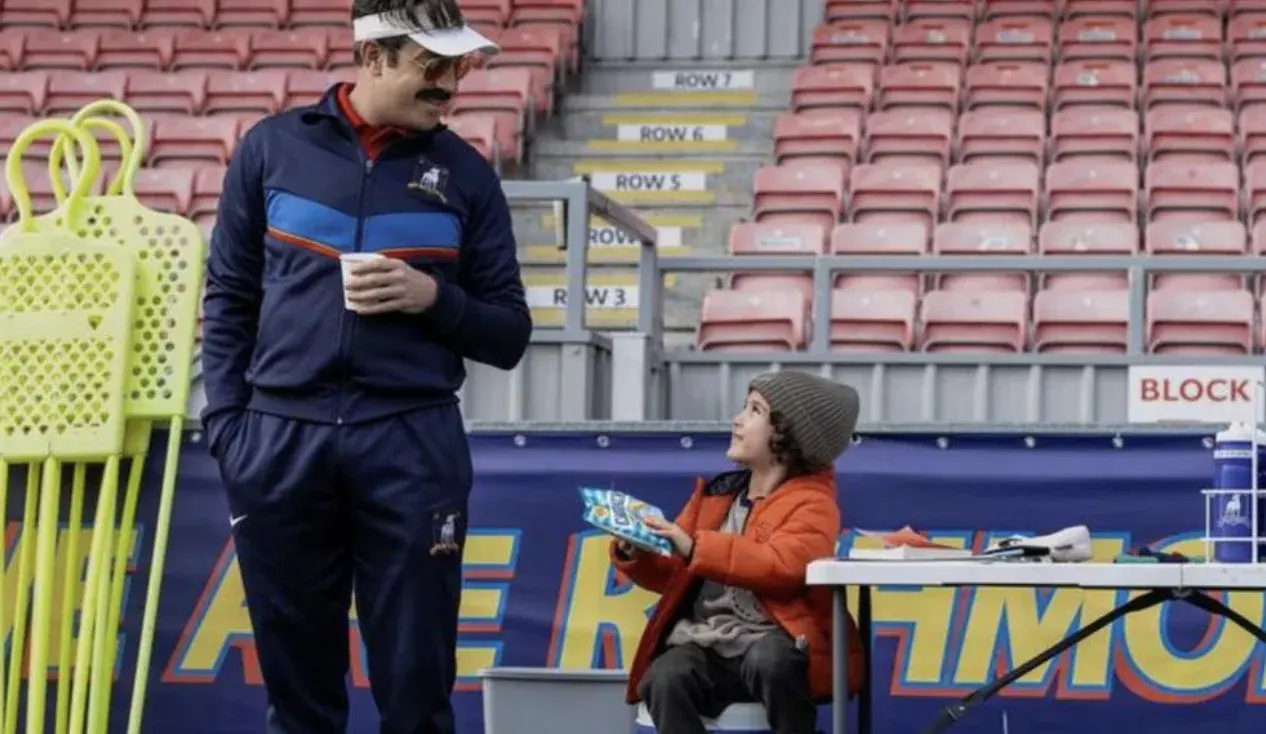
Ted Lasso Season 4 Episode 7 ends with Ted deleting his completed Bantr profile and returning to the theatre to ask the unnamed stage manager on a date. She turns him down because she is already seeing someone, leaving Ted single and still unaware of her name. The rejection, however, is not really a setback. Ted spends the episode trying to describe himself and eventually reaches the words “I am lovable.” Going to the theatre instead of hiding behind a dating app is his first attempt to act on that belief. He does not get the date, but he finally makes himself emotionally available enough to ask.
Why Does Ted Write “I Am Lovable”?
Ted struggles with Bantr’s request for three descriptive words because the question asks him to turn his usual generosity inward. Throughout Ted Lasso, he has rarely had trouble recognizing what makes other people valuable. Describing his own value is considerably harder.
That becomes obvious when he offers “hopeful, resilient, and kind.” They sound like perfectly reasonable descriptions of Ted, but he is actually talking about Keeley. Even while completing a profile designed entirely around himself, his instinct is to identify somebody else’s strengths.
“I am lovable” therefore represents more than a clever answer to Bantr. Ted has spent much of Season 4 dealing with loneliness, divorce and uncertainty about what his life should look like outside coaching. Accepting that somebody could want him requires Ted to stop viewing himself only as the person who takes care of everyone else.
Why Does Ted Delete His Bantr Profile?
Ted deletes Bantr because finishing the profile gives him enough confidence to pursue somebody he already wants to know. The app is useful because it forces him through questions he has been avoiding, but once he completes that process, he realizes he does not actually need it to take his next step.
The decision also connects directly with the episode’s “yes, and” idea. Ted does not merely acknowledge that he is ready to date. He adds an action to that realization.
Instead of waiting for an anonymous match, he goes back to the woman whose brief conversation with him has stayed in his mind since Episode 5. That choice makes the ending less about dating technology and more about Ted becoming willing to risk rejection again.

Does Ted Get a Date With the Stage Manager?
No. The stage manager tells Ted that she is already seeing someone, so his invitation does not lead to a date. She also reveals that she met her current partner through dating apps, adding an amusing sting after Ted has just deleted Bantr.
The scene does not portray Ted’s attempt as a mistake. She tells him that she would have gone out with him if she were available, making clear that the attraction Ted sensed during their first conversation was not entirely in his imagination.
Timing is the problem rather than Ted himself. That distinction matters immediately after he has finally accepted the idea that he is lovable. A harsher rejection could have undermined his breakthrough, while this one allows him to discover that taking a romantic chance can end unsuccessfully without becoming a personal failure.
Why Does Ted Whistle in the Theatre?
Ted whistles because he remembers that the stage manager told him during their first meeting that whistling backstage is considered bad luck. He still does not know her name and apparently has no straightforward way of finding her, so he deliberately breaks the theatre superstition because he knows she will come out to stop him.
The callback turns a small detail from Episode 5 into the mechanism for their second meeting. More importantly, it shows that Ted had been paying attention during their original conversation.
Even after asking her out and being rejected, Ted manages to repeat one mistake. She walks away before he asks her name. Season 4 keeps their connection technically unfinished, although Episode 7 closes the immediate possibility of a romance because she is currently with someone else.
Why Does Erin Break Up With Roy?
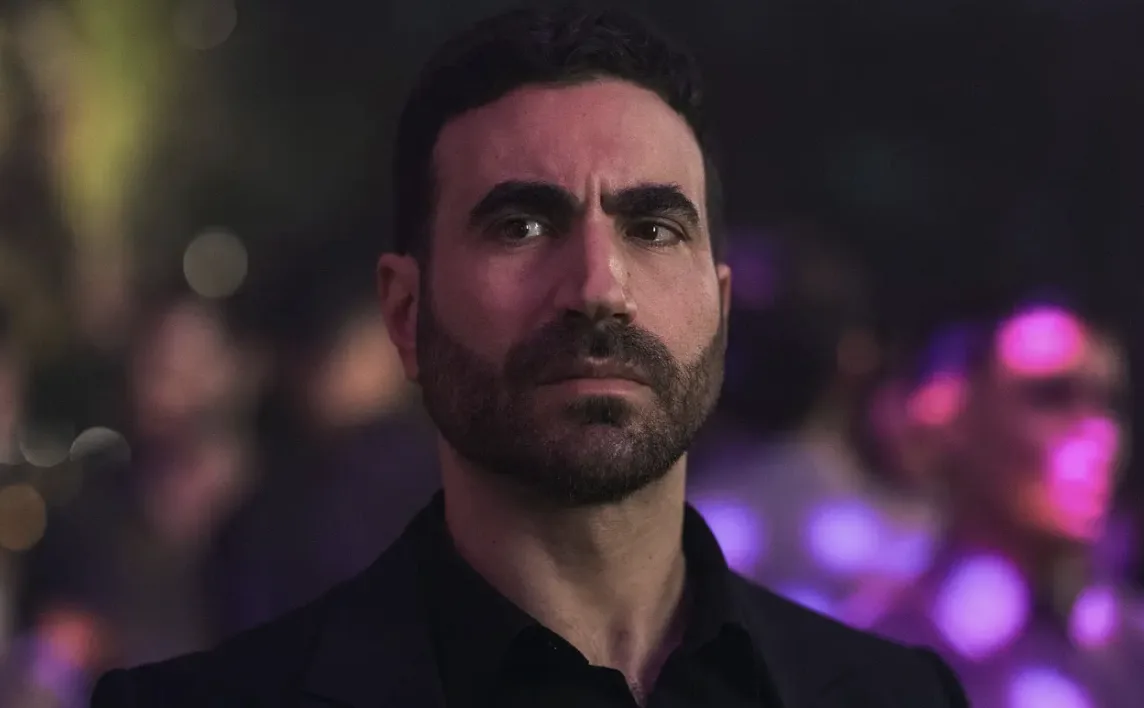
Erin ends things with Roy because she realizes that he remains in love with Keeley. Episode 6 already gave Erin unusually clear evidence when a heavily medicated Roy mistook her for Keeley and confessed his love. Episode 7 removes any possibility that those words were meaningless drugged ramblings.
While Erin examines him, Roy cannot stop discussing Keeley and their disagreement over Chelsea’s Wall of Legends. Erin eventually tells him directly what he is refusing to admit.
Roy explains that he never intended to hurt Erin. Keeley’s ten-date challenge was supposed to help him determine whether his feelings for Keeley were genuine, and he unexpectedly formed a real connection with Erin along the way. That explanation does not make him available, however, and Erin refuses to continue a relationship with somebody whose strongest romantic feelings belong elsewhere.
The breakup therefore brings Roy and Keeley’s unresolved relationship back to the center of his story. It does not automatically reunite them, but Roy can no longer use another relationship to avoid confronting what he still feels.
What Does “Believe and Win” Mean?
Alice’s modification of the Believe sign reflects the same lesson Ted learns in his personal life. The original slogan asks people to have faith, but Richmond’s women point out that belief by itself cannot fix the financial, professional and family problems waiting for them outside training.
Alice does not reject Ted’s philosophy. She applies his own “yes, and” lesson to it. Believe becomes “Believe and Win,” turning optimism into something that requires action.
Ted does something similar at the end. Saying “I am lovable” is his version of believing. Walking into the theatre and asking somebody out is the “and.”
That is why his rejection does not undo the ending. Ted’s progress is not measured by whether the stage manager says yes. It is measured by the fact that he finally asks.