Sumala: Why does Soedjiman hesitate to kill Kumala, and what are the consequences of his actions?
Why Soedjiman cannot kill Kumala in Sumala (2024), the shaman's two-option warning, who dies, and why Kumala's body is permanently lost to the spirit.
Spoiler warning: This article covers the complete ending of Sumala (2024), including character deaths and the permanent fate of the central characters.
Soedjiman (Darius Sinathrya) hesitates because guilt, not indecision alone, stops him.
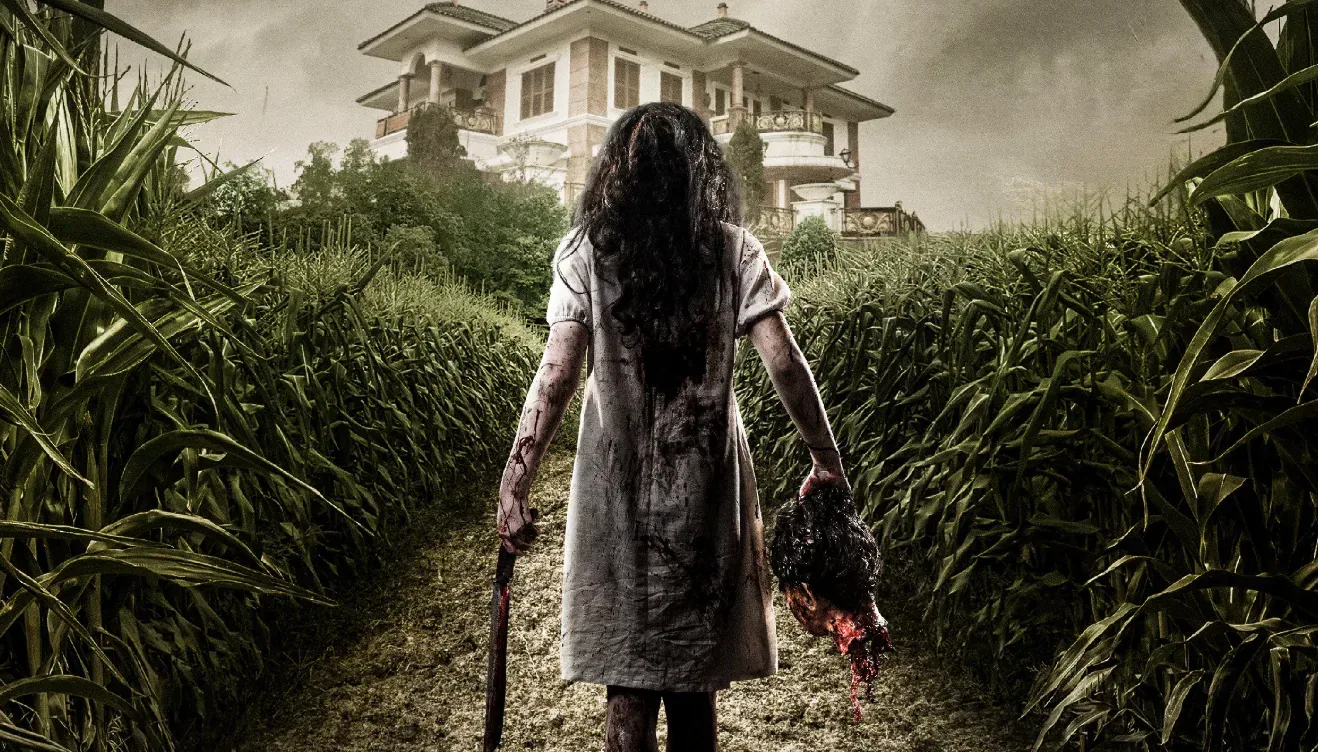
He brings Kumala (Makayla Rose Hilli) to a cornfield after receiving explicit instructions from the shaman Mr. Kusno (Budi Gunawan): deliver her for a ritual before her tenth birthday, or stab her through the heart with a blessed blade. He cannot do either.
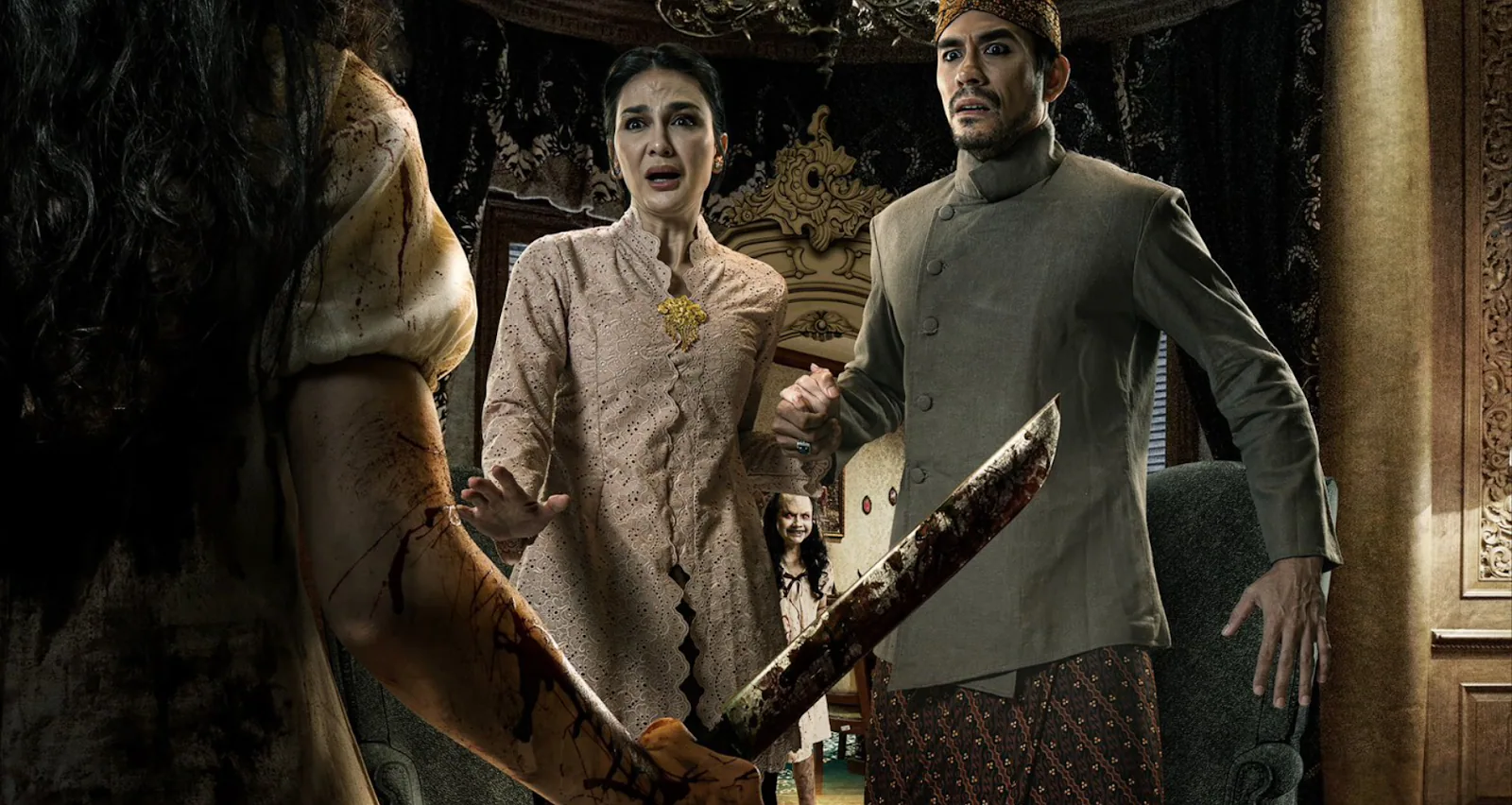
When Sumala’s spirit appears and confronts him, she delivers the revelation that finishes him: Soedjiman himself was born with a disability, and he spent his daughter’s life shaming her for a condition he once shared. That confrontation, from the spirit of the child he killed at birth, is what ends him. The consequences extend outward to everyone connected to him: Sulastri (Luna Maya) dies, Mr. Kusno is killed before he can help, and Kumala’s body is permanently lost to the possessing spirit.
What the Shaman Told Soedjiman
Mr. Kusno gives Soedjiman two exits: bring Kumala to him for a ritual expulsion of the spirit before her tenth birthday, or stab her through the heart with a blessed blade. There is no third option.
The deadline exists because of the pact Sulastri made with the devil through a shaman years earlier. She agreed to raise both twins until age ten, at which point the devil would claim the deformed child. Soedjiman broke the pact at birth when he killed the infant Sumala with a ceremonial kris, before she ever reached ten.
Sumala’s spirit is not simply a ghost returning to haunt. The film frames her as the devil’s delayed collection, and possession of Kumala’s body is how the original agreement gets fulfilled. Mr. Kusno understands this, which is why he frames the options with a hard deadline: there is no negotiating with what is happening, only the narrowest window in which to stop it.
Why Soedjiman Cannot Act in the Cornfield
Soedjiman does not fail because he loves his daughter with uncomplicated tenderness. He knocks Kumala unconscious in the field and covers her head with a sack: not the action of a man prepared to use a blade. Sumala’s spirit appears before he resolves what to do next, and the confrontation is personal and specific.
That confrontation, delivered by the spirit of the newborn he stabbed with a kris, is what removes whatever remained of his capacity to act. His hesitation in the cornfield is not a father’s love winning out over reason. It is a man who cannot complete the necessary action because completing it would require standing fully in front of what he made himself into.
The Deaths That Follow His Failure
The consequences of Soedjiman’s failure move through the household quickly. Sukir (Denino Basrial), Soedjiman’s right-hand man, is killed by the possessed Kumala. Sulastri is fatally stabbed during the possession rampage, having sought forgiveness from Kumala first, admitting she had failed as a mother. Mr. Kusno is found dead in his room before he can perform any protective ritual, the film leaving open who killed him. With Mr. Kusno gone, neither option from his warning remains available.
Soedjiman is killed in the cornfield after Sumala’s confrontation. His body is disemboweled and displayed on a pole. Our reading is that the film closes the loop in that image: the posture of restraint he imposed on Kumala turned against him.
The only character closely connected to Kumala who survives is Mbok Sum (Ivonne Dahler), her aunt and the one person who treated the girl with consistent care. Mbok Sum returns for the funerals. By that point, the spirit has vanished into the fields.
What Happens to Kumala
Kumala’s own spirit does not survive. Once the tenth birthday passes with the shaman dead and no ritual performed, Sumala’s possession becomes permanent. The film does not end with the entity defeated or contained. The closing section of the film places the spirit in the cornfields for years afterward, killing children who venture out after dark and sustaining the legend into subsequent generations. The villain named in the film’s title roams free because the only people positioned to stop her either could not act or were killed before they could.
The Urban Legend the Film Adapts
The film is set in a Semarang Regency village in 1948 and presented as an adaptation of a regional folk story. The narrative was circulated on X by the account @BangBetz_, credited in the production under “Betz Illustration” alongside screenwriter Riheam Junianti. Director Rizal Mantovani produced the film with Rocky Soraya, Luna Maya as executive producer, and production companies Hitmaker Studios, Legacy Pictures, Masih Belajar Project, and Role Entertainment.
The “based on true events” framing was publicly contested. The village head of Jlumpang, Semarang, told a local reviewer the story was fiction. The legend functions as a cautionary folk narrative from Central Java, not a documented historical case. The 1948 setting and the Semarang location are the film’s choices, grounded in regional folklore and the social world of that period rather than verified records.
—
The detail that changes the reading of the whole film is not that Soedjiman hesitates but why. The confrontation in the cornfield, as described across multiple accounts of the ending, is not about a father choosing between two bad options. Sumala tells him what he actually is: a man who recognized his daughter’s condition as his own and chose contempt over recognition. His hesitation is not the consequence of love. It is the consequence of being unable to look at the thing he created and pretend it has nothing to do with him.