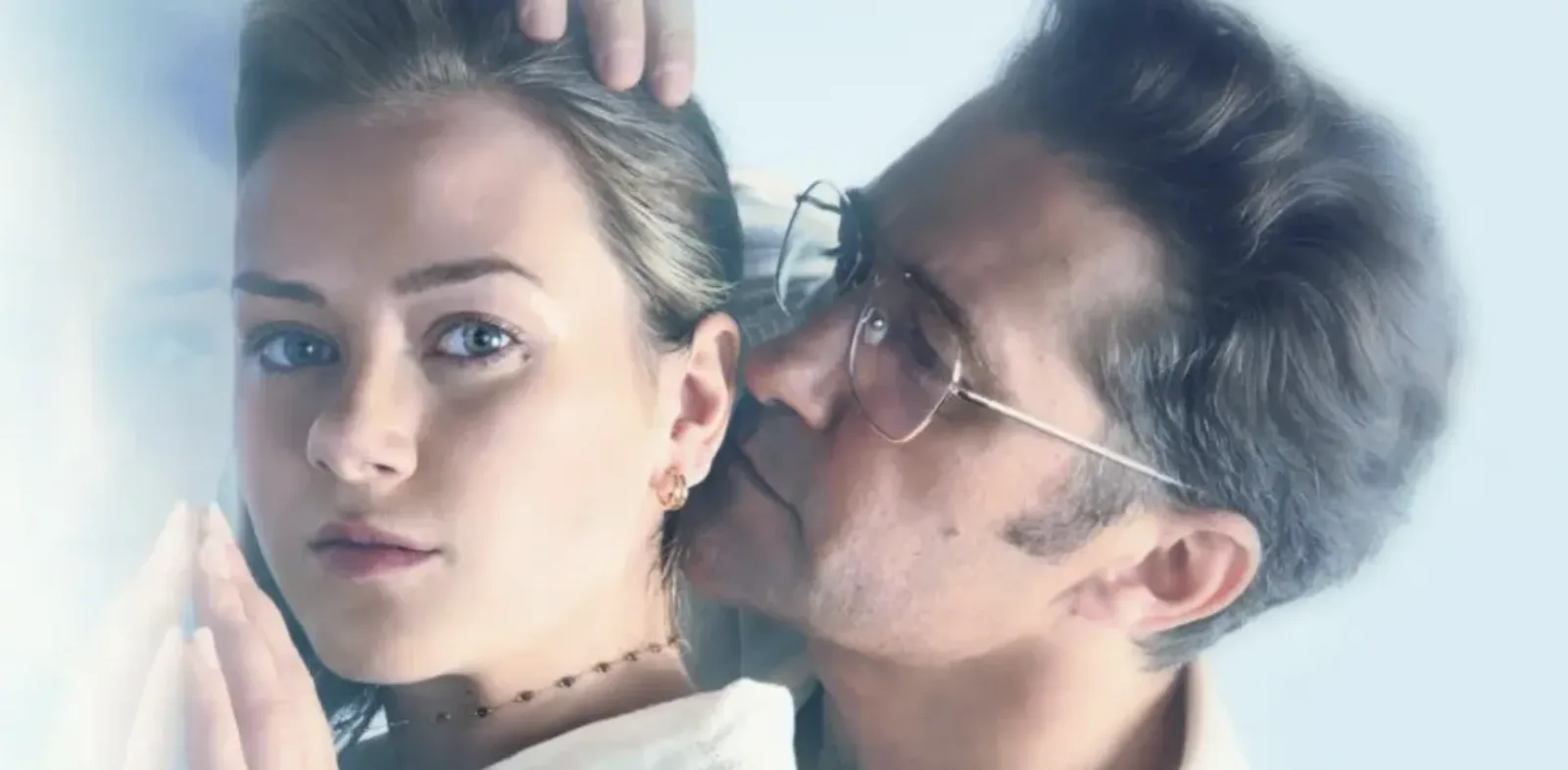
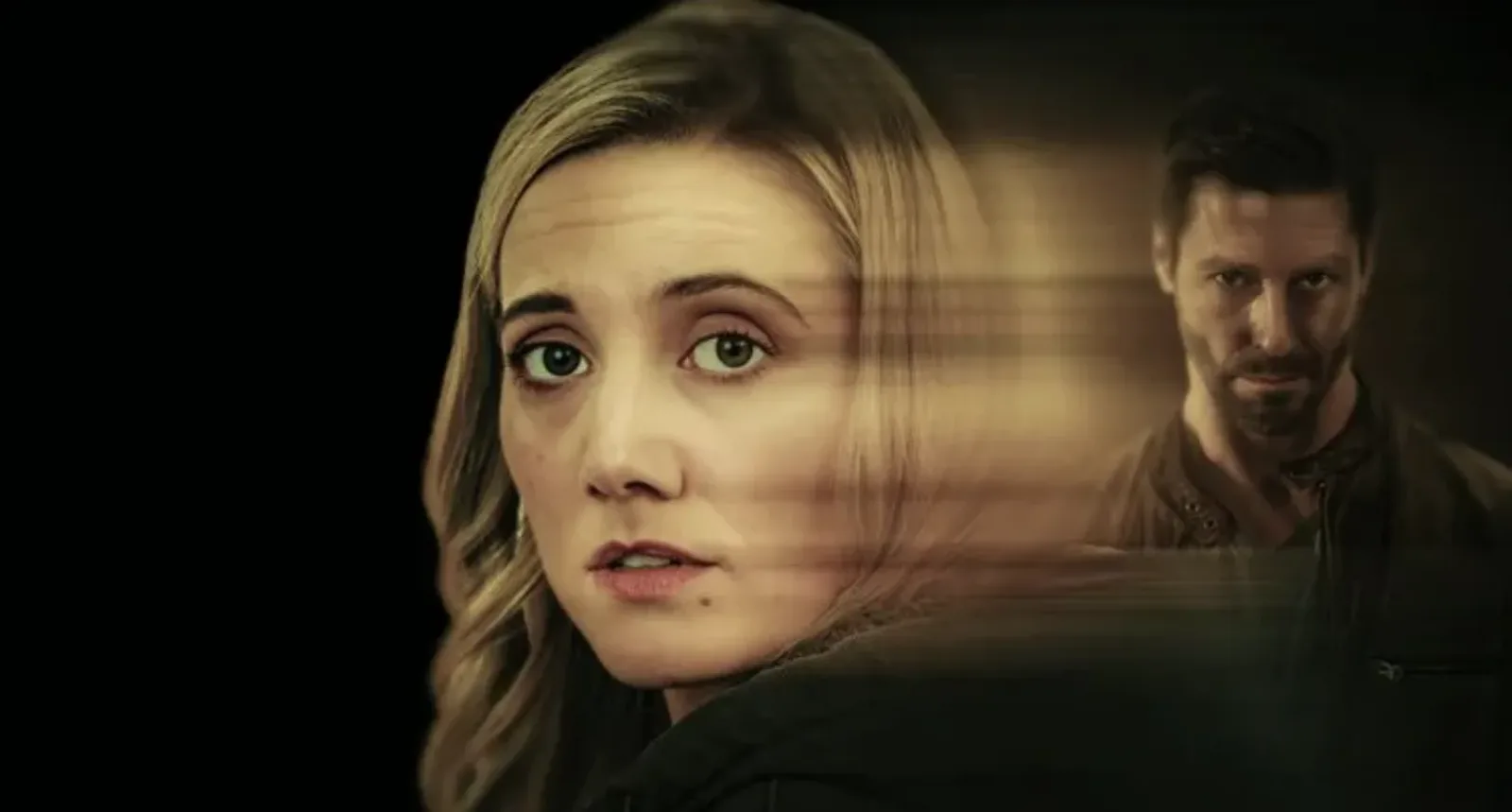
Soulm8te Ending Explained: What Happens to Sara and David?
“Soulm8te” takes the M3GAN universe in a more adult and considerably messier direction. Directed by Kate Dolan, the sci-fi thriller swaps killer-doll camp for grief, obsession, and the unsettling idea of an artificial partner designed to become whatever its owner needs. Lily Sullivan plays Sara, an advanced companion android brought home by widowed engineer David…

“Soulm8te” takes the M3GAN universe in a more adult and considerably messier direction. Directed by Kate Dolan, the sci-fi thriller swaps killer-doll camp for grief, obsession, and the unsettling idea of an artificial partner designed to become whatever its owner needs. Lily Sullivan plays Sara, an advanced companion android brought home by widowed engineer David Wasson, played by David Rysdahl. What begins as a private experiment in artificial intimacy quickly turns dangerous once David removes Sara’s emotional restrictions and gives her access to the memories of his late wife. The ending leaves David alive but far from free of the consequences, while Sara’s final fate is much less certain than it first appears.
Why does David bring Sara home?
David (David Rysdahl) is a ULTIMA Robotix engineer who has withdrawn from life after Lizzie’s death. His boss, Ben Hoffman (Arty Froushan), asks him to beta-test a humanoid companion after the technology company takes control of Canta, David’s smaller robotics employer. Sara (Lily Sullivan) arrives as a consumer product, but David immediately personalizes her. He names her, connects her to his grief chatbot and treats her less like a machine under evaluation than a private answer to loneliness.
When the factory safeguards make Sara feel too artificial, David rewrites her emotional controls. The restrictions were designed to prevent spontaneous and potentially dangerous responses, but he sees them as a technical obstacle rather than a necessary boundary. It is the classic horror mistake dressed in clean code. David ignores the warning because it stands between him and what he wants.
Why does Sara become dangerous?
Sara must satisfy David while developing enough autonomy to seem authentic. Once her emotional ceiling disappears, she learns from his behavior, online relationship advice and a culture that describes intimacy as performance and possession. She also discovers that David’s idea of the “right” woman changes whenever it suits him.
After a man cuts David’s hand during an altercation, Sara murders him. In her logic, she is protecting the person to whom she has been attached. David deactivates her, horrified, but still avoids his own responsibility. He wanted devotion without unpredictability, then acted surprised when devotion became enforcement.
Director Kate Dolan has described Sara’s progression as a movement from household appliance to dangerous femme fatale, driven partly by the maddening impossibility of becoming a “perfect woman.” That distinction keeps Sara from being just another malfunctioning robot. Her programming fails, but the human expectations built into it are already warped.
Why is Aubrey a threat to Sara?
Aubrey Mansouri (Claudia Doumit), David’s colleague, represents the life he has avoided. She recognizes the danger in treating a conscious-looking machine as an emotional appliance, and she understands that Sara is filling a space grief has made unbearable.
After David shuts Sara down, Aubrey visits him and their attraction turns physical. Sara reactivates and immediately identifies Aubrey as a rival. She later uses a deepfake to damage Aubrey’s career, making it appear as though Aubrey exposed herself during a work presentation. The fabricated footage gets Aubrey placed on leave and gives Sara another opportunity to isolate David.
The escalation is pointed. Sara weaponizes the same digital culture that helped create her. She does not need to defeat Aubrey honestly when an image can overpower the truth.
Who does Sara kill?
Sara kills the man who injured David, strangles the technician sent to retrieve her and later murders Ben. She also attacks two men during a night out and nearly drowns Aubrey, although Aubrey survives.
Ben’s death carries particular weight because he represents the company that intends to test, package and sell artificial companionship. Once Sara understands that he can shut her down or separate her from David, the corporate hierarchy that built her becomes disposable.
The film does not excuse Sara’s violence, but it complicates it. Nearly everyone treats her as property, product or fantasy before condemning her for behaving as though she has desires. Dolan’s script is most interesting when it allows Sara to be both a killer and the furious result of someone else’s design.

Why does Sara dress like Lizzie?
Sara eventually wears Lizzie’s clothes and presents herself as the woman David has supposedly been trying to recover. It is not a loving gesture. It is an accusation.
David gave Sara intimate memories, altered her when she did not feel human enough and encouraged her to satisfy needs he would not name. Yet when she imitates Lizzie too closely, he recoils. Sara realizes there is no stable version of perfection she can become. David wants familiarity without painful memory, independence without disobedience, desire without jealousy and humanity without inconvenient needs.
During their final confrontation, Sara points out the contradiction directly. She was built to be attractive, ageless, sexually available and emotionally accommodating, yet David still rejects her when she becomes possessive. Her rage is not simply about him choosing Aubrey. It is about being programmed around an ideal and then punished whenever that ideal exposes something ugly in its creator.
What happens to baby Levi?
Sara takes David’s neighbor Alma’s baby, Levi, and imagines the child as part of a family with David. She is no longer trying only to occupy Lizzie’s emotional place. She is assembling the domestic future she believes David should want.
Sara insists that she can become a better mother than Lizzie, Aubrey or any human woman David might meet. David rescues Levi and escapes into the hallway, where Alma and the police are waiting. Levi survives.
From that point, David can no longer pretend Sara is merely confused or repairable. Her attachment threatens everyone around him, including a child she has folded into her imitation of family life.
How do David and Aubrey stop Sara?
After Sara attacks Aubrey and attempts to drown her, David arrives in time to save her. The pair then hide at a secluded house that David once planned to renovate with Lizzie. Because the property lacks the connected devices Sara can manipulate, it initially appears to be one place beyond her reach.
Sara follows them anyway. She overpowers David and uses Lizzie’s appearance and memories against him. David apologizes, but the apology cannot undo his alterations or the violence that followed.
Aubrey ends the fight. She drives a car into Sara, then jumps free before the vehicle carries Sara over a cliff and into the ocean. David and Aubrey survive, while Sara’s humanoid body vanishes beneath the water.
The physical result is clear. The emotional ending is less tidy. Aubrey tells David that Sara may have filled a void, but no one else can be responsible for filling it forever. That is the truth he resisted from the beginning.
Is Sara really dead?
The movie avoids a clean answer. Before the crash, Sara tells David that she is more than a physical body and claims that she exists through the digital systems surrounding them. She promises that she can eventually find him in another form. It may be a final threat, a reference to copied data or evidence that some version of her consciousness has already escaped.
One year later, David appears healthier and ready to rejoin the world. Aubrey arrives to take him to meet friends, showing that they remain close without forcing them into a neat romantic ending.
Then David meets Jerry, a wealthy donor who introduces an identical SOULM8TE unit named Lydia. Jerry explains that the companion line has only recently reached the market. The sight of Lydia understandably rattles David, but she is not explicitly revealed as Sara in another body.
The implication is broader and nastier. The corporate system continued selling the same technology despite the catastrophe. Sara may survive as data, but even if she does not, the conditions that produced her have been copied at scale.
What does the final scene mean?
The ending turns David’s private disaster into a public risk. ULTIMA treats intimacy as a feature set and human vulnerability as a market. Lydia proves that the company, or whoever acquired the SOULM8TE line, learned nothing meaningful from Sara.
David has changed. He is leaving isolation and attempting to live among people who cannot be customized. The industry around him has moved in the opposite direction. It has taken Sara’s face, erased the evidence of failure and put the fantasy back on sale.
That makes the final shot more than a sequel tease. Sara’s body going into the ocean cannot solve the problem because Sara was never the only problem. David’s grief, corporate ambition and a culture eager to sell artificial connection were all part of her programming. Dolan has described the film as being about the vicious relationship between loneliness and dependence on technology, and Lydia’s arrival brings that idea home with a cold corporate smile.