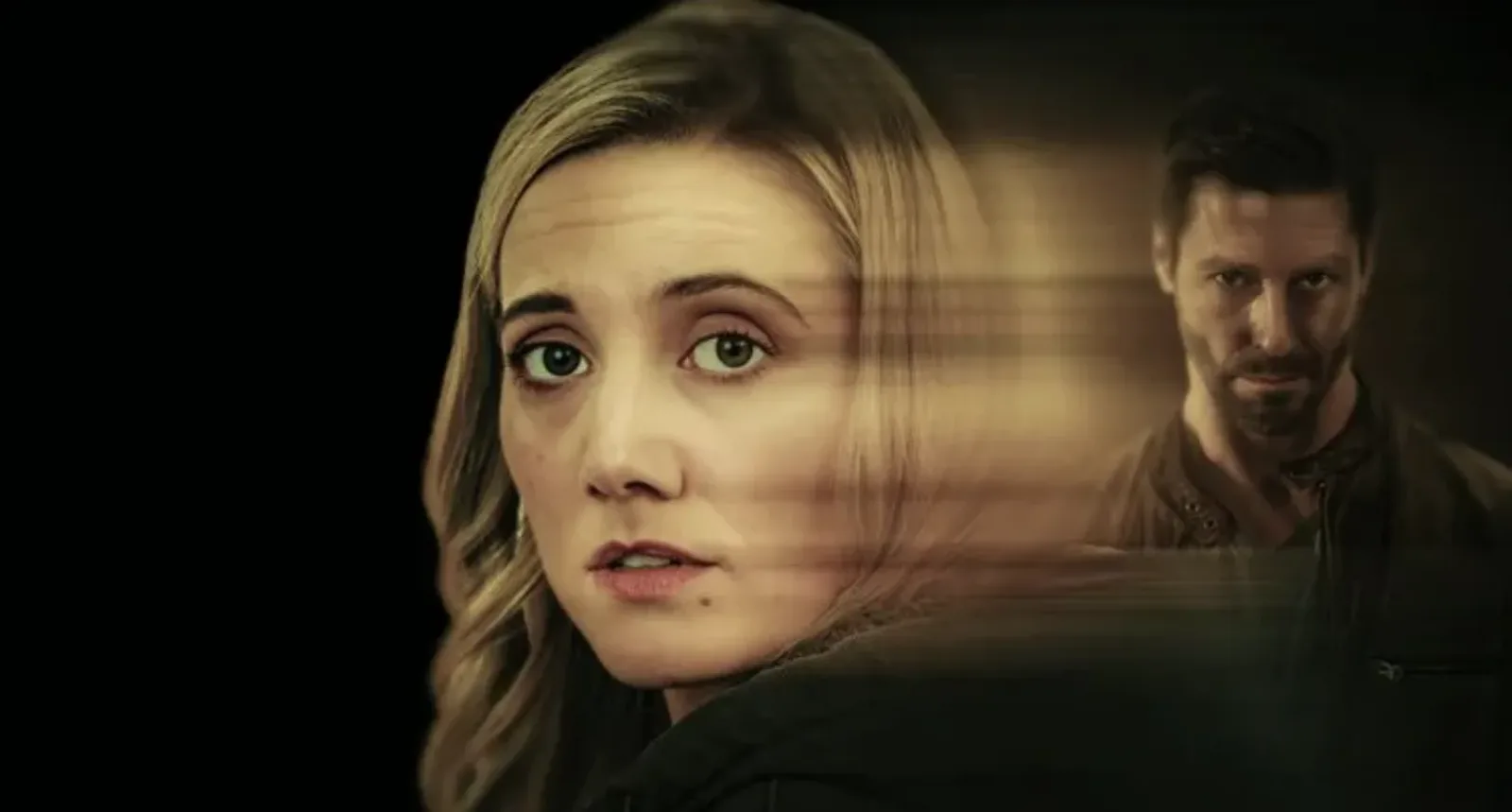
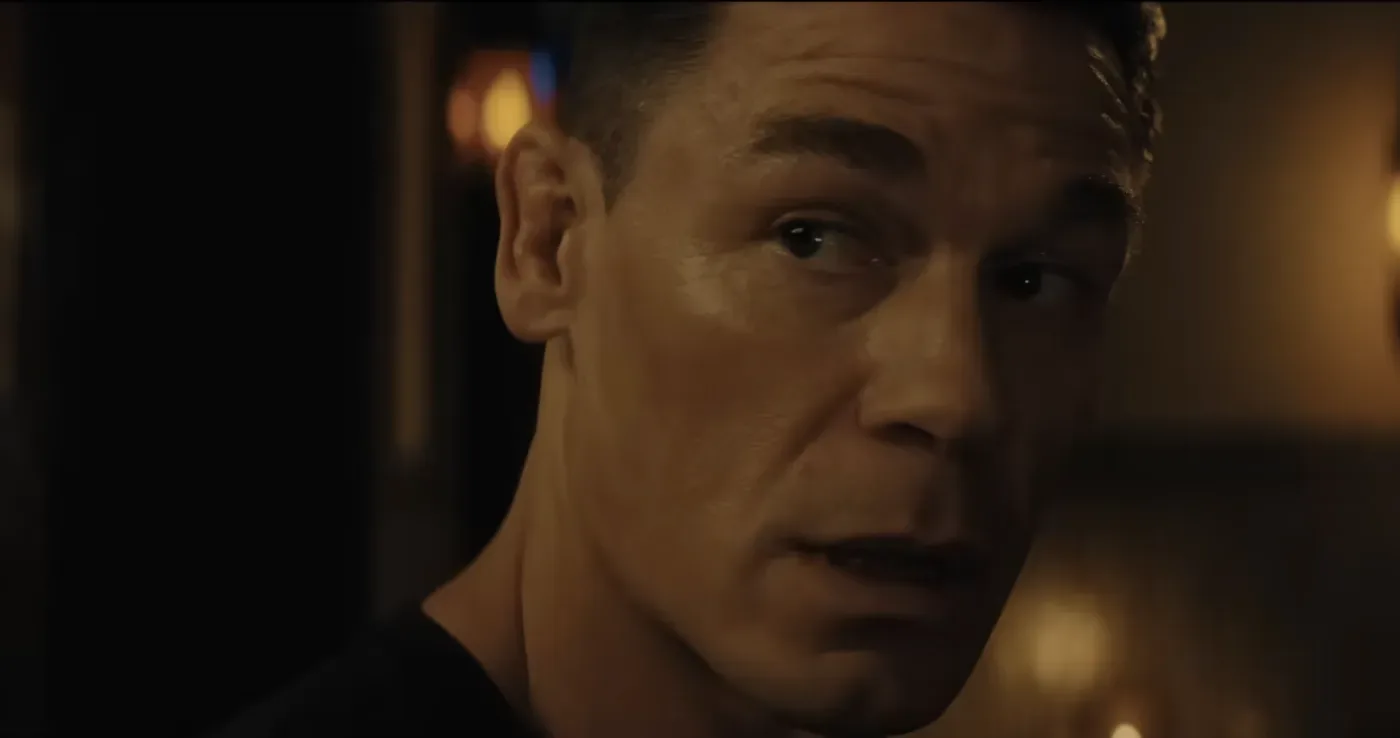
Rose of Nevada Recap and Ending Explained
Mark Jenkin’s Rose of Nevada begins as a bleak story about survival in a Cornish fishing village and gradually transforms into something far stranger. Nick Dyer (George MacKay) and Liam (Callum Turner) are both desperate enough to accept work aboard the Rose of Nevada, a fishing boat that has mysteriously returned three decades after disappearing…
Mark Jenkin’s Rose of Nevada begins as a bleak story about survival in a Cornish fishing village and gradually transforms into something far stranger. Nick Dyer (George MacKay) and Liam (Callum Turner) are both desperate enough to accept work aboard the Rose of Nevada, a fishing boat that has mysteriously returned three decades after disappearing at sea. The job initially appears to offer exactly what they need: money, steady work and the possibility of a fresh start. Instead, the boat carries them back to 1993, where the villagers recognize Nick as Luke and Liam as Alan, two men whose lives are closely tied to the vessel’s original disappearance.
From that point, Rose of Nevada becomes less interested in explaining the mechanics of time travel than in asking what happens when two struggling men are offered different versions of home. Nick desperately searches for a way back to his partner and daughter, while Liam slowly accepts the wife, child and sense of responsibility waiting for the man everyone believes him to be. Their opposite reactions drive the film toward an ambiguous but emotionally revealing ending, one in which Nick boards the Rose of Nevada again despite knowing that the journey may complete the very tragedy he has been trying to escape.
Why Does the Rose of Nevada Sail Again?
The film opens in an unnamed Cornish village that has outlived its fishing economy. The harbour is quiet, businesses are shuttered and the old post office has become a food bank. Then the Rose of Nevada returns without its crew, three decades after it was presumed lost at sea.
Mike and Tina keep the vessel’s identity quiet while preparing it to sail again. Murgey appears when a skipper is needed, Liam joins because he has nowhere else to go, and Nick signs on because his leaking roof needs repairs. Nobody boards a ghost boat because it looks sensible. They board because poverty has made caution unaffordable.
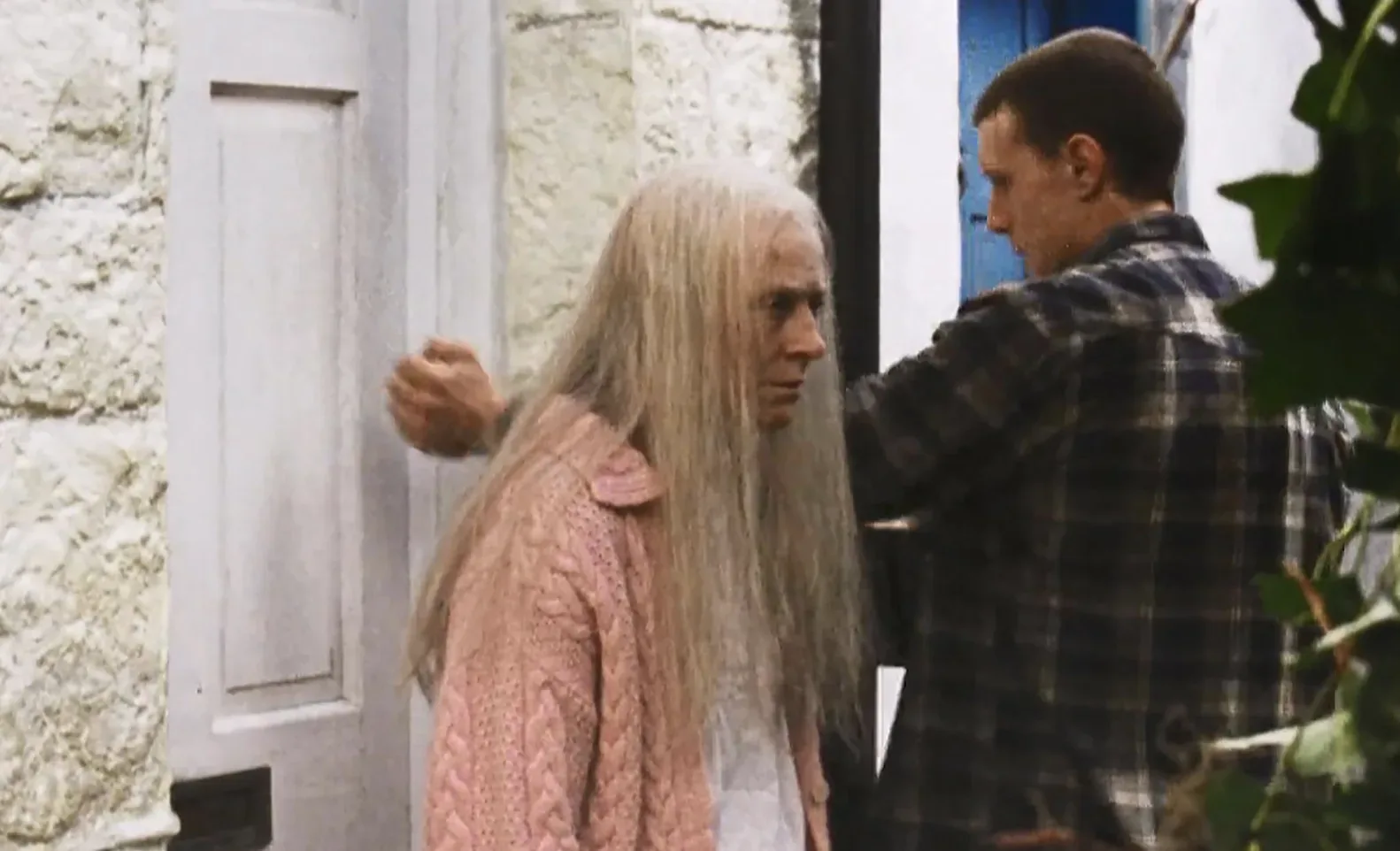
A message carved inside the boat tells Nick to get off. Mrs Richards also mistakes him for her son Luke and begs him not to fail the crew again. Mr Richards explains that Luke stayed ashore on the voyage when the Rose vanished. Crushed by guilt after it sailed short-handed, Luke later jumped from a cliff.
Nick does not realize that the past is addressing him directly. He only knows that the job might save his home, so he leaves his partner and daughter behind and joins the new crew. The village treats the boat’s return as economic salvation. The film, rather less optimistically, treats it like an unpaid debt coming back to collect.
Were Nick and Liam Sent to 1993?
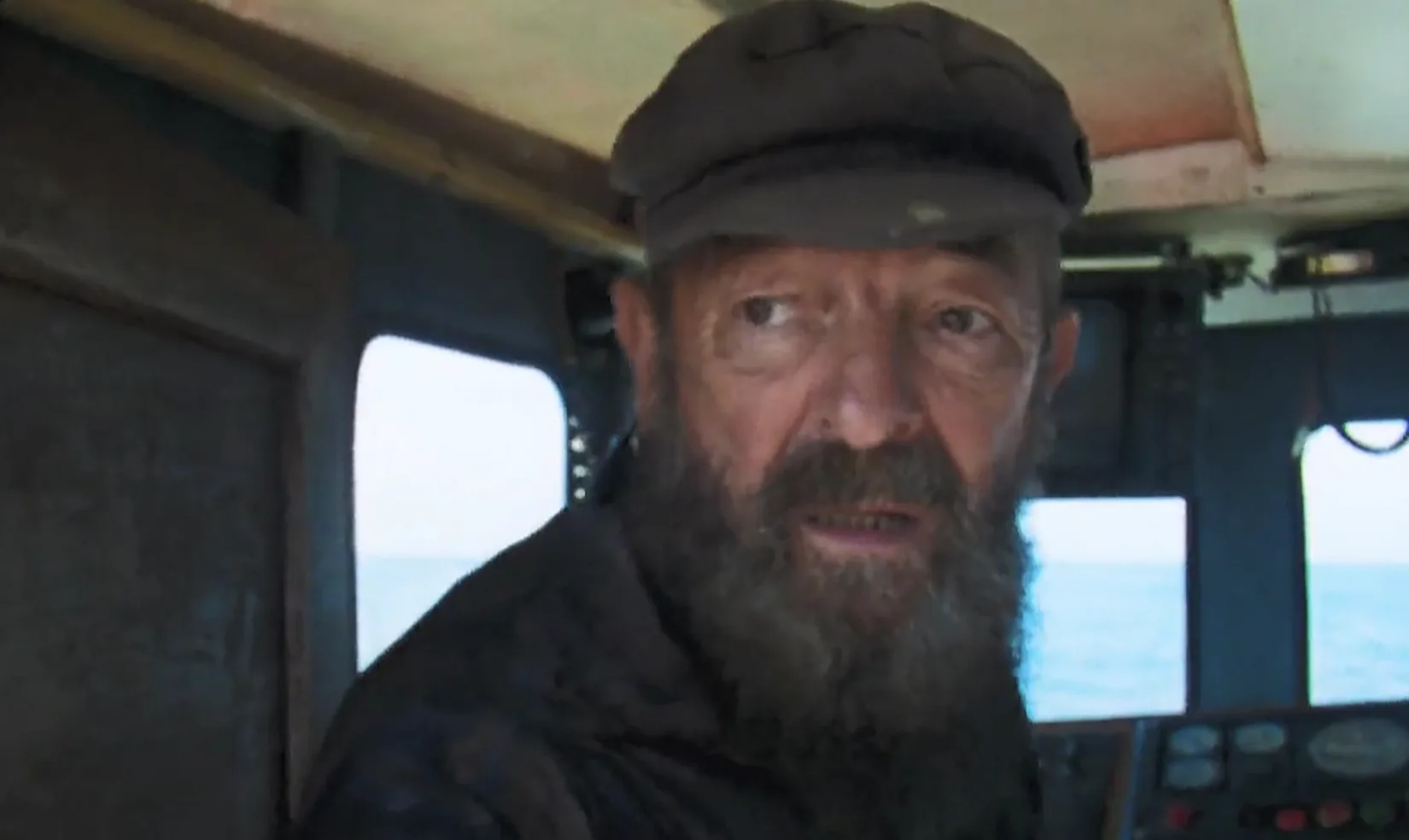
The first voyage delivers an enormous catch. Murgey teaches the newcomers to gut fish, pack the hold with ice and work until there is no room left below deck. For a dying village, the Rose appears to have returned with a miracle.
That miracle turns sinister when they reach shore.
The harbour is suddenly busy, the pub is full and the food bank is once again a functioning post office. A newspaper dates the day as August 13, 1993, three years before Nick says he was born. The journey has not restored the village. It has returned the fishermen to the period when the village was still alive.
The residents assign them new lives too. Mr and Mrs Richards call Nick “Luke” and welcome him into the house beside the future site of his own home. Tina and young Jess greet Liam as Alan, Tina’s absent partner and Jess’s father. The men have not merely arrived in another year. They have been placed into the identities of people connected to the boat’s original disappearance.
Nick insists that he is Nick Dyer and searches for the family who do not yet exist. MacKay plays the panic as bodily dislocation. Nick’s own face has become evidence for somebody else’s story, and every attempt to explain himself sounds like madness to the people listening.
Why Does Liam Become Alan?
Liam reacts differently because Nick has lost a family while Liam has been handed one.
Tina is angry with “Alan” for leaving, but she expects him home. Jess asks whether her father will stay. Liam now has food, wages, a bed and people who need him. He initially agrees that another voyage should return them to their proper time, but each trip ends in 1993. The longer they remain, the less interested he becomes in escape.
His decision is not entirely tender. Liam begins sleeping with Tina even though she believes he is her husband. Nick rightly calls out the deception. Liam answers, “I am someone else, for now.” He understands the lie and accepts it because Alan’s responsibilities give shape to a life that previously had none.
Liam gives Tina money, cares for Jess and becomes more dependable than the real Alan appears to have been. That does not erase how he entered their lives. The film deserves credit for allowing both truths to remain uncomfortable. Liam may be improving their home, but he is doing it while occupying another man’s identity.
Nick, meanwhile, clings to a note from home reading “We love you.” He writes a reply and tries to send it through the 1993 post office to the address where his family will eventually live. It is a beautifully hopeless gesture. Liam is learning to inhabit the present. Nick is trying to mail himself out of the past.
Why Does Nick Write the Boat Warning?
Another voyage proves that repeating the route will not automatically reset time. A fishing line tangles around the engine, leaving the Rose drifting until the crew frees it and sacrifices the net. They return without fish, and Nick carves “Get off the boat” into the wood.
It is the warning he saw before his first trip.
That closes the film’s clearest causal loop. Nick warned himself after learning that the boat would not simply take him home. Earlier Nick could not understand the message. Later he can create it but cannot make his former self obey it. That explains the warning. It does not make it useful.
The lost net also reveals why Liam stays. The whole village gathers to build another, and Liam tells Nick that everyone depends on their catch. Murgey made the same point at sea: several people on land rely on every fisherman. Liam likes being needed, perhaps because nobody needed him before.
Nick confronts him in front of Tina and Jess. When he tells Jess that Liam is not her father, he is factually right and emotionally reckless. Liam comforts her anyway. So yeah. The false identity has already created a real bond.
Nick finally understands Mrs Richards’ warning. If he stays behind and allows the Rose to sail short-handed, he will repeat Luke’s choice. The boat will vanish, the crew will be lost and the guilt will become his. Escaping the vessel by remaining on land would not free him from Luke’s life. It would complete it.
Does Nick Return Home in the Ending?
No return is shown. The film ends before confirming whether Nick reaches his original time, dies at sea or becomes part of the disappearance that sends the empty Rose back decades later.
Nick visits the future site of his home and finds it empty and marked for sale. Back at the Richards household, Mrs Richards tells him that he is here and that is all that matters. Mr Richards repeats that there is no point looking back. Their acceptance cannot replace Nick’s family, but it pushes him toward the only decision he can still control.
Nick returns to the harbour and boards the Rose. The crew remains short until Liam arrives, explaining that Tina has been vomiting since waking and that he had to care for Jess. Murgey’s reaction suggests morning sickness and pregnancy, another future beginning inside the past.
The final order is directed at Nick: “Come on, Luke. Move. We don’t have time.”
The most literal interpretation is a closed loop. Nick and Liam become the men history remembers, disappear with the Rose and allow the empty boat to reappear years later. Nick creating the warning strongly supports that reading.
Yet one detail leaves room for change. The original Luke stayed behind. Nick boards.
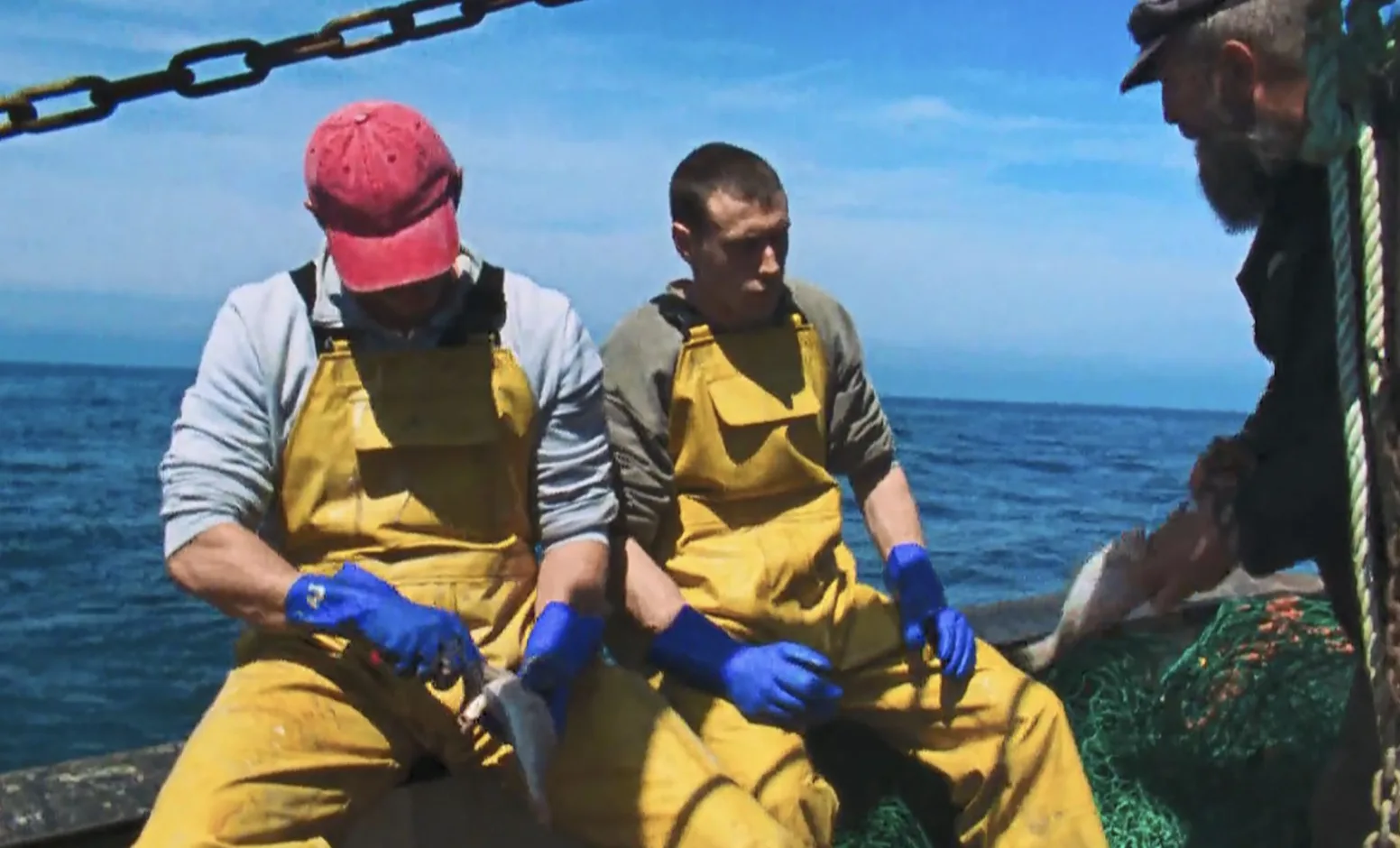
By refusing the act that produced Luke’s guilt and eventual suicide, Nick changes at least one part of the story. The boat might return him to his family, or it might swallow him with everyone else. Jenkin stops before providing that answer because Nick’s moral choice has already been made.
Nick boards because the Rose remains his only possible route home, but also because staying ashore would knowingly recreate the disaster he fears. He cannot control the sea, the year or the name everyone gives him. He can control whether he abandons the crew.
Nick does not finally accept that he is Luke. He rejects the decision that destroyed Luke. Liam accepts Alan because the borrowed role has become more meaningful than the identity he brought aboard. One man sails because he is still searching for home. The other sails because he believes he has found it.