Myth of Man Ending Explained: Did the Protagonist Discover the Truth?
Myth of Man (2025) ending explained: Jamin Winans built his fantasy film entirely without dialogue, making Ella's search for her creator visual and musical.
Spoiler warning: this article discusses plot details and the ending of Myth of Man (2025).
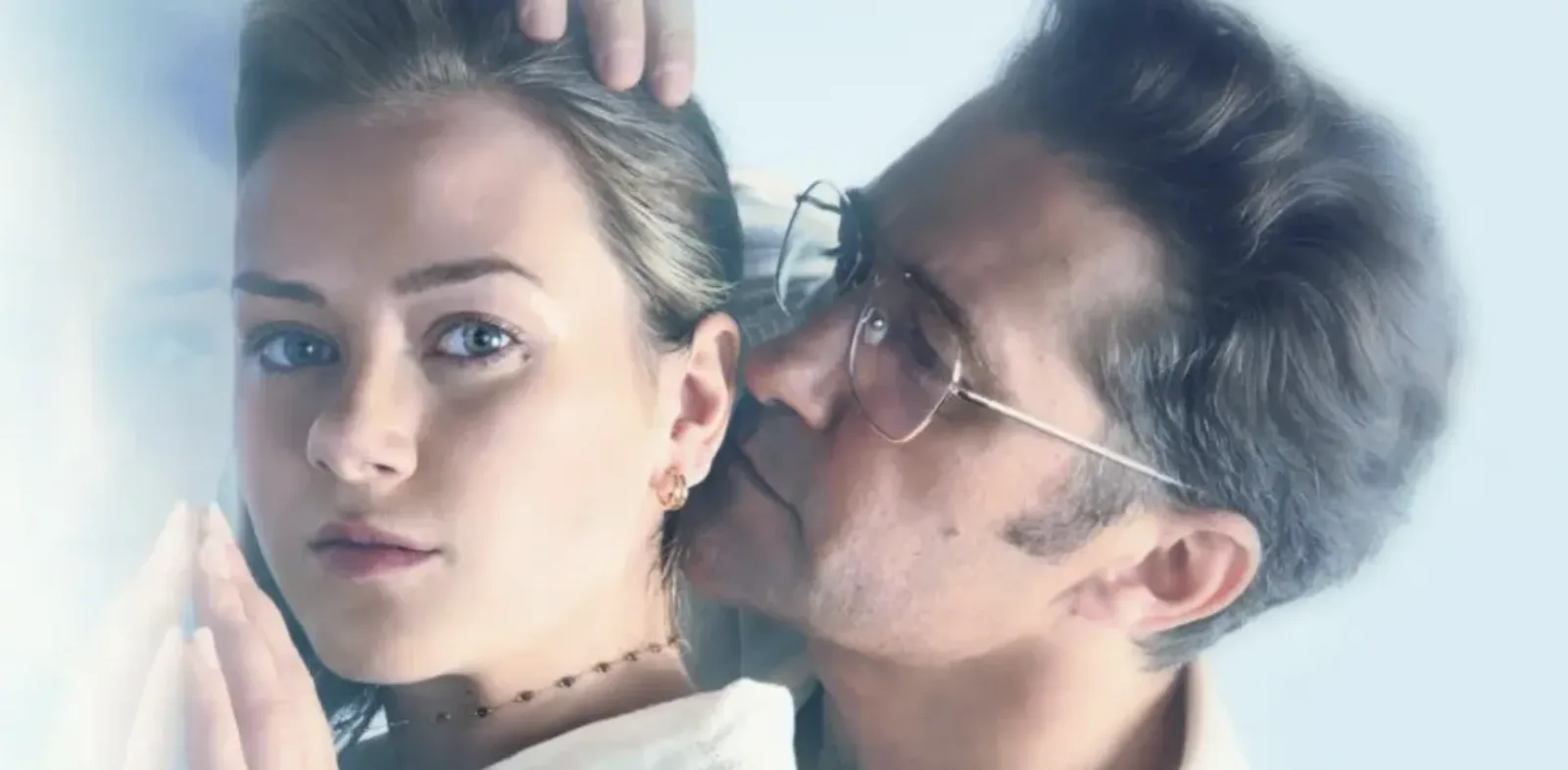
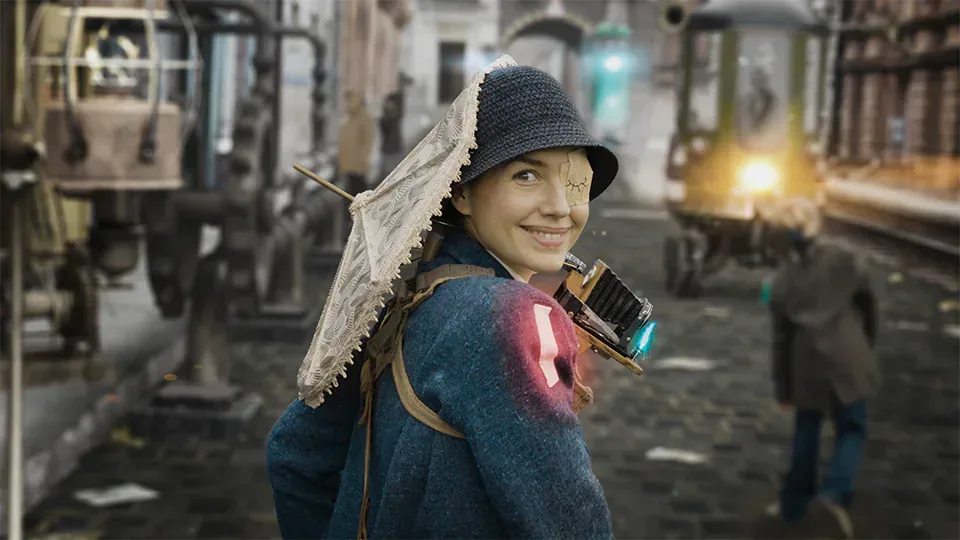
The short answer is that the film refuses to confirm anything verbally, because it has no dialogue. Ella (Laura Rauch) spends the film’s 120 minutes pursuing the source of what she believes is a message from her creator, traveling through a steampunk-designed landscape suspended between life and death. Jamin Winans, who wrote, directed, shot, edited, and scored Myth of Man, built the entire narrative, including the final sequence, from music and imagery alone. Whether she discovers the truth depends on how closely a viewer reads what those closing images say.
A Narrative Built From Music, Not Words
The structural fact most relevant to any ending discussion is that the film contains no dialogue at all. Winans described it on the Double Edge Films website: “This music-driven story unfolds without a single word of dialogue.” He composed the complete score himself, as he did for Ink (2009) and The Frame (2014). There is no narration and no explanatory text. Every piece of information the audience receives about Ella’s motivation and the nature of the landscape she crosses comes from the music and from what the camera shows.
This is not a stylistic detail: it defines what any ending explanation can honestly say. The ending cannot be quoted. It can only be described visually and interpreted.
Myth of Man opened in the United States on January 24, 2025. It runs 120 minutes and was filmed in the United States and Hungary. The official synopsis describes Ella embarking on “a whimsical odyssey between life and death as she searches for her creator.”
The Filmmakers and the Production
Jamin Winans and producer Kiowa K. Winans created Myth of Man almost entirely in-house, handling all 3,500 visual effects shots, props, costumes, and sound design themselves. Jamin Winans founded Double Edge Films in 1998 and grew up in Colorado. Myth of Man is their fifth feature, following 11:59 (2005), Ink (2009), The Frame (2014), and the documentary Childhood 2.0 (2020). It took nearly a decade to complete.
Some audience reviews compare the visual style to the work of Terry Gilliam and Jean-Pierre Jeunet. Not all viewers agree on the result: the film holds a 6.2 out of 10 on IMDb from 789 votes as of August 7, 2026, with some audience reviews describing the project as a slender concept stretched over two hours.
Ella and the Characters She Encounters
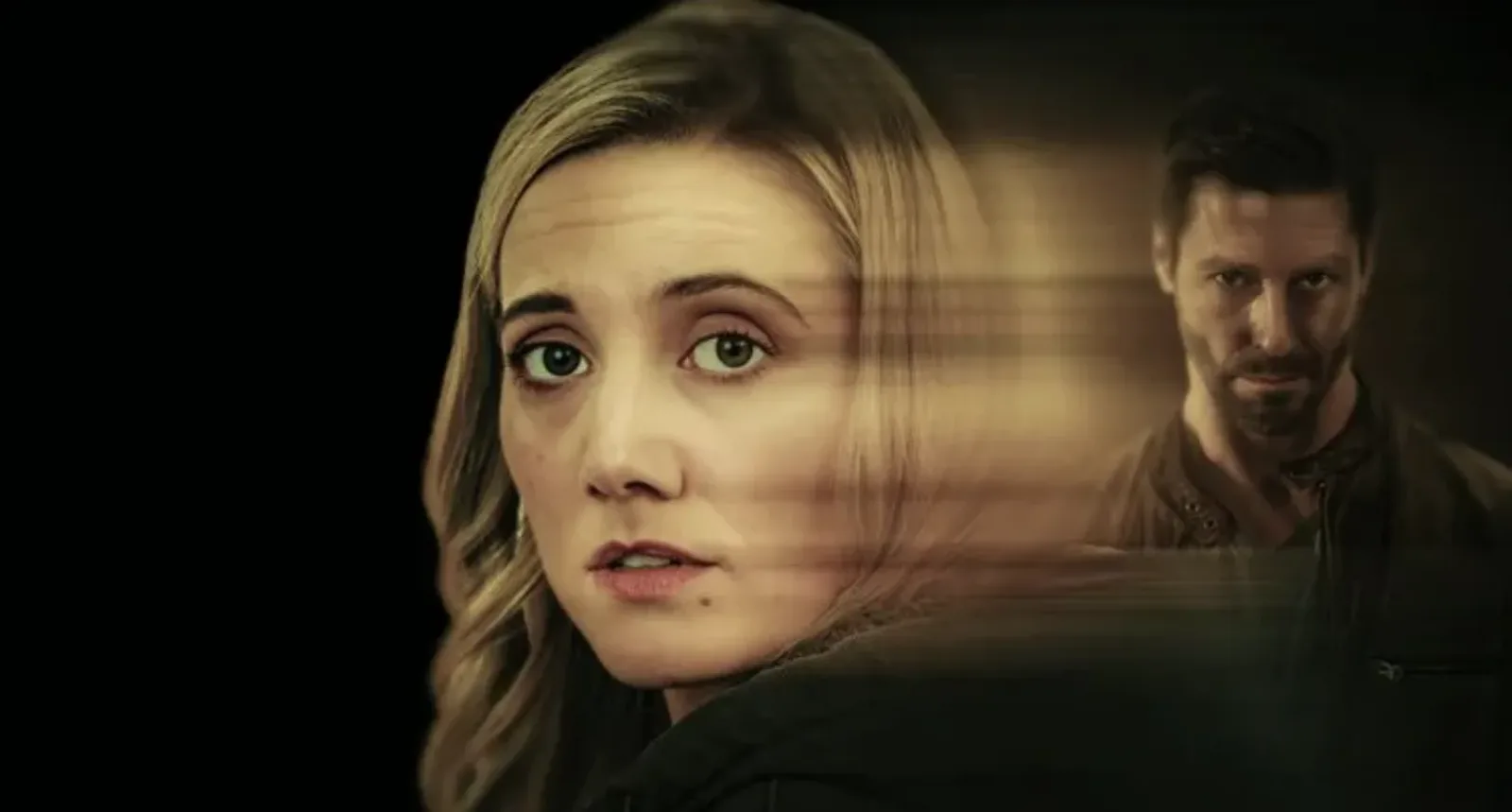
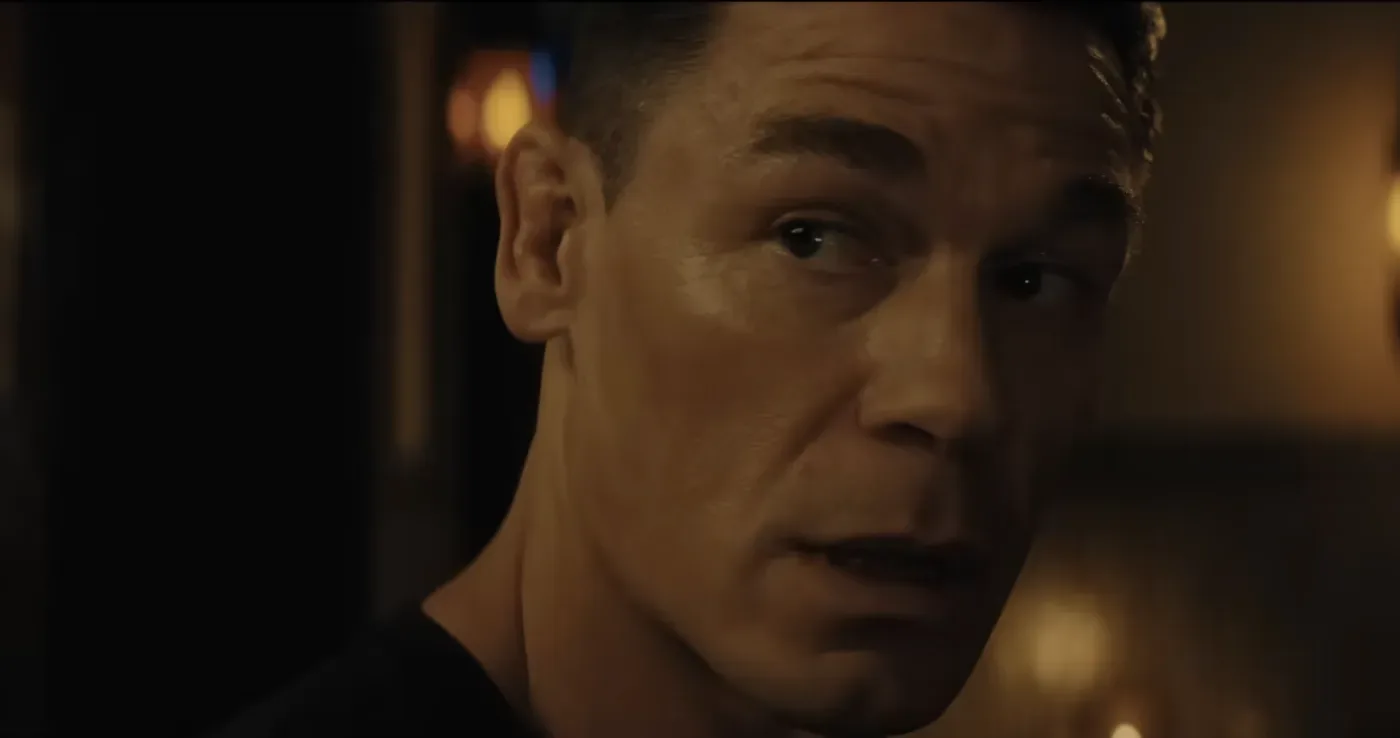
The cast names several characters who mark stages of Ella’s journey: Seeg (Anthony Nuccio), Boxback (Martin Angerbauer), Caley (Ian Hinton), The Prophet (Jason Stoval), Daisy (Rachel Hafell), Maggie (Sidney Edwards), and two figures listed as Dust Soldiers, Alpha (Bobby Easley) and Delta (Justin Malik Jackson, who also plays a character called the Artist).
What the Ending Can and Cannot Tell a Viewer
The ending delivers resolution through an emotional and philosophical frame, not through a plot-level reveal. The official themes, as stated by Double Edge Films, are love, mortality, existence, and faith. Given those terms, the resolution is less likely to work as an information disclosure about Ella’s identity than as a reckoning with what the search required of her.
Winans has organized his previous films around a consistent question: whether the forces that shaped a person have benevolent intentions, and whether recognizing that origin changes anything. In Ink, the central pivot is the revelation that the scarred drifter abducting a young girl’s soul is actually a future version of her own father, destroyed by addiction and emotional absence after his wife’s death. The father saves his daughter across both timelines when he recognizes what he has become. The Frame built on that pattern, placing ordinary characters in a story about divine agency and a shared reality that could collapse around them without warning.
Myth of Man takes that preoccupation to a cosmological scale. Ella acts on a belief that something made her, that this maker sent a message, and that crossing a landscape of death and faith might close the distance between them.
The ending rewards attention to its visual and musical language rather than asking the viewer to decode a plot mechanism.
Knowing that Winans designed the film to be unresolvable in verbal terms is the most useful frame for approaching the ending. The question the title poses stays open because no viewer can answer it for anyone else. That appears to be the point of the design.