Mary (2024) Recap and Ending Explained
Netflix's Mary (2024) covers Mary's miraculous birth through the Temple Presentation, with Anthony Hopkins as Herod and a 28% Rotten Tomatoes score.
Spoilers follow for the complete plot and ending of Mary (2024).
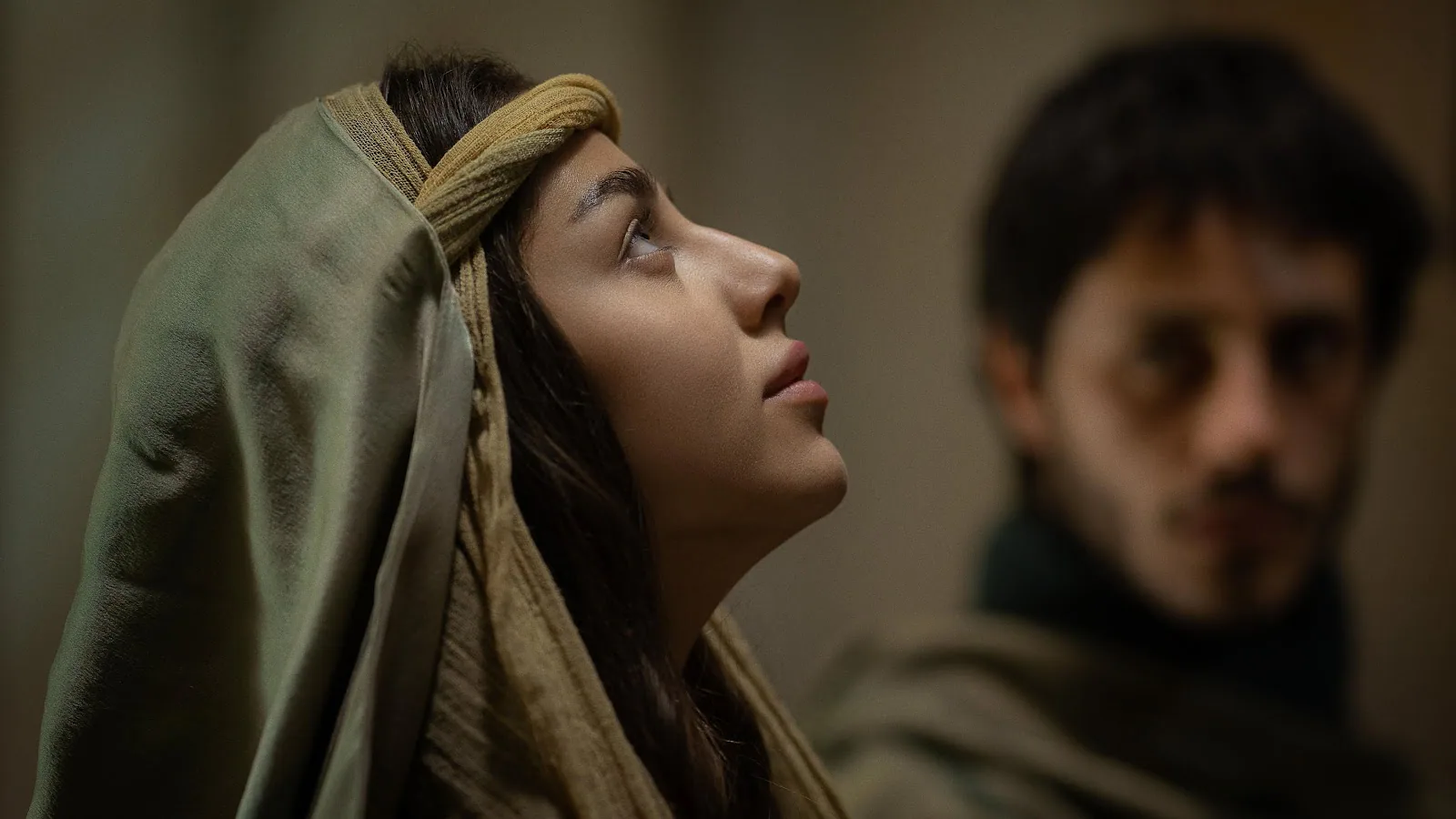
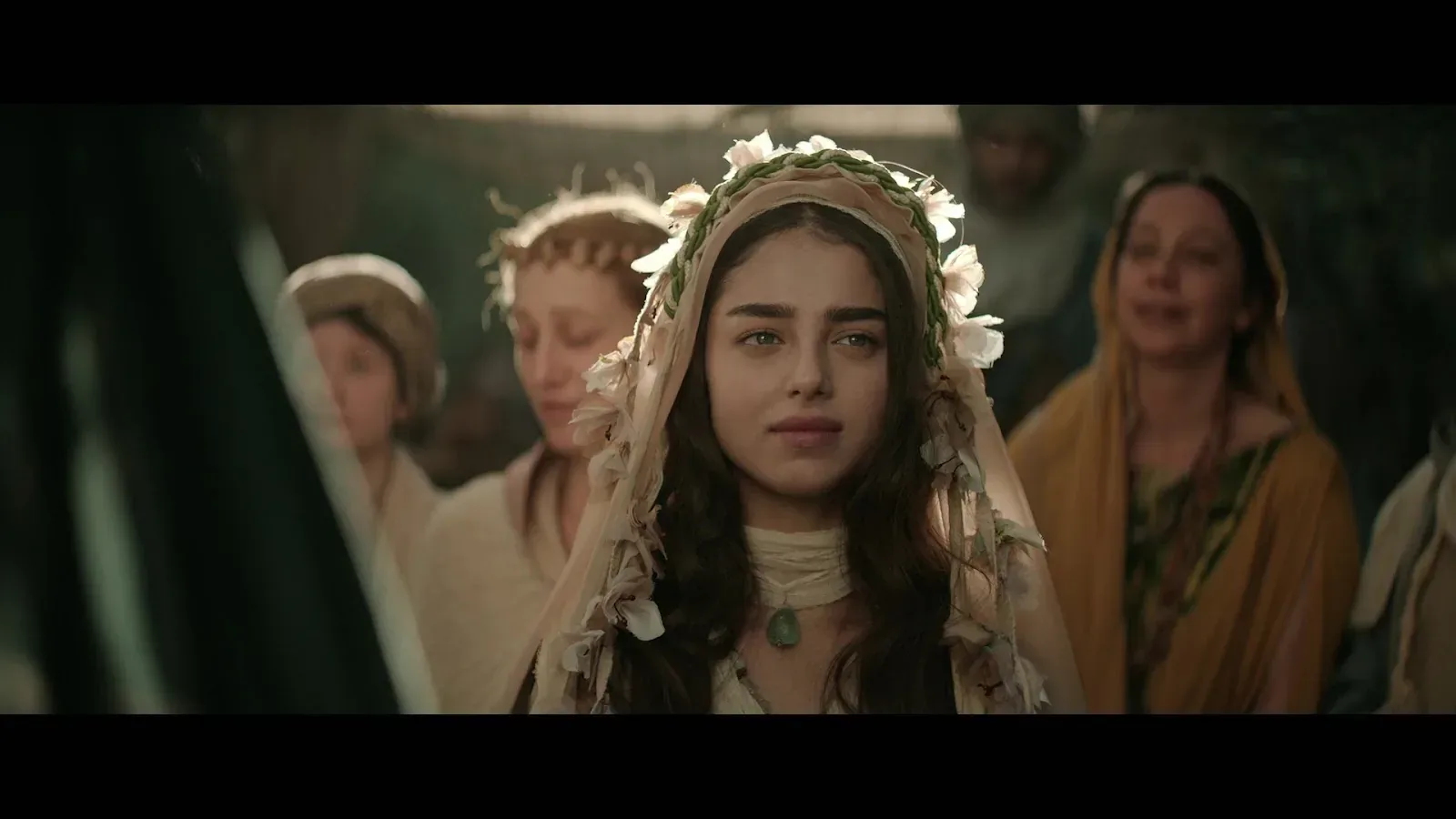
Netflix’s Mary ends at the Jerusalem Temple with the infant Jesus presented to the elder Bava Ben Buta (Mehmet Kurtuluş) while King Herod’s court empties around him. Herod does not die on screen. The archangel Gabriel appears to him, calls him “a wretched soul,” and warns that his time is ending; his soldiers and advisors walk out one by one, leaving him alone. Mary (Noa Cohen) had been heading toward Egypt with Joseph (Ido Tako) and the newborn when she turns back toward Jerusalem. The film, directed by D.J. Caruso and released on Netflix on December 6, 2024, opens not with the Annunciation but with Mary’s own miraculous birth, making this a wider arc than the standard Nativity story.
What Mary (2024) Covers
Mary (2024) covers Mary’s life from her own miraculous birth through the Presentation of Jesus at the Temple, drawing on the canonical Gospels of Matthew and Luke and on the Protoevangelium of James, a non-canonical second-century text that describes Mary’s parentage and her years in the Jerusalem Temple. Caruso, a practicing Catholic, worked with the late Auxiliary Bishop David G. O’Connell of Los Angeles as his spiritual advisor; the film is dedicated to O’Connell’s memory. The bishop was murdered in February 2023, before filming began. Caruso told Catholic World Report that O’Connell urged him to give Joseph an active voice in the film.
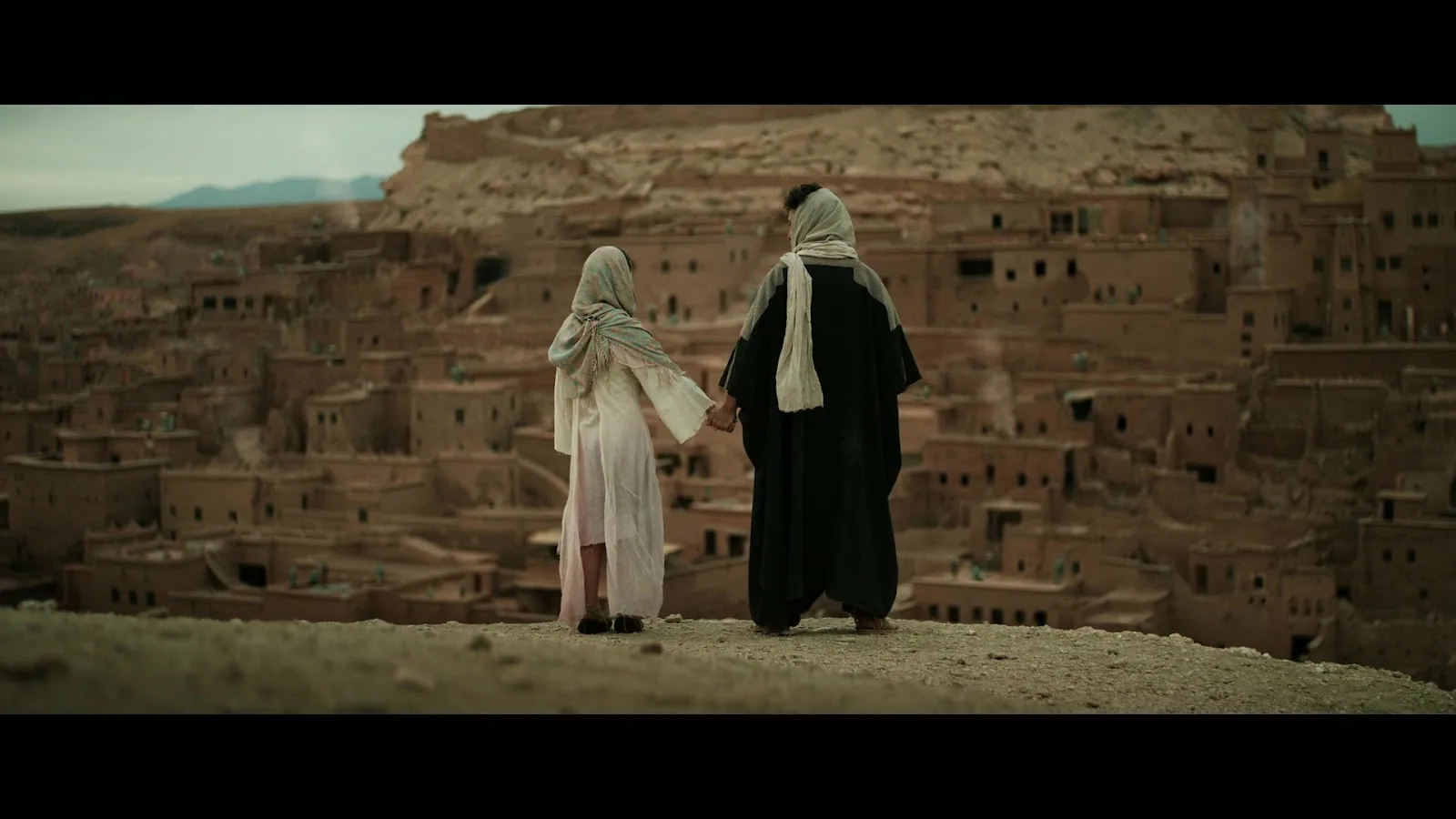
Principal photography ran from January 24 to March 18, 2024, in Morocco. The blue-painted city of Chefchaouen stood in for Bethlehem. For Jerusalem’s temple sequences, the production repurposed a set originally built by Ridley Scott for Kingdom of Heaven (2005) in Ouarzazate, often called Morocco’s “Little Hollywood.” Joel Osteen, pastor of Houston’s Lakewood Church, served as executive producer alongside production company Aloe Entertainment.
Mary’s Miraculous Birth and the Temple
The archangel Gabriel (Dudley O’Shaughnessy), depicted in blue robes with pointed ears and facial markings, visits Mary’s father Joachim (Ori Pfeffer) and her mother Anne (Hilla Vidor) separately, promising each a daughter who will serve God. The visit follows Joachim’s 40-day fast in the desert, undertaken in the belief that God has withheld a child as punishment. This sequence is drawn from the Protoevangelium of James, not from any canonical Gospel.
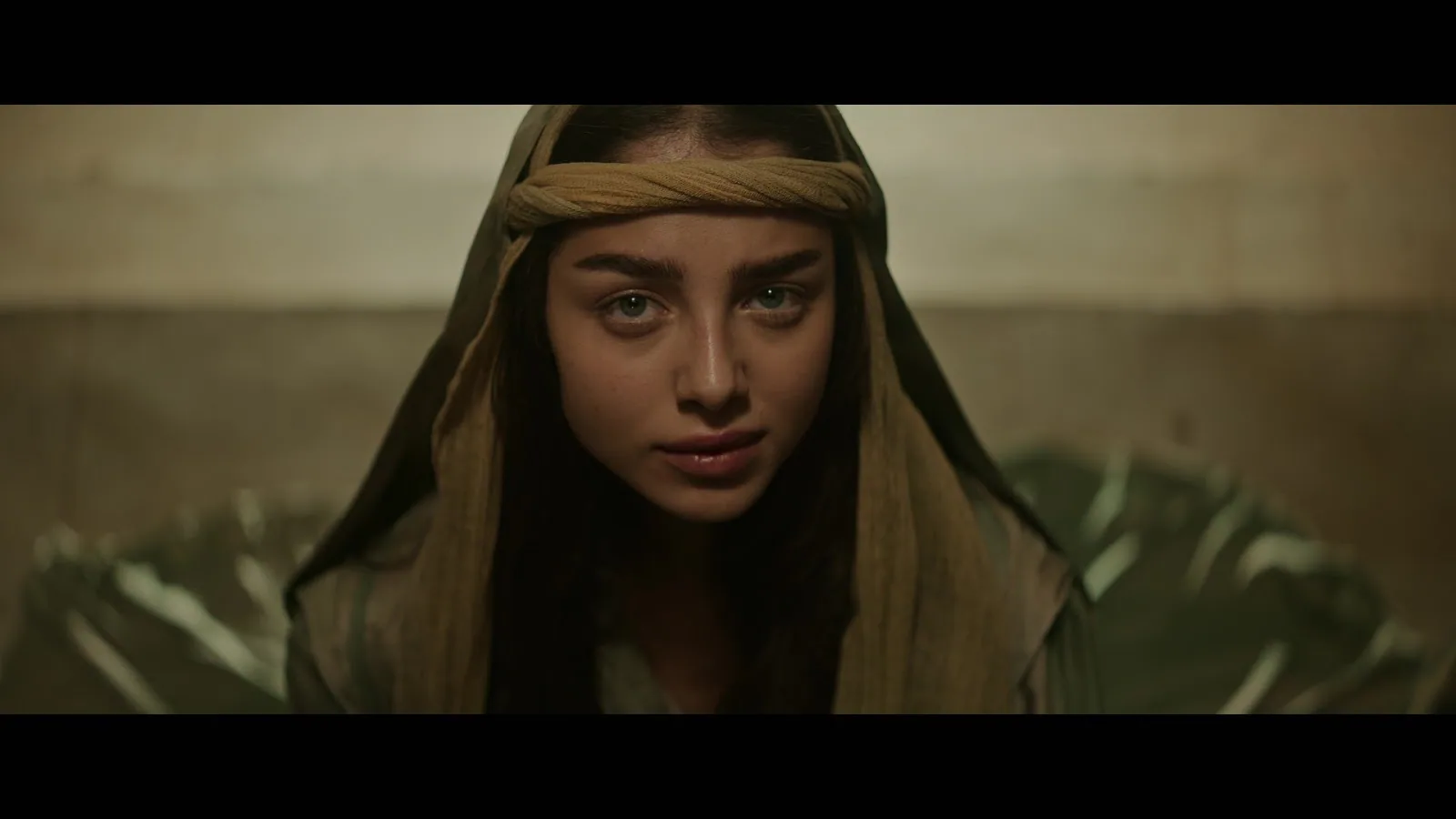
Mary grows up and is placed in the Jerusalem Temple, where she lives among a community of women and comes under the guidance of Anna the Prophetess (Susan Brown). Lucifer (Eamon Farren) appears during her Temple years and attempts to draw her off her path. Plugged In’s review of the film notes a later scene in which Joseph stabs Lucifer to protect Mary during labor, a confrontation with no biblical precedent that gives Joseph an active role throughout the story.
The Annunciation and the Journey to Bethlehem
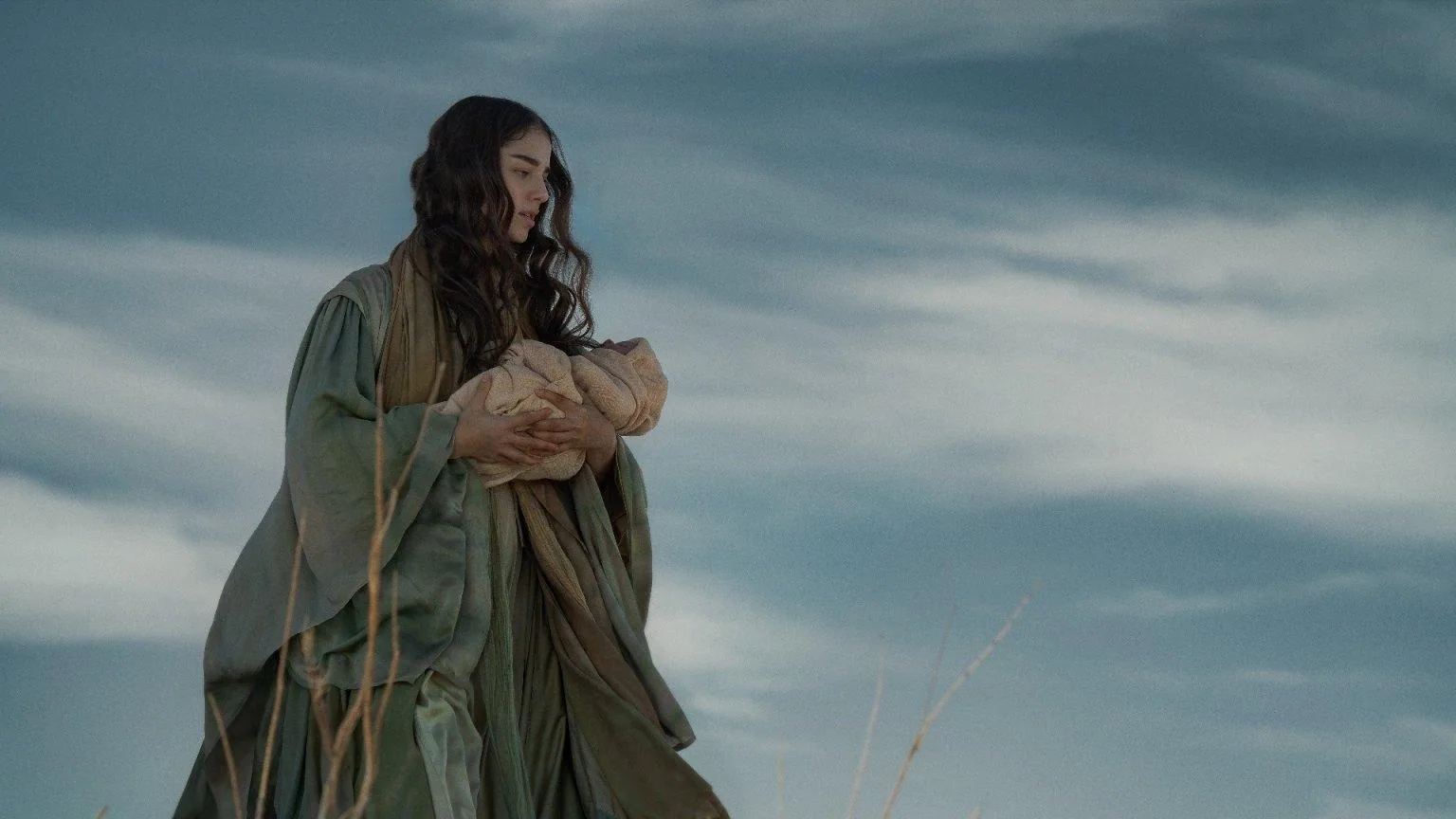
Gabriel guides Joseph to Mary, and the two are betrothed. The angel then visits Mary privately and tells her she will carry a son, to be named Jesus, who will reign over the house of David. When her pregnancy becomes visible, the Temple authorities expel her. Back in Nazareth, a mob threatens to stone her. Joseph intervenes, tells her he believes her account, and the two marry. The family travels to Bethlehem; during the journey, Mary’s father Joachim dies.
The film does not show Gabriel visiting Joseph in a dream, as Matthew 1 describes. Joseph’s decision to protect Mary is treated as his own act of loyalty rather than a response to divine instruction, fulfilling the commitment Caruso made to Bishop O’Connell to let Joseph act as a full character in his own right.
King Herod and the Massacre of the Innocents
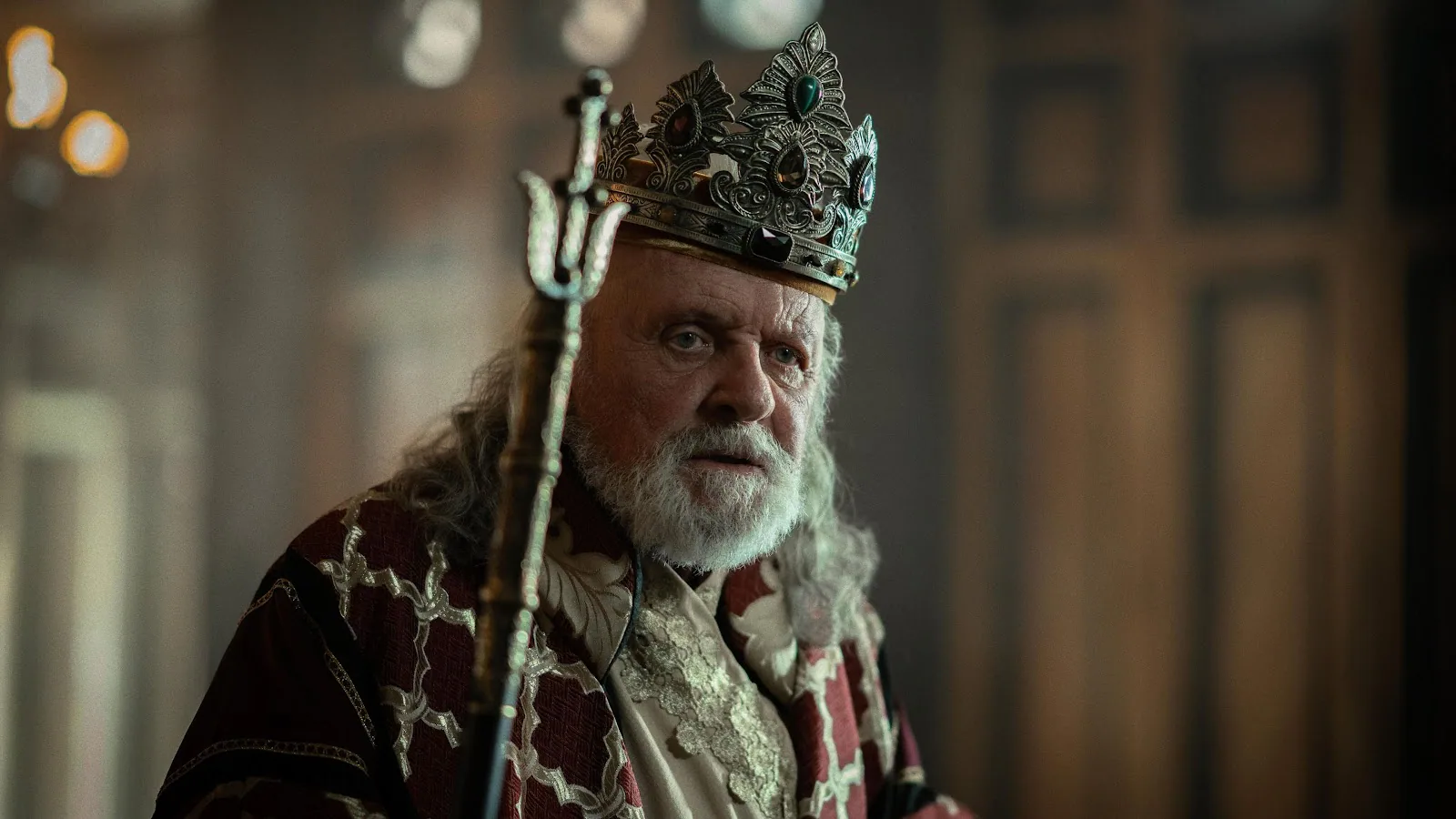
Herod the Great (Anthony Hopkins) is the film’s parallel antagonist, appointed by Rome to rule Judea and determined to hold that power at any cost. The film shows him declaring himself “King of the Jews” despite no Jewish ancestry, building the Second Temple partly for personal legitimacy, and executing family members who oppose him, including his wife Mariamne (Mili Avital). When Bava Ben Buta challenges Herod over the installation of a Roman symbol in the Temple, Herod punishes him. This parallels the account in the Babylonian Talmud (Bava Batra 4a), in which a sage named Bava Ben Buta was blinded by Herod for opposing him.
When Herod learns a prophesied king may have been born in Bethlehem, he orders his general Marcellus (Gudmundur Thorvaldsson) to kill all male infants in the city and bring the supposed Messiah alive to the palace. Mary, Joseph, and the infant Jesus escape with help from people sheltering them; those people are killed by Herod’s soldiers. The Massacre of the Innocents is drawn from Matthew 2:16 and does not appear in any other canonical Gospel or in contemporary historical records, though Josephus documents Herod’s readiness to execute rivals and family members.
How the Film Ends
After the massacre fails to locate Jesus, Gabriel appears in Herod’s throne room and calls him “a wretched soul,” warning that his time is ending. Herod tries to strike the messenger and cannot make contact. His advisors and soldiers leave him one by one until he sits alone. Historical accounts, primarily Josephus, record that Herod died of a painful illness around 4 BCE; the film leaves his fate as abandonment rather than death.
Mary and Joseph had been heading toward Egypt when Mary decides to return to Jerusalem. Joseph argues the city still has soldiers, but Mary insists they are under divine protection. Anna the Prophetess meets them at the Temple gate. Inside, Mary presents Jesus to Bava Ben Buta and tells him: “I am here to fulfill a promise.” He blesses the child. The film closes with Mary addressing her son: love “will pierce your heart” but “will save the world.” A brief vision of the crucifixion follows.
Our reading is that placing Bava Ben Buta at the center of the final blessing is the film’s clearest statement about where power in this story settles. The film has already shown him as the man Herod tried to silence; by the ending, he is the one who receives Mary’s child in the Temple while Herod sits alone. The structural choice places legitimate authority in a figure Herod had already tried to destroy, not in his palace or his Roman-backed title.
Critics gave the film a 28% score on Rotten Tomatoes and a 27/100 on Metacritic, with The Daily Telegraph’s Tim Robey calling it the worst film of the year. Audiences watched in larger numbers: the film recorded 21.2 million hours of viewing in its first week and appeared in Netflix’s Top 10 in 71 countries, according to Netflix’s weekly viewership data. The casting of Israeli actress Noa Cohen in the title role drew a pre-release boycott campaign from pro-Palestinian activists; Cohen told the Algemeiner in January 2025 that she received death threats while filming in Morocco.