Less of a Stranger Ending Explained: Does Jan Get Sober and Does Lady Pank Perform Again?
Less of a Stranger spends much of its story showing Jan Borysewicz fighting anyone who attempts to decide what his life should look like. His father doubts music can provide him with a future, the political system places limits on artistic freedom, and the music business eventually presents its own demands once Lady Pank becomes…
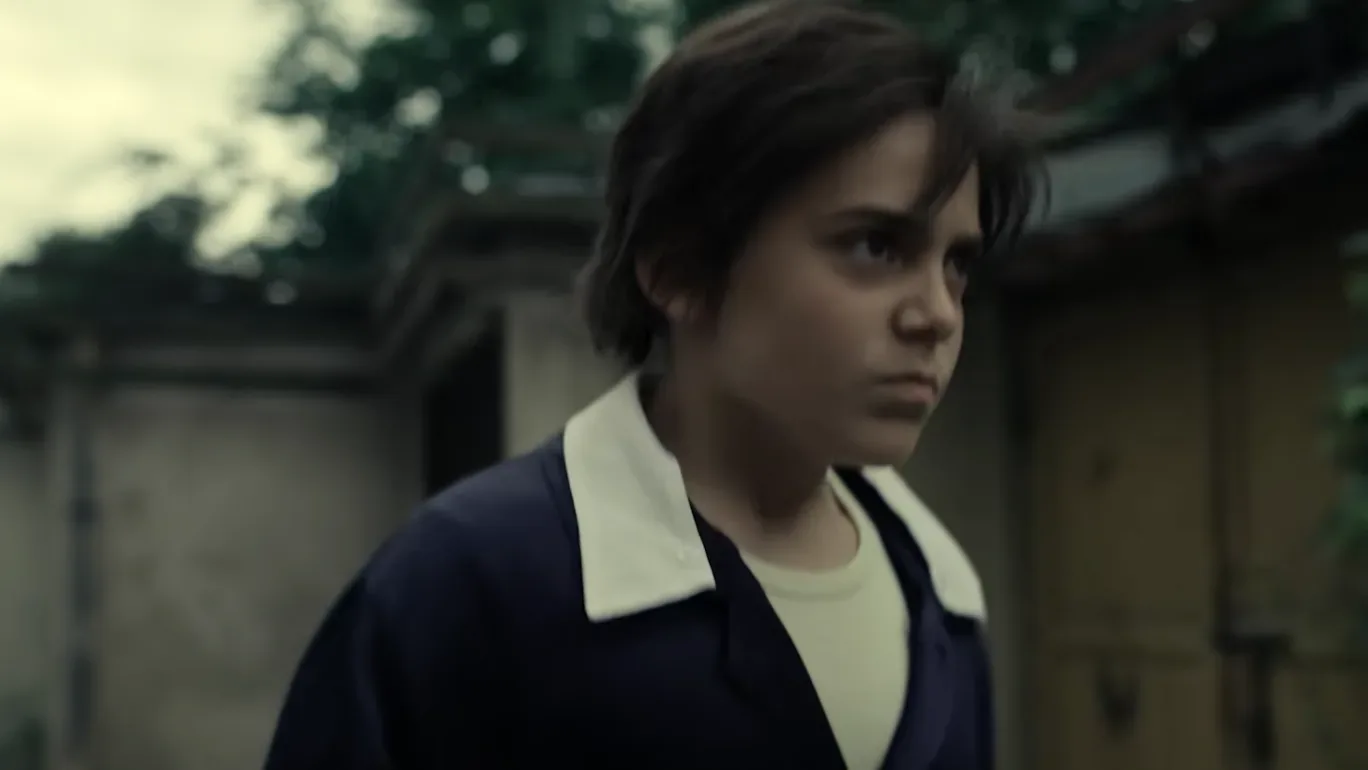
Less of a Stranger spends much of its story showing Jan Borysewicz fighting anyone who attempts to decide what his life should look like. His father doubts music can provide him with a future, the political system places limits on artistic freedom, and the music business eventually presents its own demands once Lady Pank becomes successful. By the final act, however, Jan’s most dangerous obstacle is no longer someone standing in his way. Fame, unresolved grief and his increasingly reckless lifestyle begin threatening the very band that once represented his freedom.
The ending turns Lady Pank’s possible comeback into something much more personal than a question of whether its members will be allowed to perform again. Jan first has to acknowledge what his choices have done to himself and the people around him. His road back involves treatment, another family loss, a pilgrimage connected to his brother and a frightening medical crisis that gives him a new perspective on his future. Only after that journey can the movie bring him back to the stage.
Also Read: Where Is Jan Borysewicz Now? What Happened to the Lady Pank Founder After Less of a Stranger
Why Does Lady Pank Fall Apart?
Lady Pank survives enormous outside pressure because Jan and his bandmates are convinced that artistic independence is worth defending. Their music finds a huge audience, and even official disapproval cannot prevent the band’s popularity from growing. International opportunities follow, seemingly confirming Jan’s belief that refusing to compromise has been the correct decision. The problem is that the same refusal to accept limits begins taking a much more damaging form in his personal life.
Jan becomes increasingly unreliable as substance use, exhaustion, grief and the pressures of fame affect his judgment. Instead of an outside enemy destroying Lady Pank, the film gradually shows its own leader putting everything at risk. His bandmates continue depending on him creatively, but they cannot control what he does away from rehearsals or how he behaves when his emotions overwhelm him. That tension finally becomes impossible to ignore during the youth festival.
Jan responds badly to provocation from the crowd and loses control during the performance. His inappropriate behavior gives the authorities the justification they need to act against both him and Lady Pank. The band is prevented from continuing normally, while Jan is detained and forced to confront consequences that fame cannot simply make disappear. For the first time, his bandmates are paying a major professional price for decisions that were his alone.
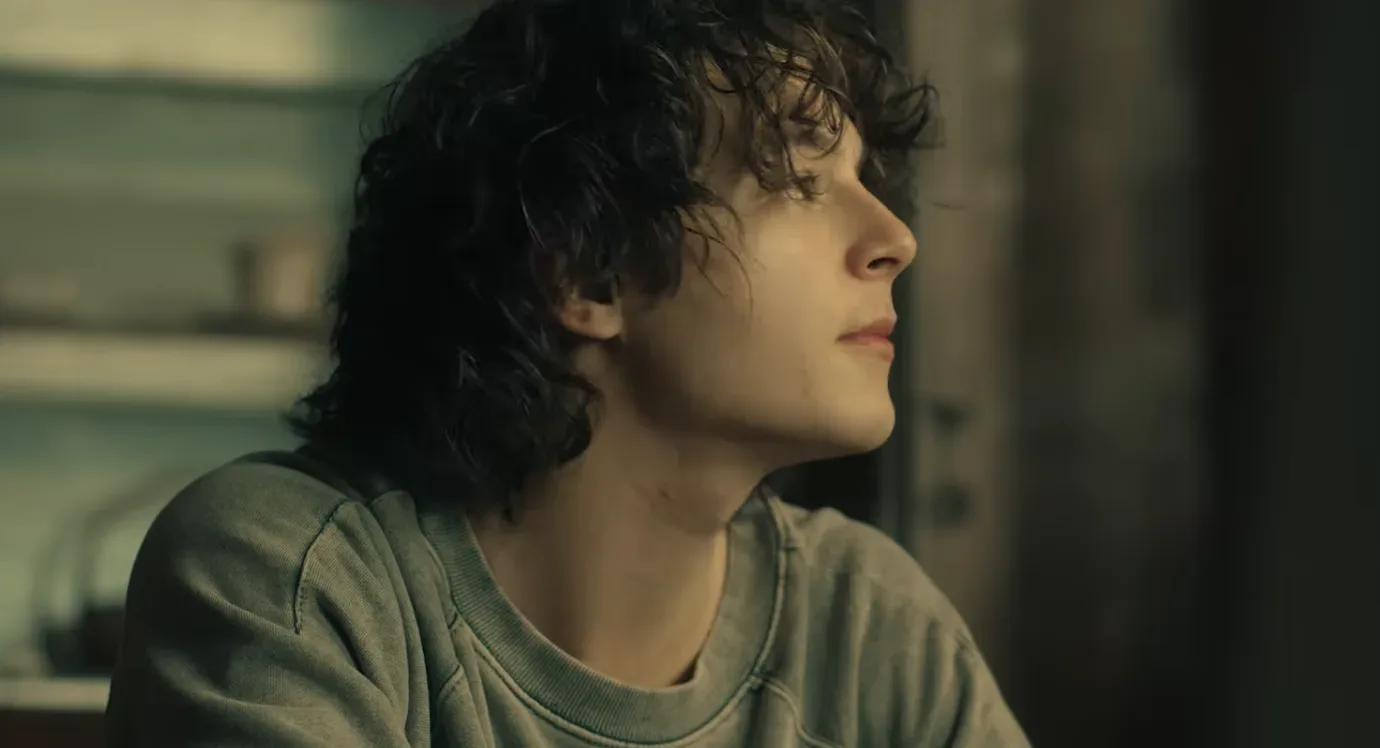
Why Does Jan’s Father Help Him?
One of the ending’s most meaningful reversals involves Jan’s father. Throughout much of the film, he represents the kind of authority Jan instinctively rejects, particularly because he does not take his son’s rock ambitions seriously during his youth. Jan responds by building much of his adult identity around proving that nobody else can decide his future. Their disagreements therefore become about far more than music as the years pass.
When Jan’s situation becomes serious, however, his father is the person with enough influence to help him. He uses his connections to assist Jan but makes treatment part of the arrangement, forcing his son to confront a problem he has repeatedly avoided. The moment does not magically repair their relationship or erase years of resentment between them. Instead, Jan has to accept help from the same man against whom he has spent much of his life rebelling.
That uncomfortable dependence continues after Jan enters rehabilitation. Their relationship remains emotionally volatile, particularly as Jan deals with his mother’s declining condition and everything his family has already lost. The father-son conflict never receives the easy reconciliation a more sentimental biopic might have chosen. Their bond remains imperfect, which makes the moments when they do help each other feel more believable.
Why Does Jan Visit His Mother?
Jan’s mother represents a life and responsibility he has gradually left behind while chasing success. During his younger years, her illness profoundly affects the family, but music continually pulls Jan toward another world. By the time he is famous, his absences and the demands surrounding Lady Pank have created an even greater distance from the people who knew him before the stage persona existed. Visiting his mother during his attempt to change therefore forces him to face part of what he has been avoiding.
Their conversation is important because she does not ask him to stop being a musician. Instead, she encourages him to put genuine effort into the things that matter rather than constantly running away when they become difficult. That advice applies equally to his music, his family and the responsibilities he has neglected. It also brings the memory of his brother Andrzej back to the surface, connecting Jan’s present crisis with grief he has never properly processed.
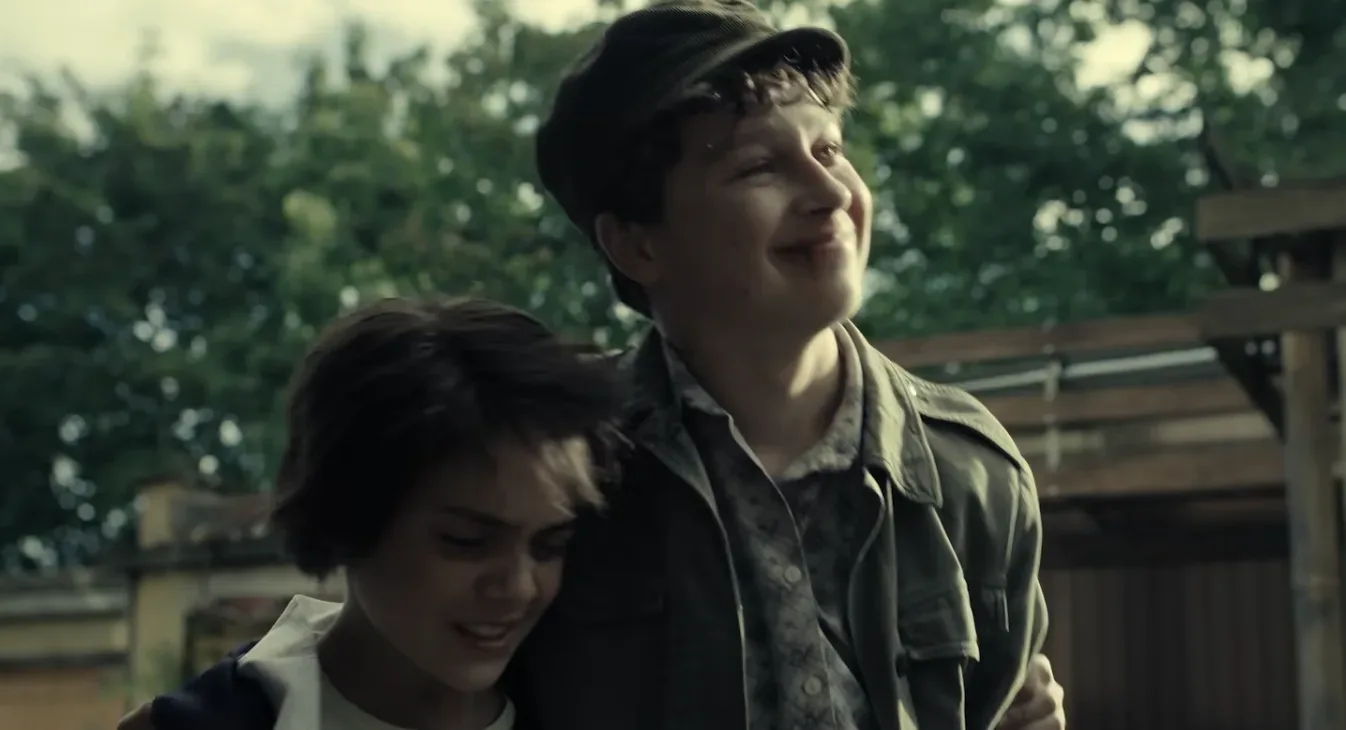
Why Does Jan Go on the Pilgrimage?
Earlier in the film, Andrzej wanted Jan to accompany him on a pilgrimage, but their lives took a tragic turn before the brothers could complete that journey together. Jan’s response to losing Andrzej is not to find comfort in religion but to become increasingly angry at the very idea of faith. He cannot reconcile belief in a greater power with what happened to his brother, particularly because Andrzej had looked toward religion during a difficult period. That anger becomes another emotional burden Jan carries for years.
When Jan eventually undertakes the pilgrimage himself, the movie does not present it simply as a sudden religious conversion. He is completing something connected to Andrzej and finally allowing himself to confront the grief that has followed him through much of his adult life. The journey becomes an act of remembrance as much as one of faith. Jan cannot change what happened to his brother, but he can finally stop pretending that the loss has no control over the person he became.
The pilgrimage is especially meaningful because it contrasts with Jan’s usual way of handling pain. His instinct has always been to keep moving, play louder, work harder or distract himself with the lifestyle surrounding his fame. Walking the route forces him into a quieter kind of confrontation. For once, he cannot hide behind Lady Pank or the rebellious image he has built around himself.
Does Jan Get Sober?
The film presents Jan’s recovery as a gradual process rather than giving him an instant transformation when he enters rehabilitation. He initially struggles with the restrictions imposed on him and still carries the anger that contributed to his earlier behavior. Removing substances from his life does not automatically remove grief, guilt or the personality traits that helped create the problem. His recovery therefore becomes tied to confronting his family and accepting responsibility rather than simply completing treatment.
The visit to his mother and the pilgrimage connected to Andrzej both move him toward that realization. Jan starts recognizing that the independence he values so deeply has sometimes become an excuse for refusing responsibility. He has hurt people who depended on him, and his behavior has jeopardized careers beyond his own. The movie does not suggest he can undo that damage, but it does show him reaching a point where he understands it.
His later health crisis makes the message even harder to ignore. Following another emotionally charged confrontation with his father, Jan suffers a serious medical emergency and manages to get himself to a hospital. He survives, but the experience forces him to confront how close he has come to losing everything permanently. Rather than declaring him completely cured, the ending presents him as a man who has finally decided that continuing the same way is no longer possible.
Why Isn’t Mogiel at the Hospital?
When Jan recovers in the hospital, members of Lady Pank eventually arrive to see him. Their appearance creates one of the ending’s warmer moments because the band has been fractured by Jan’s behavior and the consequences of the festival incident. Yet Andrzej Mogielnicki, known as Mogiel throughout much of the film, is noticeably absent. The movie never gives Jan or the audience a direct explanation from him.
His absence makes sense when viewed through everything the two men have experienced together. Mogiel is among the earliest people to genuinely believe in Jan’s vision and helps transform his musical ambition into Lady Pank. He supports the guitarist through enormous professional risks and invests his own career in the band’s future. When Jan’s choices eventually contribute to Lady Pank’s collapse, Mogiel has every reason to feel personally betrayed.
The ending therefore resists giving Jan complete forgiveness simply because he has survived a medical crisis. His bandmates returning does not mean that every damaged relationship can immediately be repaired. Mogiel’s absence reminds Jan that recovery does not erase consequences, and some people may choose to continue without him. That interpretation also fits the fact that Lady Pank entered its next phase without Mogiel as part of the band’s immediate comeback.
Does Jan Make Peace With His Father?
Jan and his father never receive a perfectly tidy reconciliation. Their relationship has accumulated too much disappointment and resentment for one conversation to resolve everything. The father has spent years struggling to understand Jan, while Jan has spent just as long defining himself in opposition to the older man’s expectations. Even when his father helps him, their arguments continue.
What does change is Jan’s ability to see his father as something other than an obstacle. The man who once tried to discourage his musical ambitions is also the person who steps in when Jan’s situation becomes serious. Jan may never agree with the way his father treated him when he was young, but the ending allows him to recognize that their relationship cannot be reduced to simple hostility. Their bond remains difficult, but it is no longer entirely defined by rebellion.
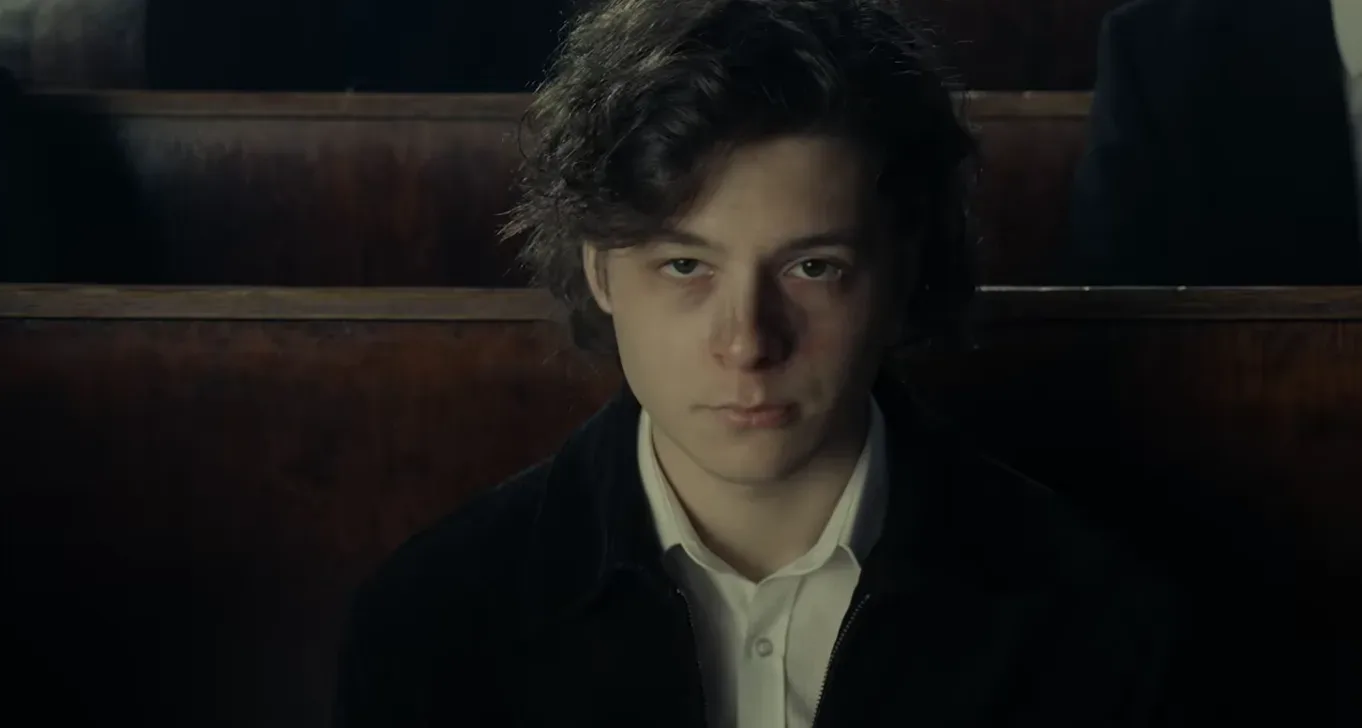
Does Lady Pank Perform Again?
Yes. The possibility of Lady Pank’s return gives the final section of the movie its sense of hope. Political circumstances are changing, and the restrictions surrounding the band are no longer as immovable as they appeared immediately after Jan’s public breakdown. Jan learns that Lady Pank may have an opportunity to perform again, although he will have to publicly acknowledge his previous behavior. That requirement would once have been almost impossible for the fiercely defiant guitarist to accept.
Earlier in the film, Jan often treats any concession as surrender. By the ending, he understands that taking responsibility is different from allowing somebody else to control his art. He regrets what happened and knows that his bandmates suffered alongside him, making the apology less about satisfying authority and more about accepting his own role in the group’s collapse. That realization represents one of the clearest signs that he has actually changed.
Also Read: Is Less of a Stranger Based on a True Story? Jan Borysewicz and Lady Pank’s Real History Explained
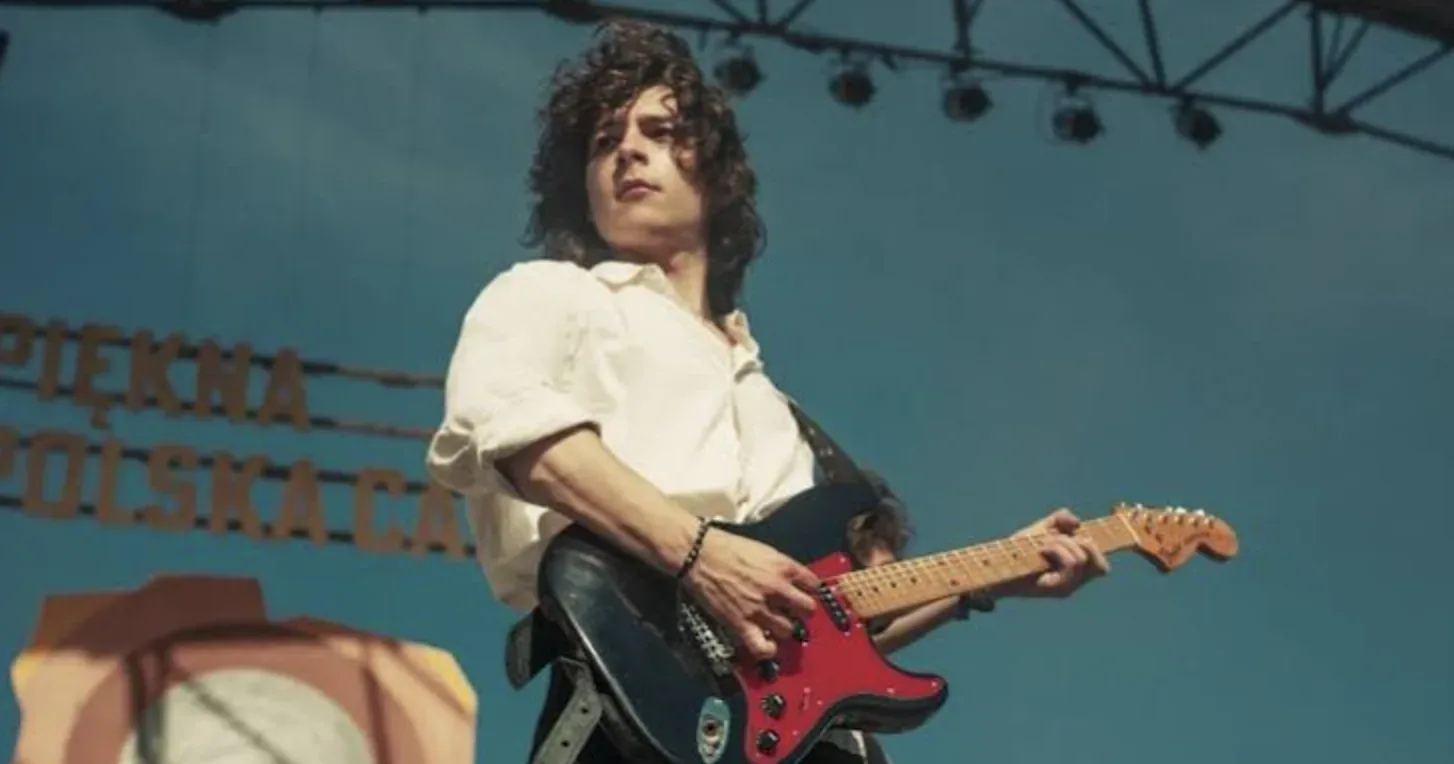
Lady Pank eventually returns to the stage before a large crowd waiting to see the band again. The movie deliberately ends in the environment where Jan has always appeared most alive, with a guitar in his hands and music surrounding him. This time, however, getting back on stage requires something he once resisted: admitting that freedom also comes with responsibility.
Is Lady Pank’s Comeback Based on Reality?
The broad outcome shown in the ending has a real historical foundation. Lady Pank’s activities were interrupted after the controversial 1986 Wroclaw performance, but the band did not disappear. It returned to performing in 1987 and continued its career despite changes behind the scenes. Borysewicz and Janusz Panasewicz remained central figures as the group moved into its next chapter.
The real history afterward was naturally more complicated than a single triumphant final concert can show. Lady Pank experienced further lineup changes, creative shifts and periods of uncertainty over the following decades. Yet the important point remains the same: the 1986 crisis did not end Jan Borysewicz’s career or destroy Lady Pank permanently. The band ultimately survived long enough to become one of the enduring names in Polish rock.
What Does the Less of a Stranger Ending Mean?
The final concert completes Jan’s journey without pretending that every part of his life has suddenly been repaired. Mogiel is absent, family wounds remain complicated, and Jan cannot undo the consequences of the choices that brought him to his lowest point. What has changed is his understanding of what rebellion actually means. He begins the film believing freedom is simply the absence of anyone telling him what he can or cannot do.
By the ending, Jan has learned that a person can also become trapped by grief, ego, addiction and the expectations created by success. Accepting responsibility does not make him less independent, and apologizing does not erase the rebellious spirit that made Lady Pank possible. Instead, those choices allow him to return to music without immediately destroying what he fought so hard to create. Less of a Stranger closes with Lady Pank back on stage because the band’s comeback represents Jan’s second chance as much as its own.