Is Less of a Stranger Based on a True Story? Jan Borysewicz and Lady Pank’s Real History Explained
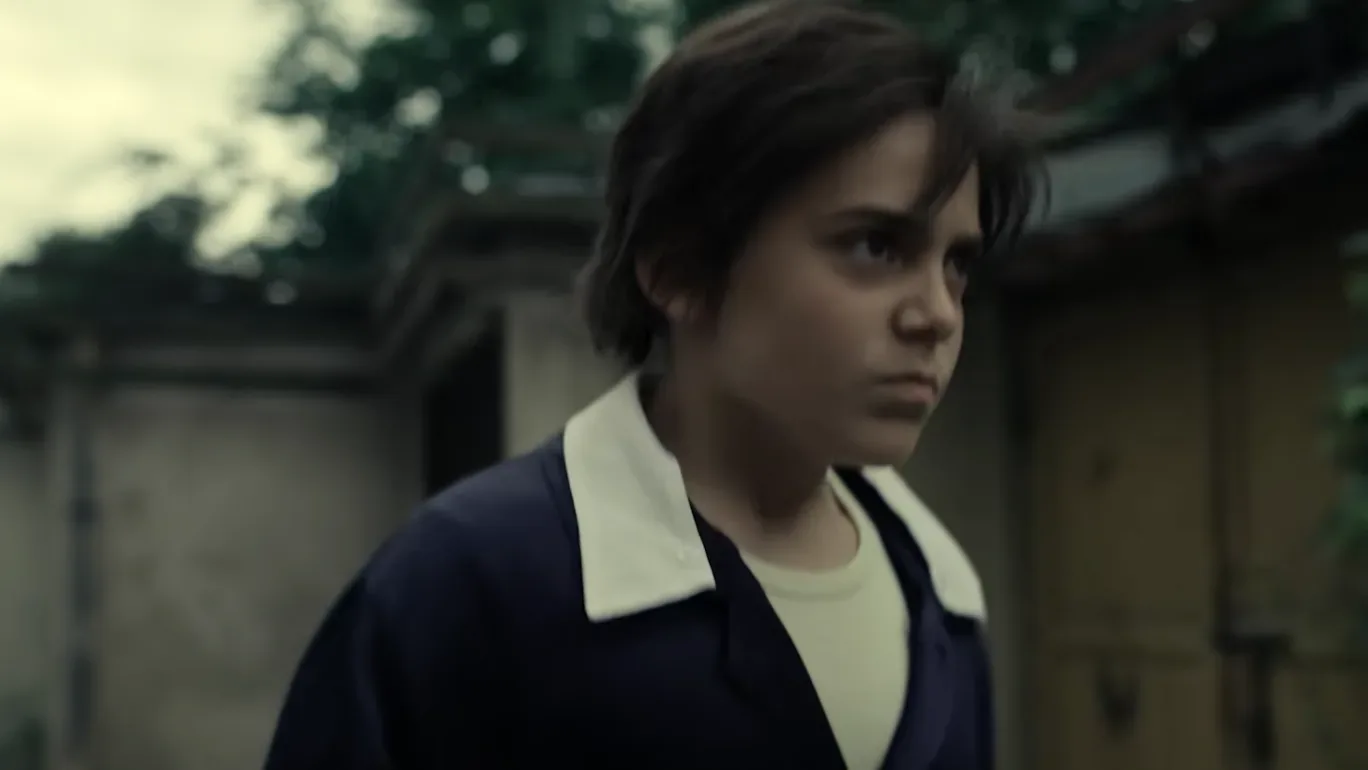
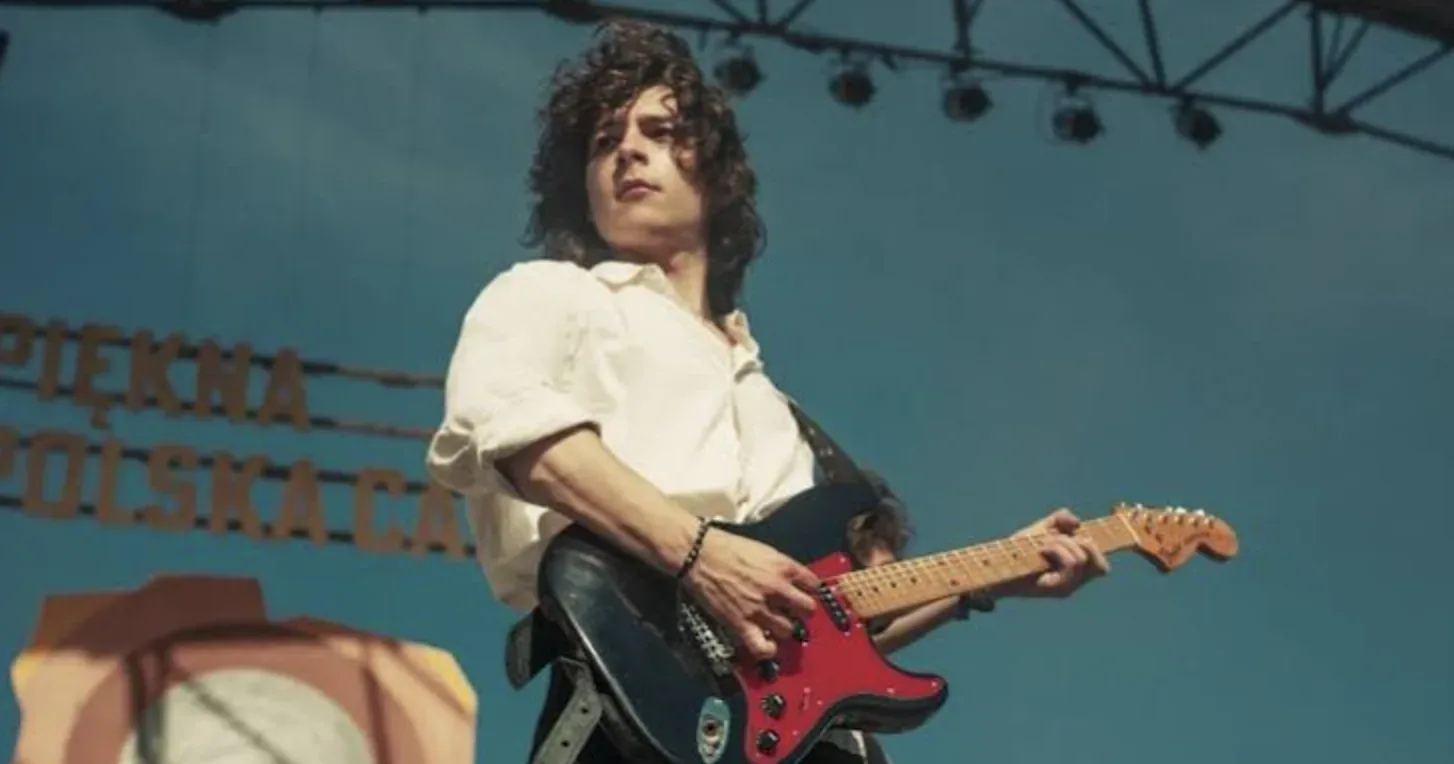
Netflix’s Less of a Stranger, originally titled Mniej obcy, is built around a musician whose name may be unfamiliar to many international viewers but carries enormous weight in Polish rock. Mikołaj Bukrewicz plays Jan Borysewicz, the guitarist and songwriter whose determination to make music eventually leads to the creation of Lady Pank. The film moves…

Netflix’s Less of a Stranger, originally titled Mniej obcy, is built around a musician whose name may be unfamiliar to many international viewers but carries enormous weight in Polish rock. Mikołaj Bukrewicz plays Jan Borysewicz, the guitarist and songwriter whose determination to make music eventually leads to the creation of Lady Pank. The film moves through family hardship, communist-era Poland, sudden fame and the consequences of a life increasingly consumed by rock and roll. Although the drama takes considerable creative freedom, the person at its center and many of its biggest events are very real.
Also Read: Is Surviving the Silence: The Roxane Gay Story Based on a True Story?
Less of a Stranger Is Inspired by Jan Borysewicz’s Life
Yes, Less of a Stranger is based on a true story, although “inspired by” is the more accurate description. Netflix describes the movie as being inspired by Borysewicz’s life and memories rather than presenting it as a literal reconstruction of everything that happened to him. Borysewicz was involved with the project and has said that he wanted the film to acknowledge both his achievements and the mistakes he made rather than turn his life into an uncomplicated celebration. Director Kristoffer Rus similarly approached the story as a drama about what success costs a person, rather than a conventional music documentary.
That distinction matters because the movie combines documented milestones with recreated conversations, compressed chronology and scenes designed to express what Borysewicz was feeling. The broad journey from a music-obsessed teenager in Wroclaw to one of Poland’s most recognizable guitarists is factual. Lady Pank, Andrzej Mogielnicki, Budka Suflera and the group’s remarkable rise are all parts of Borysewicz’s real history. Private encounters and the exact way certain emotional turning points unfold should be understood as dramatization rather than independently verified fact.
Jan Borysewicz’s Childhood Was Difficult
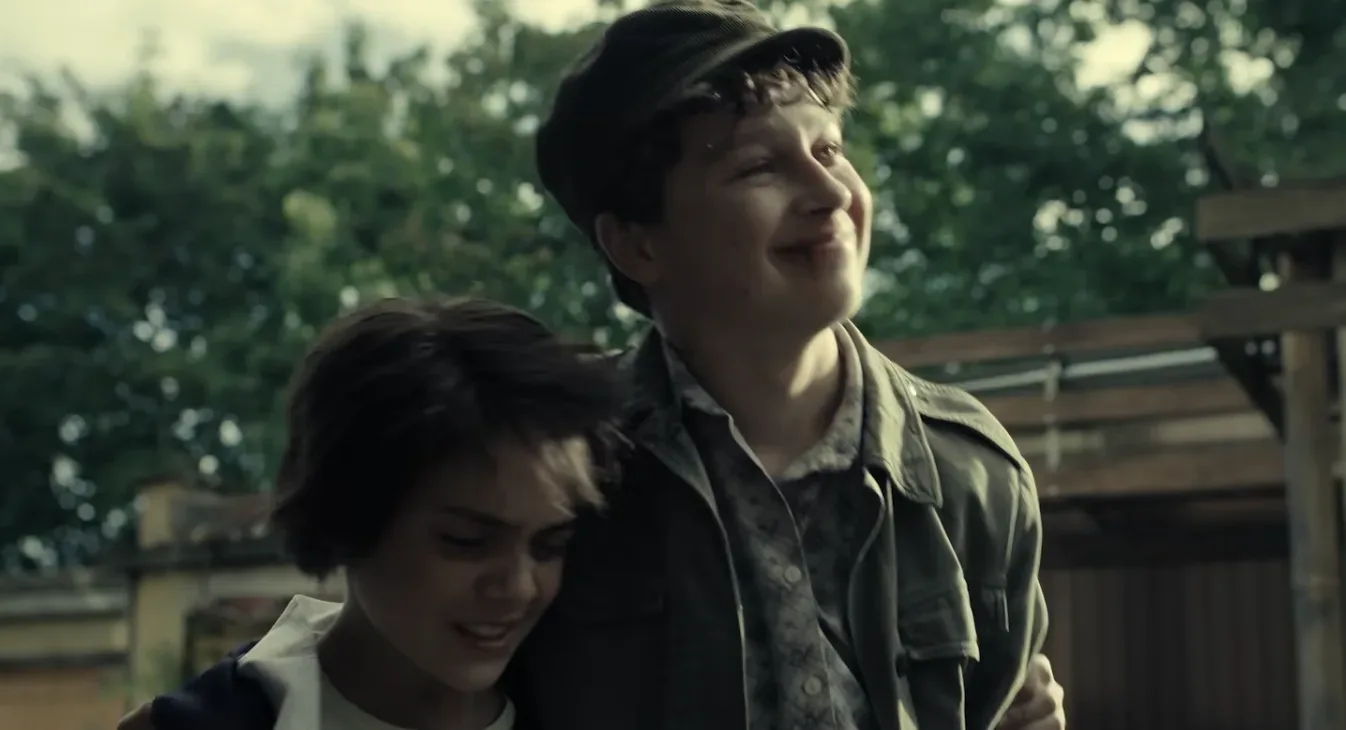
Borysewicz was born in Wroclaw on April 17, 1955, and music was present in his family long before Lady Pank existed. His father played drums recreationally, while his older brother Andrzej helped introduce Jan to guitar and taught him chords. Borysewicz has also spoken about how his childhood changed after his mother developed multiple sclerosis when he was around 13, forcing him to grow up unusually quickly and help care for her. He later took jobs including painting rooms and working in a printing house while continuing to pursue music.
The movie’s close bond between Jan and Andrzej is also rooted in reality. Borysewicz has spoken publicly about losing his brother Andrzej when Andrzej was only 20 and about how deeply that loss remained with him. This makes the film’s use of Andrzej more than a convenient fictional device created to motivate its hero. At the same time, specific conversations between the brothers, including the way faith and Jan’s later pilgrimage are woven into the story, belong to the film’s interpretation of those memories.
His Budka Suflera Career Really Happened
Long before Lady Pank, Borysewicz was already building a reputation as a guitarist. He began performing professionally in the early 1970s and eventually joined Budka Suflera in 1978, remaining with the influential Polish band until 1981. He recorded with the group and composed songs including “Nie wierz nigdy kobiecie,” while musical ideas that would later become associated with Lady Pank were already beginning to emerge during this period. His departure from Budka Suflera therefore represented a genuine turning point rather than an invention designed to give the movie a convenient career break.
After leaving, Borysewicz developed the project that became Lady Pank with lyricist Andrzej Mogielnicki. Sources date the band’s beginnings to the 1981-1982 period, with “Mala Lady Punk” providing the inspiration for the eventual name Lady Pank. Janusz Panasewicz became the group’s defining lead vocalist, while Borysewicz supplied the guitar sound and much of the music and Mogielnicki wrote the lyrics behind many of its early hits. Their first self-titled album followed in 1983 and contained songs that became fixtures of Polish popular culture.
Lady Pank Really Reached America
One of the more extraordinary parts of the story is not a biopic exaggeration. By the middle of the 1980s, Lady Pank had become successful enough to attract serious attention outside Poland, including from the American music industry. In 1985, the band released the English-language album Drop Everything through MCA and visited the United States, where contemporary American coverage described Lady Pank as the first Polish group to sign with a US record company. Their American push even included an appearance on American Bandstand, where they performed “Minus Zero” and “Hero.”
The “Minus Zero” video also entered MTV programming, making Lady Pank’s international ambitions considerably more substantial than a simple fantasy of Jan’s in the movie. Yet the band never abandoned its Polish identity in favor of becoming a manufactured American act. The tension the film creates between international opportunity and control over the group’s work fits the larger reality that Lady Pank’s personality was inseparable from Borysewicz’s music and Mogielnicki’s writing. Their Polish songs ultimately became far more enduring than an attempt to remake the group for another market.
The 1986 Lady Pank Crisis Was Real
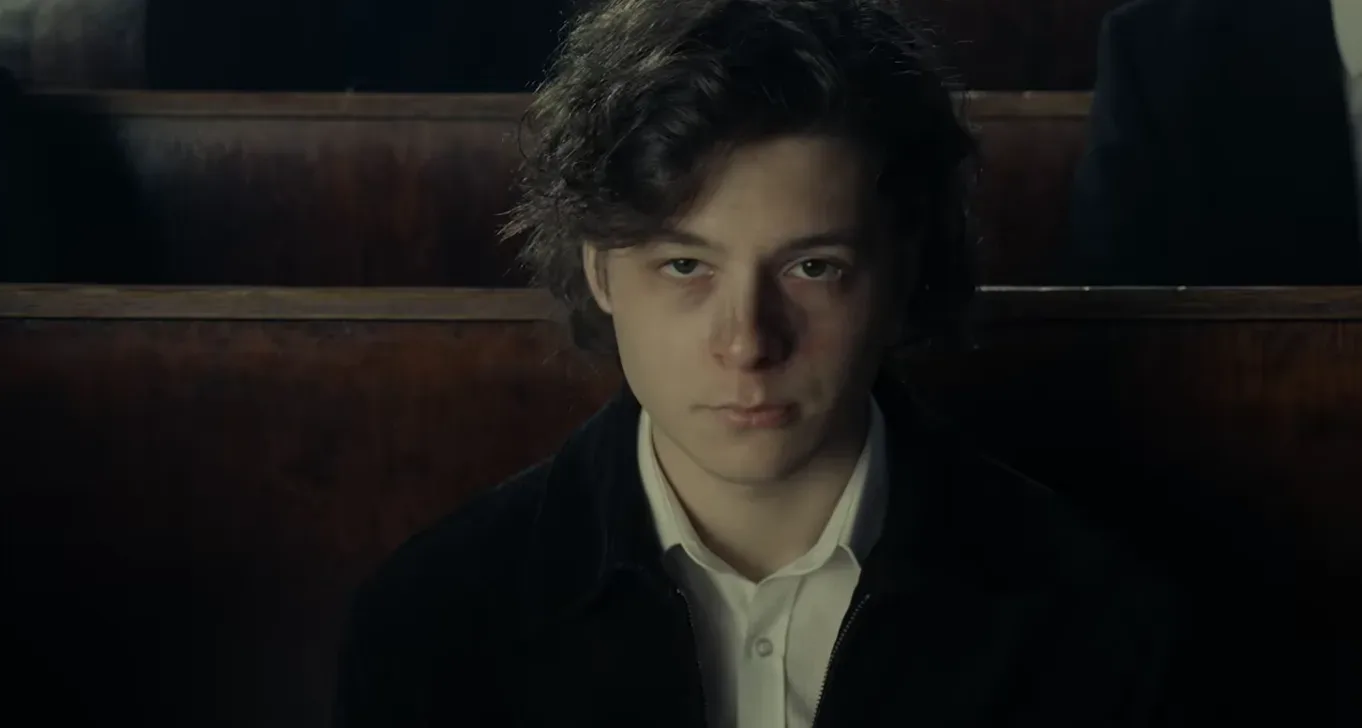
The film’s major late-story crisis also comes from an actual incident. On June 1, 1986, Lady Pank performed at the Olympic Stadium in Wroclaw during a Children’s Day event, and Borysewicz’s inappropriate behavior on stage resulted in police involvement and serious consequences for the band. Contemporary reporting confirms that he was arrested and that organizers sought official action against Lady Pank afterward. The group subsequently had to suspend its activities, making the event one of the most damaging episodes of its early career.
Less of a Stranger uses that incident as the point where years of pressure, fame, unresolved grief and excess finally converge. That emotional interpretation is the movie’s own, but the career consequences were not invented. Lady Pank’s rapid ascent really did come to an abrupt interruption in 1986 before the group returned the following year. The movie therefore dramatizes the road toward the crisis while retaining a recognizable historical destination.
How Much of Less of a Stranger Is Fictional?
The safest way to view Less of a Stranger is as an authorized dramatic portrait rather than a documentary. Borysewicz’s childhood difficulties, his mother’s illness, the loss of his brother, his years with Budka Suflera, the creation of Lady Pank, the band’s international success and its 1986 suspension all have real foundations. What cannot automatically be treated as fact are every private conversation, confrontation, relationship detail, medical sequence or perfectly timed personal revelation shown around those events. Netflix itself consistently describes the production as “inspired by” Borysewicz rather than claiming that every scene happened exactly as presented. Netflix Media Center
Perhaps that is also why the movie spends more time on Jan the son and brother than Jan the famous guitarist. His real career supplies the recognizable milestones, but the screenplay is interested in connecting them through grief, ambition, guilt and the desire to live without being controlled by other people. Less of a Stranger is therefore telling a true story in the broad biographical sense while using fiction to give that life a clear dramatic shape. The real Jan Borysewicz’s story did not end where the film does, and neither did Lady Pank’s.