Knock at the Cabin Ending Explained: Does Eric Die and Is the Apocalypse Real?
M. Night Shyamalan’s Knock at the Cabin spends most of its running time forcing Andrew, Eric, and their young daughter Wen to answer a question that sounds impossible. Four strangers insist that the family must willingly sacrifice one of its own members or humanity will be destroyed. Andrew sees an elaborate conspiracy, while Eric gradually…
M. Night Shyamalan’s Knock at the Cabin spends most of its running time forcing Andrew, Eric, and their young daughter Wen to answer a question that sounds impossible. Four strangers insist that the family must willingly sacrifice one of its own members or humanity will be destroyed. Andrew sees an elaborate conspiracy, while Eric gradually becomes convinced that something much larger is happening.
The ending finally settles that argument. Unlike Paul G. Tremblay’s novel The Cabin at the End of the World, the movie does not preserve much ambiguity about whether the apocalypse is real. Eric makes the choice Leonard has been demanding, Andrew loses the man he loves, and the world almost immediately begins pulling back from catastrophe.
But Shyamalan’s ending is less about delivering one of his familiar twists than about explaining what Eric has come to believe about the four strangers, why he thinks their family was chosen, and what he wants Wen’s future to look like.
Why Does Eric Sacrifice Himself?
Eric is the member of the family who ultimately chooses to die, and Andrew reluctantly carries out his wish. After Leonard becomes the last of the four strangers to die, Eric and Andrew are left with only minutes to decide whether they believe the warning. By then, Eric has moved far beyond the skepticism he showed when Leonard first entered the cabin. He believes the disasters on television are genuine and that the four visitors were brought together for a supernatural purpose.
Also Read: Battle Cabin Ending Explained: Does Melinda Survive and Who Is Shell?
Most importantly, Eric has begun thinking about Wen rather than himself. He describes a vision of an older Wen living a happy life with Andrew. That imagined future gives him the answer he needs. If his death can preserve the world in which Wen gets to grow up, then he is willing to make the sacrifice.
His choice also explains why Eric, rather than Andrew or Wen, becomes the one to die. Andrew has spent much of his life fighting against hostility from the outside world, and his instinct is to protect his family from anyone trying to take something from them. Eric approaches the situation differently. He begins considering the possibility that accepting the strangers’ demand could itself be an act of protection.
The gunshot happens after Wen has been sent away from the cabin. The movie does not linger on Eric’s death, keeping the focus on Andrew’s grief and the consequence of the decision rather than turning the sacrifice itself into spectacle.
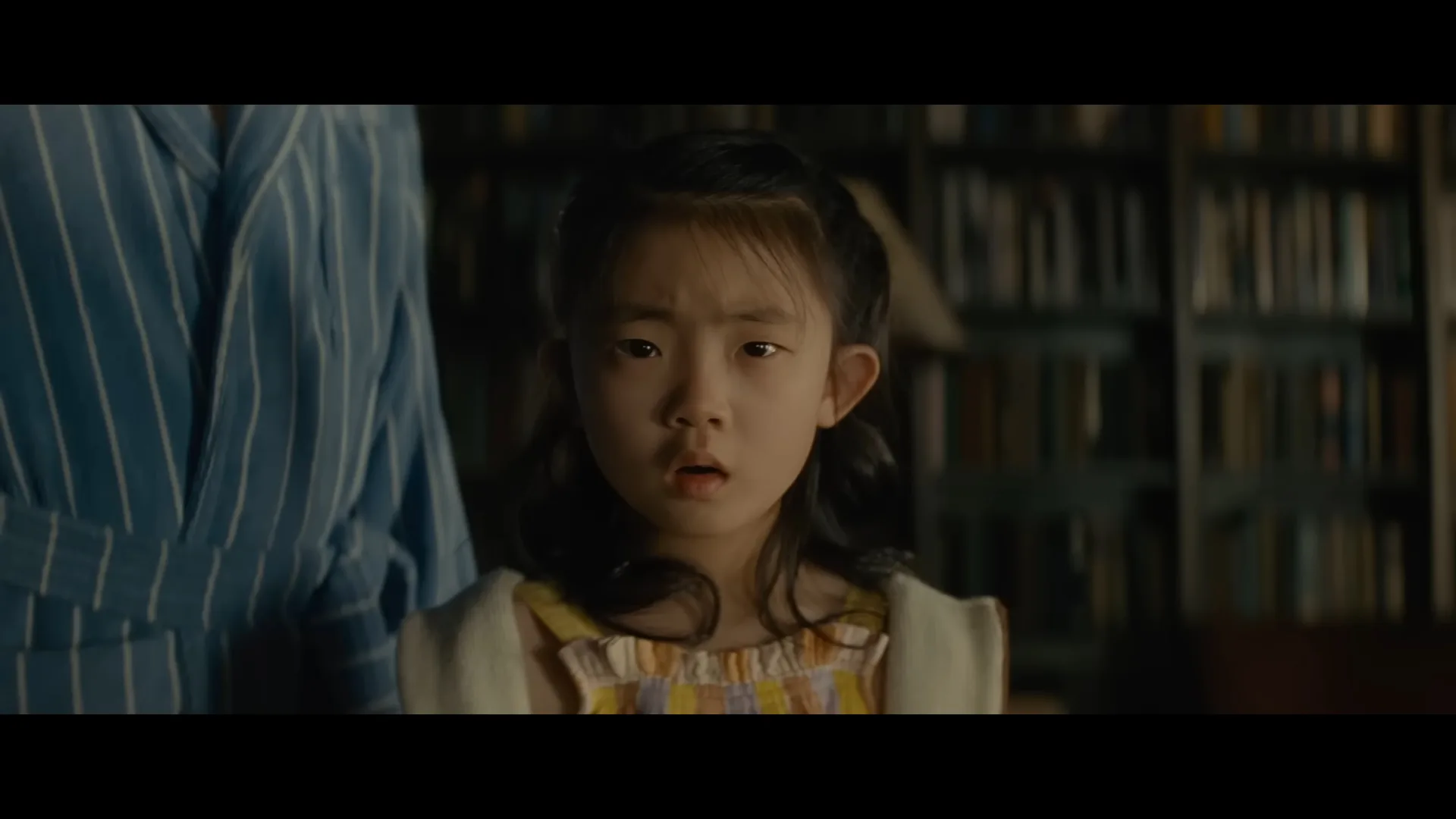
Does Eric’s Death Really Stop the Apocalypse?
Within the movie’s version of events, the answer is yes. Andrew and Wen eventually leave the cabin and reach a diner, where television reports reveal that the disasters Leonard predicted have suddenly begun to stop. The earthquakes have subsided, the mysterious pandemic is easing, and the unexplained aviation catastrophe has ended. Eric’s death and the reversal of the global crisis occur too closely together for the film to maintain the novel’s uncertainty.
That is one of Shyamalan’s biggest changes to Tremblay’s story. Throughout the movie, Andrew repeatedly constructs plausible explanations for what they are seeing. News footage might have been prepared in advance. The disasters could be real but unrelated. The four strangers may have found one another through an online conspiracy and convinced themselves that random global events were signs of an apocalypse.
For much of the story, those explanations remain possible. The ending deliberately takes them away. When Andrew and Wen encounter evidence that the disasters ended at the same time as Eric’s sacrifice, the film effectively confirms that Leonard and the others were telling the truth about the central choice.
Were Leonard and the Others Really the Four Horsemen?
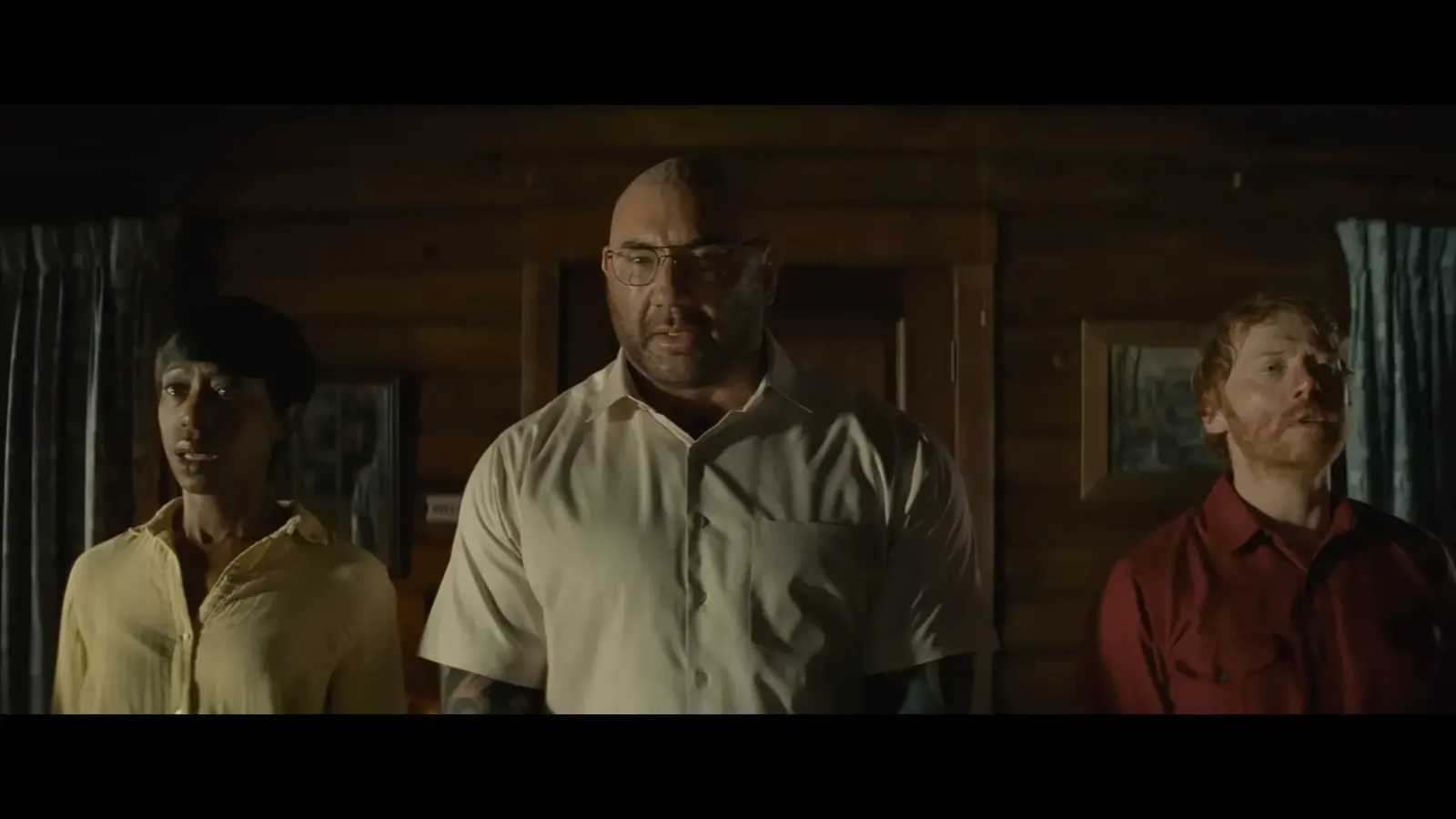
Eric believes that Leonard, Sabrina, Adriane, and Redmond represent the Four Horsemen of the Apocalypse, although the movie never provides a literal supernatural transformation confirming that interpretation.
His version of the symbolism is also different from the traditional biblical Horsemen of conquest, war, famine, and death. Eric associates the four strangers with aspects of humanity. Redmond represents malice, Adriane represents nurturing, Sabrina represents healing, and Leonard represents guidance.
Their ordinary occupations reinforce the idea. Leonard is a teacher who works with children, Sabrina is a nurse, and Adriane is a cook and mother. Even though they arrive carrying frightening homemade weapons and force an unbearable choice on the family, they are presented as ordinary people who have been given the same visions.
That distinction matters. Leonard never acts like someone excited by the end of the world. He is terrified of what he believes will happen. Dave Bautista plays him as a man who hates what he has been asked to do but believes refusing would condemn billions of people.
Eric’s Horsemen interpretation therefore turns the group into messengers rather than the actual cause of the apocalypse. They do not bring the disasters themselves. Their deaths mark each stage of the catastrophe while giving Andrew and Eric another opportunity to make their decision.
Was Redmond Really Rory O’Bannon?
Andrew is also proven correct about Redmond. He recognizes Rupert Grint’s character as Rory O’Bannon, the man who attacked him in a bar years earlier. Because Redmond initially denies knowing him, Andrew becomes convinced that the entire invasion may have been orchestrated as a hate crime.
That theory is understandable, particularly because Andrew’s past experiences have taught him to distrust people who claim they mean him no harm. Later evidence confirms that Redmond really is O’Bannon, meaning Andrew was not imagining the connection. What the revelation does not establish is that Redmond organized the entire plot.
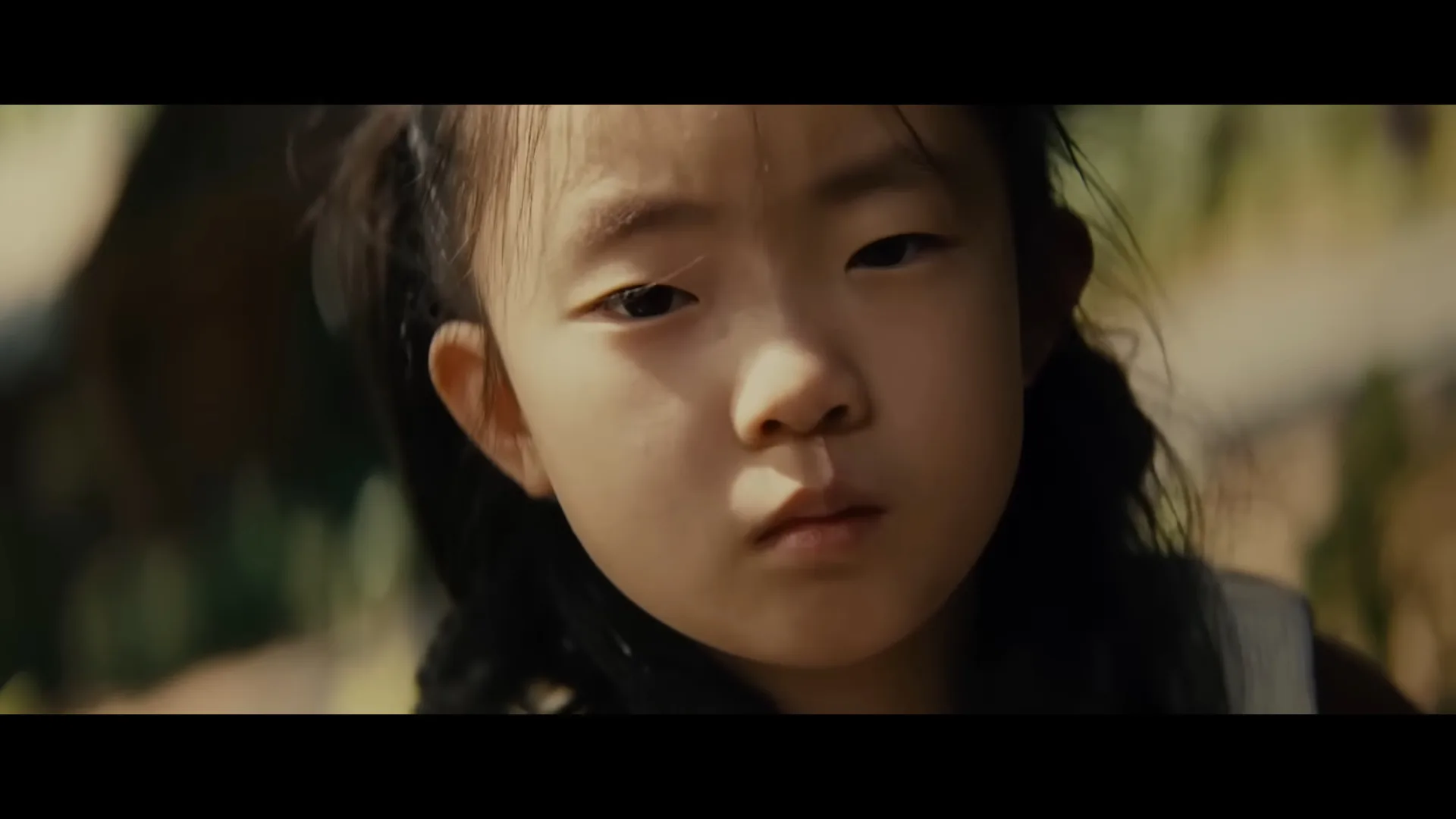
The other three strangers have evidence of their own lives and appear genuinely convinced by the visions that brought them together. Redmond’s history with Andrew instead functions as one more reason for Andrew to reject their story. The extraordinary coincidence makes the supernatural explanation look even more absurd until the ending confirms that the larger warning was genuine.
In other words, Andrew is right about Redmond but wrong about what Redmond’s presence means.
Why Was Andrew and Eric’s Family Chosen?
The movie never gives a simple divine explanation for why this particular family has to make the sacrifice. Eric develops his own answer instead.
He believes their family may have been chosen precisely because of the strength of their love. Andrew and Eric have already endured rejection, hostility, and discrimination to build a life together and raise Wen. Asking one of them to voluntarily give up that life makes the required sacrifice exceptionally meaningful.
Shyamalan described Knock at the Cabin as a kind of “jury movie,” designed to keep viewers repeatedly switching between belief and disbelief rather than waiting for one conventional twist. The impossible choice, rather than the mechanics of who selected the family, is the heart of the story.
Eric eventually stops needing every supernatural rule explained. He reaches the point where the possibility that Leonard is right matters more to him than the possibility that Leonard is wrong. With Wen’s entire future at stake, he cannot justify taking that gamble.
Andrew approaches the decision from the opposite direction, but his love for Eric eventually forces him to respect Eric’s choice.
What Does the Final “Boogie Shoes” Scene Mean?
After leaving the diner, Andrew and Wen hear “Boogie Shoes” by KC and the Sunshine Band playing in Leonard’s vehicle. The song carries a painful connection to Eric and to the family’s happier life before the cabin ordeal.
Neither Andrew nor Wen can initially decide whether they want to hear it. Their silent reaction captures what the ending leaves behind: humanity may have been saved, but their family has not simply returned to normal.
The song is not proof that Eric is somehow communicating with them from beyond the grave. The movie gives no definite supernatural explanation for why it is playing. More importantly, it functions as a memory.
Eric sacrificed himself because he imagined Andrew and Wen continuing to live. Their decision to drive away together while surrounded by reminders of him is the first difficult step toward exactly that future.
The ending is therefore hopeful and painful at the same time. Eric gets what he wanted for Wen, but Andrew and Wen now have to live with the cost of receiving it.
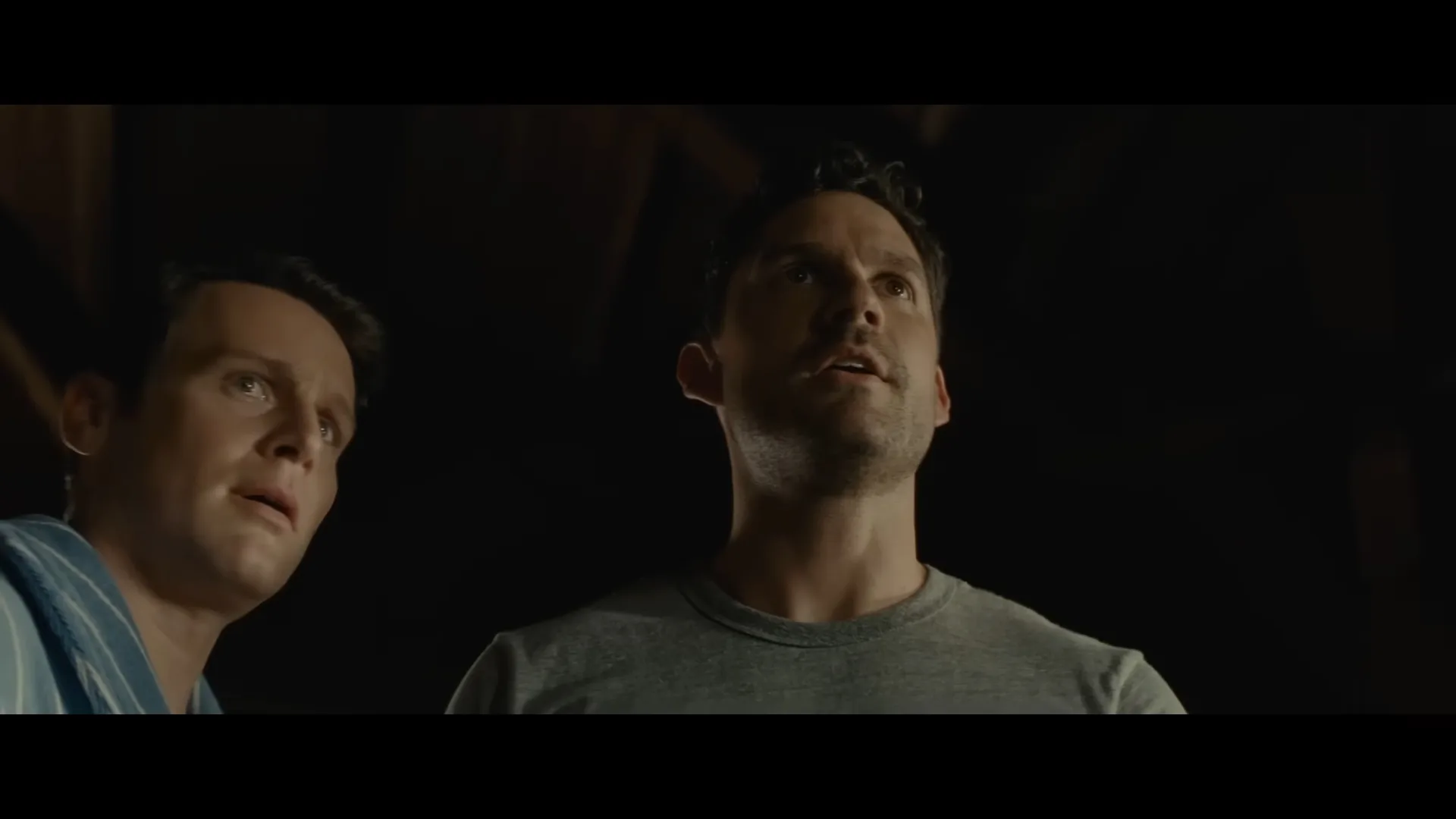
How Is the Movie Ending Different From the Book?
This is where Shyamalan makes his largest departure from The Cabin at the End of the World. In Tremblay’s novel, Wen is accidentally killed during a struggle involving the gun. Leonard then explains that her death does not satisfy the supernatural rules because the sacrifice has to be deliberately chosen. Eric and Andrew, devastated by the loss of their daughter, ultimately refuse to give the universe another member of their family.
They leave together with Wen’s body, while the novel deliberately refuses to confirm whether the apocalypse is actually occurring. The question becomes less important than their rejection of a demand they consider morally intolerable.
The movie completely reverses that approach. Wen survives, Eric willingly gives his life, and the apocalypse is effectively confirmed.
Shyamalan has explained that he was attracted to Tremblay’s premise but did not want to take the story in the same direction as the novel. The project initially came to him as something he might produce, but his strong feelings about how the latter part should unfold eventually helped convince him to direct his own version.
Interestingly, Tremblay has said he considers the movie’s conclusion “way darker” than his own. His novel allows Andrew and Eric to reject the cruel choice together, while the film confirms that a supernatural force really does demand Eric’s death before allowing the world to continue.
That difference gets to the heart of Shyamalan’s ending. Knock at the Cabin is ultimately not a story in which the frightened family discovers that the supposed apocalypse was an elaborate deception. The horrifying part is that Leonard was telling the truth. Eric saves the world, but the universe requires Andrew and Wen to carry the cost.