Why Was Joachim Posener Never Convicted? The Trustor Scandal Explained
Watching Joachim Posener speak openly in Netflix’s Inside the Trustor Scandal creates an obvious question. How can the man Swedish investigators regarded as the central figure in one of the country’s most notorious financial scandals appear on camera nearly three decades later without ever having been convicted for it? The answer is less dramatic than…
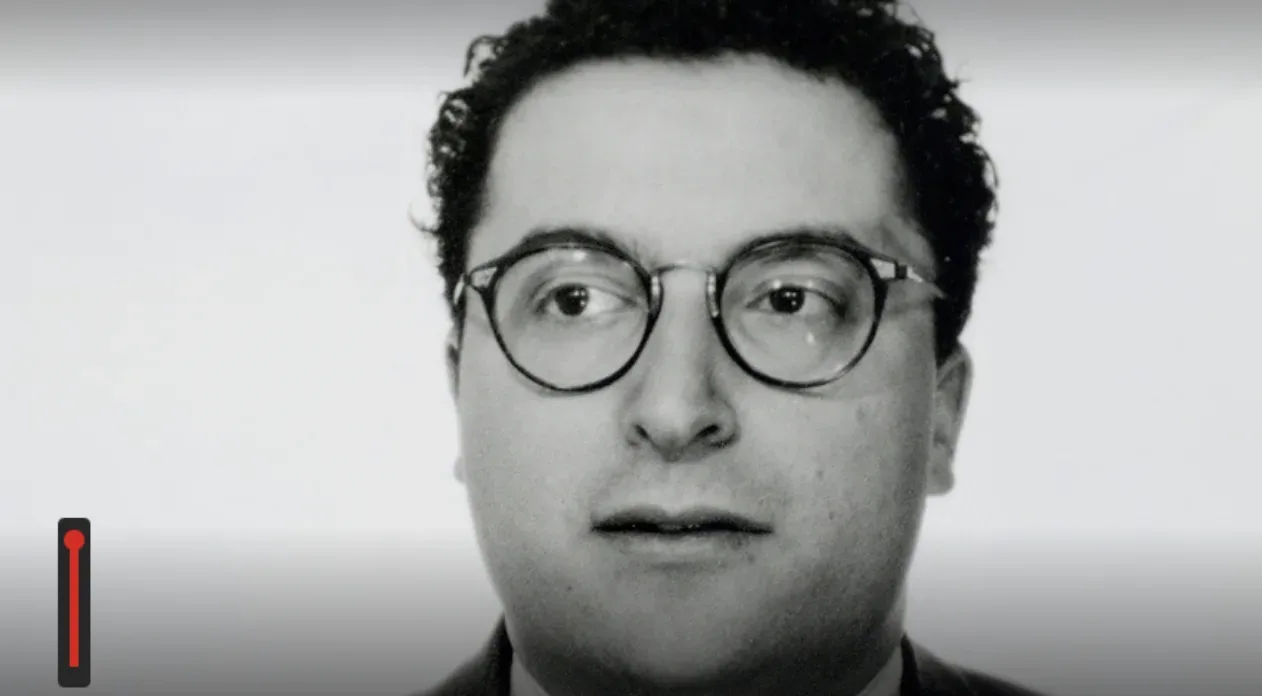
Watching Joachim Posener speak openly in Netflix’s Inside the Trustor Scandal creates an obvious question. How can the man Swedish investigators regarded as the central figure in one of the country’s most notorious financial scandals appear on camera nearly three decades later without ever having been convicted for it?
The answer is less dramatic than a courtroom acquittal, but considerably more frustrating. Posener was never convicted in the Trustor case because his alleged role was never finally tested in court. He was already outside Sweden when the scandal erupted, remained beyond investigators’ reach while internationally wanted, and in 2007 the principal criminal suspicions against him became time-barred. That is not the same thing as being found innocent.
Why Did Police Want Joachim Posener?
Swedish authorities suspected Posener of being a driving force behind the 1997 takeover of Trustor AB, an investment company whose own money was effectively used to finance the acquisition of control over it. More than 600 million Swedish kronor were moved from Trustor into accounts in London as the transaction unfolded.
Posener was not the public buyer. British aristocrat Jonathan Guinness, better known as Lord Moyne, acquired the controlling voting stake, while Thomas Jisander, Peter Mattsson and Lindsay Smallbone were among the other figures connected to the deal. Posener remained far less visible, which is part of what made his later emergence as investigators’ suspected architect so striking.
When the affair was exposed in late 1997, Posener was already abroad. Swedish authorities detained him in absentia and he became internationally wanted, but he chose not to return.
That decision ultimately shaped the entire legal story.
Posener Stayed Outside Sweden for a Decade
For roughly ten years, authorities failed to get Posener back into a Swedish courtroom over Trustor.
He describes that period differently in Netflix’s documentary, including time in South America and a life built around concealing his identity and location. SVT reports that he lived for a period in a Rio de Janeiro favela and later in European cities.
There was also a powerful personal reason for avoiding another criminal trial. Posener had already been convicted in a separate Danish financial-crime case years before Trustor. SVT reports that he received a six-year sentence in 1994 for extensive economic crimes involving Danish companies. That conviction should not be confused with Trustor, for which he was never convicted.
In the Netflix documentary, Posener effectively acknowledges that avoiding another prison term mattered enormously to him. But staying abroad did more than postpone a reckoning. Eventually, the clock ran out.
What Happened in 2007?
The criminal suspicions connected to the original Trustor affair became barred by the statute of limitations in 2007 before Posener’s alleged role was adjudicated.
SVT’s current account is particularly careful about this distinction: the suspicions expired “without his role having been tried in court.”
That matters because “never convicted” can easily sound like “acquitted.” Posener received no such verdict on the central Trustor allegations.
An acquittal means a court considered the prosecution and did not convict. In Posener’s situation, the main criminal case simply never reached that final judicial determination before the relevant limitation period expired.
Once that happened, Swedish authorities could no longer prosecute him for those original time-barred offenses.
The Civil Case Was a Different Matter
The end of criminal exposure did not automatically erase financial claims arising from the Trustor affair.
In 2007, Posener and Trustor reached a settlement in a civil dispute. SVT reported that Posener agreed to pay 1.5 million SEK. An earlier district court judgment had required him to pay 125 million SEK, but that judgment had been appealed before the eventual settlement.
A civil settlement is not a criminal conviction.
It also does not establish criminal guilt simply because money changes hands. The agreement resolved the financial dispute between Posener and Trustor under its terms rather than producing the criminal verdict that had eluded investigators.
That distinction is especially important with a documentary like Inside the Trustor Scandal, where participants give competing accounts of events nearly 30 years later.
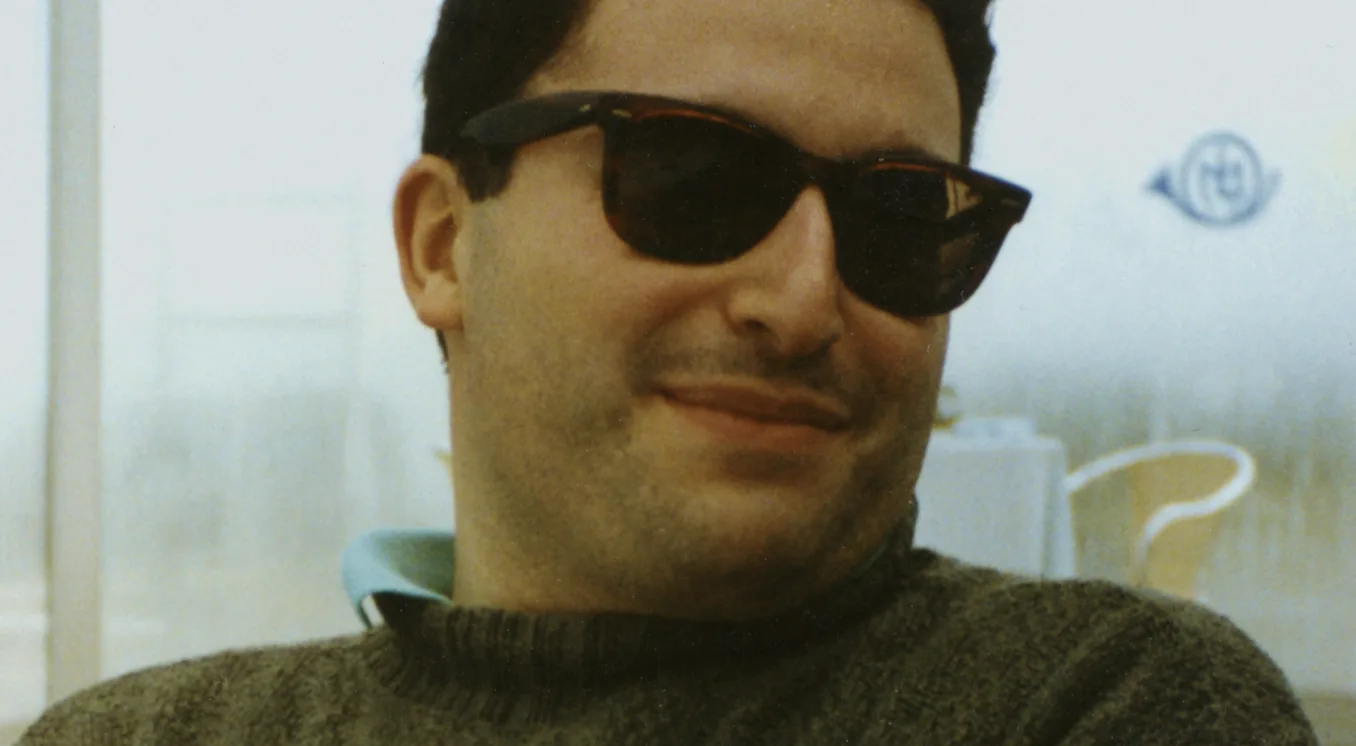
Other Trustor Defendants Did Reach Court
Posener’s absence also complicated the cases against people who remained within reach of Swedish courts.
Thomas Jisander and Peter Mattsson were initially convicted in district court and sentenced to five and three years respectively. In 2002, however, the Svea Court of Appeal acquitted both. Contemporary reporting noted that the appellate court regarded the inability to question Posener as a significant weakness in the case.
Jisander was later convicted in a separate Trustor-related proceeding involving about 20 million SEK transferred to foundations in Liechtenstein, receiving an 18-month prison sentence. Affärsvärlden describes him as the figure who was ultimately convicted over that later Trustor-related embezzlement case.
Lord Moyne, meanwhile, was acquitted. The legal aftermath was therefore much less straightforward than the image of a single gang collectively convicted for one giant corporate theft.
Why Can Posener Speak Publicly Today?
For the original Trustor allegations, there is no remaining criminal case waiting to put Posener on trial.
After the principal Trustor suspicions became time-barred in 2007, another remaining suspicion concerning alleged dishonesty toward creditors lingered into 2009. After Posener met Swedish police and prosecutors at the Swedish embassy in Brussels, that final suspicion was dropped as well.
That is why Netflix can now place Posener at the center of Inside the Trustor Scandal as a participant rather than presenting him as a fugitive awaiting trial. Netflix itself describes the documentary as a return by key insiders to the illegal Trustor takeover and its aftermath.
But there is a legal distinction worth preserving when discussing him. Posener was never convicted for the Trustor affair, but neither was his alleged role cleared by a criminal trial.
For years, Swedish investigators wanted the chance to test that case in court. They never got it. By the time Posener was prepared to step back into public view, the most important legal deadline had already passed.