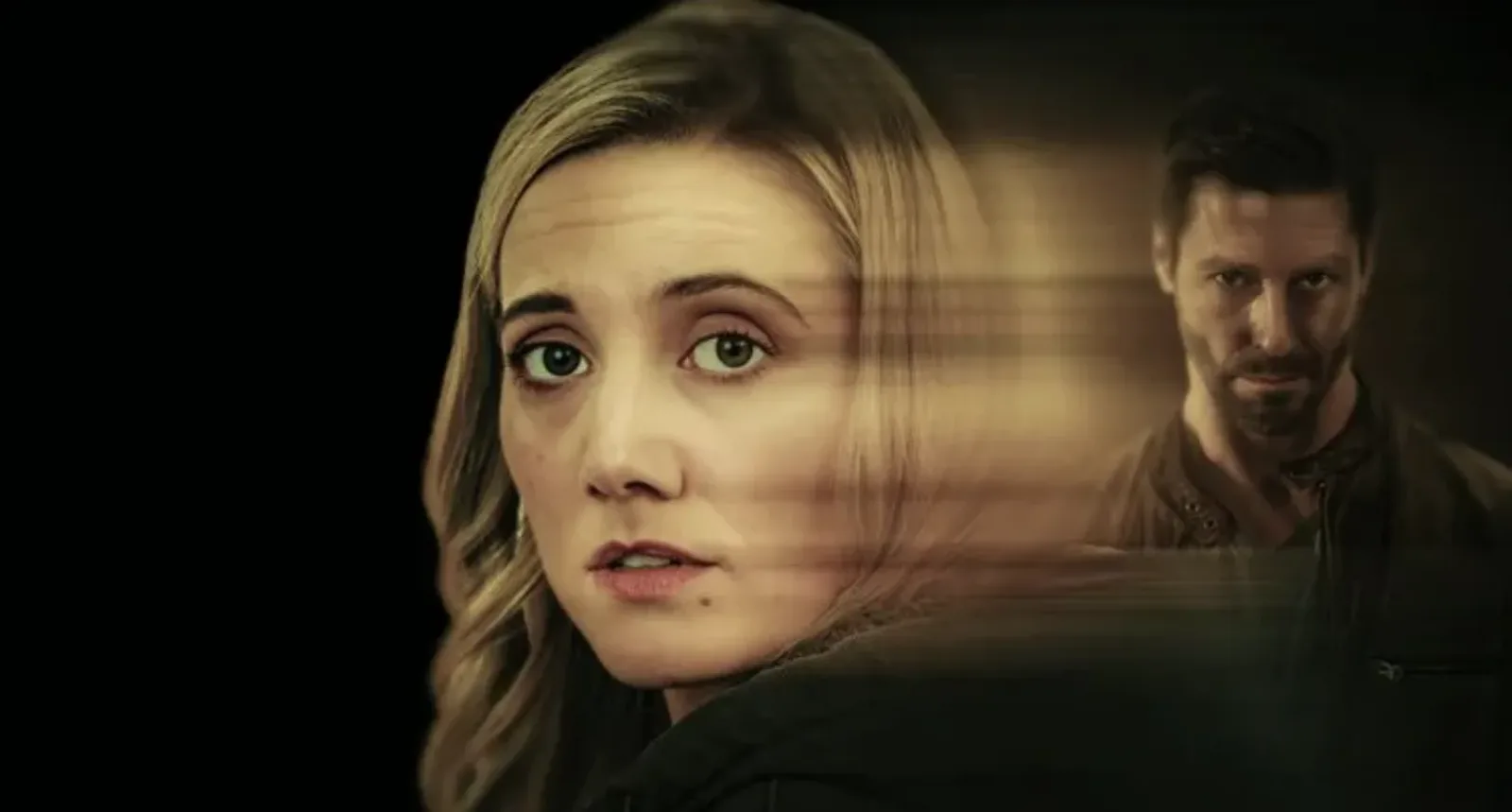
Is the world in ‘Myth of Man’ real, or is it a simulation?
Myth of Man frames Ella's world as a liminal space between life and death, not a simulation. Here is what the confirmed sources say about the film's.
Spoiler note: this piece discusses the nature of the world Ella moves through, which the film treats as a deliberate open question.
The world depicted in Myth of Man (2025) is not presented as a technological simulation. Writer-director Jamin Winans frames the environment Ella (Laura Rauch) crosses as a liminal space between life and death, a realm the film approaches through spiritual allegory rather than computer-science metaphor. That does not make it “real” in a conventional sense. It makes it something harder to categorize, and that difficulty is intentional.
A liminal world, not a digital one
Double Edge Films, the production company Winans runs with his wife and producer Kiowa Winans, describes the plot as Ella embarking on “a whimsical odyssey between life and death, convinced she has received a message from her creator.” The language is precise: she moves between two states of being, not inside a computational system. The themes the studio and published critical response consistently identify are love, mortality, existence, and faith. None of the official materials available from the studio or major streaming platforms reference a program, a server, or a virtual architecture.
The film had a limited theatrical release on January 24, 2025, followed by wider digital availability on platforms including Amazon, Apple TV, and Fandango at Home. It was shot in Kentucky and Hungary over nearly a decade of production. Winans served as writer, director, cinematographer, composer, and co-visual effects artist. He and Kiowa hand-built props and costumes and created approximately 3,500 visual effects shots themselves, partly funding the production by selling their Colorado home.
Why the simulation reading keeps circulating
Because Myth of Man carries no spoken dialogue at all, there is no moment where a character explains what the world is or how it works. Winans has described the film as one that “unfolds without a single word of dialogue.” That structural choice turns every visual detail into an interpretive question. Viewers who ask whether the world is a simulation are working inside a deliberate explanatory gap that the film never closes.
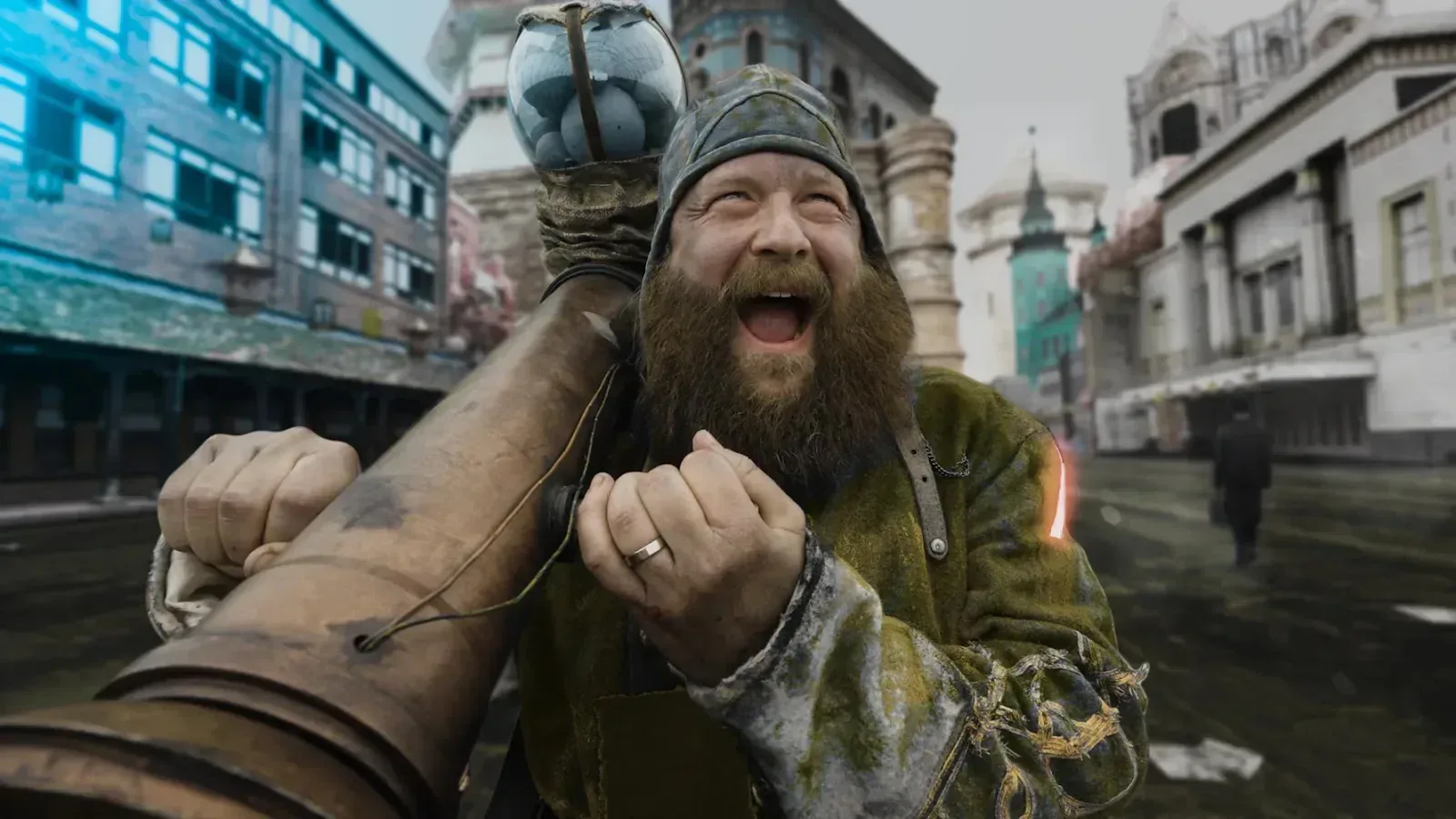
The steampunk and cyberpunk-adjacent aesthetic that Letterboxd reviews have noted draws on a visual tradition associated with physically constructed impossible worlds rather than digitally generated ones. Letterboxd reviews have also compared the film to the work of Terry Gilliam and Jean-Pierre Jeunet, filmmakers who build environments from material, mechanism, and industrial texture. The Bioshock comparison that appears in Letterboxd audience reviews reinforces this reading: the Bioshock games are set in Rapture, a city built through human ideology and labor, not a simulation rendered by machine. Myth of Man keeps that creative company, not the company of The Matrix.
The creator at the center
Ella believes she has received a message from her creator. The identity and nature of that creator is the film’s central unanswered question. She encounters at least two other figures on her journey: Seeg (Anthony Nuccio) and The Prophet (Jason Stoval). Because the film has no dialogue, their relationship to the creation question must be read from action and image alone.
The word “creator” is carrying the film’s interpretive weight. A simulation requires a programmer running a computational model. A creation myth requires a maker who brought something into genuine existence. The themes the film orbits, including faith, mortality, and existential questioning, favor the second framing over the first. The official description from the studio uses “creator” in the context of faith and love, not engineering.
What Winans’ earlier films suggest
Ink (2009), the feature Winans made before Myth of Man, is described in his Wikipedia biography as being about a father trying to save his comatose daughter. The Frame (2014) also appears in Winans’ filmography. Neither film, based on what the Wikipedia overview of his career records, is framed as a computer simulation story.
Myth of Man holds to that same creative register. A film that asks what it means to be made by a creator was built entirely by a filmmaker who personally assembled every visible thing in it: the sets, the props, the costumes, the score, the visual effects. That production history is relevant context for the creation theme the story explores.
What the film actually settles
Myth of Man does not state outright what its world is. What is confirmed from official materials, production history, and critical response is this: Ella crosses a space between life and death in search of whoever made her. The film treats that space as real in the sense that matters to the story, meaning that what Ella does there carries moral and spiritual consequence.
The simulation hypothesis and the theological creation story it echoes share a question: who made this, and what does that making ask of the thing that was made? Myth of Man enters that territory from the spiritual side. Its world is not code. The film builds a steampunk landscape, puts a woman inside it, and asks her to find the person she believes she owes something to. Whether that makes the world real depends on what you decide to call the thing between life and death.