Is Mayday Based on a True Story? The Cold War Inspiration Explained
With Soviet agents, secret military missions and an American fighter pilot stranded behind enemy lines, Mayday has the setup of a story pulled from a forgotten chapter of Cold War history. The Apple TV action comedy stars Ryan Reynolds as Lieutenant Troy “Assassin” Kelly, a U.S. Navy pilot whose covert mission into Soviet territory goes…
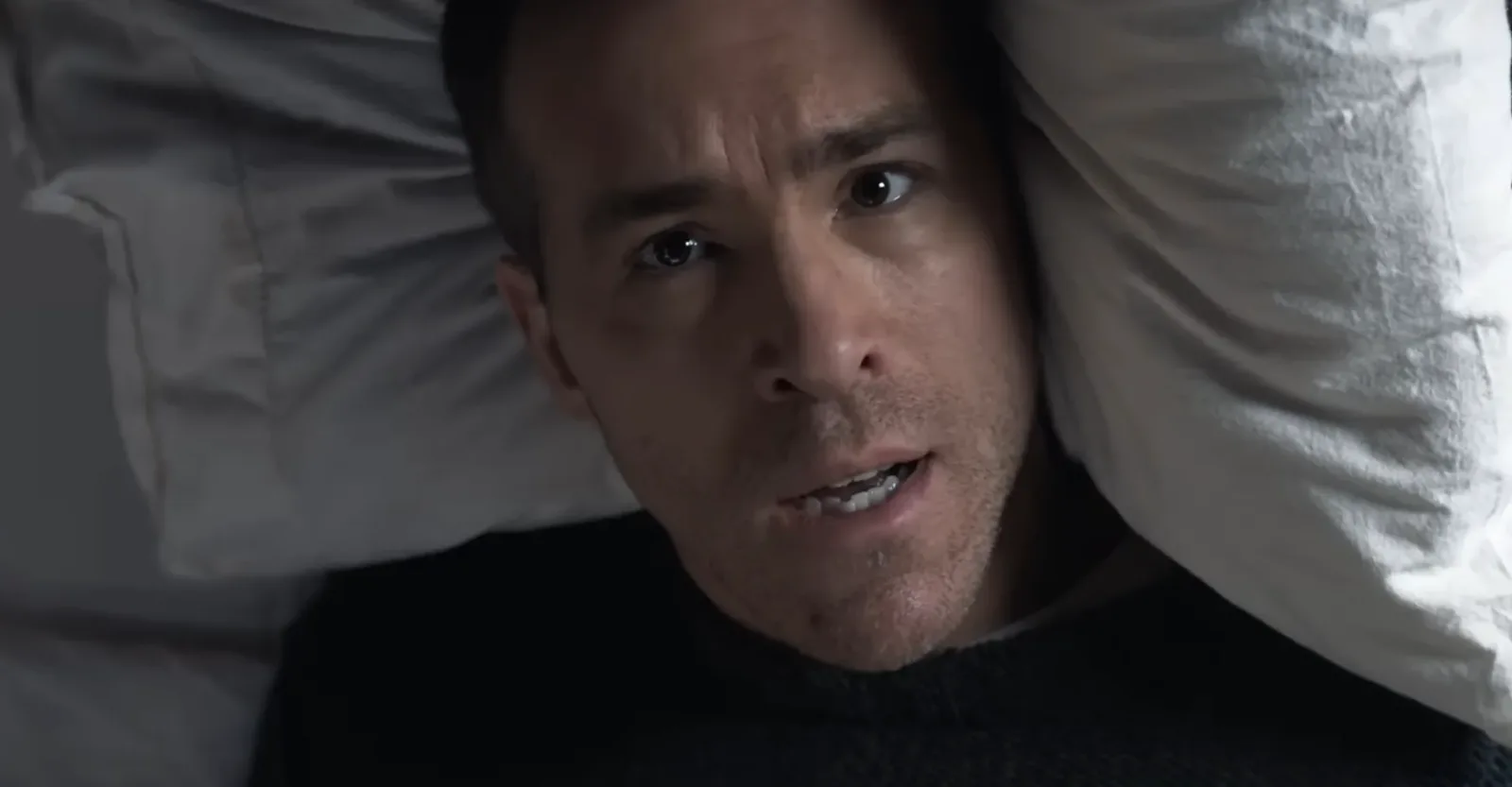
With Soviet agents, secret military missions and an American fighter pilot stranded behind enemy lines, Mayday has the setup of a story pulled from a forgotten chapter of Cold War history. The Apple TV action comedy stars Ryan Reynolds as Lieutenant Troy “Assassin” Kelly, a U.S. Navy pilot whose covert mission into Soviet territory goes disastrously wrong. Kenneth Branagh plays Nikolai Ustinov, the former KGB operative who unexpectedly becomes his best chance of getting home.
But despite its historical setting and military detail, Mayday is not based on a true story. Troy Kelly and Nikolai Ustinov were created for the film, and their unlikely adventure is fictional. What is real is the world surrounding them. Writers and directors John Francis Daley and Jonathan Goldstein deliberately placed the story in 1987 and researched Cold War military history while developing their action comedy.
Related: Mayday Ending Explained: Do Troy and Nikolai Escape Russia?
Mayday Is an Original Fictional Story
There is no real-life U.S. Navy pilot named Troy “Assassin” Kelly whose mission into the Soviet Union unfolded the way it does in Mayday. Likewise, Kenneth Branagh’s Nikolai Ustinov is not presented as a dramatization of a particular former KGB officer.
The movie instead began with an original idea from Daley and Goldstein while they were finishing work on Dungeons & Dragons: Honor Among Thieves.
Daley has explained that they were interested in putting a comedic spin on the kind of relationship seen in Misery. Their idea evolved into a Soviet character who is fascinated by America and has obsessively watched a bootleg copy of Top Gun. Making that person part of the supposed enemy eventually led them toward the Cold War setting.
That premise became Nikolai, while Troy represents almost the opposite perspective. He is the confident American Navy pilot who suddenly finds himself dependent on a man he has been conditioned to see as an enemy.
Why Is Mayday Set in 1987?
The year is important. Mayday takes place in 1987, during the final years of the Cold War, when the United States and Soviet Union remained geopolitical rivals even as relations between their governments were beginning to change.
Ronald Reagan was the U.S. president, while Mikhail Gorbachev led the Soviet Union. In December 1987, the two leaders signed the Intermediate-Range Nuclear Forces Treaty, or INF Treaty, an important arms-control agreement that required both countries to eliminate an entire category of nuclear missiles.
Mayday does not recreate those negotiations or tell a story about Reagan and Gorbachev. The historical period instead gives the fictional relationship between Troy and Nikolai greater weight. In their respective worlds, the two men are supposed to be enemies before they ever meet.
That makes their developing friendship part of the movie’s larger joke about patriotism, stereotypes and what happens when individuals actually encounter the people they have been taught to distrust.
Top Gun Was One of Mayday’s Biggest Inspirations
There is another reason 1987 works particularly well: Top Gun had arrived just one year earlier.
Daley and Goldstein have openly discussed the influence of the 1986 Tom Cruise blockbuster on Mayday. Goldstein said the success of Top Gun: Maverick also helped spark their thinking about the iconic image of the heroic American Navy pilot.
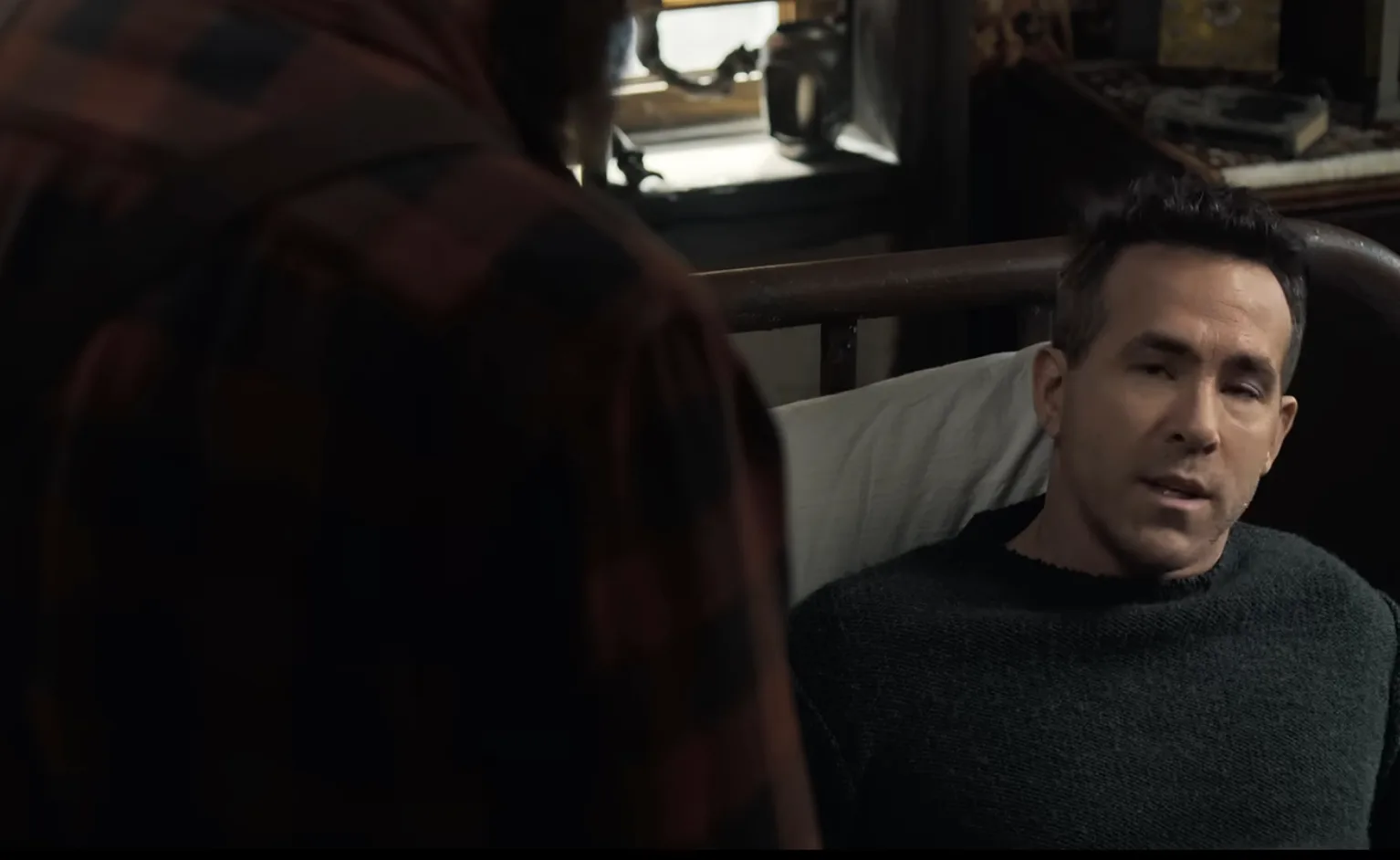
Instead of simply parodying Top Gun, Mayday uses its cultural influence as part of the story.
Nikolai is fascinated with American popular culture, and Top Gun becomes particularly important to him. That creates an amusing reversal. Troy actually belongs to the glamorous world of American naval aviation that Nikolai has been admiring from thousands of miles away. The connection is so intentional that the filmmakers obtained permission to use footage from Top Gun in Mayday.
How Much of the Military Story Is Realistic?
Although Troy’s mission is fictional, the filmmakers did not completely invent the military world around him.
Daley and Goldstein researched U.S. naval aviation while preparing the movie. They spoke with people familiar with military aircraft, including SR-71 Blackbird pilots, and spent time aboard a U.S. Navy aircraft carrier.
That research helped them build a believable framework around a deliberately exaggerated buddy adventure.
Mayday also uses practical aerial photography rather than treating its fighter sequences entirely as computer-generated spectacle. The filmmakers have said the aviation sequences were approached with realism in mind, even though the larger story is an action comedy.
So viewers may recognize authentic aircraft terminology, procedures and Cold War details. Those elements should not be mistaken for evidence that Troy’s particular mission really happened.
Are Troy Kelly and Nikolai Ustinov Real People?
No. Troy Kelly and Nikolai Ustinov are fictional characters. Ryan Reynolds’ Troy is essentially built around the mythology of the elite 1980s American fighter pilot. He has the confidence and reputation associated with the Top Gun image, only for the movie to drop him into circumstances where that swagger is no longer enough.
Nikolai is similarly constructed around the film’s central idea rather than a historical KGB figure. He is a former Soviet intelligence officer who has developed a fascination with the country he was once supposed to oppose.
Bringing those two fictional men together allows Mayday to play with something very real: the enormous cultural and ideological divide that existed between the United States and Soviet Union.
That distinction is ultimately the key to understanding the movie. Mayday is not the adaptation of a secret Cold War rescue mission or the biography of a real pilot. It is an original action comedy that borrows the politics, military machinery and pop culture of 1987 to make its fictional adventure feel surprisingly plausible.