Is Inside the Circle (El circulo) Based on a True Story? The Real-Life Inspiration Behind Los Corruptores
Netflix’s Mexican political thriller “Inside the Circle,” originally titled “El circulo,” follows four childhood friends whose lives become entangled in a national scandal after a journalist shares a video involving a prominent actress and a powerful government official. Tomas, Amelia, Jaime, and Mario have spent decades trusting one another, but their professional connections place them…
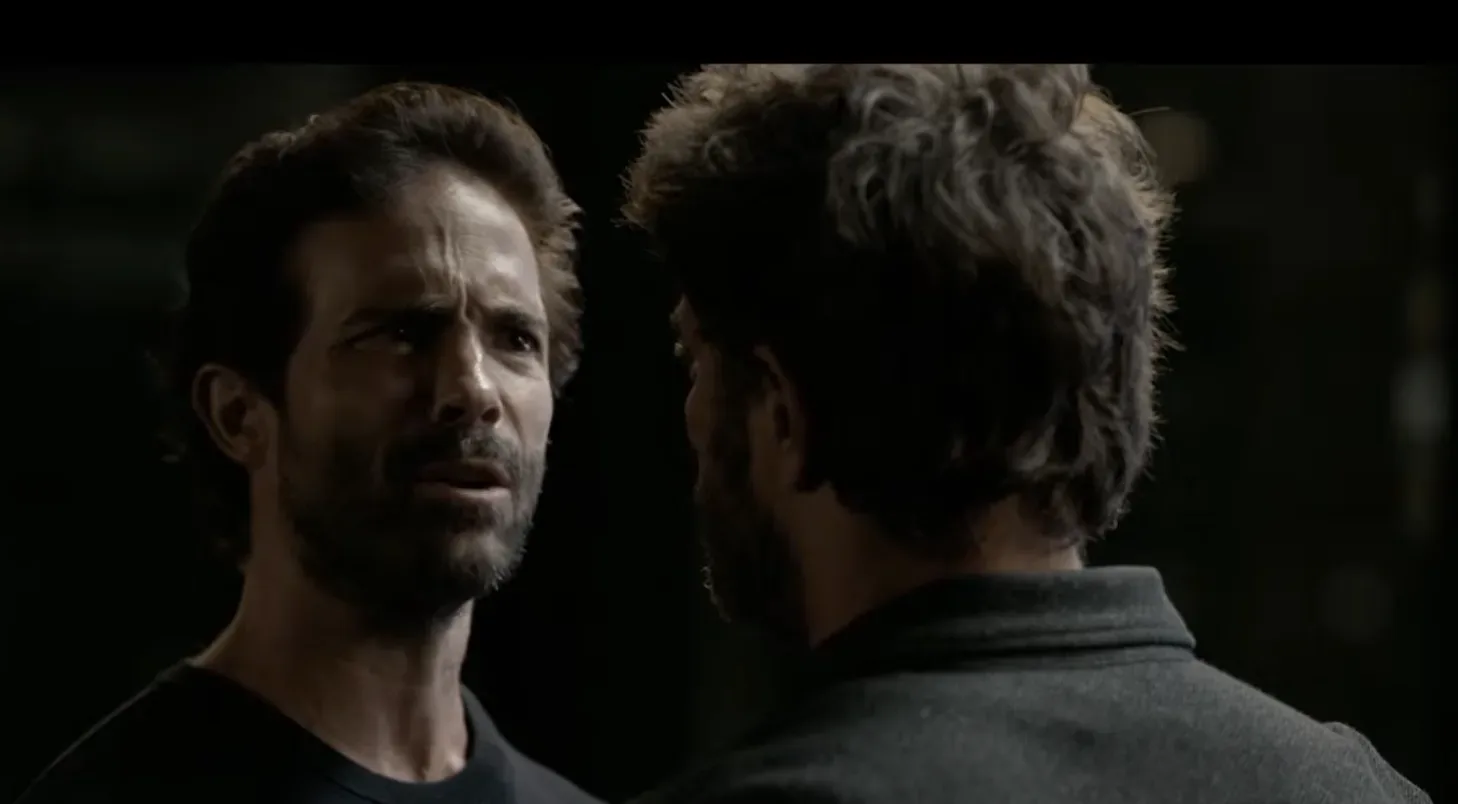
Netflix’s Mexican political thriller “Inside the Circle,” originally titled “El circulo,” follows four childhood friends whose lives become entangled in a national scandal after a journalist shares a video involving a prominent actress and a powerful government official. Tomas, Amelia, Jaime, and Mario have spent decades trusting one another, but their professional connections place them on different sides of an increasingly complicated investigation. Created by Alejandro Lozano, the eight-episode series draws its story from “Los corruptores,” the 2013 novel by Mexican journalist and author Jorge Zepeda Patterson. Although the characters and central mystery are fictional, the political world surrounding them has a much closer relationship with reality than viewers might initially expect.
Inside the Circle Is Inspired by Real Political Experiences
“Inside the Circle” is not a direct adaptation of one documented incident, and there is no established real-life case involving Pamela Dosantos that serves as the basis for the series. However, the original novel was shaped by Jorge Zepeda Patterson’s extensive experience covering Mexican politics and working in senior editorial positions. During more than two decades in journalism, he became familiar with the relationships between government officials, business interests, media organizations, and other influential institutions. Much of that experience eventually found its way into the fictional political environment of “Los corruptores.”
Also Read: Will There Be an Inside the Circle Season 2 on Netflix?
In a 2013 interview with Culturamas, Patterson explained that journalism had exposed him to situations he could not necessarily publish because he lacked the documentary evidence required to substantiate them. Writing fiction allowed him to explore those experiences through invented characters and situations without presenting unverified allegations as established facts. He was particularly interested in the informal rules governing political relationships and the ways different centers of influence interact behind public institutions. Consequently, the novel’s authenticity comes less from recreating one scandal than from drawing on the author’s understanding of how political influence can operate.
Also Read: Inside the Circle Ending Explained: Jaime’s Secret, Pamela Dosantos and Commander Lara
Los Corruptores Was Influenced by Mexico’s Political Climate
Published in 2013, “Los corruptores” emerged during a significant period in modern Mexican politics. The Institutional Revolutionary Party, commonly known as the PRI, had returned to the presidency in 2012 after spending 12 years outside the country’s highest office. Patterson was interested in what that political transition meant for Mexico and whether the change represented a return to familiar governing practices. He placed his novel in a recognizable political environment while using fictional officials to explore the tensions surrounding power, public accountability, and institutional relationships.

That historical setting matters because the novel was written as a contemporary political thriller rather than a distant historical drama. Patterson wanted readers to recognize the atmosphere surrounding the characters, even when their individual stories were invented. In interviews published around the book’s release, he discussed using his reporting background to examine political practices that conventional journalism could not always explore in narrative detail. The resulting story combines an invented investigation with observations drawn from the author’s professional experience.
Is Tomas Based on Jorge Zepeda Patterson?
Tomas, the journalist whose reporting sets the story in motion, has some similarities to the man who created him. Both work in journalism, understand the political establishment, and recognize the complicated relationship between reporters and their sources. Patterson acknowledged that certain aspects of Tomas came from his own experiences, particularly his familiarity with newsroom culture and the professional challenges journalists face. However, he also emphasized that Tomas was a fictional creation rather than a direct representation of himself.
The distinction is important because Tomas’ personal relationships and decisions are essential to the thriller’s invented narrative. His friendship with Amelia, Jaime, and Mario creates conflicts that would not necessarily arise in an autobiographical account. Patterson drew on his knowledge of journalists and their working environments to make Tomas convincing, but he did not suggest that the character’s entire journey had happened to him. The same principle applies to the other members of the group, whose personalities and professional lives allow the story to examine different aspects of Mexican society.
Is General Salazar Based on a Real Politician?
General Salazar is one of the clearest examples of how “Inside the Circle” uses fictional characters to explore recognizable political structures. In the original novel, Augusto Salazar serves as the secretary of the interior, while the Netflix adaptation presents him as a senior defense official. His influence over political decisions and his connections to powerful individuals make him central to the investigation surrounding Pamela. Nevertheless, he should not be understood as a literal portrayal of a particular Mexican politician.
Patterson discussed the character’s origins in a 2013 interview with the Mexican publication ZETA, explaining that Salazar combined elements associated with different political figures. The discussion identified Miguel Angel Osorio Chong and Luis Videgaray, who held important government positions during that period, as points of reference for the fictional character. This does not mean either man was involved in the fictional activities attributed to Salazar. Rather, Patterson was drawing from the political environment he knew while constructing an antagonist with an independent fictional identity.
Was Pamela Dosantos a Real Actress?
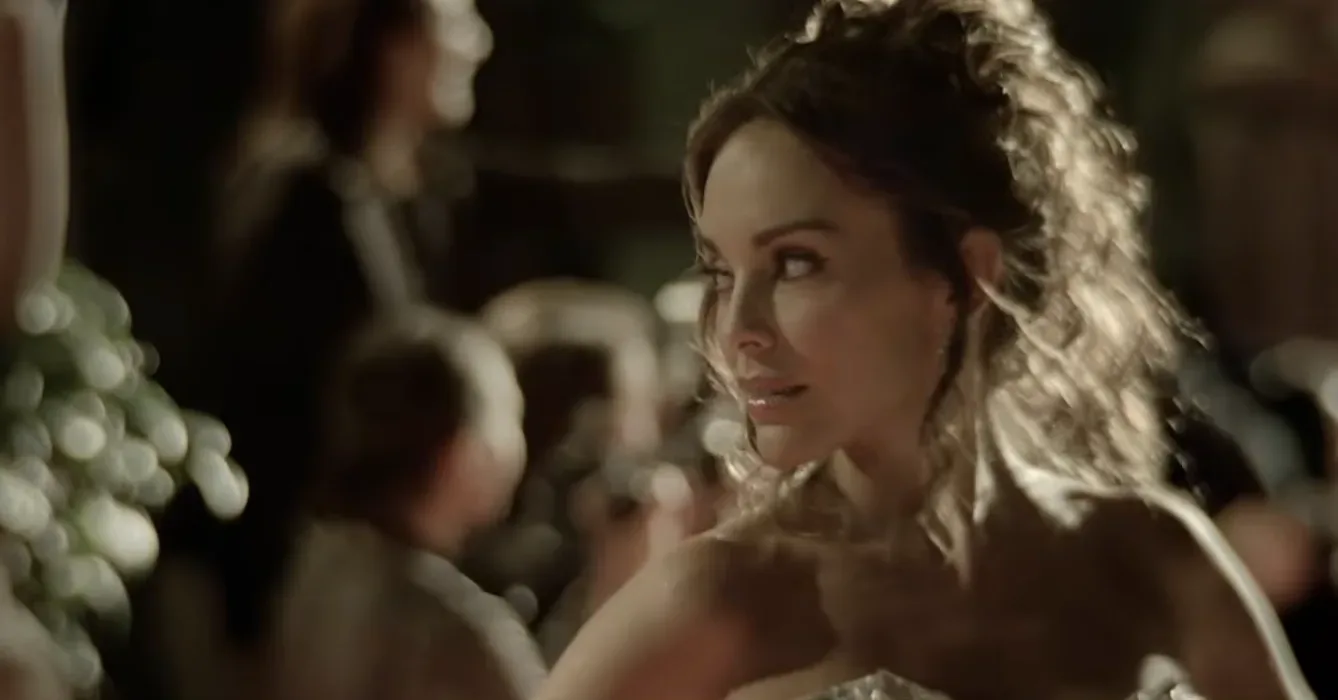
Pamela Dosantos is a fictional actress whose connection to influential political figures provides the starting point for the story. Her final known movements become a major controversy after Tomas shares a video that raises questions about General Salazar. As the investigation develops, Pamela’s private recordings reveal connections extending far beyond the entertainment industry. Her character allows the story to explore how celebrity, personal relationships, and political influence can intersect.
There is no verified evidence that Pamela was modeled on one particular actress or that the events surrounding her were taken directly from a specific public case. Patterson’s broader approach to the novel involved combining recognizable social realities with fictional personalities and dramatic situations. Pamela’s importance lies in the information she possesses and the consequences of that information becoming public. Her story functions as the catalyst that exposes the complicated relationships among the novel’s political, financial, and personal networks.
Some Events in Los Corruptores Came From Reality
One of the most interesting aspects of Patterson’s original novel is that its fictional characters sometimes encounter situations inspired by actual events. In his interview with ZETA, the author explained that certain incidents in the book originated from experiences or accounts he had encountered during his journalistic career. Names, locations, and circumstances were changed, allowing those situations to become part of a fictional narrative rather than a documentary account. He also described an example involving a fictional governor whose storyline incorporated an incident associated with a different real-life official.
This approach explains why “Inside the Circle” can feel unusually grounded despite its elaborate conspiracy. The story does not require every event to have a direct historical counterpart, because its broader environment is informed by the author’s professional observations. Patterson was interested in the behavior of powerful individuals, the pressures placed on journalists, and the ways institutions can protect their interests. By building fictional relationships around those subjects, he created a thriller that could address political questions without claiming to document a specific conspiracy.
How Netflix Adapts the Original Novel
The Netflix adaptation retains the central premise of four lifelong friends becoming involved in a political scandal, but it presents the story for a contemporary television audience. The original book was closely connected to Mexico’s political circumstances in 2013, whereas the series takes place in a more modern environment shaped by digital communication and the rapid spread of information. Tomas’ video becomes especially important because a single piece of footage can draw national attention before the people involved have an opportunity to control the public narrative. That emphasis helps the story remain recognizable to viewers who may know little about the historical context of the original novel.
The adaptation also gives considerable attention to the personal relationships within the group. Amelia’s political ambitions, Jaime’s involvement in private intelligence, Mario’s family life, and Tomas’ journalistic responsibilities all become sources of conflict as the investigation develops. These differences in professional and personal circumstances make the friends vulnerable to pressures that extend beyond the Pamela scandal. Ultimately, the series preserves the novel’s central concern with the relationship between loyalty and power while presenting it through a contemporary mystery.
The real-life inspiration behind “Inside the Circle” therefore lies primarily in Jorge Zepeda Patterson’s career and his observations of Mexican political life, not in a single incident involving four friends and an actress. His original novel transforms those experiences into a fictional story about the difficulty of separating personal loyalty from professional responsibility. That combination of recognizable political circumstances and invented characters is what gives the Netflix thriller its sense of realism. Viewers are watching a work of fiction, but one whose author spent years observing the kind of world it portrays.