Is Carrie Based on a True Story? The Real Girls Who Inspired Carrie White
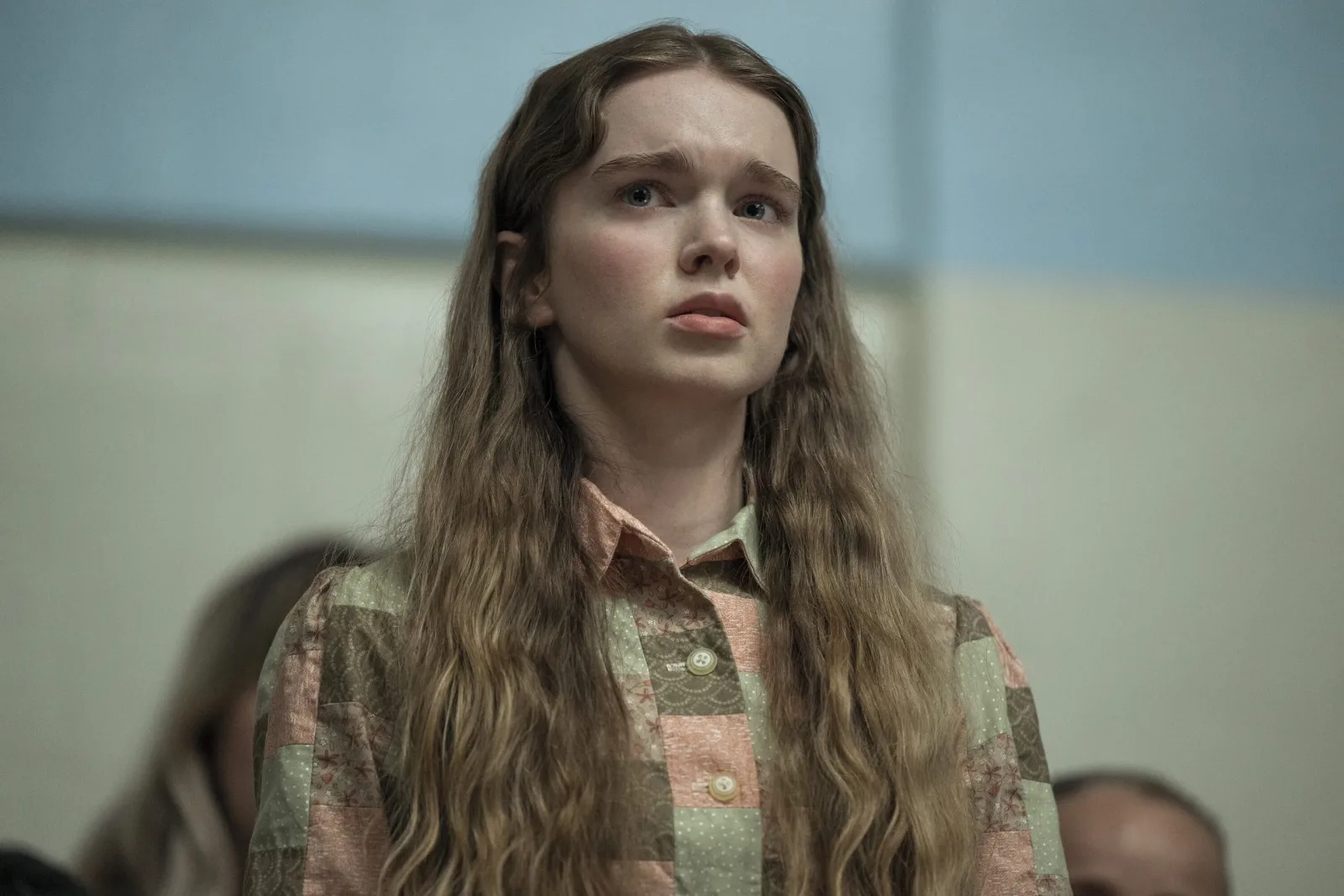
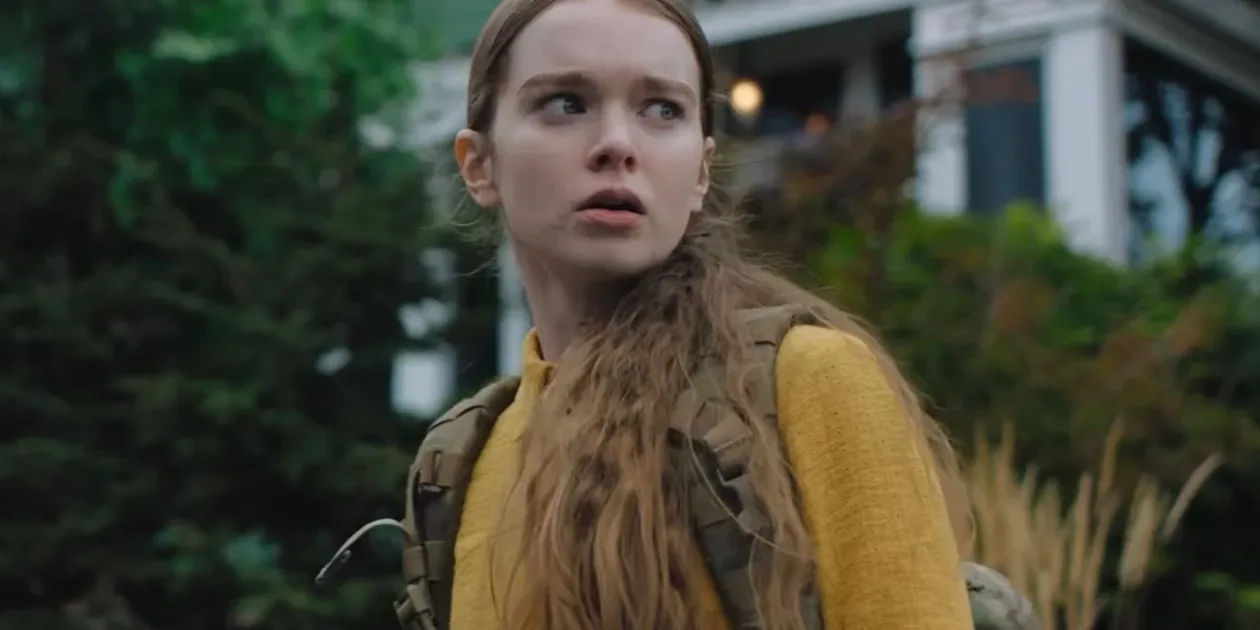
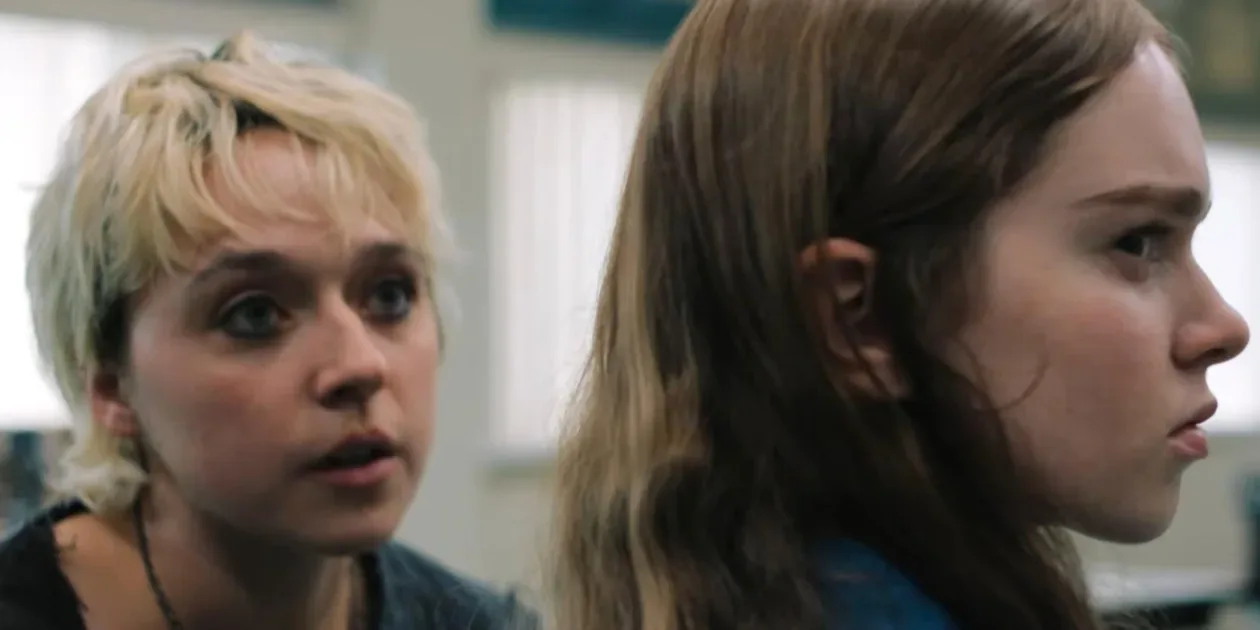
Mike Flanagan’s “Carrie” brings Stephen King’s most famous teenage outsider into a world of smartphones, viral humiliation and social media, but the emotional foundation of the story predates both the Prime Video series and Brian De Palma’s celebrated 1976 film. Summer H. Howell’s Carrie White remains a fictional teenager with an impossible ability, and there…
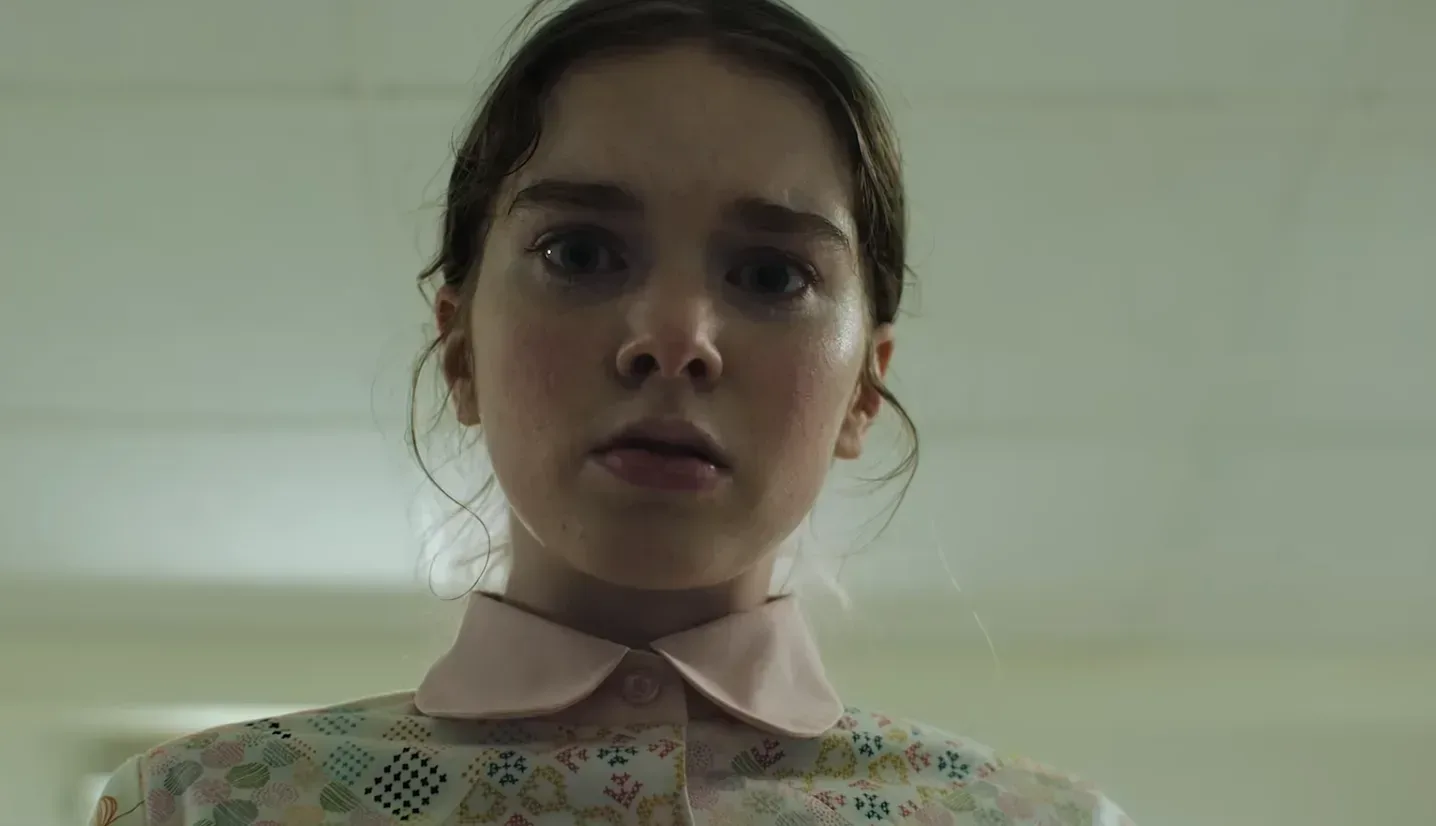
Mike Flanagan’s “Carrie” brings Stephen King’s most famous teenage outsider into a world of smartphones, viral humiliation and social media, but the emotional foundation of the story predates both the Prime Video series and Brian De Palma’s celebrated 1976 film. Summer H. Howell’s Carrie White remains a fictional teenager with an impossible ability, and there was no real prom-night incident that unfolded the way King’s story describes. Yet Carrie was never created entirely from imagination either. Behind the character were two girls Stephen King remembered from his youth, along with experiences from his own early jobs and an article that gave him the supernatural ingredient he needed.
King’s own official website describes Carrie White as a composite of two girls he knew during his school years, rather than a fictionalized portrait of one specific person. Their experiences helped give Carrie her isolation, her uncomfortable relationship with poverty and clothing, and the sense that she had been assigned a place at the bottom of the school hierarchy long before she could do anything about it. The telekinesis was fiction, but some of the loneliness behind Carrie White came from people King had actually seen being treated that way.
Carrie White Was Inspired by Two Real Girls
King has written about the two girls more than once over the years, sometimes using different names or pseudonyms when telling their stories. In a 2014 account adapted from his earlier writing, he called them “Tina White” and “Sandra Irving,” while other published recollections have used different names. What matters is not establishing their legal identities, which King deliberately did not make the point of the story, but understanding what he remembered about them.
The first girl was someone King remembered as being relentlessly excluded at school. Her family had very little money, and she repeatedly wore the same clothes, which gave other students another reason to single her out. King recalled her occupying the familiar role of the child who always ended up at the bottom of the social order, not because she lacked intelligence but because her classmates had collectively decided that she was the person they could ridicule.
Also Read: Will There Be Carrie Season 2? Mike Flanagan’s Three-Season Plan Explained
That memory is easy to recognize in Carrie White. Carrie’s clothes, mannerisms and lack of social experience make her conspicuous before most of her classmates know anything substantial about her. More importantly, King understood that simply changing someone’s appearance would not necessarily change how a group had decided to see that person. That idea became central to Carrie, who repeatedly hopes that one new experience, one dress or one night at prom might allow her to step outside the identity other people have constructed for her.
The Second Girl Inspired Carrie’s Religious World
The second girl lived near King’s childhood home and came from an environment that left another strong impression on him. King recalled being hired by the girl’s mother to help move furniture and noticing an enormous crucifix hanging above the couch in their living room. Its size was striking enough that he imagined what might happen if it fell while someone was sitting beneath it.
That memory eventually fed into the religious imagery surrounding the White household. Carrie is not merely embarrassed by an unusually strict parent. Her understanding of her body, sexuality and emerging powers has been shaped by an environment in which ordinary adolescent experiences can be interpreted as evidence of wrongdoing. The enormous religious imagery in the White home becomes an external representation of the pressure under which Carrie has been raised.
That does not mean Margaret White should be described as a direct portrait of the real girl’s mother. King combined memories, imagination and other observations when constructing Margaret, and there is no reliable basis for claiming that one real woman simply became the character. The stronger connection is between the atmosphere King remembered and the fictional home he created for Carrie.
King’s official description of the novel likewise emphasizes Carrie’s domination by an intensely religious mother, while explaining that Carrie herself came from the combination of two girls he knew. That distinction is important for any discussion of the story’s real-life origins: Carrie has recognizable human inspirations, but the White family is still fiction.
A School Janitor Job Inspired Carrie’s Locker-Room Scene
Another part of “Carrie” came not from King’s classmates but from one of his own jobs. Before becoming a bestselling novelist, King worked as a janitor at Brunswick High School in Maine. While cleaning the girls’ locker room, he noticed physical details that differed from the boys’ facilities, including the shower arrangements and feminine-hygiene dispensers. Those observations stayed with him.
They eventually developed into the scene that opens King’s novel, in which Carrie experiences her first period in the school shower without understanding what is happening to her. The cruelty of her classmates turns an already frightening moment into public humiliation. King therefore took an ordinary physical location he knew from experience and asked what it would feel like to place an extremely sheltered girl inside it.
The Prime Video series modernizes that same basic situation instead of replacing it. The humiliation no longer ends when everyone walks out of the locker room because phones and social media allow it to follow Carrie into the rest of her life. That change is new to Flanagan’s adaptation, but the foundation remains the same real-world observation King made while working in a school decades earlier.
Where Did Carrie’s Telekinesis Come From?
The supernatural part of the story had a very different source. King has explained that he remembered reading an article in LIFE magazine discussing reported poltergeist activity and the possibility that some such phenomena might actually be telekinetic. The idea included speculation about psychic phenomena appearing around young people, particularly adolescent girls.
King combined that concept with the locker-room scenario and his memories of ostracized girls from school. Suddenly, the character he was imagining was not only powerless in the social sense. She possessed an extraordinary form of power that nobody around her understood, including Carrie herself.
There is no suggestion that either of King’s real-life inspirations actually had psychic abilities. Telekinesis was the fictional mechanism that allowed him to transform observations about adolescent cruelty, sexuality and power into a supernatural story. King’s official site describes the novel in similar thematic terms, saying it concerns the ways women discover their own channels of power and the fears surrounding that power.
Is Margaret White Based on a Real Person?
Margaret White is not known to be based directly on one identifiable real woman. Elements surrounding her character clearly overlap with King’s memories of strict religious environments, particularly the household of one of the girls who helped inspire Carrie, but Margaret is a constructed fictional character rather than a documented portrayal of that girl’s mother.
There are also accounts of King drawing on other religious people he encountered while young when imagining Margaret’s intensity. The safest conclusion is that Margaret came from a mixture of King’s experiences with fundamentalist belief and his imagination rather than from one person whose life can be mapped scene by scene onto the novel. Carrie White has the much clearer documented connection to the two girls King remembered from school.
The same applies to characters such as Sue Snell, Chris Hargensen, Tommy Ross and Billy Nolan. There is no comparable evidence that each of them corresponds to a particular real classmate. They function within King’s fictional version of high-school social life, even if the behavior surrounding them reflects patterns he had seen in the real world.
The 2026 Carrie Has Another Real-Life Inspiration
Mike Flanagan added a separate real-world influence when bringing “Carrie” into the present. He told the Los Angeles Times that part of his approach to the series came from a 2017 incident in Albany, California, involving a private Instagram account used to target high-school students. According to Flanagan, what began among a small group eventually affected the wider community through lawsuits, conflict and lasting consequences.
That case helped inspire the series’ Carrie Red storyline and its larger question of what King’s story looks like when teenage cruelty can be recorded, reposted and preserved. Flanagan did not turn the Albany case into a literal adaptation. Instead, he recognized in it a contemporary version of the same social mechanism that fascinated King: a group chooses a target, other people participate or remain silent, and the consequences spread far beyond the initial incident.
The 2026 series therefore has two different layers of real-life inspiration separated by more than half a century. Carrie White still originates in King’s memories of two socially isolated girls, while Flanagan’s digital update draws from the ways humiliation can now spread through an entire community almost instantly. Stephen King himself noted that social media did not exist when he wrote the novel and praised the new adaptation for bringing that destructive force into Carrie’s world.
Also Read: Who Is Emaline West in Carrie? Her Astral Projection Powers Explained
So, Is Carrie a True Story?
“Carrie” is not a true story in the conventional sense. Carrie White did not exist as one real teenager, her telekinetic abilities are fictional, and the events at Ewen High and the prom come from King’s novel rather than a documented case. What is real is the emotional material from which King constructed her.
Two girls he remembered being marginalized became parts of Carrie’s personality and circumstances. A religious household helped influence the imagery surrounding her upbringing, King’s janitorial work supplied details for the locker-room setting, and a magazine article helped him connect adolescence with the fictional possibility of telekinesis. Flanagan then repeated essentially the same creative process for 2026, taking King’s fictional characters and placing them against a real modern culture of smartphones, social media and online humiliation.
That may explain why “Carrie” continues to feel more recognizable than its supernatural premise suggests. The impossible part is Carrie’s ability to move things with her mind. The loneliness, group cruelty and desperate wish to be treated like everyone else were drawn from experiences King knew were entirely real.