Is Hans Kammler in Onslaught Based on a Real Person?
Dan Stevens’ Dr. Hans Kammler is one of the strangest figures in Onslaught, but his name carries considerably more weight than the movie initially lets on. Yes, Kammler is based on a real person, although Stevens is not simply portraying the historical Nazi officer. The real Hans Kammler was a senior SS official deeply involved…
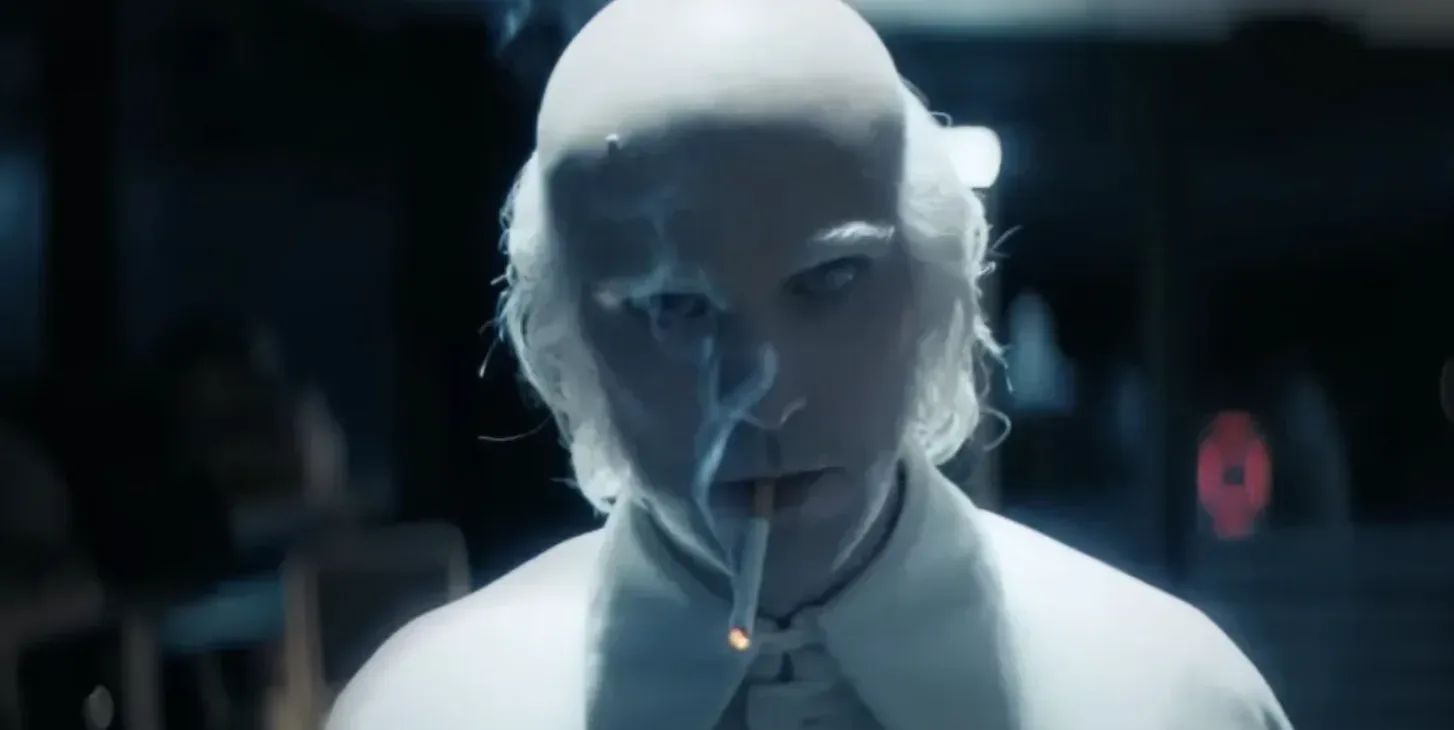
Dan Stevens’ Dr. Hans Kammler is one of the strangest figures in Onslaught, but his name carries considerably more weight than the movie initially lets on. Yes, Kammler is based on a real person, although Stevens is not simply portraying the historical Nazi officer. The real Hans Kammler was a senior SS official deeply involved in Nazi construction projects, concentration camps and Germany’s secret weapons program. Adam Wingard takes that history and builds a fictional conspiracy around it, imagining that Kammler survived World War II and that his ideology and genetic lineage continued inside secret American military programs. The film’s present-day Dr. Kammler is therefore an invented extension of a very real and disturbing history.
Related: Onslaught Filming Locations
Who Was the Real Hans Kammler?
Hans Kammler was a senior SS officer whose responsibilities expanded dramatically during the final years of Nazi Germany. Trained as an architect and engineer, he rose through the SS bureaucracy and became heavily involved in construction projects connected to the concentration-camp system. His responsibilities included work associated with Auschwitz, Majdanek and Belzec, including facilities used in mass murder.
Kammler later became increasingly important to Germany’s weapons programs. He oversaw underground industrial projects that used concentration-camp prisoners as forced labor and became a major figure in the production of the V-2 rocket. Near the end of the war, his authority expanded further to include missile deployment and advanced aircraft programs.
That combination of engineering expertise, secret weapons and horrific war crimes is precisely what makes Kammler useful to Onslaught. Wingard did not randomly choose the name for a mad scientist. He selected a historical figure whose career already sat at the intersection of military technology, secrecy and Nazi brutality.
Did Hans Kammler Really Survive World War II?
What happened to the real Kammler after the collapse of Nazi Germany has never been completely settled. The traditional account says he died by suicide in Bohemia on May 9, 1945. One major problem with that story is that his body was never recovered, and surviving accounts of his death have not produced a completely convincing historical record.
Later research complicated the story considerably. A 2019 Wilson Center working paper by Frank Dobert and Rainer Karlsch examined declassified material indicating that Kammler had been captured by American forces. The researchers argued that the documents establish that he entered American custody, although what happened to him afterward remains unclear.
That does not prove the more dramatic version presented by Onslaught. There is no established historical evidence that Kammler spent decades secretly running an American super-soldier program. Wingard takes the genuine uncertainty surrounding Kammler’s fate and uses it as the starting point for fiction.
How Does Onslaught Change the Real Kammler Story?
Onslaught imagines that the historical Kammler survived the war and became part of a hidden American military structure. Wingard has described his premise as asking what might have happened if someone whose crimes were too extreme to publicly rehabilitate was nevertheless considered too useful to discard. Rather than becoming a public scientific figure, this fictional Kammler would have disappeared underground.
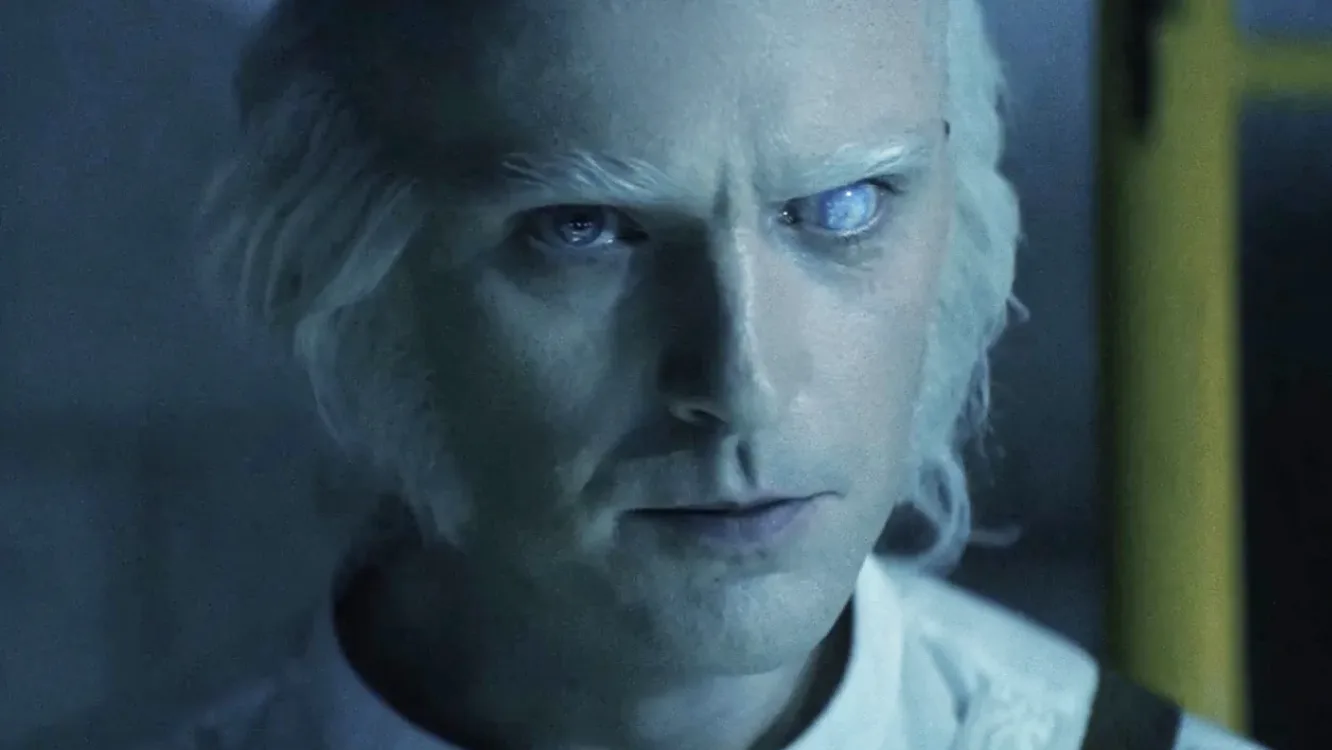
That idea eventually leads to Dan Stevens’ character. The film describes him in terms of a later generation connected to Operation Paperclip, while Wingard has spoken about Kammler’s descendants carrying forward his genetics and ideology. Stevens is therefore not playing a 125-year-old Nazi officer who somehow remained alive into the present.
The modern Dr. Kammler is part of the fictional Kammler lineage that Wingard created around the historical man’s uncertain disappearance. That distinction makes the film’s premise much clearer. Real history supplies the original villain, while Onslaught invents what might have grown from his survival.
Was Operation Paperclip Real?
Operation Paperclip was real, but Onslaught’s version of it is intentionally exaggerated. After World War II, the United States recruited German scientists, engineers and technicians whose knowledge was considered valuable during the emerging Cold War. Some had been Nazi Party members, while others had connections to organizations including the SS.
The program is one of the historical foundations of Onslaught. Wingard’s argument is essentially that recruiting people because of their technical usefulness would not magically erase the beliefs, crimes or institutions that shaped them. The film then stretches that concern into pulpy horror by imagining generations of secret military experimentation.
There is no evidence that Operation Paperclip produced genetically engineered masked super soldiers like the Butcher, Crybaby and Cockroach. There is also no established evidence that Hans Kammler secretly headed such a program. Those elements belong entirely to Wingard and Simon Barrett’s fictional universe.
Why Is Kammler Important to The Guest Connection?
Kammler’s role also helps explain why Onslaught fits into the same world as The Guest. Wingard has confirmed that the secret military programs seen in Onslaught are related to the broader system that produced David Collins. Dan Stevens playing both David and Dr. Kammler makes that connection particularly noticeable, even though they are different characters.
The implication is larger than one failed experiment. Kammler’s organization appears to represent decades of secret work involving soldiers, conditioning and human experimentation. David’s transformation in The Guest can therefore be viewed as another branch of a system whose origins stretch much further into the past.
That is where the real Hans Kammler becomes more than a historical Easter egg. Onslaught takes the unresolved final chapter of a genuine Nazi war criminal’s life and builds its entire military conspiracy into that gap. The historical Kammler was real. Stevens’ Dr. Kammler, his family lineage and the super-soldier program are fiction, but Wingard deliberately makes the boundary uncomfortable by beginning with parts of history that really did happen.