Is Fuze Based on a True Story? Are Will Tranter, Karalis and Rahim Real People?
David Mackenzie’s Fuze makes its central crime feel plausible because it begins with something Britain genuinely continues to deal with. Construction workers uncover an unexploded World War II bomb in London, the surrounding neighborhood is evacuated, and the empty streets give Karalis and his crew the perfect chance to carry out a robbery. Once the…
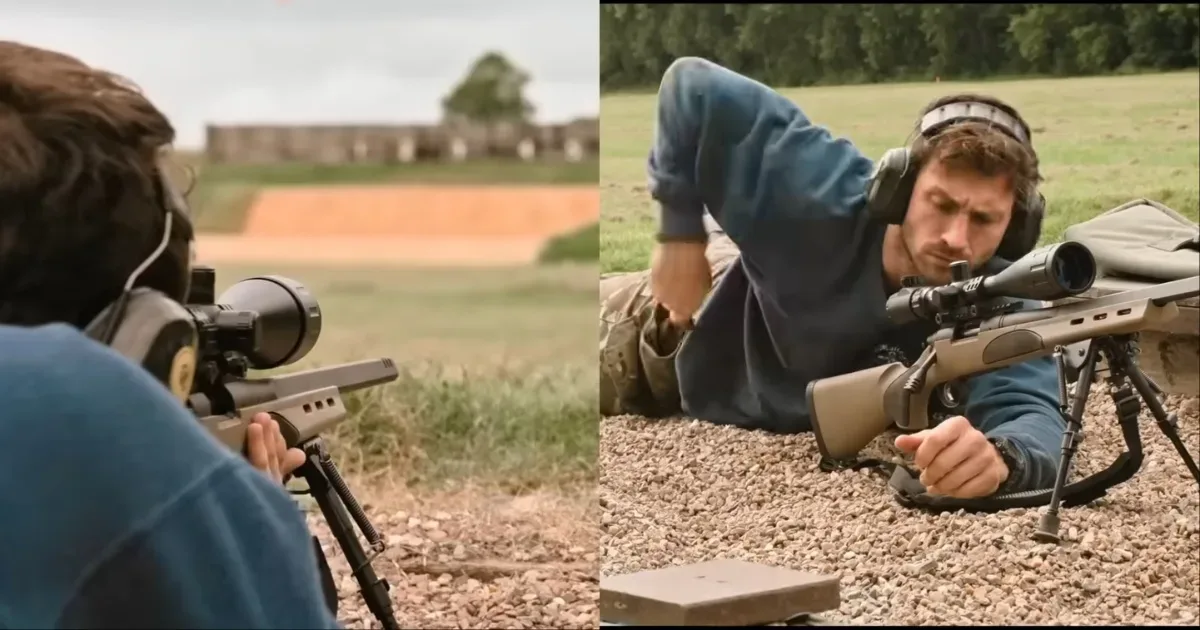
David Mackenzie’s Fuze makes its central crime feel plausible because it begins with something Britain genuinely continues to deal with. Construction workers uncover an unexploded World War II bomb in London, the surrounding neighborhood is evacuated, and the empty streets give Karalis and his crew the perfect chance to carry out a robbery. Once the film reveals the deeper connection between Will Tranter, Karalis and Rahim, the entire scheme can start to resemble one of those extraordinary crimes that sounds too strange to be invented. Despite that impression, Fuze is not based on a documented London robbery, and there is no evidence that Tranter, Karalis or Rahim are real people. The truth behind the film is more specific: Mackenzie took a genuine problem involving unexploded wartime bombs and built an entirely fictional crime story around it.
Also Read: Is The Last Sunrise Based on a True Story? The Real Inspiration Behind Ry’s Illness
The Bomb Threat Comes From a Very Real British Problem
Mackenzie has explained that the original idea grew from his fascination with two kinds of thrillers, bomb disposal stories and heist movies. Britain gave him an especially believable setting because unexploded bombs from World War II continue to be discovered during construction and excavation work. The director has recalled seeing new reports of such discoveries repeatedly during the years in which Fuze was being developed. He eventually worked with screenwriter Ben Hopkins to combine that danger with a robbery that could take advantage of the enormous disruption caused by an evacuation. The result was not an adaptation of one incident, but a fictional scenario built around a situation that authorities really do encounter.
That distinction matters because the opening of Fuze is deliberately more grounded than the increasingly elaborate crime that follows. An unexploded German bomb beneath a modern London construction site is not an outlandish invention created simply to move the plot forward. Britain and other parts of Europe still deal with wartime ordnance more than eighty years after the fighting ended. Mackenzie has even pointed out that new discoveries continued occurring while he was working on the film, reinforcing how ordinary the basic premise can be compared with the robbery constructed around it. What Fuze invents is the idea that someone could anticipate such an emergency and turn the resulting evacuation into part of a much larger criminal operation.
Will Tranter Is Fictional, but His Profession Was Carefully Researched
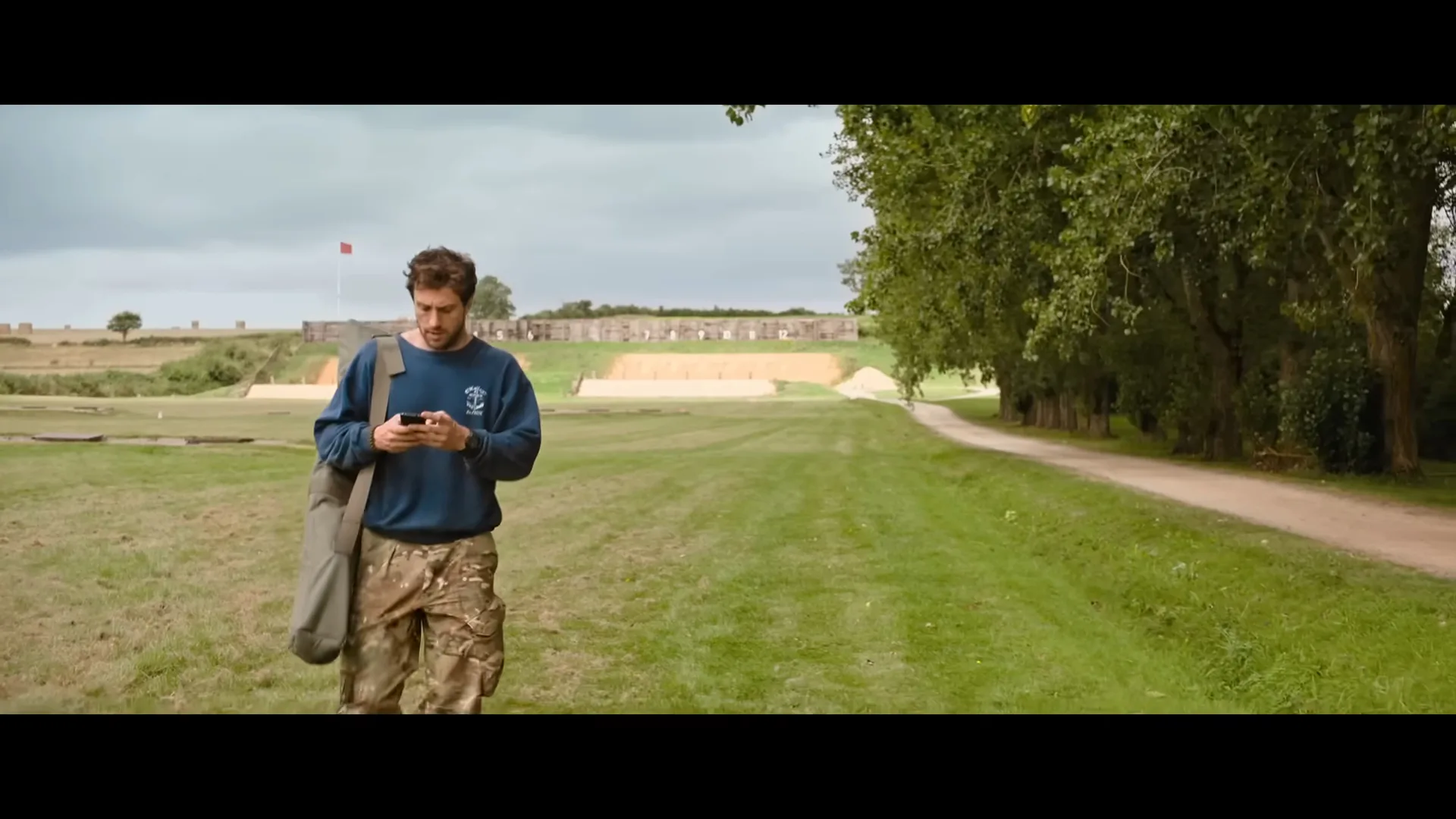
Major Will Tranter is not known to represent one specific British soldier or bomb disposal specialist. His service in Afghanistan, his connection to Rahim and his involvement with Karalis belong to the screenplay rather than a documented military case. The production nevertheless wanted the professional side of Tranter to withstand scrutiny, so real bomb disposal specialist Nick Orr worked closely with the filmmakers. Orr has extensive military experience and later continued clearing unexploded ordnance through humanitarian work, which gave the production access to someone familiar with both the technical procedures and the mentality required for the job. That consultation covered equipment, terminology, behavior and the procedures used when Tranter approaches the bomb.
That research is one reason the film can mislead the audience so effectively. Tranter initially behaves like the calm professional everyone expects to see in an emergency of this scale, and the technical detail encourages us to accept his authority without questioning his larger role in what is happening. The filmmakers were still making a thriller and occasionally adjusted reality for dramatic purposes, but the professional framework surrounding the character was not simply invented on set. Mackenzie has said that experts from the military and police helped refine the film once the screenplay was approaching production. Tranter himself remains fictional, but the world in which he operates was shaped by people who understood the job.
Karalis and Rahim Are Not Based on Identified Real Criminals
Karalis and Rahim are fictional characters as well, and there is no credible reporting connecting either man to a specific real person. Karalis is constructed as someone with the criminal experience and diamond knowledge needed to make the robbery work, while Rahim initially appears to be an ordinary resident caught inside the evacuation. The ending radically changes how both characters are understood by revealing that their connection with Tranter reaches back to Afghanistan. That shared history explains the trust underlying the operation, but it does not recreate a known military incident or an established criminal partnership. Theo James’ Karalis and Elham Ehsas’ Rahim belong to the fictional machinery of Ben Hopkins’ screenplay.
The Afghanistan material is particularly effective because it arrives after the audience has spent most of the film seeing these men as unrelated participants in the same crisis. Tranter appears to belong to the military response, Karalis appears to belong to the robbery, and Rahim appears to belong to the group of civilians affected by the evacuation. Their earlier meeting changes the meaning of those separate stories without transforming them into real figures. There is no evidence of a historical trio consisting of a British bomb specialist, an Afghan interpreter and a diamond criminal who later joined forces for a London heist. The flashback is an origin story for the film’s conspiracy, not a claim that the conspiracy happened.
The Epilogue Is What Makes Fuze Look Like a True Story
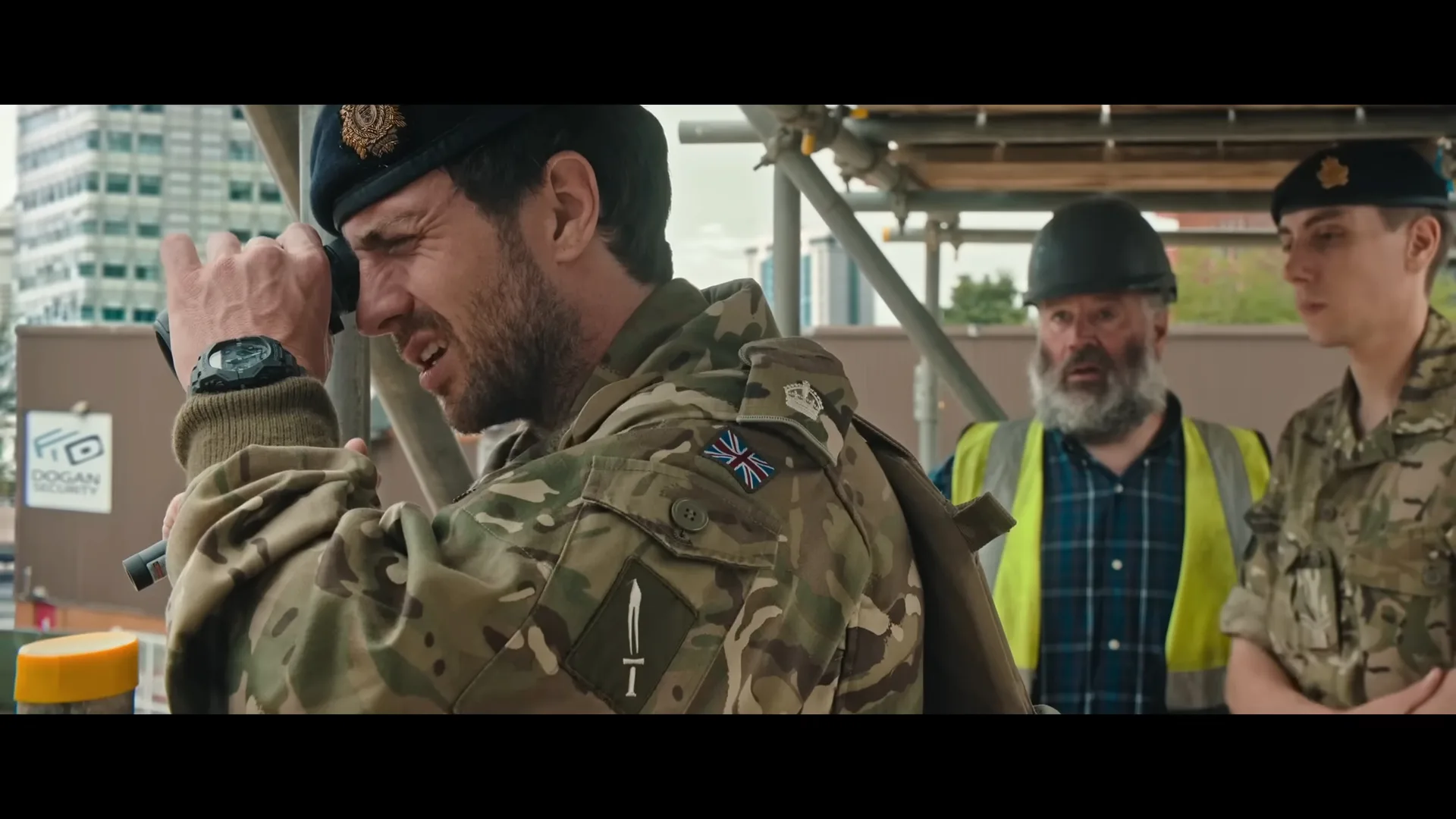
The final character updates are probably responsible for much of the confusion. Fuze ends by telling us what happens to its central players afterward, using the sort of written epilogue audiences often associate with crime films based on real events. Karalis supposedly continues deeper into criminal life, while Rahim uses his money to create another future for himself and his family. Will receives an equally playful sendoff involving what he supposedly did with his share of the money. Those cards make the characters briefly feel like real fugitives whose lives continued after the events depicted on screen.
Nothing in the film’s production history, however, indicates that those updates are biographical information about actual people. They are part of the fictional ending and extend the joke of a story that has repeatedly encouraged the audience to misunderstand what it is watching. Even some early reactions to the film noticed how closely the ending resembles the presentation of a biographical crime story. That resemblance should not be mistaken for evidence that the robbery occurred. Mackenzie himself has consistently discussed Fuze as a deliberately entertaining thriller rather than a reconstruction of history.
So, Fuze has a genuine real world foundation, but it is not a true story in the usual sense. The unexploded bomb is rooted in a danger that remains part of life in Britain and Europe, and the filmmakers brought in experienced specialists to give that part of the story credibility. Will Tranter, Karalis and Rahim are fictional, as is the elaborate plan that eventually connects them. The film works because it places an improbable crime inside a situation that is surprisingly ordinary. That small piece of reality is enough to make the larger deception feel possible.