Is DWTS: The Next Pro Live or Pre-Recorded? How the Competition Works
Watching Dancing with the Stars: The Next Pro on Monday nights can make the competition feel almost as immediate as regular DWTS, especially when dancers are waiting to learn who will be eliminated. But The Next Pro is not a live competition. Season 1 was filmed in Brisbane, Australia, well before its July 13 premiere,…
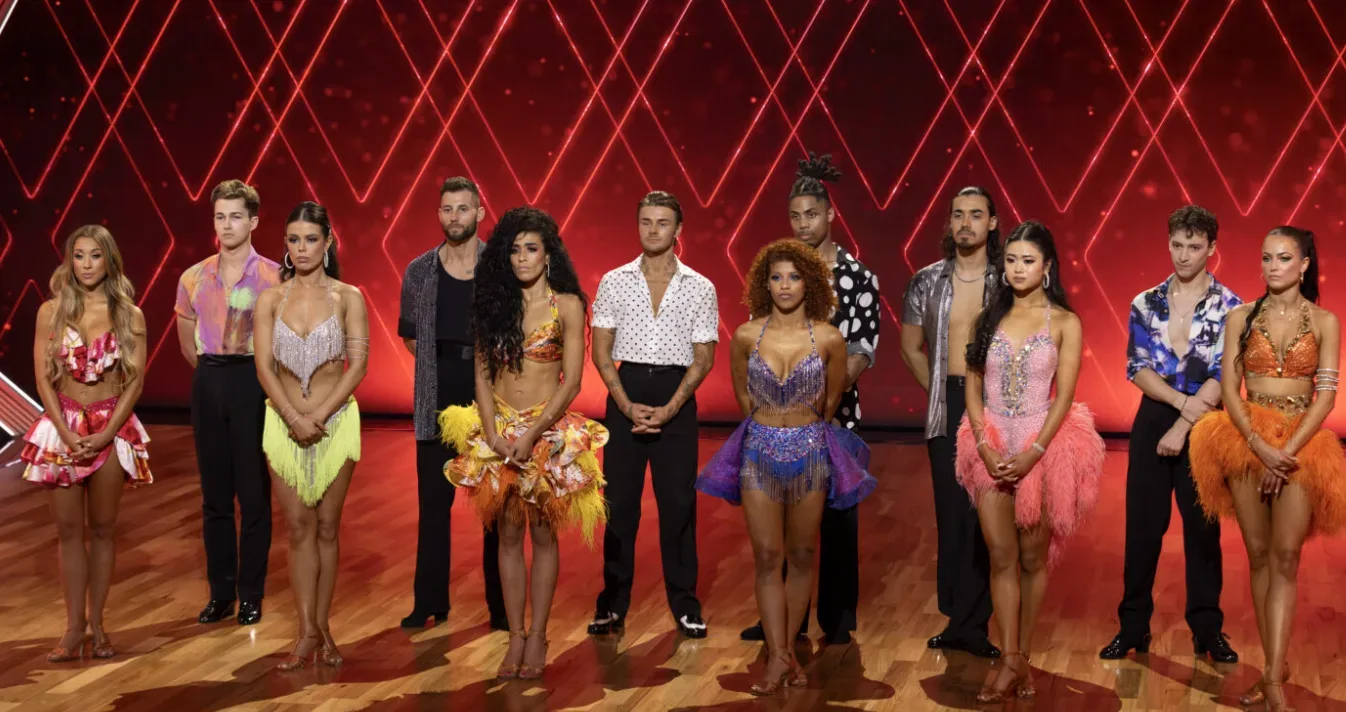
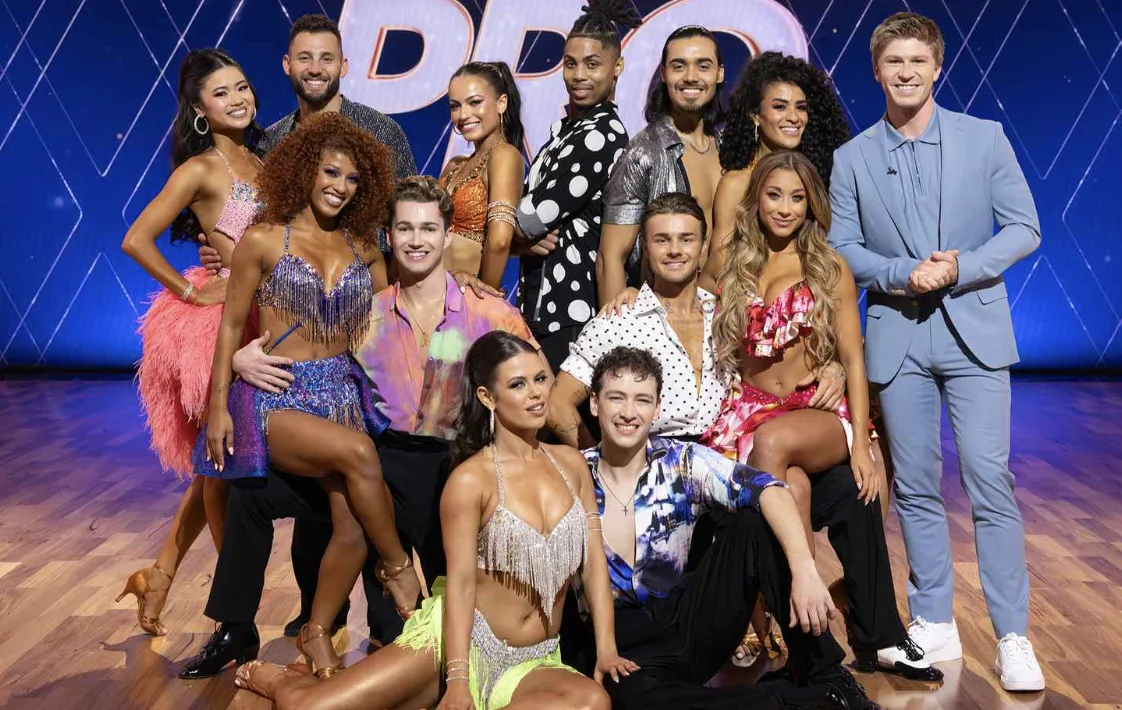
Watching Dancing with the Stars: The Next Pro on Monday nights can make the competition feel almost as immediate as regular DWTS, especially when dancers are waiting to learn who will be eliminated. But The Next Pro is not a live competition. Season 1 was filmed in Brisbane, Australia, well before its July 13 premiere, with Screen Queensland confirming on May 17 that production had already wrapped. That means viewers watching each week are seeing a competition whose results were decided during filming, rather than influencing eliminations through a live public vote. The format is closer to an extended professional audition, with judges and rotating DWTS mentors testing the dancers in different parts of the job.
Why isn’t DWTS: The Next Pro live?
The clearest evidence is the production timeline. Screen Queensland announced in May 2026 that filming on Dancing with the Stars: The Next Pro had recently finished in Brisbane, nearly two months before ABC aired the premiere on July 13. The production used locations around Brisbane, including the Thomas Dixon Centre, the home of Queensland Ballet, while Robert Irwin also brought the competition into his familiar surroundings in Australia. Irwin himself discussed filming the series near Australia Zoo before the program had begun airing.
That setup immediately separates The Next Pro from the familiar fall version of Dancing with the Stars. The flagship series is built around live performances, audience voting and results that develop as the season is airing. The Next Pro could not use that same weekly live-voting structure because the dancers had already completed the competition before American viewers met them on television. ABC still airs each episode in a regular Monday-night slot, but “airing tonight” should not be confused with “happening tonight.”
So who actually decides who gets eliminated?
The eliminations are driven by the competition’s judges and the specific challenge being tested that week, rather than a live viewer vote. Mark Ballas and Shirley Ballas are the permanent judges, while established DWTS figures rotate through the third seat and often mentor the contestants in the skill being examined. Derek Hough handled technique in the premiere, for example, while later challenges brought in pros such as Brandon Armstrong, Britt Stewart, Jenna Johnson and Daniella Karagach. The exact mechanics can vary depending on the challenge, which is why The Next Pro does not always feel like it is following one rigid elimination formula.
The premiere made that approach obvious by testing jive and samba technique before eliminating the weakest pair. In Episode 2, storytelling and partnership became much more important, with one member of the pair in jeopardy ultimately sent home. By Episode 4, ABC explicitly described the lowest-scoring pair as the pair that would be eliminated. The important point is that the show is evaluating prospective employees for a very particular television job, not simply asking which dancer the public likes most.
Why does the format keep changing the challenge?
The changing challenges are intentional because DWTS producers are not looking only for the dancer with the cleanest ballroom technique. Mark Ballas has explained that being a professional on Dancing with the Stars is a complicated role involving choreography, chemistry, teaching and group work. Executive producer Deena Katz has made the same point from the production side, arguing that a DWTS professional has to function as a coach, mentor and choreographer while also handling the demands of television. A championship dancer can therefore be vulnerable if another contestant proves better at communicating, adapting or making a partner look comfortable.
That explains why the season moves from technical ballroom work into storytelling, group routines, chemistry and more unusual creative assignments instead of holding the same dance contest every week. The August 17 episode pushes the idea even further by requiring the remaining contestants to teach ballroom novices in only two days. That challenge is much closer to the real DWTS job, where a professional might be handed a celebrity with little or no dance training and immediately be responsible for making the partnership work.
Why do contestants work with different partners?
Switching partners allows the judges to see whether a dancer can adjust instead of succeeding only with one favorable match. A regular DWTS pro does not choose a celebrity whose technique, personality and learning style perfectly match their own, so adaptability matters almost as much as performance quality. The Next Pro repeatedly puts contestants into new combinations and situations to expose weaknesses that a normal ballroom competition might never reveal. That makes partnership decisions part of the audition rather than a side element of the show.
It also helps explain some critiques that initially seem harsher than ordinary dance judging. A contestant can perform impressive choreography and still be questioned about communication, storytelling or whether their partner was properly showcased. When Mark Ballas or another judge talks about choices rather than steps, they are effectively asking whether that contestant could take responsibility for a celebrity’s entire DWTS experience. The show is judging the dancer and the potential television professional at the same time.
What happens when The Next Pro reaches the semifinals?
The format moves even closer to regular Dancing with the Stars as the field gets smaller. ABC has confirmed that the final four will team with established DWTS professionals Rylee Arnold, Gleb Savchenko, Jan Ravnik and Witney Carson during the August 24 semifinals. They will compete across two semifinal rounds for places in the finale, with two-time Mirrorball champion Kym Johnson joining the judging panel. By that stage, producers are no longer simply asking whether the contestants have promise. They are putting them alongside people already doing the job they want.
Showrunner Conrad Green said before the premiere that the later stages would increasingly test contestants through teaching amateurs and working in situations resembling the flagship series. That progression is what gives the season its structure. The early weeks establish dance ability, while the later weeks examine whether those abilities can survive the far less predictable demands of DWTS itself.
Also Read: Let’s Marry Harry’s Final Choice Wasn’t Just About Chemistry: Why Harry Picked Amber Over Dannelle
Has the winner technically already been decided?
Because filming wrapped before the series premiered, the competitive result was effectively determined before viewers began watching Season 1. That does not mean ABC has publicly revealed who wins, and it would be a mistake to treat online speculation or alleged leaks as confirmation. What can be said confidently is that the broadcast is presenting an already-filmed audition process rather than conducting a live search week by week. Screen Queensland’s May production announcement makes the chronology unusually clear.
That difference is also the best way to understand The Next Pro as a whole. It may borrow the ballroom, judging and personalities of Dancing with the Stars, but it is not regular DWTS with professional dancers substituted for celebrities. It is a pre-recorded job audition built as a reality competition, with the judges gradually testing whether a great dancer can also teach, choreograph, communicate and carry the responsibility that comes with becoming a DWTS pro.