Is 4 Blocks Zero Based on a True Story? The Real History Behind the Hamady Family
HBO Max’s “4 Blocks Zero” feels unusually grounded for a crime drama because its story begins not with an established criminal empire but with immigration paperwork, school frustrations, cramped housing and a family trying to secure the right to remain in Germany. Set in 1990s Berlin, the prequel follows Malik Hamady and his children years…

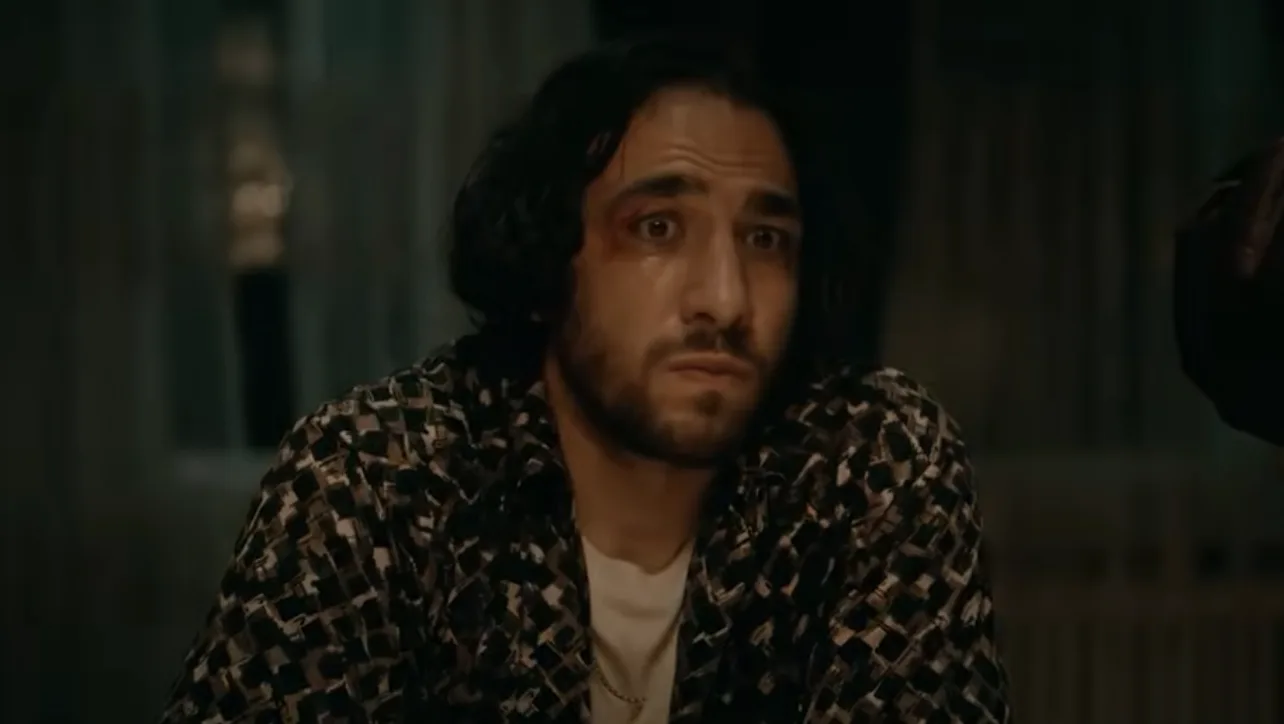
HBO Max’s “4 Blocks Zero” feels unusually grounded for a crime drama because its story begins not with an established criminal empire but with immigration paperwork, school frustrations, cramped housing and a family trying to secure the right to remain in Germany. Set in 1990s Berlin, the prequel follows Malik Hamady and his children years before Ali becomes Toni Hamady, the central figure of the original “4 Blocks.”
That realism naturally raises a question: Are the Hamadys based on a real family? The short answer is no. “4 Blocks Zero” is not a dramatization of one specific real clan, and the Hamady family is fictional. However, both the original series and its prequel draw heavily from real social conditions, extensive research into Berlin’s Neukolln district and the experiences of refugee families from Lebanon who spent years living under Germany’s insecure “Duldung,” or tolerated, status. The creators of the original “4 Blocks” have repeatedly described the story as fiction shaped by reality rather than a documentary account.
Also Read: Is Vigil Season 3 Based on a True Story? The Real Svalbard Conflict Explained
Are the Hamadys a Real Family?
Ali “Toni” Hamady, Abbas Hamady, Malik Hamady and the rest of the central family are fictional characters. There is no real “Hamady clan” whose history “4 Blocks Zero” is retelling scene by scene. The original show’s writers were explicit about the distinction. In discussing “4 Blocks,” the creative team explained that they researched real criminal structures and sometimes found that storylines they imagined resembled things happening in the real world, but they were telling a fictional story rather than documenting one particular family.
That distinction remains important with “4 Blocks Zero.” Viewers should not treat Malik, Ali or Ibrahim as disguised biographies of identifiable real people. What the series does borrow is the environment around them.
How Much of 4 Blocks Comes From Reality?
The original “4 Blocks” was known for unusually deep research into Neukolln and Berlin’s Arab community. Director Marvin Kren has discussed spending considerable time in the area, meeting people connected to the milieu and trying to understand the world from inside rather than simply reproducing headlines about organized crime. Producer Quirin Berg has similarly said that the strength of the “4 Blocks” universe comes from reality and from giving authentic characters room within the drama.
That approach is visible throughout “4 Blocks Zero.” The series does not begin by presenting the Hamadys as an established crime family. Malik is actively trying to prevent that future.
He expects his children to speak German, remain in school and build conventional lives. Ali is academically capable. Marwan is interested in soccer. Abbas is the sibling having more difficulty fitting into the path Malik has imagined.
The audience knows where this family eventually ends up, but the prequel asks what happened before that identity hardened around them.
The Duldung Status Is Based on Real History
One of the most important real-world elements in “4 Blocks Zero” is the family’s immigration status. Malik explains that the Hamadys are not securely settled even after years in Germany. They can remain, but he cannot build the kind of normal working life he wants, and residency remains uncertain. This part of the story closely reflects documented experiences of many families who fled Lebanon for West Germany during the Lebanese Civil War.
Academic research has found that from the early 1980s many asylum seekers from Lebanon received “Duldung” status. A Duldung was not the same as permanent residency. It generally meant that deportation was temporarily suspended, often requiring repeated renewals while leaving families uncertain about their long-term future.
Restrictions varied over time and by individual circumstances, but work bans and barriers to training or education could be severe. Berlin court records from the period document cases in which people from Lebanon were given temporary Duldung papers with geographic restrictions and no permission to work. That history helps explain why residency is treated as such a major issue in both “4 Blocks Zero” and the original series.
Why Does Malik Struggle to Work Legally?
Malik’s frustration is therefore not simply a plot device created to push the family toward the criminal world.
The prequel places him inside a legal contradiction. He wants to provide for his children and expects them to integrate successfully, but his own ability to gain stable employment and housing is constrained by his status.
Research into former refugees from Lebanon in Berlin describes families who sometimes remained under temporary status for many years, despite building their lives in Germany. Work restrictions could make financial independence much harder, while children grew up in the country without knowing whether their families would ultimately be allowed to remain. “4 Blocks Zero” uses that real history as background for a fictional family’s decisions.
It would be inaccurate, however, to suggest that these restrictions inevitably produced organized crime. Most refugee families did not become criminal organizations. The series is dramatizing one fictional route through a real set of social pressures, not presenting the Hamadys as representative of all Lebanese or Palestinian families in Berlin.
Ali’s School Story Also Reflects the Setting
Young Ali’s school experience is another way the prequel grounds its fictional story in a recognizable historical environment.
Ali is intelligent and wants to succeed, but his academic performance does not protect him from being treated as an outsider. Even when a teacher recognizes his potential, the conversation about university and his future eventually returns to residency.
Research on families from Lebanon who lived under Duldung status has documented educational disadvantages as well. Depending on the period and circumstances, children and young adults could face obstacles to schooling, vocational training and higher education.
The point of Ali’s storyline is not that discrimination automatically creates Toni Hamady. Instead, “4 Blocks Zero” is showing how a young man who originally believes success within the system is possible gradually encounters reasons to question that belief.
Is Ibrahim Based on a Real Person?
There is no reliable evidence that Ibrahim Mansour is a direct portrayal of one specific real person.
Within the fictional story, Ibrahim is Ali’s maternal uncle who spent eight years imprisoned in Lebanon before coming to Berlin. His relationship with Halim Karami brings him into a criminal network, placing him on the path toward becoming the powerful Uncle Ibrahim known from the original “4 Blocks.”
His background draws from the broader history surrounding Lebanon’s civil conflict and refugee migration, but the events involving Karami, Walid and the Hamady organization belong to the fictional “4 Blocks” narrative.
The same applies to Toni. Kida Khodr Ramadan’s original character feels authentic partly because of the show’s research and casting, but Toni Hamady should not be read as the television version of one identifiable Berlin clan leader.
Why 4 Blocks Zero Feels Like a True Story
The series feels real because it places invented characters inside historically recognizable pressures. The Hamadys arrive from Lebanon. They live in Neukolln. Their residency is precarious. Malik struggles to establish a legal working life. His children grow up speaking German while also remaining connected to their family’s Arab identity. The parents want stability, while the younger generation is increasingly shaped by the neighborhood around them.
Those details echo experiences documented among parts of Berlin’s Lebanese and Palestinian refugee population during the 1980s and 1990s. The creators then use that history to construct the fictional origin of a family audiences already know from “4 Blocks.”
That is the best way to understand the relationship between “4 Blocks Zero” and reality. It is not a true story about the rise of the real Hamady family because there is no such direct real-life counterpart. It is a fictional family saga built inside a world the filmmakers have deliberately researched to make recognizable.
For viewers who already know Toni’s future, that distinction actually makes the prequel more interesting. “4 Blocks Zero” is not trying to reveal the secret history of one real clan. It is asking how a fictional family could plausibly move from ordinary survival and uncertainty toward the world audiences encountered in “4 Blocks.”