Don’t Say Good Luck’s True Story Is More Heartbreaking Than Sophie’s Movie Story
Don’t Say Good Luck is based on a true story, but Sophie Birenbaum is not simply screenwriter Laura Hankin under a different name. The movie grows from a striking event in Hankin’s adolescence: she landed the lead in her high school musical while her mother Deborah’s cancer was returning and worsening. Deborah later died, and…
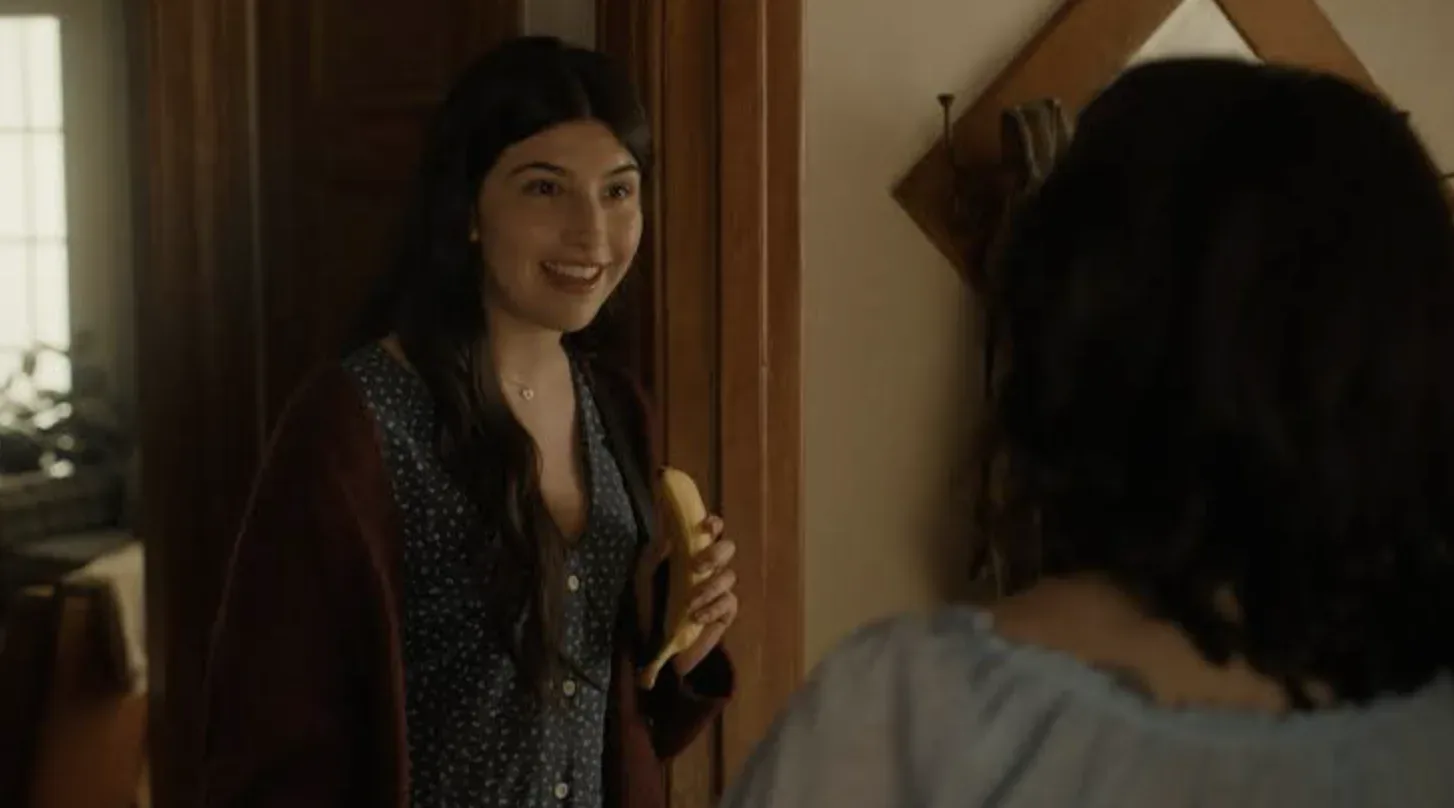
Don’t Say Good Luck is based on a true story, but Sophie Birenbaum is not simply screenwriter Laura Hankin under a different name. The movie grows from a striking event in Hankin’s adolescence: she landed the lead in her high school musical while her mother Deborah’s cancer was returning and worsening. Deborah later died, and Hankin has said theater became an important way for her to survive and process that period. The film keeps that emotional foundation while fictionalizing the characters, changing the school musical and reshaping details around Sophie’s family and teenage life.
That makes “based on a true story” more accurate than calling Don’t Say Good Luck a biopic. Hankin wrote the original draft from her memories, then Julia Hart and Jordan Horowitz collaborated on the screenplay. Netflix’s Sophie inherits Hankin’s central dilemma, but she is a dramatic character rather than a literal recreation. Hankin herself has made that distinction clear, saying she did not want Sunny Sandler to feel she had to imitate a real person.
Spolier Alert
What Really Happened to Laura Hankin and Her Mother?
Hankin was a teenage theater kid when she won the lead in her high school musical at almost the same time her mother’s cancer came back. She has described rehearsals as joyful and full of ordinary teenage concerns, while home meant watching the person she loved most become increasingly ill. Hankin even questioned whether continuing with the show was selfish and whether she should spend that time with her mother instead. That conflict became the emotional foundation for Sophie and Elizabeth’s relationship.
The real illness lasted much longer than the movie’s compressed storyline suggests. Hankin has said Deborah first developed cancer when Laura was in sixth grade and underwent treatments and surgeries for about five years. Her mother tried to attend Laura’s performances whenever she could and remained strongly supportive of her interest in theater. Before Deborah died, she wrote Laura a letter about recognizing her passion as far back as a second-grade concert, a letter Hankin says she still rereads.
Related: Don’t Say Good Luck Ending Explained
Sophie Is Inspired by Hankin, But She Isn’t “The Real Laura”
Sophie is a fictionalized version of Hankin’s experience rather than a one-to-one portrayal of the writer. That distinction became especially important once Sunny Sandler took the role. Hankin has recalled Sandler asking whether there was anything she should change to play her more accurately, and Hankin told her not to approach Sophie that way. She wanted Sandler to build the character that made sense for the film instead of performing an impersonation.
The surrounding details are fictionalized too. Sophie has her own friendships, romantic complications, family dynamics and personality, and Hankin has described Sandler’s version as more deadpan than she originally imagined. Melanie Lynskey’s Elizabeth is likewise not presented as a literal reconstruction of Deborah. After Hankin showed the finished movie to her father, she said he understood Elizabeth was fictional but believed Deborah would have been proud of Lynskey’s portrayal.
The Real High School Musical Wasn’t Waitress
Hankin did not perform Waitress during the real experience that inspired the film. She starred in Moby Dick! The Musical, a comedic show-within-a-show in which she played Ishmael. Axios reports that the production took place at the then-Woodrow Wilson High School in Washington, D.C., where Hankin grew up. When converting the experience into a screenplay, however, she wanted a musical whose story could carry more of the movie’s emotional weight.
Waitress became the better dramatic fit because its female lead has a demanding central role and a story tied to motherhood, loss and uncertainty about the future. Hankin has said its themes lined up unusually well with Sophie’s situation. For a time, she expected to replace it with a fictional musical called Hotel Girl because she doubted the rights could be secured. Jordan Horowitz encouraged the team to pursue Waitress, allowing Hankin’s preferred choice to remain in the finished movie.
Why Did Hankin Turn the Experience Into a Screenplay Years Later?
Hankin has said Bo Burnham’s Eighth Grade helped her see her teenage experience differently years after her mother’s death. She left a screening thinking about how seriously the film treated a teenage girl’s emotional life, then walked through Central Park remembering what it had been like to rehearse while her mother was sick. That reflection made her realize the experience could become a story rather than remain something she had never fully processed. Writing the screenplay became another form of the artistic coping that theater had given her as a teenager.
That connection explains why Sophie’s performance arc matters more than reconstructing every real-life detail. Hankin has said theater gave her community and a safe place to process emotions she struggled to balance at home. Sophie’s circumstances are fictionalized, but the contradiction at the center of them is not. Hankin really was experiencing one of the most exciting opportunities of her young life while preparing to lose her mother.
Related: Don’t Say Good Luck Filming Locations
Where Is Laura Hankin Now?
Hankin is now an author and screenwriter, and Don’t Say Good Luck turns one of her most personal memories into a Netflix film. She lives in Washington, D.C., and continues to write fiction as well as screen projects. Some elements of the film draw on places from her D.C. childhood, and she also appears briefly in the movie as a teacher. In 2026, she spoke openly about still keeping Deborah’s letter and about how strongly theater shaped the way she survived that loss.
So the movie is true in a specific, meaningful sense. Sophie and Elizabeth are fictional characters, Waitress replaced Hankin’s real school musical, and many surrounding events were created for the screenplay. But Hankin really did land the lead while her mother’s cancer returned, really did wrestle with whether she should keep performing, and really did lose her mother. Don’t Say Good Luck changes the particulars while preserving the experience that gave the story its reason to exist.