Doing Life Ending Explained: Do Anika and Carousel End Up Together?
Tyler Perry’s Doing Life begins with two people who have every reason to believe their futures have already been decided for them. Anika is a single mother carrying the weight of her family largely on her own, while Carousel is serving time with a past that continues to define how people see him long after…

Tyler Perry’s Doing Life begins with two people who have every reason to believe their futures have already been decided for them. Anika is a single mother carrying the weight of her family largely on her own, while Carousel is serving time with a past that continues to define how people see him long after he begins trying to change.
Their connection starts under difficult circumstances and grows through letters, allowing each of them to know the other before the outside world can fully interfere. Once Carousel is released, however, the relationship has to survive something much harder than distance: family judgment, fear, and the question of whether believing someone has changed is enough to build a life around them. Netflix itself frames the film as a story about redemption, hope, and love developing against those odds.
Do Anika and Carousel End Up Together?
Yes. Doing Life ultimately treats Anika and Carousel’s relationship as a genuine second chance rather than a temporary connection created by unusual circumstances. The film allows them to move beyond the letters and the history that first tied them together, ending on the idea that the two can choose a future instead of allowing other people to make that choice for them.
That resolution fits the way Tyler Perry builds the romance throughout the movie. Carousel does not become worthy of Anika because she magically erases his past, and Anika does not choose him simply because he once helped her during a frightening moment at Holloway Correctional. Their bond develops because both begin seeing a version of the other that the rest of the world often refuses to consider.
Current descriptions of the completed movie characterize their story as two people overcoming the odds, bettering themselves, and finding love and happiness rather than separating at the end. Cast member Jasmine Sargent has also described the ending as “beautiful” and connected it to the idea that people have to follow their own hearts instead of living according to someone else’s fears.

Why Does Anika Take a Chance on Carousel?
Carousel enters Anika’s life at a moment when trust should be almost impossible. She is pregnant and working at Holloway Correctional when unrest breaks out inside the facility, and Carousel helps get her and her unborn child to safety. That moment gives Anika a reason to see him differently from the label attached to him as an inmate.
The more important relationship develops afterward through their letters. The distance forces them to communicate without the usual shortcuts of physical attraction or a conventional dating relationship. Anika gets to know Carousel through what he thinks, regrets, hopes for, and wants to become.
That distinction matters because Doing Life is less interested in asking whether Anika should simply forgive Carousel’s past than in asking whether people can change enough that their worst decisions stop being the only thing others see.
Carousel’s journey also continues beyond his release. Jay Reeves has spoken about the character trying to build an entirely different future for himself, including continuing his education and aspiring to attend law school. The movie therefore frames redemption as ongoing work rather than something Carousel receives automatically because Anika loves him.
Why Does Anika’s Family Oppose the Relationship?
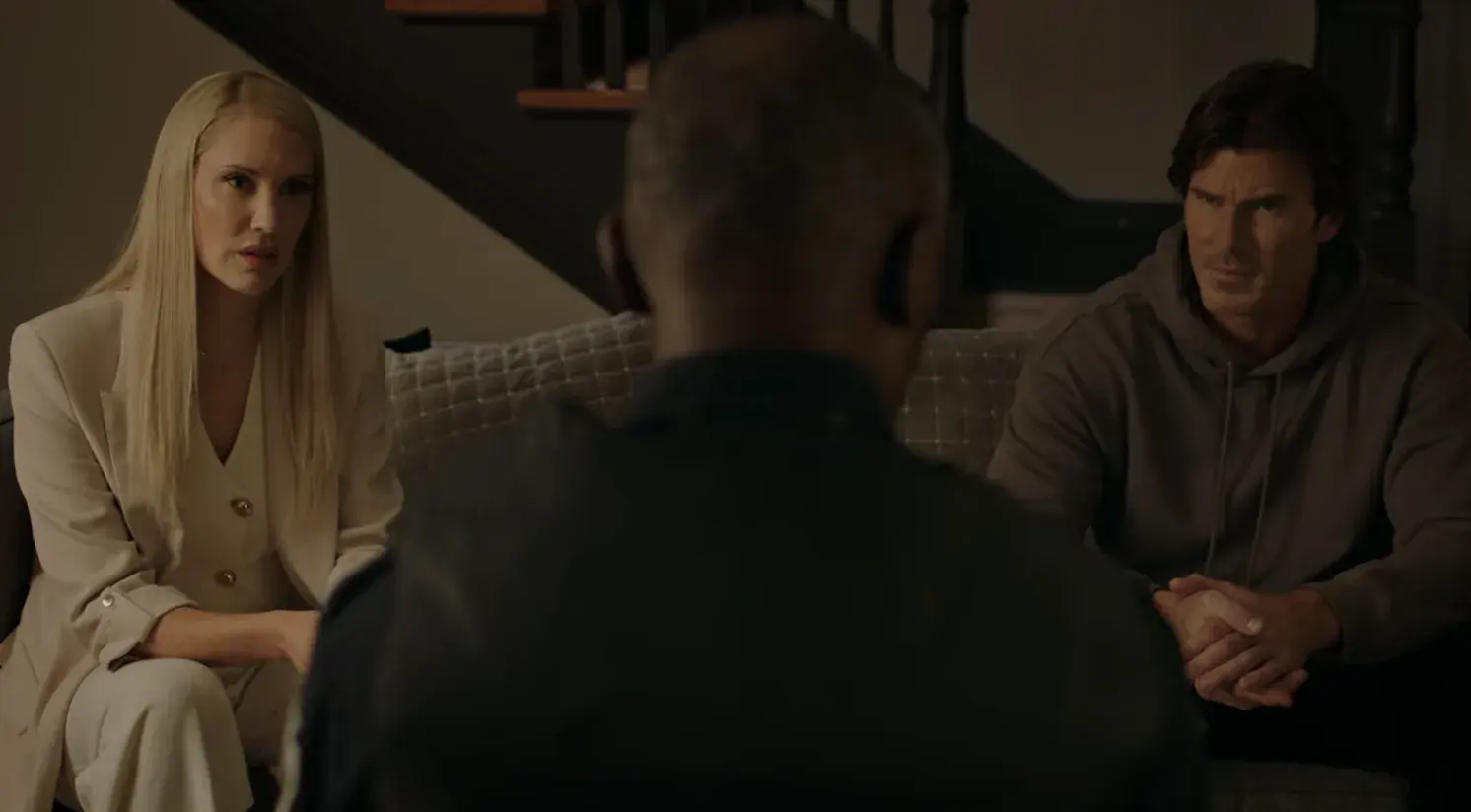
The strongest obstacle between Anika and Carousel is not that either of them lacks feelings for the other. It is the fear carried by the people closest to Anika.
Her sisters have their own experiences and unresolved pain, and they project some of those fears onto her choices. Jasmine Sargent, who plays Lisa, explained that both Lisa and Trina are protective because of what they experienced growing up, including the absence of an active father in their lives. Their concern for Anika is genuine, but that concern also becomes controlling when they assume her life must follow the same patterns as theirs.
Trina represents the harsher side of that reaction. Carousel’s history makes it easy for her to believe that Anika is making a mistake, and she struggles to separate who he was from the person he is trying to become.
The film does not dismiss those fears as ridiculous. Anika has a child and responsibilities that make reckless trust dangerous. What it questions is whether protecting someone eventually becomes another way of refusing to let them make their own choices.
Why Does Lisa Finally Stand Up to Trina?
One of the important late developments belongs to Lisa rather than Anika or Carousel. Lisa spends much of the story caught between understanding Anika and allowing Trina’s stronger personality to dominate the family’s response.
Sargent has confirmed that Lisa finally reaches a point where she puts Trina in her place. She described the ending as the moment when Lisa acts on feelings she had previously kept inside, recognizing that being protective of Anika does not mean deciding Anika’s life for her.

That scene matters because the ending is not simply Anika choosing Carousel over her family. It is about the family beginning to understand that their own history cannot become a blueprint Anika is forced to follow.
Lisa’s change gives Anika something she has been missing throughout the story: someone inside the family willing to defend her right to decide for herself.
Does Carousel Really Change?
Doing Life clearly wants viewers to believe Carousel’s transformation is sincere, but it avoids suggesting that a person’s past simply disappears.
Carousel has to live with what brought him into the prison system, and the people around Anika do not suddenly forget that history simply because he behaves differently after his release. His second chance therefore depends on what he does with freedom rather than on pretending the past never happened.
Reeves has described the movie as being about second chances, healing, and recognizing that someone’s worst mistake does not necessarily define the rest of their life. His character’s interest in education and law school is particularly important because it gives Carousel a future that exists independently of his relationship with Anika.
That makes the romance healthier than it would be if Anika were portrayed as the person responsible for fixing him. She supports his future, but Carousel still has to build it himself.
What Does the Title Doing Life Mean?
The title works on two levels. “Doing life” immediately carries the language of incarceration and long sentences, which obviously connects to Carousel. But the film gradually turns the phrase toward Anika as well.
Anika is also “doing life,” just in a completely different form. She is raising a child, carrying financial and family responsibilities, and trying to survive a life in which her own wants continually come second.
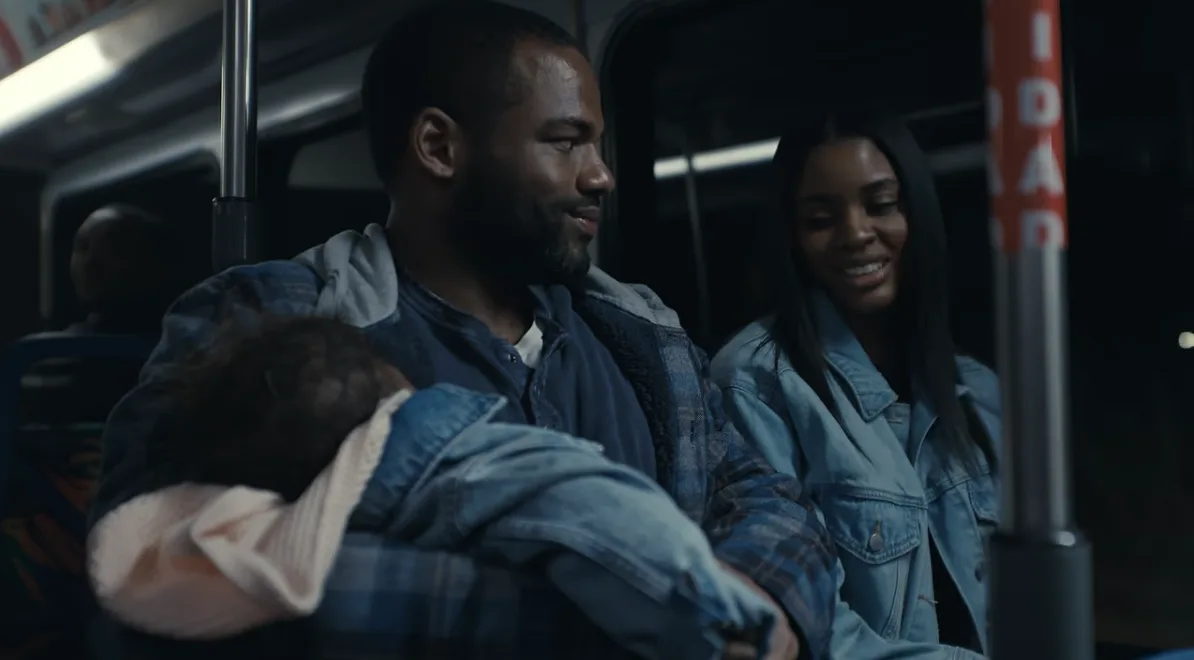
The relationship changes both characters because it allows them to imagine more than survival. Carousel begins imagining a future beyond the identity attached to his conviction, while Anika begins considering whether responsibility has to mean giving up on companionship and happiness.
That is why the ending does not need an enormous last-minute twist. The important victory is that both characters allow themselves to imagine a life that looks different from the one everyone else expected them to have.
What Does the Doing Life Ending Really Mean?
Doing Life ends as a story about agency as much as romance. Anika’s family has spent much of the movie judging Carousel through what he did before they ever knew him, while Carousel has spent years living inside a system that reduces him to the same past.
Anika’s choice does not prove that trusting someone is always safe, nor does the movie argue that love automatically erases consequences. Instead, she decides that the risk belongs to her to evaluate. Other people can warn her, but they cannot live her life for her.
That idea is echoed by Lisa’s final change of heart. Sargent described the movie’s meaning as learning to “do your own life,” rather than assuming another person’s experiences have to become your experiences too.
Carousel’s ending carries the same message from the opposite direction. His future depends on continuing the work of rebuilding his life, pursuing his ambitions, and proving through what he does next that a second chance can become more than a promise.
Anika and Carousel ending together therefore matters because neither one is rescuing the other. They are two people whose lives have been reduced to difficult circumstances by everyone around them, finally deciding that those circumstances do not have to dictate what comes next.